
Ventilation, ERV & HRV Installation
An ERV or HRV is a balanced ventilation unit that pushes stale air out and pulls filtered outdoor air in at the same rate, recovering most of the heat from the outgoing stream so fresh air doesn’t cost you your heating bill. It’s the right fix for tight new homes, finished basements, and houses that fog their windows every January; Grandview Contractors holds the contract under our B100 general contractor license and manages the licensed HVAC contractors who install the unit, ducting, and controls across Utah County and Salt Lake County.
When a balanced ventilation system is the fix, and when it isn’t
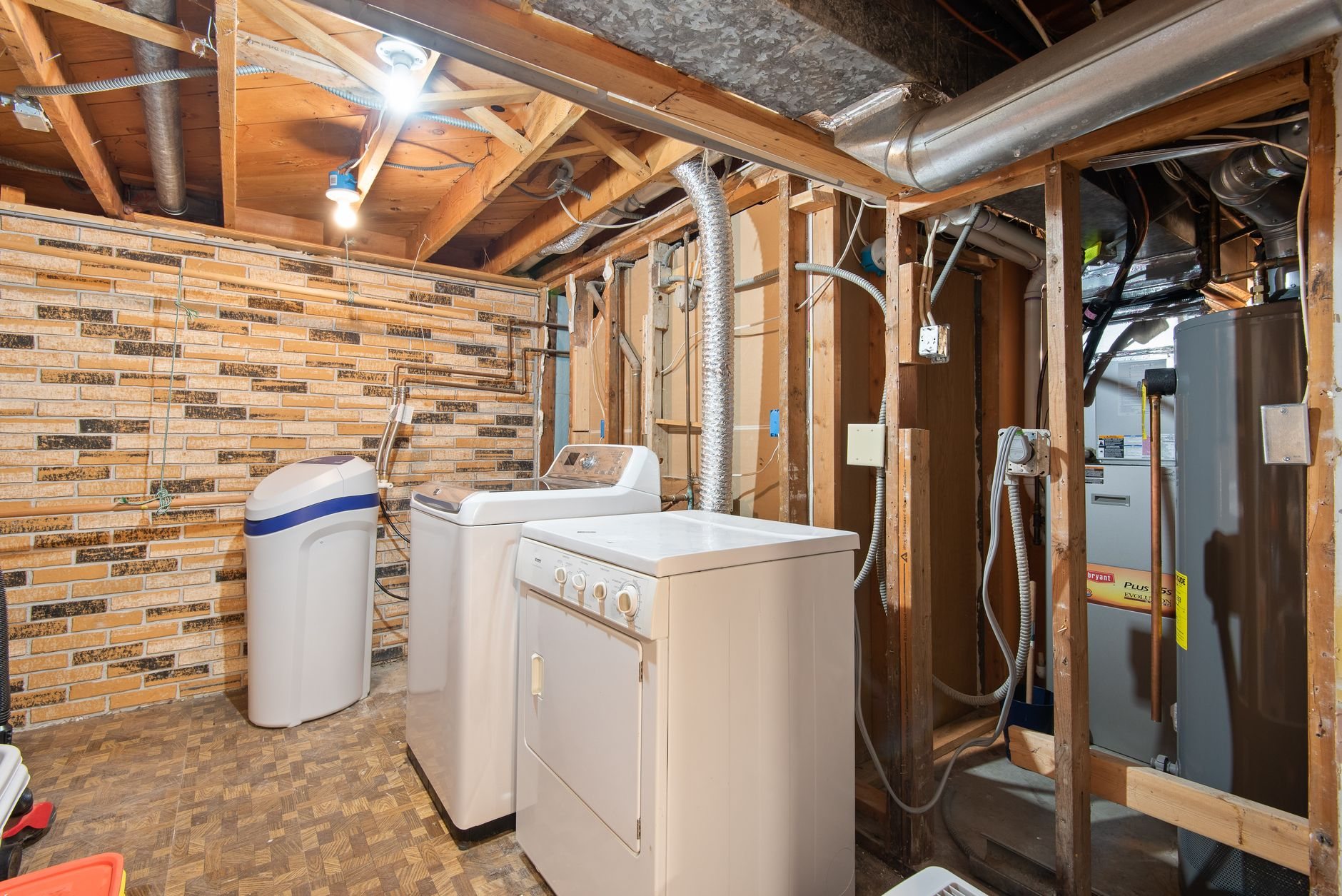
A house that no longer leaks has to be ventilated on purpose. Current Utah-adopted code requires mechanical ventilation in new homes, and a bath fan on a timer is the cheapest way to meet it — but exhaust-only fans depressurize the house and pull make-up air through whatever gap they find: the garage wall, the crawl space, the slab crack. A balanced unit replaces that guesswork with a supply stream you chose and filtered.
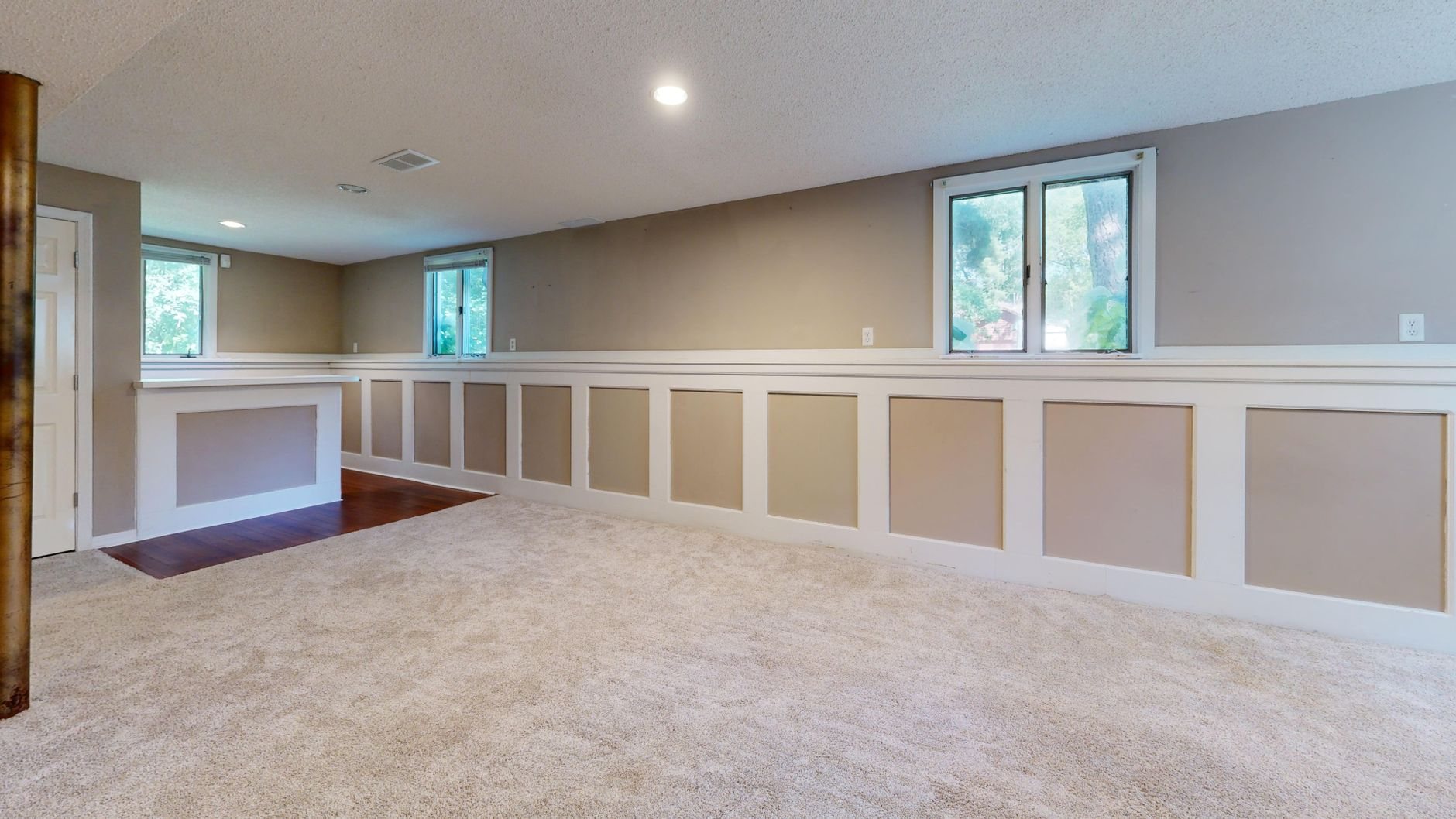
In existing homes the signals are condensation inside the windows all winter, a finished basement that still smells like a basement, and bedrooms that feel stale by morning. If you’ve just finished a basement or air-sealed the attic, the house got tighter and the ventilation didn’t follow.
It is not the fix for rooms at the wrong temperature. Hot upstairs and cold downstairs is a zoning problem; a bedroom that never gets enough air is usually a ductwork problem. An ERV freshens air; it doesn’t heat or cool it. If the complaint is comfort, start with the system design or a heat pump and add ventilation to it.
ERV or HRV: which one makes sense along the Wasatch Front?
Both recover heat. An HRV recovers heat only; an ERV recovers heat and a share of the moisture through a membrane core. In Utah’s dry climate that distinction decides the question more often than price does. Winter air here is already parched and an HRV dries the house further, so most units our HVAC partners spec for valley and bench homes are ERVs, which hold some indoor humidity in.
The exception is a house with a real moisture problem — an unconditioned crawl space, an indoor spa, a basement damp through monsoon season — where an HRV’s drying effect is the feature. Either way the unit needs a defrost strategy: core frost starts in the low 20s for most HRVs, a January morning on the bench sits well below that, and we check for a cold-climate defrost mode on the submittal before anything is ordered.
Filtration is the other reason Utah homeowners ask for these. During winter inversions and wildfire smoke, a balanced system with a good intake filter is the only ventilation that cleans outdoor air before bringing it in. The Department of Energy’s whole-house ventilation guidance covers the tradeoffs in full.
What an ERV or HRV installation involves
- Size the airflow. The required CFM comes from floor area and bedroom count under the current Utah-adopted ventilation standard, with headroom for a boost setting.
- Pick the duct strategy. Fully ducted means dedicated runs: stale air pulled from baths and kitchen, fresh air delivered to bedrooms. Simplified means tying into the furnace return and riding on the air handler. Ducted costs more and ventilates better; with walls already open, it’s usually worth it.
- Locate the unit and the hoods. The core needs a mechanical-room or basement-ceiling spot with service clearance and, for an HRV, a condensate drain. Outside, intake and exhaust hoods are separated and kept away from dryer vents, gas flues, and the driveway.
- Run and insulate. The two ducts to the exterior wall carry outdoor-temperature air through conditioned space, so they are insulated and vapor-sealed against sweating onto drywall. Interior runs are mastic-sealed and routed before soffits close.
- Balance and commission. Supply and exhaust are measured with a flow hood and adjusted until they match — an unbalanced unit is an expensive bath fan. Boost switches and the filter schedule are handed over in writing.
Grandview holds the contract, sequences the HVAC crew with framers and drywallers, and checks the install against the design before the city inspector sees it. Retrofit patching is priced in the same scope.
What does ERV or HRV installation cost in Utah?
As ballpark planning numbers, a simplified ERV tied into an existing furnace return in a Utah County home typically lands in the low-to-mid thousands installed. A fully ducted system commonly runs several thousand more, and most of that is duct labor, not the box. These are planning ranges, not quotes; the estimate follows a site visit.
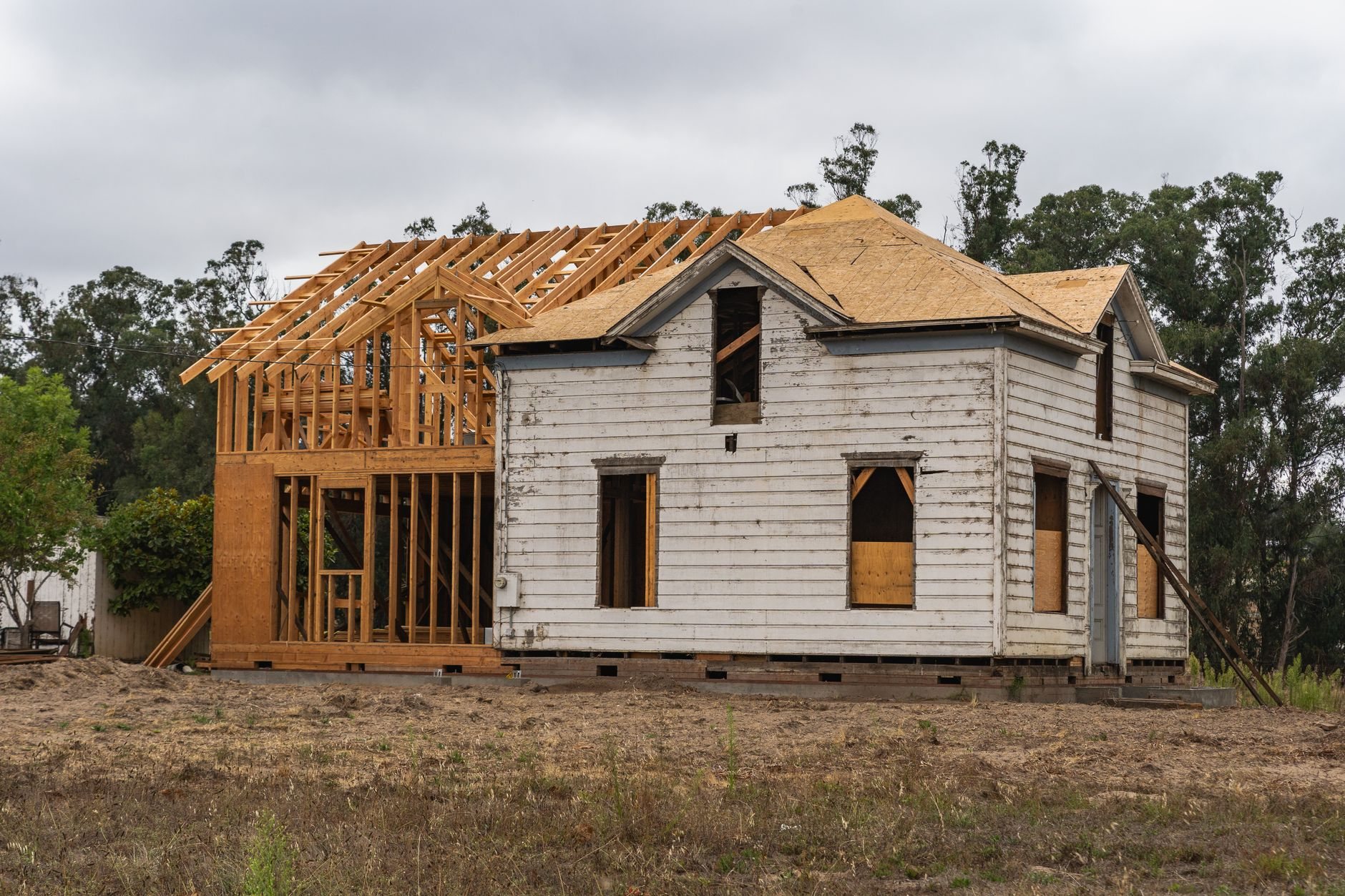
What moves the number: access (open walls versus fishing ducts through a finished two-story), distance to an exterior wall, a condensate drain where none exists, the airflow rating the home’s size demands, and a cold-climate defrost model, which costs more and is the right spec here. Bundled with a duct replacement or new system, the incremental cost drops because the crew and the open ceiling are already paid for.
Questions we actually get
Does an ERV or HRV reduce radon?
It can help, but it is not a radon mitigation system. Balanced ventilation dilutes indoor air without depressurizing the basement the way exhaust-only fans do. Utah’s geology produces high radon in many areas, so test first; if levels are high, a sub-slab system is the fix and the ERV is a complement. The EPA’s radon guidance explains the thresholds.
Can one be added to an existing house without tearing out walls?
Usually, yes. A simplified install connects to the furnace return and needs only the two exterior ducts and a nearby exterior wall. Fully ducted retrofits need ceiling access, which is why we often pair them with a basement finish or remodel that already has the ceiling open. We’ll tell you which option your house supports before pricing it.
Why does a ducted install cost more than one tied into the furnace?
Duct labor. Dedicated runs to each bedroom and bath mean more sheet metal, more penetrations, and more patching, and the unit is balanced against its own system rather than the air handler. The payoff is ventilation that works whether or not the furnace is running, and quieter delivery — noticeable in a tight new home.
Does it bring in smoke during inversion season?
Not if the intake is filtered correctly. Most ERVs accept a MERV-rated filter on the supply side, and some accept MERV 13, which captures the fine particulate that makes Wasatch Front inversions and wildfire smoke unhealthy. The unit still brings in outdoor air; it just cleans it first. We spec a filter housing that’s easy to service.
Ventilation is one piece of the MEP and systems coordination we run inside renovation and build-out projects. Describe the symptoms and we’ll sort out whether it’s air quality, airflow, or temperature.
Tell us what you’re working on
We reply within a couple of hours during business hours — a day at most. You’ll get a straight read on scope, sequence, and budget before anyone commits to anything.