
Heat Pump & Mini-Split Installation
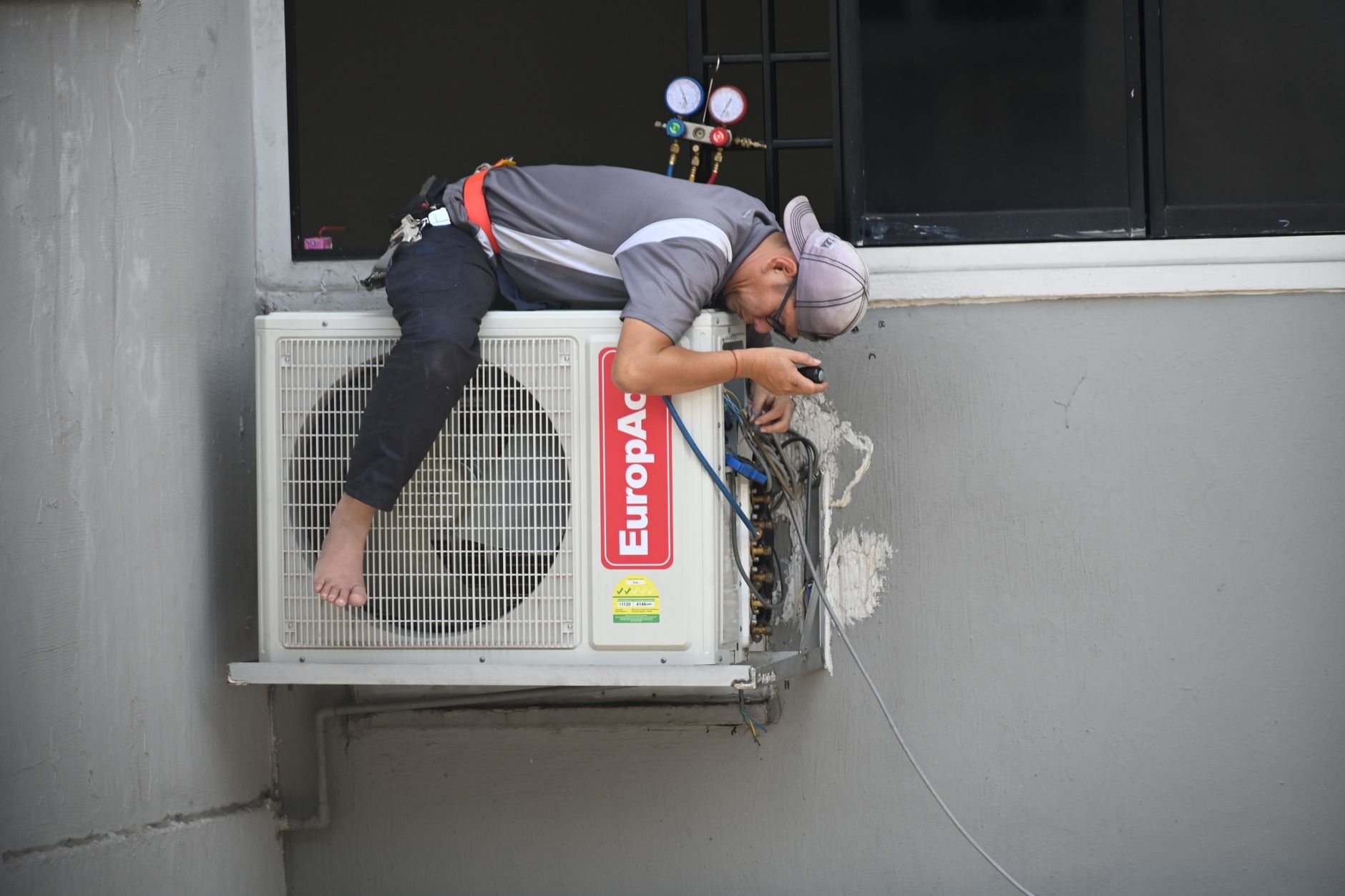
A heat pump moves heat instead of making it — one outdoor unit cools in July and heats in January, through your existing ducts or through ductless mini-split heads in the rooms that need them. Grandview holds the contract and manages licensed HVAC contractors to install cold-climate heat pumps and mini-splits across Utah County and Salt Lake County, permitted and quality-checked under our B100 license.
When a heat pump or mini-split beats the alternatives
A ductless mini-split is the right answer for a space the existing ducts can’t reach well: a bonus room over the garage, a sunroom, a basement apartment, a detached shop. New trunk lines to those rooms often cost more than a dedicated head and do less. A ducted heat pump is the right answer when the furnace and air conditioner are both near end of life and one electric outdoor unit can replace both.
It’s a different scope from its neighbors. Keeping gas with a tired furnace? That’s a furnace replacement. Only the cooling side failed? A straight AC replacement is cheaper than a heat pump changeout. Uneven temperatures with good ducts? A zoning system fixes that without new equipment. Leaky or undersized ducts? Ductwork replacement comes first, because a heat pump pushed through bad ducts never hits its rating.
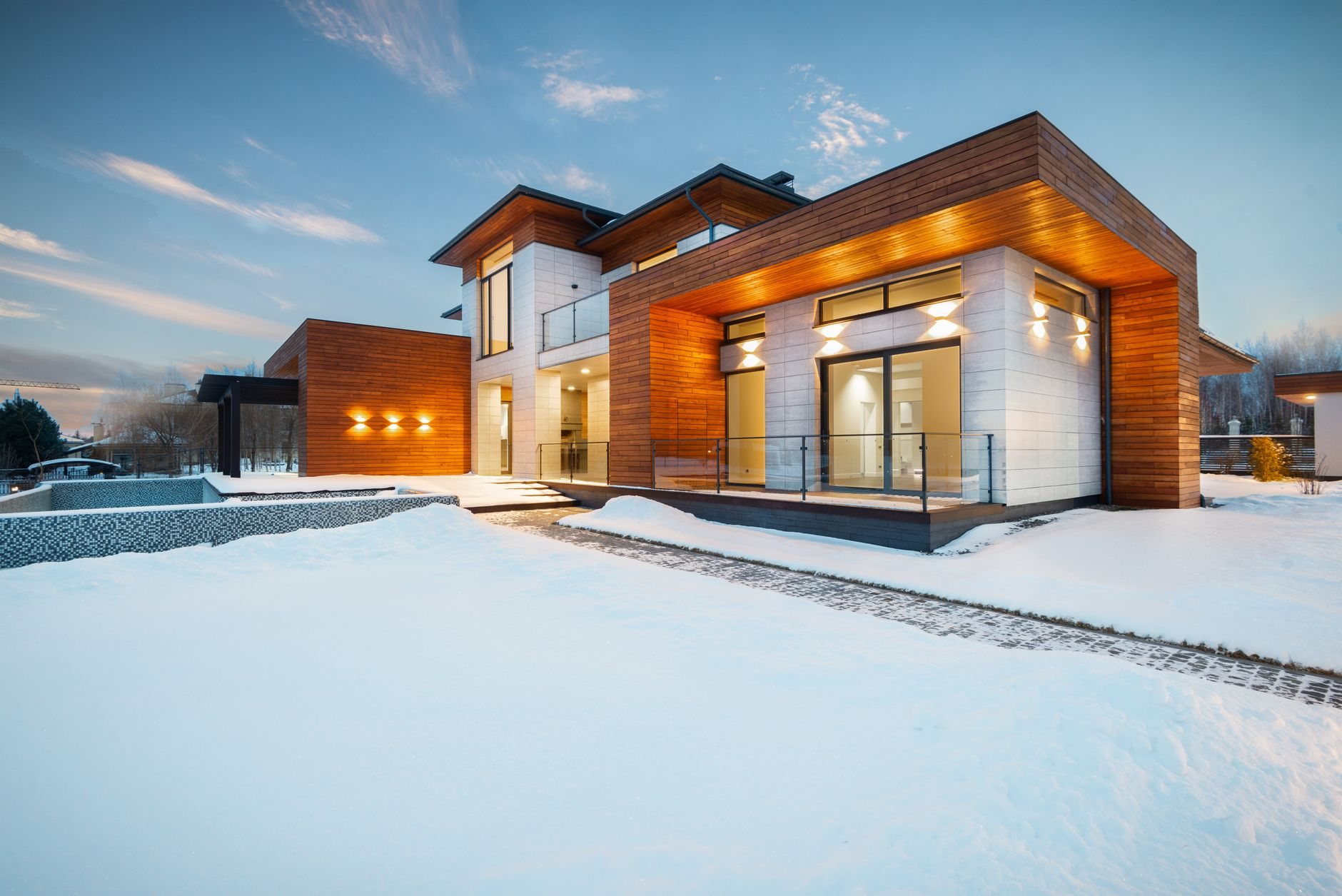
Mini-splits show up most inside our home additions and ADU builds, where the new space gets its own thermostat and circuit. That’s MEP coordination inside a renovation contract: head location, line-set chase, and condensate route drawn before framing, not fished through afterward.
Ducted, ductless, or dual fuel: pick the configuration first
Three configurations cover nearly every install. Ductless mini-split: one outdoor unit feeding one to five wall, ceiling-cassette, or floor-console heads. Ducted heat pump: an outdoor unit and indoor air handler on your existing ducts, replacing furnace and condenser outright. Dual fuel: a heat pump coil on top of a gas furnace, switching to gas below a set outdoor temperature.
The Wasatch Front is a cold-climate market. Valley-floor winter design temperatures sit in the single digits and bench lots run colder, so the unit has to be a variable-speed, cold-climate model with real capacity near 5°F — not a budget heat pump that hands off to electric resistance strips every night. ENERGY STAR’s cold-climate designation is a useful filter because it requires published heating output at 5°F, the number the load calculation is sized against. Elevation matters too: manufacturers derate capacity above roughly 2,000 feet, and Provo sits near 4,500.
Dual fuel is the honest recommendation for many 1970s–90s houses with a sound gas furnace: the heat pump carries most of winter and gas takes the coldest stretches. An all-electric changeout usually adds a 30–50 amp circuit and sometimes an electrical panel upgrade, which we scope on the walk-through rather than discover on install day.
What a heat pump or mini-split installation involves
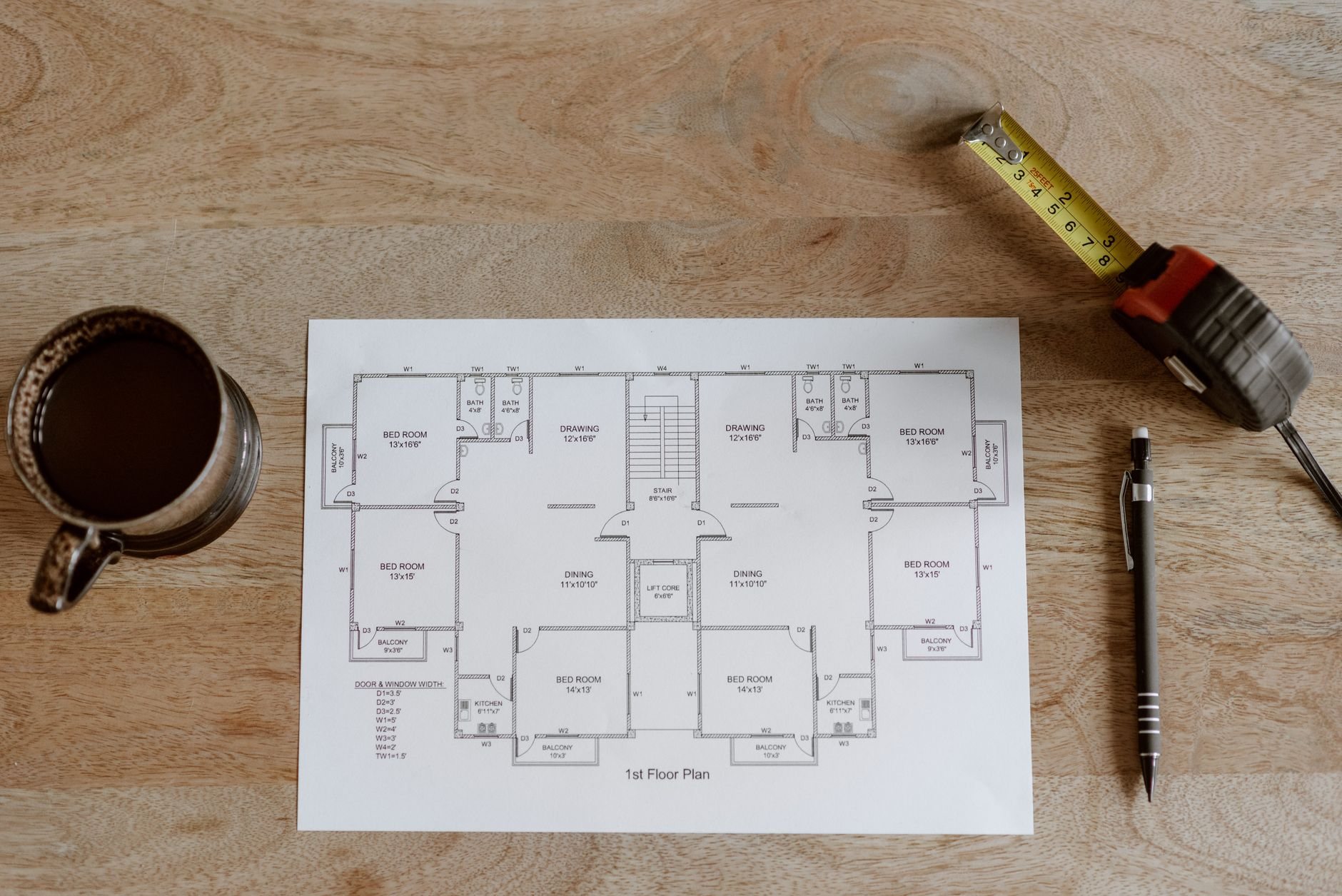
- Room-by-room load calculation. The HVAC contractor runs a Manual J on each space getting a head, not a square-footage rule of thumb. Oversized heads short cycle and never dehumidify properly in August.
- Head and outdoor-unit placement. Wall heads go high on an exterior wall so the line set exits directly; ceiling cassettes need joist-bay clearance checked first. The outdoor unit sits on a bracket or stand well above grade and out of the roof’s snow-shed line, so defrost meltwater and drifts don’t bury the coil.
- Line set, condensate, and electrical rough. Insulated copper line sets run through a wall chase or sealed exterior line-hide, condensate drains by gravity or lift pump, and the electrician lands a dedicated circuit with an outdoor disconnect in sight of the unit.
- Evacuate, charge, and commission. The line set is nitrogen pressure-tested, pulled to a deep vacuum, and charged to the manufacturer’s line-length tables. A skipped vacuum is the usual reason a young mini-split fails, so it’s the step we verify.
- Permit, inspection, and handover. Mechanical and electrical permits run under the project, the inspector sees finished work, and you get the registered warranty and a closed permit.
What does a mini-split or heat pump cost in Utah County?
As ballpark planning numbers, not a quote: a single-zone ductless mini-split typically lands between $4,000 and $8,000 installed; a three-to-five-head multi-zone system runs roughly $12,000 to $25,000; a ducted cold-climate heat pump replacing both furnace and air conditioner commonly falls between $14,000 and $28,000.
What moves the number: head count and type, line-set length and whether it hides in a chase, a new circuit or panel upgrade, and cold-climate versus standard models. Utility rebates change yearly, so we’ll point you to what’s current rather than promise a figure. The U.S. Department of Energy’s heat pump overview is a fair primer on efficiency ratings.
Questions we actually get
Will a heat pump actually keep up in a Utah winter?
A cold-climate model sized to its 5°F rating will, in most Utah County and Salt Lake County homes. The failures people hear about are usually standard units sized by nameplate, or leaky houses. Where the house or panel argues against all-electric, we recommend dual fuel and say so.
Do you install the mini-split yourselves?
No. Utah requires HVAC and electrical work to be performed by licensed specialty contractors. Grandview holds the contract, brings in licensed HVAC and electrical trade partners, and coordinates, sequences, and quality-checks their work inside your project, including the vacuum and charge step. Every license involved is verifiable at dopl.utah.gov.
Does my HOA or city get a say in where the outdoor unit goes?
Often, yes. Many HOAs in newer Lehi, Saratoga Springs, and Eagle Mountain developments restrict visible equipment on street-facing walls; cities enforce setbacks at property lines. We handle the HOA submittal and confirm placement with your city’s building department before the bracket goes up.
What adds cost to a ductless mini-split beyond the equipment?
Long or exposed line sets, a condensate pump where gravity drain isn’t possible, a dedicated circuit from a full panel, and second-story mounting are the usual additions. Inside a remodel or addition most of those shrink, since the chase, drain, and circuit go in while walls are open.
Tell us what you’re working on
We reply within a couple of hours during business hours — a day at most. You’ll get a straight read on scope, sequence, and budget before anyone commits to anything.