
Furnace Installation & Replacement
A furnace replacement swaps the gas furnace in your mechanical room for a correctly sized, correctly vented new unit — and on the Wasatch Front that usually means deciding between an 80% metal-vented furnace and a 95%+ condensing one. Grandview holds the contract and manages licensed HVAC contractors to do the work across Utah County and Salt Lake County, sequenced, permitted, and quality-checked under our B100 general contractor license.
Is a furnace replacement the right scope, or something bigger?
A furnace replacement is the right call when the heat exchanger has cracked, the unit is past fifteen to twenty years, repairs are stacking up, or a remodel puts the old furnace in the way of the new plan. Ducts, coil, thermostat, and gas line stay unless there’s a reason to touch them.
It’s a different scope from its neighbors. Building new or gutting an addition? That’s new-construction HVAC, where duct design starts from the framing plan. If the air conditioner is also at end of life, a combined changeout beats two visits — see AC replacement. If you’d rather stop burning gas, a cold-climate heat pump can replace or back up the furnace. And if the furnace is fine but rooms run hot and cold, the fix is usually the ductwork, not the appliance.
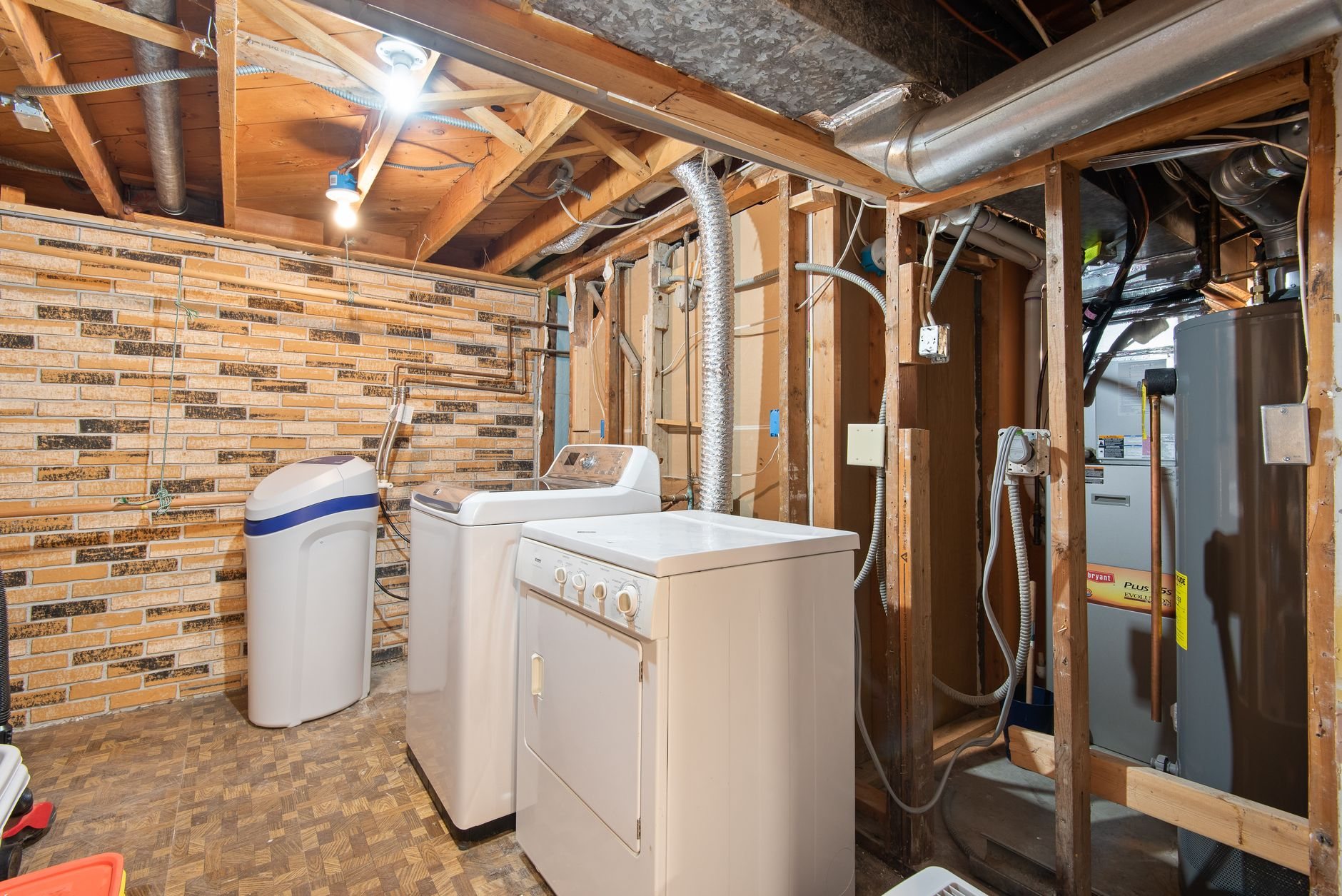
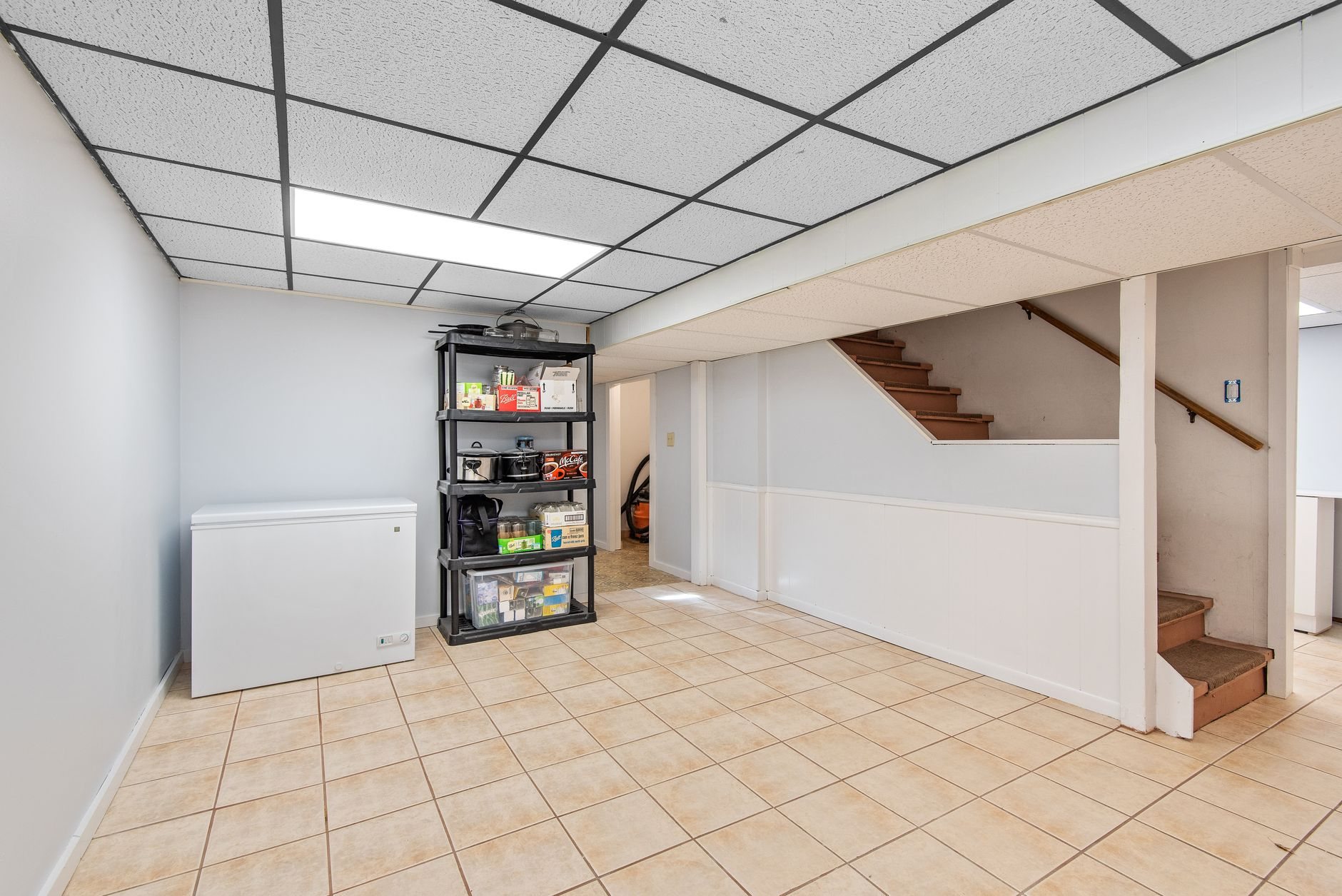
Standalone furnace swaps are welcome. They come up most often inside a basement finish or whole-home remodel, where the furnace has to move, re-vent, or get a closet built around it with code-required combustion-air openings. That’s where MEP coordination earns its keep: furnace, framing, gas line, and drywall happen in the right order under one renovation contract.
80% or 95%+: the venting question decides the rest
Older Utah homes almost always have an 80% AFUE furnace venting hot flue gas up a metal B-vent or masonry chimney. A 95%+ condensing furnace pulls so much heat from the exhaust that it cools to liquid, so it vents through PVC out a sidewall and drains condensate to a floor drain or pump. ENERGY STAR-certified gas furnaces for Utah’s northern climate region are all condensing units, and the fuel savings over a 20-year life are real.
The catch is what the switch does to the rest of the mechanical room. When the furnace leaves the chimney, the water heater vents alone into a flue sized for both; that orphaned flue can over-cool, condense, and corrode, so the honest scope often includes a chimney liner or a water heater changeout. The new PVC intake and exhaust also need a termination above the February snow line and clear of decks, windows, and gas meters — higher than the book minimum on bench lots that drift.
Two Utah facts shape the install. Manufacturers require a high-altitude adjustment above roughly 2,000 feet, and the valley floor sits near 4,500, so gas pressure and orifice settings get set for elevation and verified with a combustion analyzer, not left at factory defaults. And a condensate line routed through an unheated garage or crawl space freezes in January — a routing decision we make on the walk-through.
What a furnace replacement involves
- Load calculation, not a nameplate match. The HVAC contractor runs a Manual J on the house as it is today — new windows, added insulation, a finished basement — instead of copying the old BTU rating. Oversized furnaces short cycle and leave cold spots.
- Staging and blower choice. Single-stage, two-stage, or modulating burner; PSC or variable-speed ECM blower. Variable-speed earns its cost in a two-story home on one thermostat, less so in a small rambler.
- Duct static and coil check. Static pressure gets measured before the unit is chosen; a high-efficiency furnace pushed through undersized returns won’t hit its rating, and the existing evaporator coil has to fit the new cabinet width.
- Gas, electrical, and permit. The plumber confirms the gas line and sediment trap, the electrician handles the dedicated circuit and disconnect, and we pull the mechanical permit. Expect the inspector to look for working carbon monoxide alarms.
- Set, vent, commission. Old unit out, new unit set level with a filter rack sized for a real media filter, venting and condensate run, then startup with a combustion analysis and temperature-rise check. We review the readings with the installer before signing off.
Our license and every trade partner’s are verifiable at dopl.utah.gov. Problems happen. Surprises should not.
What does a furnace replacement cost in Utah County?
As ballpark planning numbers, not a quote: a like-for-like 80% single-stage replacement typically runs about $4,000–$6,500 installed along the Wasatch Front, and a 95%+ two-stage or variable-speed unit about $6,000–$10,000. Converting from chimney venting to sidewall PVC, with condensate handling and often a liner for the water heater, can add $800–$2,500. A real estimate follows the walk-through and load calculation.
What moves the number: size and staging, whether the AC coil is replaced with it, duct corrections for static pressure, a gas-line upsize, a new circuit, and whether the unit relocates inside a remodel. Utility rebates for high-efficiency equipment change year to year; we’ll tell you what’s current at proposal time rather than promise one.
Questions we actually get
Can I keep my 80% furnace and just replace it like-for-like?
Yes, where the existing chimney or B-vent is sound and properly sized, a like-for-like 80% replacement is allowed and is the lowest-cost path. We’ll inspect the flue, confirm combustion-air openings in the furnace closet, and tell you plainly what the efficiency step is worth on your gas bill.
Does replacing a furnace require a permit in Utah?
Yes. A furnace changeout takes a mechanical permit and inspection in Provo, Orem, Lehi, Salt Lake City, and the rest of our service area. We pull it, schedule the inspection, and have the combustion readings ready. An unpermitted swap can surface at resale and void the manufacturer’s warranty.
Why does my old furnace vent change if I go high-efficiency?
Condensing furnaces exhaust cool, wet flue gas that would rot a metal or masonry chimney, so they vent through PVC to a sidewall. The water heater left in the old chimney may then need a liner or its own replacement. We scope that up front so it isn’t a surprise after the furnace is in.
Will a new furnace fix uneven heat upstairs?
Sometimes, if the old unit was badly oversized and short cycling. More often the cause is duct design, a return-air shortage, or one thermostat serving two floors. We measure static pressure first; if the ducts are the problem, zoning or duct correction is the honest recommendation, with or without a new furnace.
Tell us what you’re working on
We reply within a couple of hours during business hours — a day at most. You’ll get a straight read on scope, sequence, and budget before anyone commits to anything.