
AC Installation & Replacement
AC replacement is the removal of a failed or worn central air conditioner and the installation of a matched outdoor condenser and indoor evaporator coil, plus the lines, drain, disconnect, and pad. Grandview holds the contract under its B100 general contractor license and manages licensed HVAC contractors who size, set, charge, and commission the new system across Utah County and Salt Lake County.
When an AC replacement is the right call
This is the page for a building that already has ducts and a working heat source, and whose cooling is the problem: a dead condenser, a compressor that trips its breaker on the first 100-degree afternoon, an R-22 unit no longer worth repairing, or a swamp cooler the owner is done babysitting. The ducts stay. The furnace usually stays. The cooling side is replaced as a matched pair.
If the fit is wider, a sibling page is the better read. A furnace on its last winter is a furnace replacement; when both are tired, replacing them together often pays. A space with no ducts, or an addition the system can’t reach, is usually a heat pump or mini-split. If the equipment is fine but the upstairs never cools, look at ductwork replacement. A blank-slate system belongs under new-construction HVAC, and all of it runs through our MEP coordination and renovation work.
What a central AC replacement involves
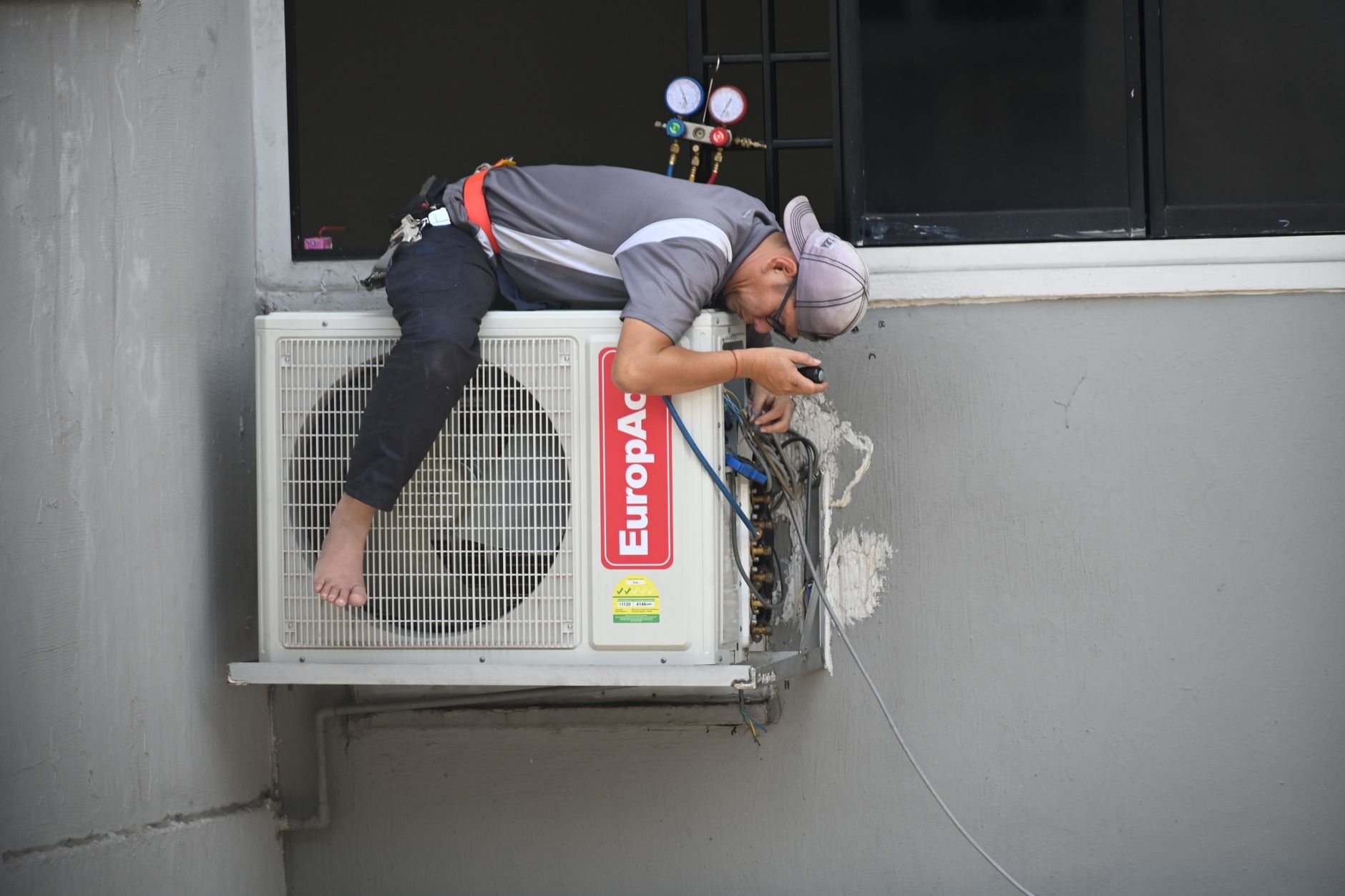
A central air conditioner is two pieces that have to agree with each other. The outdoor unit holds the compressor; the indoor evaporator coil sits in the supply plenum above the furnace, where the blower pushes house air across it. Swapping the outdoor unit and leaving a twenty-year-old coil in the plenum is the most common shortcut in the business, and it quietly costs efficiency, capacity, and often the warranty. The licensed HVAC contractor we manage replaces both as an AHRI-matched pair and documents the match for the permit file.
Refrigerant is the second decision. Systems built since 2025 run on lower-global-warming-potential A2L refrigerants such as R-454B or R-32, under the federal phasedown administered through EPA’s SNAP program. That changes the coil, the line-set evaluation, and the leak-detection hardware. Existing copper lines are flushed and pressure-tested for reuse or replaced, depending on size, condition, and what the old system ran on; an R-22 system almost always gets new lines.
Then the supporting pieces: a level pad outside, a trapped condensate drain with a float switch at the coil, a fused disconnect within sight of the condenser, and a breaker sized to the new nameplate. A variable-speed unit on a full panel can send the job sideways, so we check capacity before equipment is ordered; when the panel is the constraint, it becomes a coordinated panel upgrade under the same contract.
Why Utah AC units are sized differently
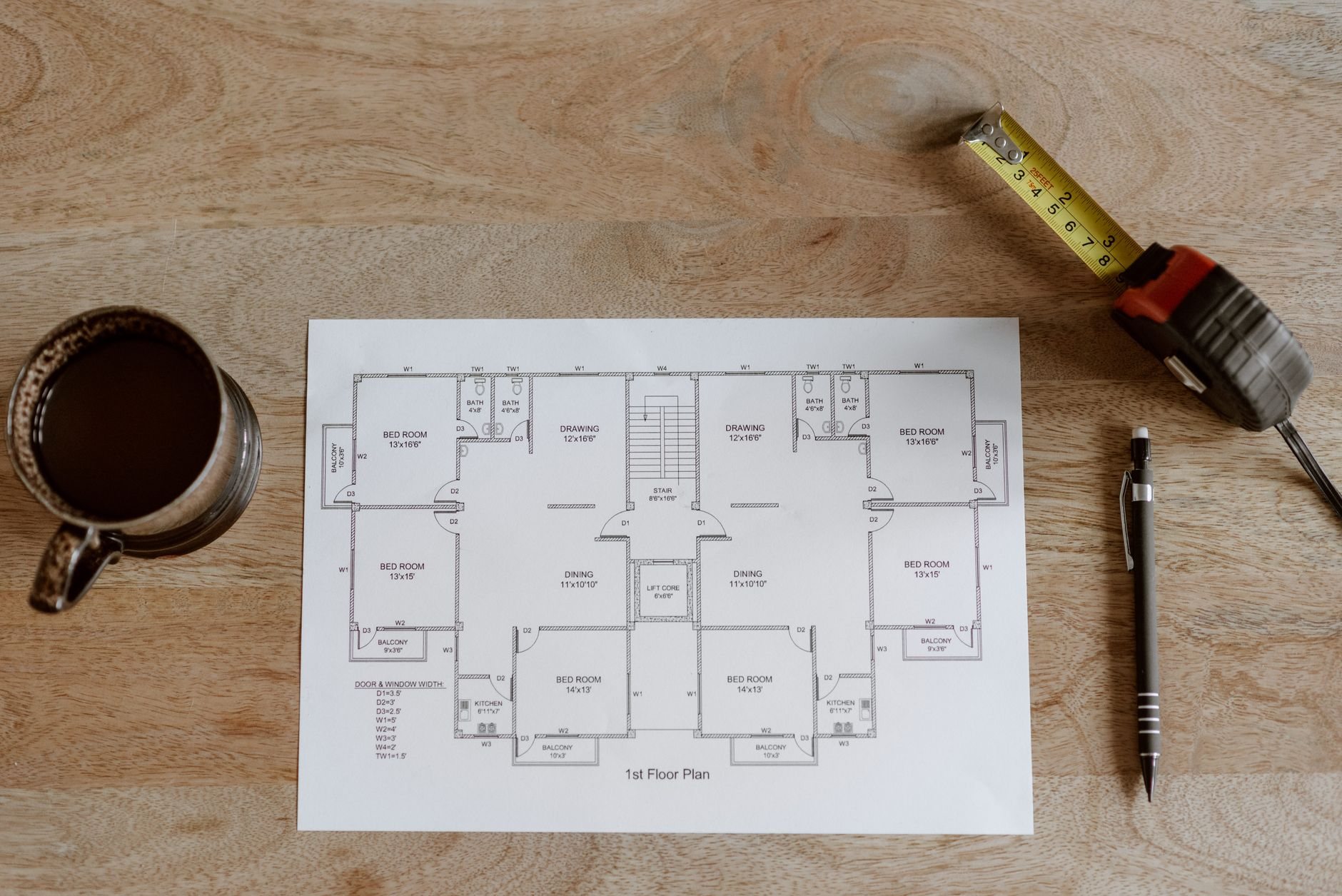
Utah homes cool against a dry heat. With summer humidity often in the teens, nearly all of the cooling load is sensible heat, so a unit sized from a room-by-room Manual J calculation usually lands smaller than the “same tonnage as before” habit suggests. Oversized units short-cycle, wear out compressors early, and never run long enough to even out the house. Our HVAC partners run the calculation against your actual windows, insulation, and orientation; a west-facing wall of glass in Saratoga Springs counts for more than square footage does.
Elevation plays in too. Thinner air at 4,500 feet carries slightly less heat across the coil, so the installer accounts for a modest capacity reduction. Efficiency is rated in SEER2; the federal minimum for Utah’s climate region is 13.4 SEER2 for split systems, and two-stage or variable-speed condensers rate well above it. ENERGY STAR’s heating and cooling guidance is a fair reference for what the higher tiers return.
Replacing an evaporative cooler with central AC
Older homes in Provo, Orem, and Salt Lake City often cool with a rooftop evaporative cooler. Converting one to refrigerated air is a real AC installation with extra steps: the cooler and its water line come off, the roof opening is framed, sheathed, and roofed closed, the cooler’s duct drop is tied into the furnace supply or capped, and the new coil goes into the plenum. The payoff on a wildfire-smoke day is a house that stays closed, dry, and cool.
What does AC replacement cost in Utah County?
As a ballpark planning range, a matched condenser-and-coil replacement on a typical Utah County home with sound ducts and adequate electrical runs roughly $5,000 to $9,000 installed, with two-stage and variable-speed systems reaching $10,000 to $15,000. These are planning numbers, not quotes; an estimate follows a site visit and a load calculation.
What moves the number: equipment tier and SEER2 rating; whether the line set can be reused; a new pad or relocated condenser; a breaker or panel change; a swamp-cooler removal and roof patch; and the mechanical permit most cities in both counties require for a condenser swap. Verify with your city building department; we handle the filing and inspections either way.
Questions we actually get
Can I replace just the outdoor AC unit and keep the old coil?
You can, but it’s rarely the right choice. A mismatched coil cuts the new unit’s rated efficiency, can void the warranty, and with the 2025 refrigerant change the old coil usually isn’t compatible at all. Replacing the matched pair costs more up front and avoids a second visit in two summers.
Does my furnace need to be replaced at the same time?
Not necessarily. If the furnace is under about twelve years old and its blower can move the airflow the new coil needs, it stays. If it’s older, or a variable-speed condenser is going in, pairing it with a new furnace often costs less than two separate jobs, because the coil and labor overlap.
Will a new air conditioner need a bigger electrical panel?
Usually not; most new condensers draw equal or lower amperage than the units they replace. The exception is a home with 100-amp service that has already picked up an EV charger, a hot tub, or an electric range. We run that load check before ordering, so the answer arrives before the equipment does.
Tell us what you’re working on
We reply within a couple of hours during business hours, a day at most. You’ll get a straight read on scope, sequence, and budget before anyone commits to anything.