
Historic Window Restoration
Historic window restoration repairs the original wood sash, frames, and glass in a pre-war building instead of pulling them out: rotted rails and sills are rebuilt, panes are reglazed with linseed putty, cords and weights go back into service, and weatherstripping makes the window seal and glide as built. Grandview Contractors restores original windows across Salt Lake City and Utah County under a Utah DOPL B100 general contractor license.
A hundred-year-old sash is usually worth keeping
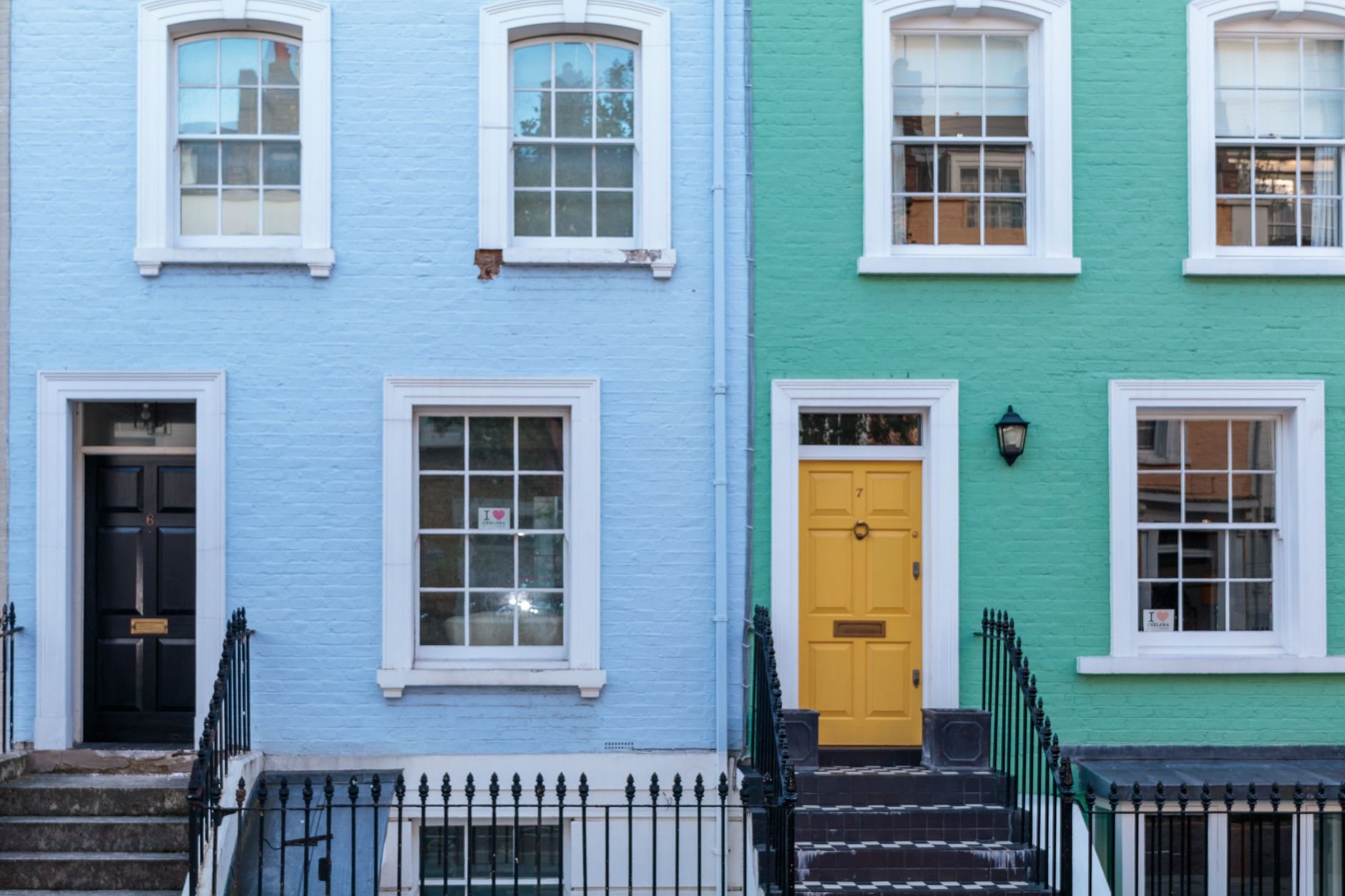
Original windows in Salt Lake City’s pre-1930s housing stock were built from old-growth fir and pine, denser and tighter-grained than modern lumber. That wood has survived a century of Utah winters, and when it fails, it fails locally: a rotted bottom rail, a split sill, a cracked pane, a snapped cord. Each is repairable. A replacement unit throws away the whole assembly to fix the one worn part, and the vinyl insert that follows has a service life measured in decades, not centuries.
Restoration is the right call when the sash and frame are mostly sound, when the building sits in a local historic district where replacing original windows needs preservation review (see our landmark and preservation-compliant work), or when the windows are the character you bought the house for. It often pairs with a whole-house historic restoration or a masonry and facade restoration, since repointing around an opening and rebuilding the sill in it belong in the same week. If the frames are rotted through or the house is simply older rather than historic, our replacement window work is the honest answer, and we’ll say so.
Sash by sash, in the right order
- Survey. Every window gets a condition record: rot probed at the sill, bottom rail, and lower stiles; putty checked; cords, pulleys, and weights tested.
- Remove and strip. Stops and parting beads come out, the sash lifts free, and paint is stripped with infrared heat or steam, never open flame or dry sanding. Pre-1978 buildings get lead-safe setup under the EPA Renovation, Repair and Painting rule.
- Repair the wood. Soft spots get penetrating epoxy; anything worse gets a Dutchman patch or a new rail in matching species, joined with the same mortise-and-tenon the original used.
- Reglaze. Old putty comes out, the rabbet is primed with boiled linseed oil, panes are bedded and pointed, and new linseed-oil compound is tooled and left to skin. Broken lites get salvaged period glass where the wave matters, modern float where it doesn’t.
- Rehang and seal. New cotton cord or chain over cleaned pulleys, weights rebalanced, spring-bronze weatherstripping set into the jambs. Stops go back with a slip fit, not a paint seal.
- Finish. Oil primer on bare wood, two topcoats, meeting rail checked for a clean lock.
We are fond of straight lines and straight answers.
Can a restored wood window keep a Utah house warm?
Yes, with two conditions. First, the weatherstripping has to be real: most of the draft in an old double-hung comes through the gaps around the sash, not the glass, and spring bronze in the jambs plus a sealed meeting rail closes them for good. Second, pair the restored sash with a fitted storm panel. The U.S. Department of Energy reports that low-e storm windows can cut heating and cooling costs by 10 to 30 percent, which puts a restored single-pane window with a good storm in the same conversation as a new double-pane unit; our storm window work sizes panels to irregular historic openings.
Utah adds two wrinkles. At 4,500 feet, UV chews through paint on south- and west-facing sash years before the north side shows wear, so we specify coatings by elevation. And the Wasatch Front’s hundred-odd freeze-thaw days each winter land hardest on the sill and bottom rail, where meltwater sits; a restored sill gets a back-sloped drip edge and a sound paint film because that joint is where the next rot starts.
What moves the cost per window
Restoration is priced window by window, and three things move the number. Lite count: a six-over-six sash has twelve panes to reglaze and twenty-four muntin joints to check, against two panes on a one-over-one. Rot depth: epoxy is quick, a new bottom rail is a bench job, and a new sill means opening the frame in the wall. And quantity: a whole house amortizes the bench setup a single window carries alone. As a ballpark planning number, most individual windows fall between a few hundred and a couple of thousand dollars; new sash or storm panels push toward the top. Restoration also leaves the interior casing and stool untouched on most jobs.
Questions we actually get
Do I need approval to replace original windows in a Salt Lake City historic district?
Usually, yes. Inside a local historic district, replacing original windows on a street-facing elevation is an exterior alteration that needs preservation review before a permit issues, and restoration is often the path reviewers prefer. Rules differ by district, so we confirm with the city’s building department during scoping.
Can you put insulated glass in an original wood sash?
Sometimes. Most pre-war sash rabbets are too shallow for a sealed double-pane unit, and the added weight overloads the original cords and weights. A weatherstripped single-pane sash with a storm panel usually gets the same comfort without altering the profile.
How do you handle lead paint on old windows?
Windows are the highest-friction lead surface in an old house, so we treat every pre-1978 sash as lead-painted until tested. Work follows the EPA Renovation, Repair and Painting rule: contained work areas, wet or heat-based stripping instead of dry sanding, HEPA cleanup, and sash stripped at the bench whenever possible.
How long does restoring one window take?
Plan on a window being out of its opening for a week or two, because glazing compound needs time to skin before paint. We stage the work so only a few openings are open at once, with temporary panels in the gaps, and sequence it with any other restoration work so scaffolding goes up once.
Window restoration sits within our renovation and build-out services; for era-matched profiles and hardware elsewhere in the house, see period-accurate renovation.
Tell us about the windows
We reply within a couple of hours during business hours, a day at most. You’ll get a straight read on which sash can be saved, the review path, and a realistic per-window range before anyone commits to anything.