
Historic Restoration & Adaptive Reuse
Grandview Contractors restores historic homes and repurposes older buildings across Salt Lake City and Utah County under a Utah DOPL B100 general contractor license. We keep the character that made the building worth saving — and quietly bring the structure, systems, and envelope up to today’s standards behind it.
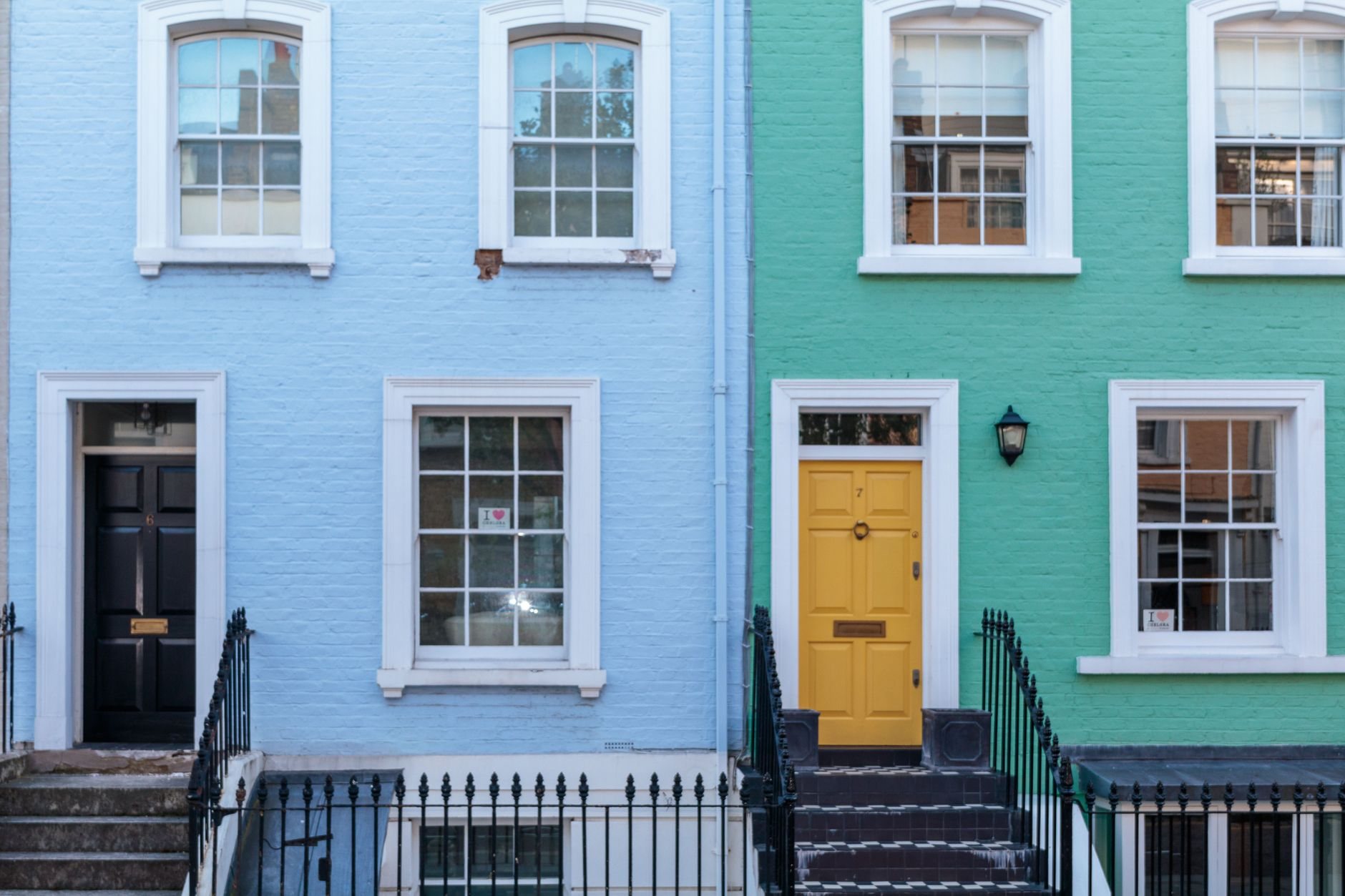
Old buildings are a different job than old-looking remodels
A standard remodel replaces what’s worn out. Restoration decides, room by room and brick by brick, what stays, what gets repaired in kind, and what gets rebuilt to match. That distinction matters most in three situations: a pre-war home in the Avenues, Sugar House, or downtown Provo where the original millwork, masonry, and windows are the value; a building inside a local historic district, where exterior changes need preservation review before a permit is issued; and an older commercial building — a warehouse, a church, a storefront — whose next life looks nothing like its first one.
If that’s your building, this is your category. If the house is simply dated rather than historic, our renovation and build-out services cover the straightforward version, and we’ll tell you honestly which one you need. There’s a structural reason to take the distinction seriously, too: much of Salt Lake City’s pre-1930s housing and commercial stock is unreinforced masonry, and the Wasatch fault runs right past it. The Utah Geological Survey has documented that hazard for decades, which is why anchorage and masonry reinforcement belong in the scope conversation from day one — not as an inspection surprise in month three.
Restoration and reuse services
Six related scopes, one discipline: document what exists, protect what’s worth keeping, and upgrade the rest without erasing the building’s story.
Historic home restoration
Whole-house restoration of pre-war homes — structure, systems, and finishes brought back methodically instead of gutted.
ExplorePeriod-accurate renovation
Updates that match the era — profiles, proportions, and materials researched and reproduced, not approximated.
ExploreAdaptive reuse
Warehouse-to-loft, church-to-venue, and other conversions that give a sound old building a new program.
ExploreMasonry & facade restoration
Repointing, brick repair, and facade stabilization with mortar matched to the original — softer, not stronger.
ExploreHistoric window restoration
Original sash repair, reglazing, and weatherstripping that keeps the glass and improves the performance.
ExploreLandmark & preservation-compliant work
Projects inside historic districts or on designated landmarks, run through the review process correctly the first time.
ExploreDocument first, demolish last
- Understand. We walk the building and document existing conditions — structure, masonry, systems, and the finishes worth protecting — before anyone proposes anything.
- Define. A written scope sorts every element into keep, repair, or replace-to-match, so the budget reflects real decisions instead of allowances.
- Plan. Preservation review, permits, and material sourcing run in parallel. Salvaged brick and custom-run millwork have lead times; we order early, not mid-demo.
- Build. Selective demolition, structural and seismic work, then systems and finishes. Discoveries get a written change order, not a verbal shrug.
- Close. Punch list, documentation, and the maintenance notes an old building deserves.
The plans may change. The standard does not.
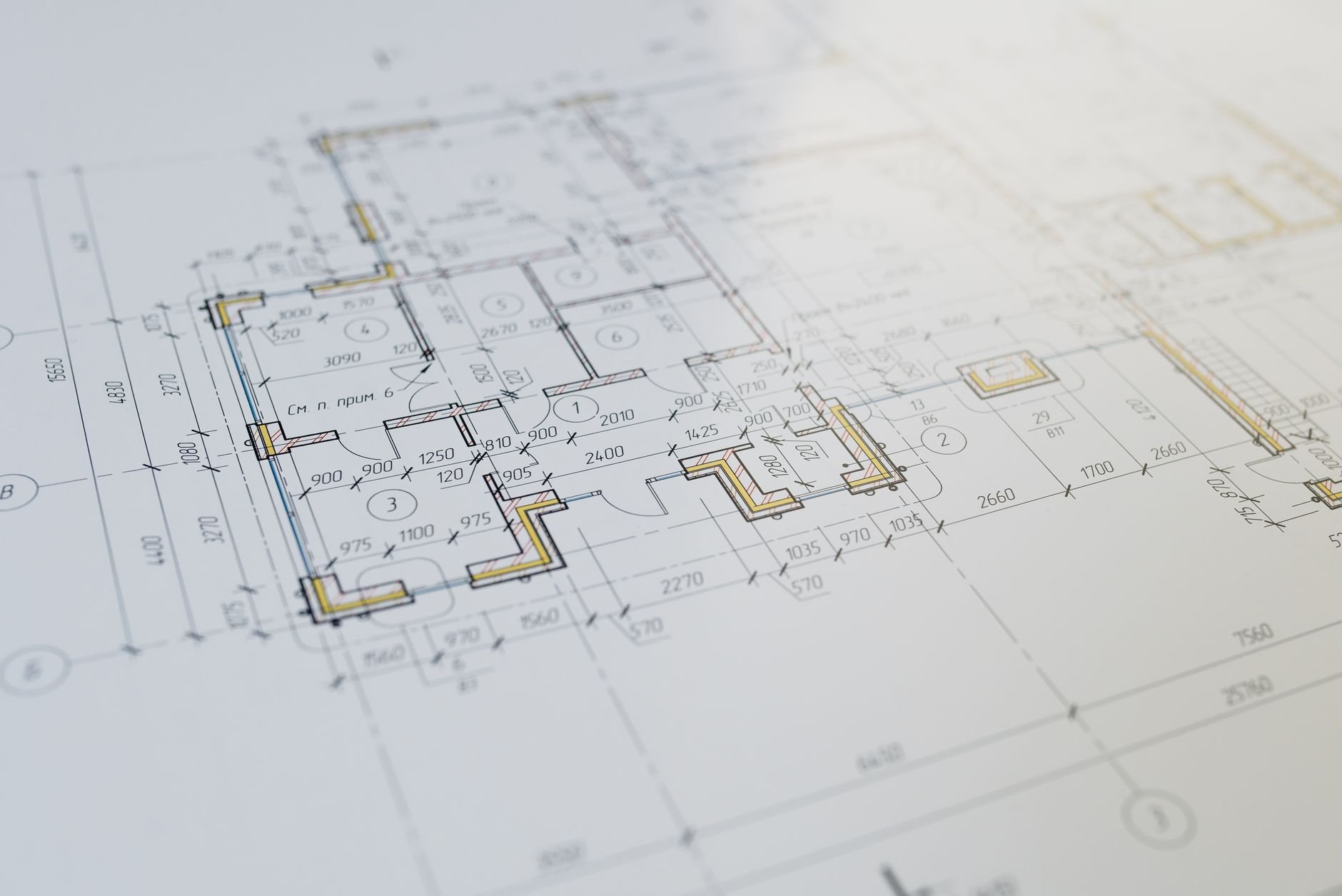
What a century of Utah weather does to a building
The Wasatch Front puts old buildings through roughly a hundred freeze-thaw cycles a year. On historic masonry, that’s the whole ballgame: original lime-based mortars flex with that cycling, while modern portland-heavy mixes are harder than the century-old brick around them. Repoint with the wrong mortar and the brick itself starts spalling within a few winters. We match mortar composition to the original — it’s slower and it’s correct, and it’s the kind of judgment call that separates masonry work on old buildings from masonry work on new ones.
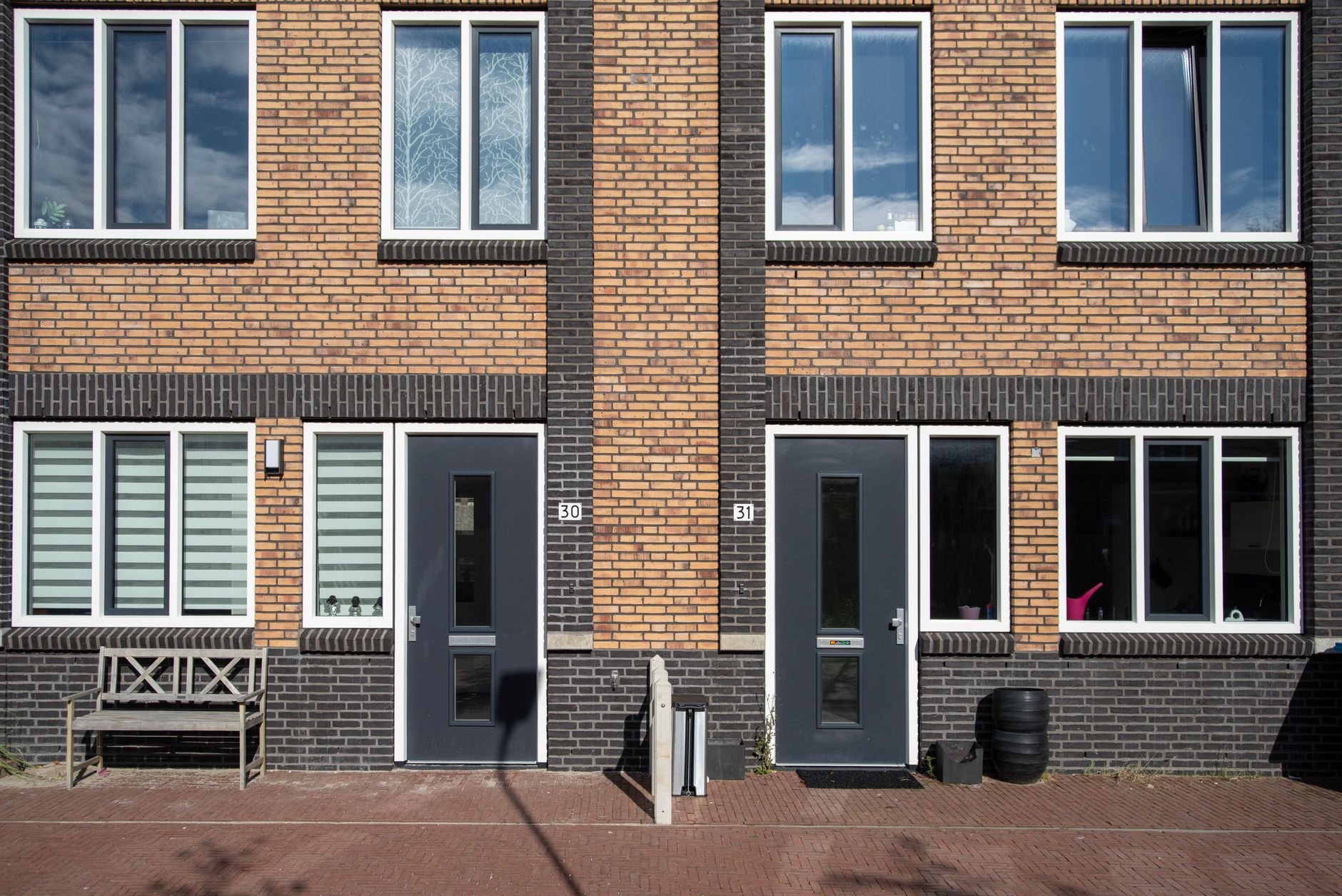
Elevation is the other quiet aggressor. At 4,500 feet, UV exposure weathers exterior paint and exposed wood noticeably faster than at sea level, which is why original wood windows and trim out here need honest prep and the right coatings, not just a fresh color. And behind the walls, buildings of this age almost always carry knob-and-tube wiring or galvanized plumbing. Grandview holds the contract and manages the licensed electricians and plumbers who replace those systems; we sequence and quality-check their work so the rewire happens while the walls are open, once, in the right order.
Permitting is the part owners underestimate. Salt Lake City and Provo run mature, predictable building-department processes, but work in a local historic district adds a preservation-review step before the permit — and the rules differ by district, so we confirm specifics with your city’s building department during scoping. Our B100 license is verifiable at dopl.utah.gov, which is a reasonable first question to ask anyone proposing to open up a hundred-year-old wall.
What moves the cost of restoration work
Three drivers dominate. First, unknowns: plaster hides a century of amateur repairs, and the honest way to price that is exploratory openings during scoping plus a defined contingency — we’d rather show you the risk up front than discover it on your invoice. Second, matching: reproduction millwork, salvaged brick, and true divided-light sash cost more than their catalog equivalents, so the keep-repair-replace decision on each element is a budget decision, not just a taste decision. Third, structure: seismic anchorage and masonry reinforcement on unreinforced buildings is real money and real value, and it prices very differently by building. At consultation you get a ballpark planning range; a firm estimate follows once the scope is defined element by element. Restoration scopes that grow into full conversions overlap with our commercial renovation work, and we’ll tell you when you’ve crossed that line.
Questions we actually get
Do I need special approval to renovate a historic home in Salt Lake City?
If the home sits in a local historic district or is a designated landmark, exterior changes need preservation review before a building permit is issued. Interior-only work usually doesn’t trigger review. District rules vary, so we confirm the specifics with your city’s building department during scoping — before we promise a start date.
What makes historic restoration cost more than a normal remodel?
Unknowns behind old plaster, materials matched to the original rather than pulled from a catalog, and structural upgrades like seismic anchorage on unreinforced masonry. We manage all three with exploratory openings during scoping, element-by-element keep-or-replace decisions, and a written contingency — so the estimate reflects the building, not wishful thinking.
Can an old house meet modern code without losing its character?
Yes, and that’s most of the craft. Current Utah-adopted code applies to the work you touch, not retroactively to the whole house. Insulation, wiring, plumbing, and seismic strengthening can all go in behind original finishes when the sequence is planned properly — which is why we document and plan before any demolition starts.
Is adaptive reuse cheaper than building new?
Sometimes — it depends on the structure you’re starting with. A sound masonry or heavy-timber shell can save serious envelope and structural money; a building needing full seismic retrofit and all-new systems may not pencil. We’ll run the reuse numbers against a ground-up comparison honestly and show you both.
Tell us about the building
We reply within a couple of hours during business hours — a day at most. You’ll get a straight read on the building’s condition, the approval path, and a realistic budget range before anyone commits to anything.