
Period-Accurate Renovations
A period-accurate renovation changes an older home — a new kitchen, a reworked bath, an addition, a feature that a previous owner stripped out — and makes the new work match the era’s profiles, proportions, and materials instead of approximating them. Grandview Contractors plans and builds that work across Salt Lake City and Utah County under a Utah DOPL B100 general contractor license.
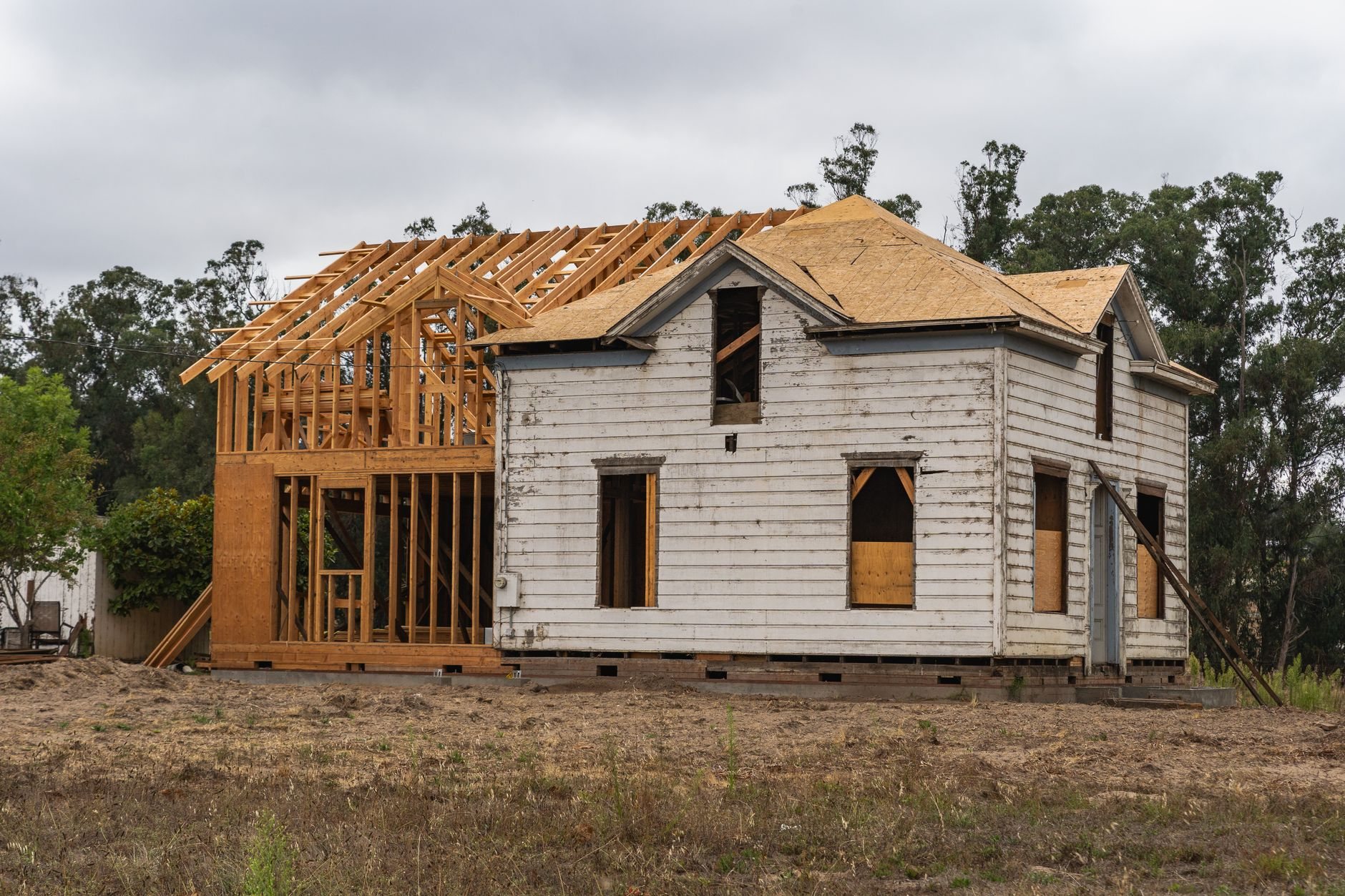
Restoration repairs what’s there. Period-accurate work adds what isn’t.
The distinction decides how the job is priced. Historic home restoration keeps original fabric and repairs it in kind. Period-accurate renovation is for the parts that have to be new: the 1990s kitchen in a 1915 bungalow, the bathroom somebody tiled in 4×4 almond in 1986, the rear addition that should read as if it was always there, or the picture rail a flipper pulled out two owners ago.
It’s the right scope when the house still has enough original detail to set the standard. If the exterior sits in a local historic district, the preservation-review step runs alongside design. Our historic restoration category covers all of it, and the broader renovation family covers houses that are dated rather than historic; this page covers the matching.
Matching an era is a measuring job before it’s a building job
Every period-accurate project starts with a survey of what the house already says about itself: a casing profile, a baseboard section, and a door-panel layout pulled from the best-preserved room, plus ceiling heights, picture-rail heights, reveal widths, and the hardware on original doors. That survey becomes the spec for everything new.
Millwork and doors
Catalog casing doesn’t match a 1920s Sugar House bungalow or an 1890s Avenues Victorian. We have custom knives ground to the original profile and reproduction trim and millwork run to match — back-band casings, 8-inch base with cap, plinth and corner blocks, plate rails. Doors are specified by era: five-panel fir for a Craftsman, two-panel for a 1930s period cottage, hung on mortise locksets with the correct backset rather than a modern tubular bore.
Floors, walls, and tile
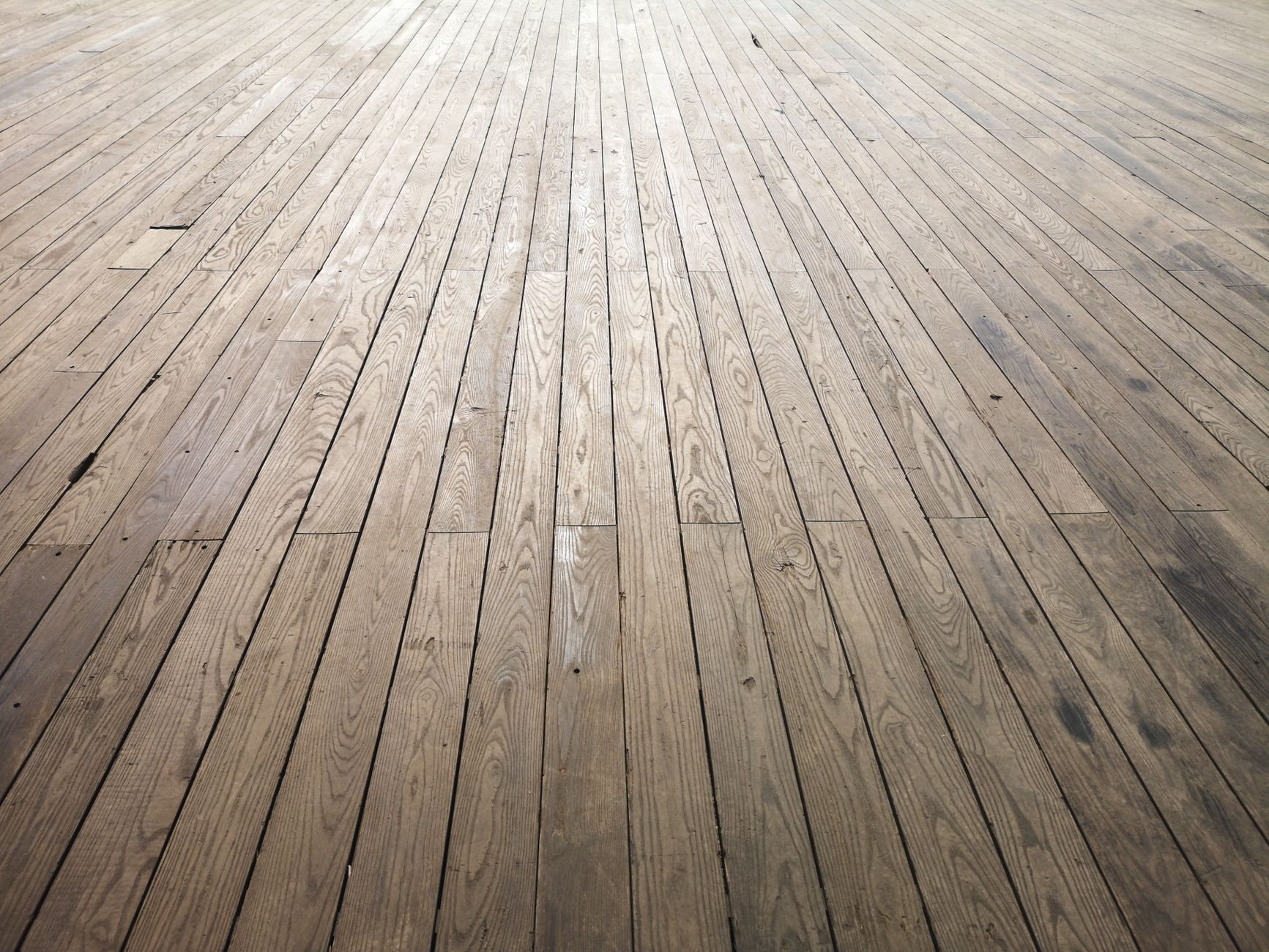
New flooring is laced into the existing field — boards woven in, not butted against a threshold — in the same species and width, most often 2¼-inch red oak strip, then the whole floor is sanded and finished together so the patch disappears. Walls get veneer plaster over blueboard rather than taped drywall, so they read flat and hard the way three-coat plaster does. Period baths get hex mosaic floors, 3×6 field tile with cove base and bullnose cap, and a pedestal lavatory; kitchens get inset cabinet doors on exposed hinges, the detail that most separates a convincing period kitchen from a modern one wearing shaker fronts.
Windows and additions
Original sash are repaired through our historic window restoration work; new openings get true divided-light wood sash matched to the existing muntin width and lite pattern. On additions, the match lives in roof pitch, eave depth, rafter-tail profile, siding exposure, and window head heights. Get the eave wrong and nothing else saves it.
Modern performance, hidden on purpose
Period-accurate is about what you see; what you don’t see is current. Opened walls get insulation and air sealing before the plaster goes back — the Department of Energy’s weatherization guidance explains why that matters through a Wasatch Front winter. Grandview holds the contract and manages the licensed electricians and plumbers who replace knob-and-tube and galvanized lines while cavities are open; we sequence and quality-check their work so the rewire happens once, before reproduction casing goes up.
- Survey. Profiles, heights, hardware, and species documented from the best-preserved originals.
- Spec. A written matching standard for every new element, samples approved before anything is milled.
- Source. Custom knives, reproduction hardware, and tile have real lead times. We order at contract, not at demo.
- Build. Systems and insulation, then plaster, then millwork, then floor finishing — the order that protects the finish work.
- Finish. Exterior wood gets full prep and a proper coating system; at 4,500 feet, UV punishes shortcuts on paint faster than owners expect.
Good work should not require detective work.
What moves the cost of period-accurate work
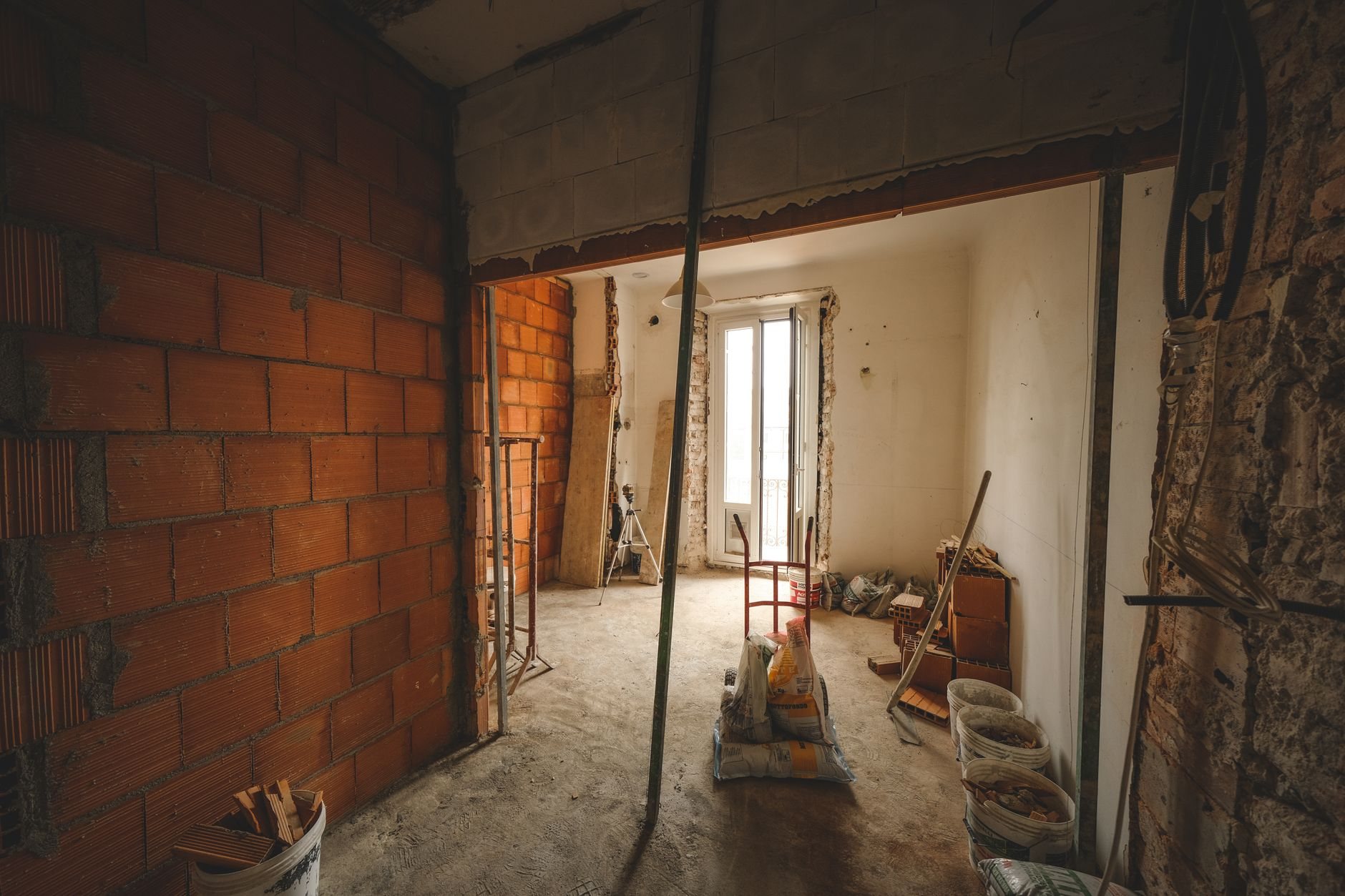
Matching costs more than approximating, and the honest version is specific. Custom knife grinding is a setup cost per profile — a few hundred dollars each is a reasonable ballpark — paid once for 40 feet of casing or 400, so small rooms carry it hardest. Reproduction mortise hardware, true divided-light sash, and veneer plaster each run well above catalog equivalents; as a ballpark planning assumption, period-matched finish packages often land a quarter to a half above a conventional remodel on the affected items. Then there’s the house: opening a century-old wall in the Avenues often turns up unreinforced masonry or an undersized header, and seismic anchorage or masonry repair joins the scope. We price that with exploratory openings and a written contingency. Consultation gets you a budget range; a firm estimate follows once the matching spec is approved. Our B100 license is verifiable at dopl.utah.gov.
Questions we actually get
Can a period-accurate kitchen have modern appliances?
Yes, and nearly all of them do. Panel-ready refrigerators and dishwashers disappear behind inset doors, a range sits in an alcove with a tiled surround, and the microwave goes in a pantry. The period lives in the cabinet construction, counters, tile, and lighting.
How do you match trim that was removed decades ago?
We look for survivors: closets, attic stairwells, and the backs of built-ins usually keep an original section. If nothing survives, we match a documented profile from the same era and neighborhood, which Salt Lake City and Provo have in quantity, and confirm it with you before knives are ground.
Does my house need to be in a historic district for this?
No. Most period-accurate work is interior and driven by the owner’s standards, not a review board. If the exterior does sit in a local historic district, street-visible changes need preservation review before a permit, and we fold that step into design so it doesn’t stall the schedule.
What’s the biggest schedule risk on this kind of project?
Lead times on matched materials. Custom-run millwork, reproduction hardware, and true divided-light sash can take weeks to months, and discoveries behind old plaster add scope mid-stream. We order long-lead items at contract and open exploratory sections during scoping, which removes most surprises before demolition.
Tell us what the house is asking for
We reply within a couple of hours during business hours — a day at most. You’ll get a straight read on what can be matched, what it takes, and a realistic budget range before anyone commits.