
Wide-Plank & Exotic Hardwood Flooring in Utah County
Wide-plank hardwood flooring means boards 5 inches and wider, often 7 to 10 inches in long lengths; exotic flooring means dense imported species like Brazilian cherry, cumaru, and ipe that behave nothing like oak. Grandview Contractors installs both across Utah County and Salt Lake County under a Utah DOPL B100 general contractor license, with the longer acclimation, tighter fastening, and glue-assist these floors need to stay flat through a Wasatch Front winter.
When wide plank or an exotic species is the right call
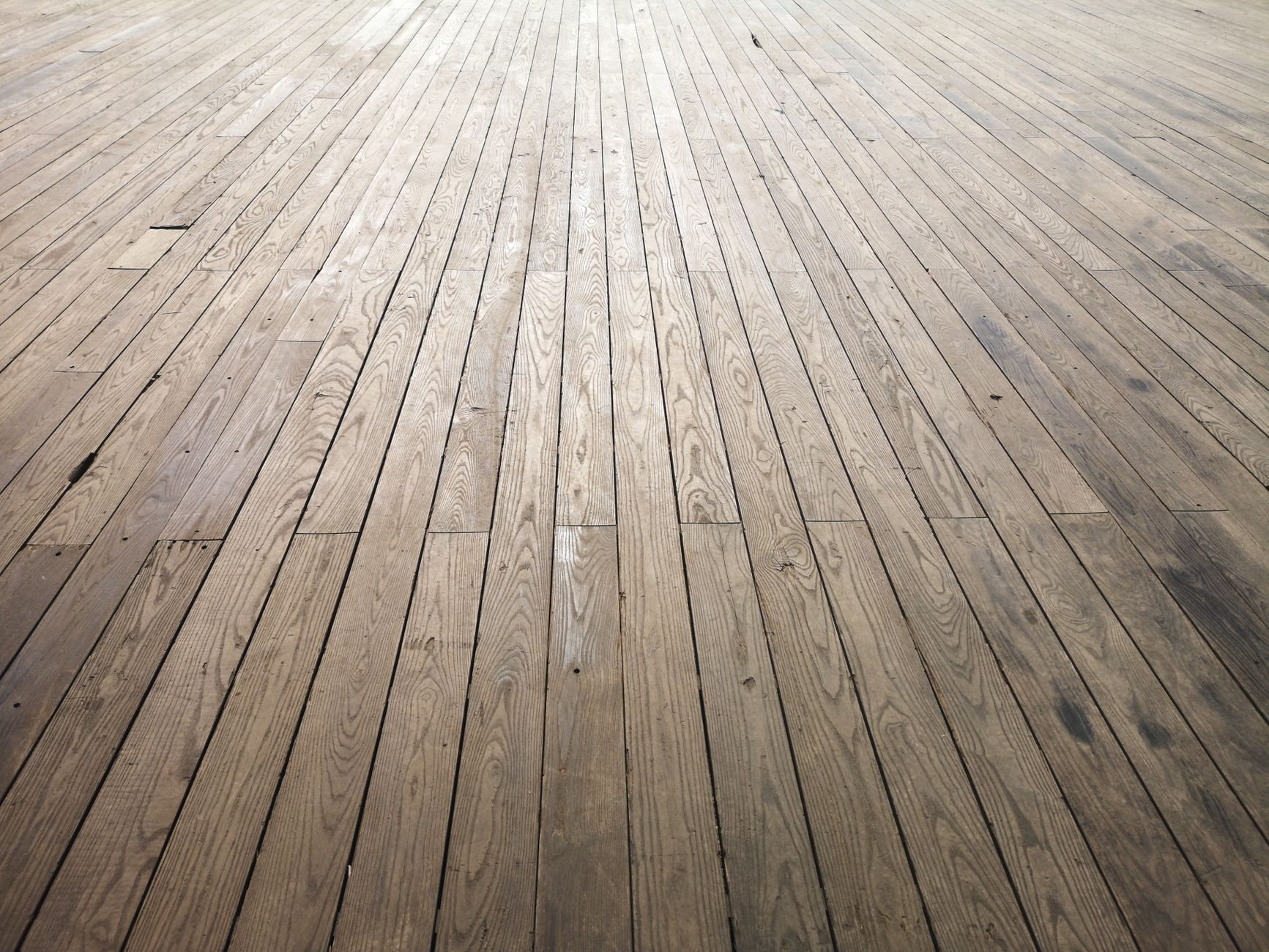
Wide plank earns its premium in open rooms with long sightlines: a great room, or a main floor where kitchen, dining, and living run together. In a 10-by-11 bedroom a 9-inch board looks oversized, and standard solid hardwood in a 3- to 4-inch width is the better buy. For drama in a small or formal room, a pattern floor does it with less movement risk (see herringbone, chevron, and parquet), and a border from our inlays and medallions page gives a wide-plank room a focal point.
Width is also a construction decision, settled before demolition in any larger renovation. A board moves in proportion to its width: a 7-inch plainsawn plank opens and closes roughly three times as much as a 2 1/4-inch strip through the year. Past about 7 inches we steer most Utah homes toward engineered wide plank with a thick wear layer, and that’s the only option over a slab, in a basement, or on radiant heat.
Exotics are a separate question. Choose them for hardness and color (Brazilian cherry, cumaru, and ipe test two to three times harder than red oak on the Janka scale) and accept that they’re harder to install, finish, and match later. Wide-plank white oak or walnut is the easier long-term relationship.
What wide boards actually demand
- Specify the cut, the lengths, and the finish. Rift and quartersawn boards move about half as much across their width as plainsawn, so we push for them on anything over 7 inches. We write a length spec into the order, because wide boards in short lengths look like patchwork, and settle prefinished vs site-finished before material ships.
- Acclimate longer, and measure it. Winter indoor humidity along the Wasatch Front routinely drops near 20 percent, and a wide board from a humid mill has farther to shrink. Material is stacked and stickered in the rooms it will live in, HVAC running, and pin-metered until it settles toward the low end of the 6 to 9 percent range Utah interiors hold.
- Flatten the subfloor harder than usual. A wide board bridges a low spot instead of following it: a hollow sound underfoot, then a squeak. We hold 3/16 inch in 10 feet as the ceiling; see subfloor prep and leveling.
- Nail and glue. Solid wide plank gets cleats every 4 to 6 inches, tighter than the 6-to-8 schedule for strip, plus a glue-assist bead of urethane adhesive under each board so the center of a 9-inch plank can’t lift. Boards 10 inches and wider are traditionally face-screwed and plugged at the ends.
- Mill the edges early. Stair nosings, reducers, and vent covers rarely come stocked in 8- or 10-inch widths, so we have them milled from the flooring stock up front.
Problems happen. Surprises should not.
Fastening schedules and moisture targets follow National Wood Flooring Association guidelines, which is what a manufacturer warranty cites.
Exotic species: hard, oily, and photosensitive
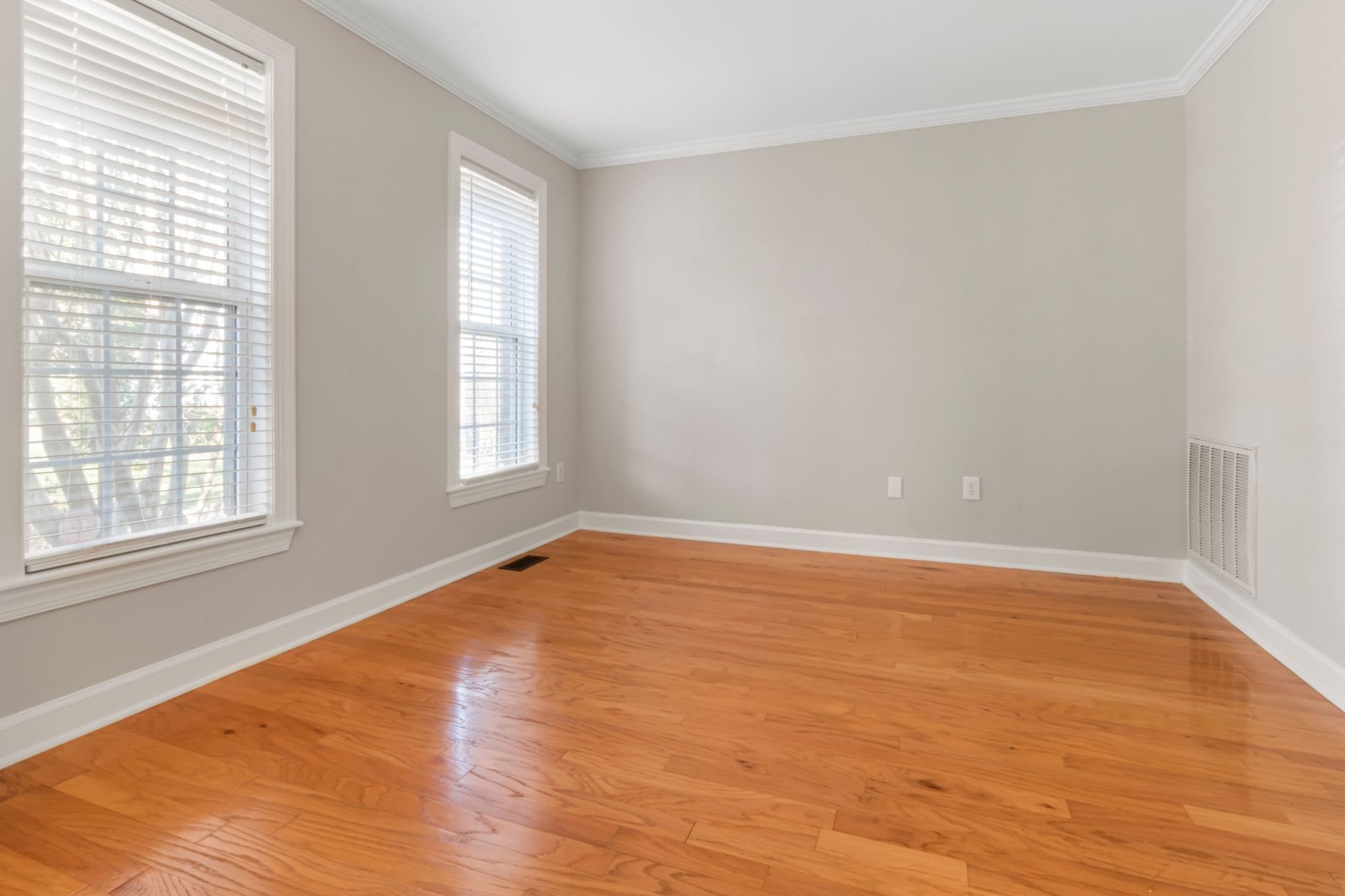
Density is the first surprise. Ipe and cumaru are hard enough that cleats drive poorly and blades dull fast, so we pre-drill where needed. The second is oil. Teak, ipe, cumaru, and some acacia repel ordinary adhesives and water-based finishes; the board needs a solvent wipe before gluing, an adhesive rated for oily species, and a finish tested on it. Skip one and the finish peels in sheets.
The third is light. Brazilian cherry darkens from salmon to deep red within months, and at 4,500 feet Utah’s UV does it faster than a showroom sample suggests. A rug laid down in week one leaves a pale ghost, so we tell clients to leave the floor bare for the first several months. We specify material with documented legal origin and keep the chain-of-custody paperwork in the project file, under one B100 license you can verify at dopl.utah.gov.
What does wide-plank hardwood flooring cost in Utah?
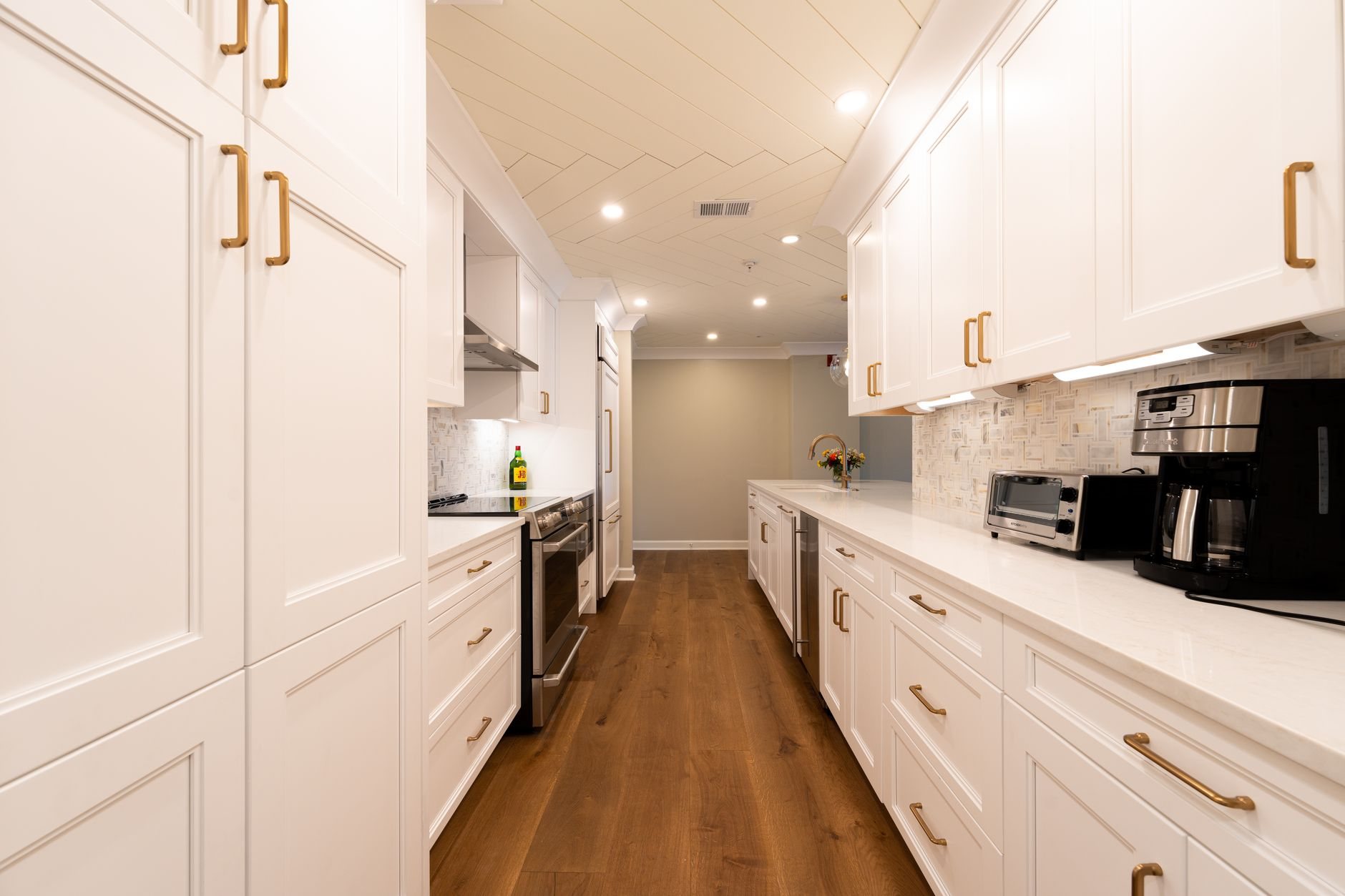
As ballpark planning numbers, not quotes: wide-plank white oak or walnut installed in Utah County commonly lands between roughly $12 and $20 per square foot, and exotic species or extra-wide, extra-long material can push past $25, against $8 to $15 for standard-width hardwood on our flooring services page. Wide, long, rift-sawn boards come from fewer logs, and the labor is slower.
What moves the number: width and length spec; plainsawn versus rift or quartersawn; glue-assist adhesive; a 10 to 15 percent waste factor instead of the usual 5 to 10, since a wide board with a defect can’t be trimmed around; pre-drilling on dense exotics; custom-milled stair parts; and site-finishing on oily species. Lead time is the other cost: long-length wide plank and legally sourced exotics often ship in weeks, so we order before demolition.
Questions we actually get
Will wide-plank floors gap in a Utah winter?
Some seasonal gapping is normal and grows with width: a hairline on a 3-inch strip can be a credit-card gap on a 9-inch plainsawn plank in January. Rift or quartersawn stock, real acclimation, a whole-house humidifier, and engineered construction over 7 inches each cut it. Gaps that don’t close by summer mean the floor went in too wet.
Can I put wide plank over radiant heat or a basement slab?
Engineered wide plank, yes, with a vapor barrier over the slab and the surface-temperature limit the manufacturer sets. Solid wide plank, no; the width amplifies every humidity swing, and a slab can’t be nailed into. We test slab moisture before anything gets glued down, because glue-down floors fail from below.
What drives the price beyond the species itself?
Width and length spec first: 8-inch boards with a 7-foot average length cost far more per square foot than 5-inch boards in random lengths of the same species. Then the cut, glue-assist, waste factor, custom stair nosings, and site-finishing on oily species. Subfloor flattening is the wildcard, so we assess it before we price it.
Can an exotic floor be refinished later like oak?
Usually, but not identically. Dense species sand slowly, oily ones need a solvent wipe and a compatible finish before recoating, and stain rarely takes well, so color changes are mostly off the table. Our sanding and refinishing page covers the rest.
Tell us what you’re working on
We reply within a couple of hours during business hours — a day at most. You’ll get a straight read on scope, sequence, and budget before anyone commits to anything.