
Solid Hardwood Flooring Installation in Utah County
Solid hardwood is a single piece of wood, usually 3/4″ thick, nailed to a wood subfloor and refinishable several times over a lifespan measured in decades. Grandview Contractors installs it across Utah County and Salt Lake County under a Utah DOPL B100 general contractor license — acclimated to your house, fastened to spec, with the expansion room our dry winters demand.
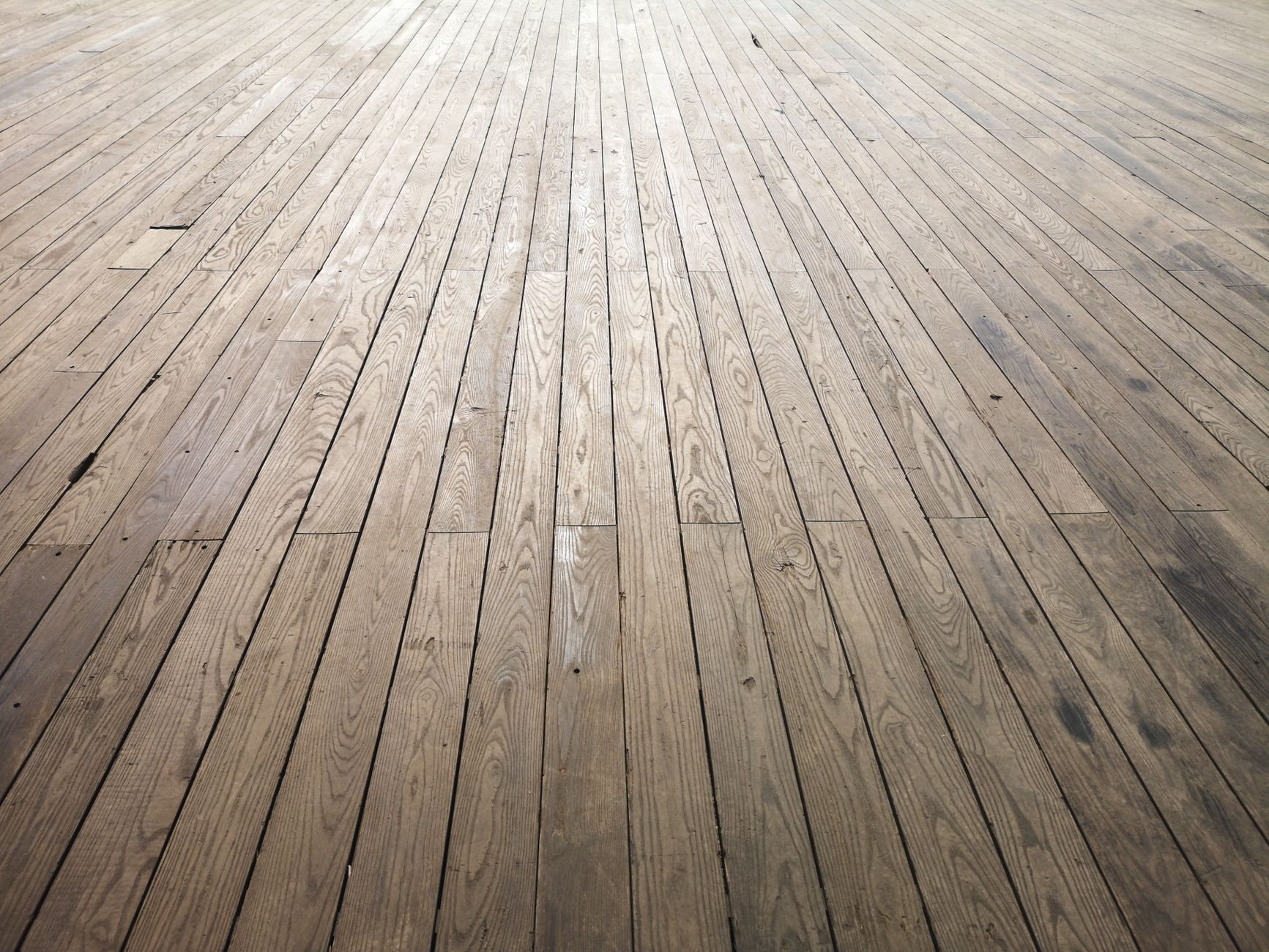
When solid hardwood is the right floor — and when it isn’t
Solid hardwood belongs on the main and upper floors of a house with a plywood or OSB subfloor over wood joists. It’s the right call when you plan to stay a while and want a floor that can be sanded back to bare wood four or five times. Strip (2 1/4″) and narrow plank (3″ to 4″) are the sweet spot for stability; boards 5″ and wider are covered on our wide-plank and exotic hardwood page.
It is the wrong call over a concrete slab, in a basement, or in most rooms with radiant heat. Solid boards move with humidity, and a slab can’t be nailed into; engineered hardwood is the product for those rooms. And if you already have solid hardwood under carpet or worn finish, sanding and refinishing it is usually a fraction of the cost of a new floor.
What a solid hardwood install actually involves
Species first: red oak, white oak, maple, and hickory cover most Utah County installs, in grades from clear (uniform, few knots) down to #2 common (character and lower price). Then finish type — factory-finished boards with micro-beveled edges, or unfinished boards sanded and coated on site; we walk through that trade-off on our prefinished vs site-finished page.
- Check the subfloor. Solid hardwood needs 3/4″ plywood or 23/32″ OSB, screwed tight to joists so it doesn’t squeak later, and flat to within 3/16″ over 10 feet. Older Provo, Orem, and Salt Lake homes often have diagonal 1x plank subfloors; those get a plywood overlay first. We pin-meter the subfloor and the flooring and want them within about 2 to 4 percentage points of each other.
- Acclimate. Boards sit in the rooms they’ll live in, bundles opened, HVAC running at normal settings. Winter indoor humidity along the Wasatch Front often falls to 20 percent or lower, so wood from a humid warehouse will shrink after install if it’s laid too soon. We measure, not count days.
- Lay out. Boards run perpendicular to the joists and parallel to the room’s longest sightline, with the first row snapped from the straightest wall, not the nearest one. We rack from several bundles at once so color and length blend, and keep end joints staggered at least 6 inches.
- Fasten. A layer of 15-lb felt or rosin paper, then 2″ cleats or staples through the tongue every 6 to 8 inches and within 2 inches of every board end. First and last rows are face-nailed and filled. A 3/4″ expansion gap runs the full perimeter, hidden under baseboard and shoe.
- Finish and protect. Prefinished floors get transitions, vents, and stair nosings fitted the same day. Site-finished floors are sanded, stained if wanted, and sealed, then stay off-limits while the finish cures. Either way, we sequence baseboard, trim, and painting so nobody scratches a floor that was perfect an hour ago.
We are fond of straight lines and straight answers.
We install to the National Wood Flooring Association guidelines, the standard most manufacturer warranties point to.
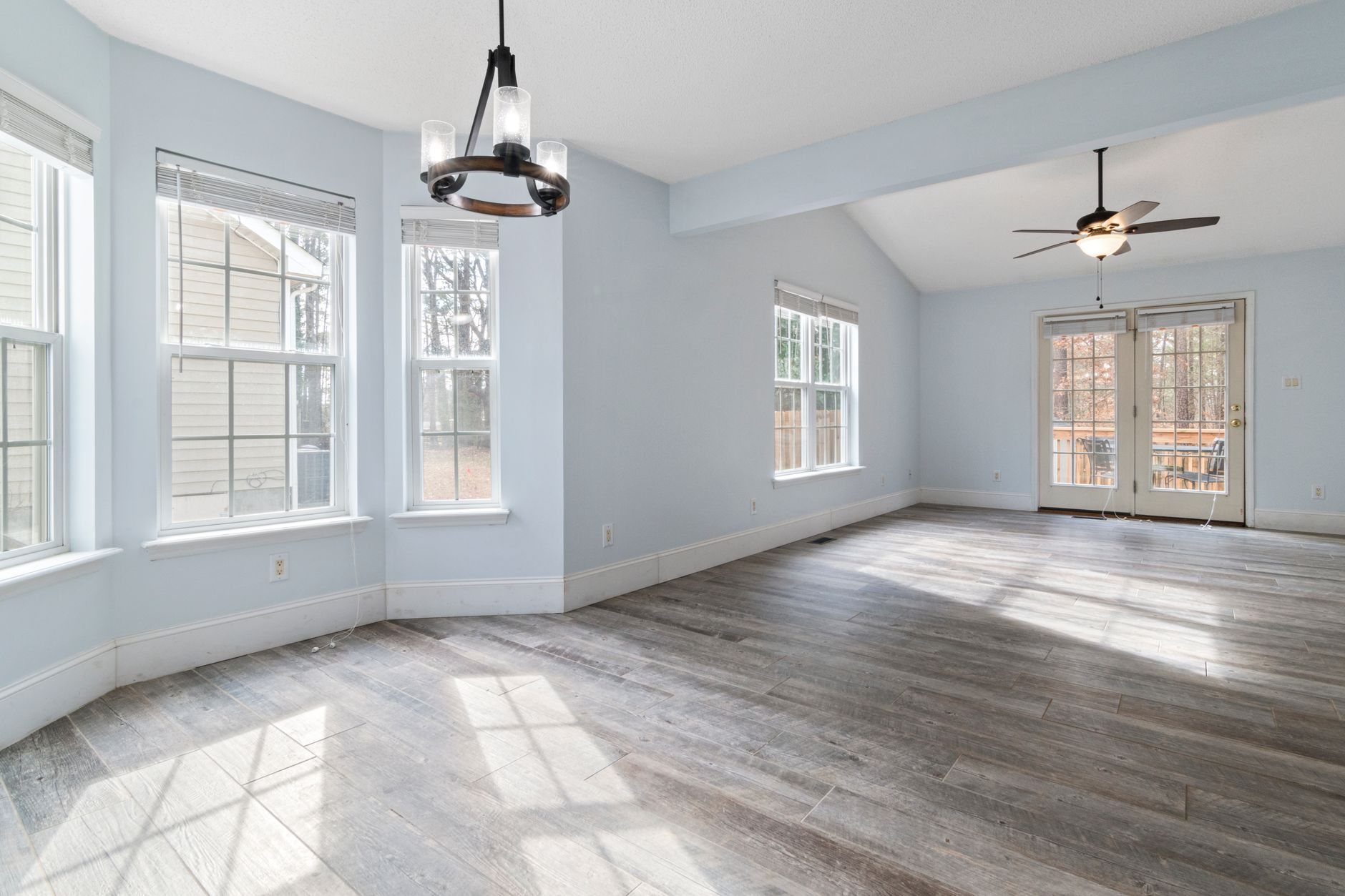
Solid wood in a high, dry valley
Utah’s climate is the main reason solid hardwood is unforgiving here. Indoor humidity can swing from 20 percent in January to 50 percent during a wet summer monsoon stretch, and a 3/4″ board follows that swing. Hairline gaps in winter that close by July are normal; boards cupping at the edges point to a floor installed wet or over a damp subfloor. A whole-house humidifier through the winter keeps the movement small. Elevation matters too: UV at 4,500 feet is intense, and floors in front of south-facing windows change color faster than the sample suggests — cherry and walnut darken, maple and white oak amber. Move the rugs around the first year.
What does solid hardwood flooring installation cost in Utah?
As ballpark planning numbers, a straight-lay solid oak or maple floor in Utah County typically lands between roughly $9 and $16 per square foot installed, material included. Site finishing adds a few dollars per foot; hickory and clear-grade boards sit near the top of the range, common-grade oak near the bottom. Ranges for budgeting, not a quote.
What moves the number beyond the board itself: tearing out the old floor, a plywood overlay or subfloor leveling, the count of doorways and transitions, flush-mount vents, and stair nosings. A floor that laces into an existing hardwood room costs more than one that stops at a threshold, because matching species, width, and stain is slow hand work. We assess the subfloor and the height stack-up at doors before we price anything.
Questions we actually get
Can solid hardwood be installed over a concrete slab or in a basement?
Not well. Solid boards need a wood subfloor to nail into and a dry environment to stay flat, and a below-grade slab offers neither. Engineered hardwood over a tested slab with a vapor retarder is the right product there. A main-floor slab can take a sleeper system, but engineered is usually the better value.
Why are there gaps between my boards in winter?
Because the house is dry. Utah winters pull indoor humidity to 20 percent or less, and solid wood shrinks across its width as it dries. Small, even gaps that close in summer are normal. Large or uneven gaps usually mean the wood wasn’t acclimated or the subfloor was wet at install, and that’s worth a look.
How long until we can move back into the rooms?
Prefinished solid hardwood is walkable the day it’s installed. Site-finished floors need the finish to cure: typically light foot traffic after a day or two, furniture after several days, and rugs after a couple of weeks. We’ll give you the schedule for your specific finish before we start.
Does solid hardwood really cost more than engineered?
Material prices often overlap; the difference is in the install. Solid needs a nail-down over a wood subfloor, a longer acclimation window, and, if site-finished, sanding and coating days. Over thirty years, though, solid’s extra refinishing cycles usually make it the cheaper floor to own.
Related services
Solid hardwood is one of the flooring services within our broader renovation and build-out work, all under one B100 general contractor license you can verify at dopl.utah.gov.
Tell us what you’re working on
We reply within a couple of hours during business hours — a day at most. You’ll get a straight read on scope, sequence, and budget before anyone commits to anything.