
Bamboo & Cork Flooring in Utah County
Bamboo is a grass pressed into a plank harder than oak; cork is tree bark cut into a floor that is warm, quiet, and forgiving underfoot. Grandview Contractors installs both across Utah County and Salt Lake County under a Utah DOPL B100 general contractor license, with the acclimation and humidity planning both need to stay flat through a dry Utah winter.
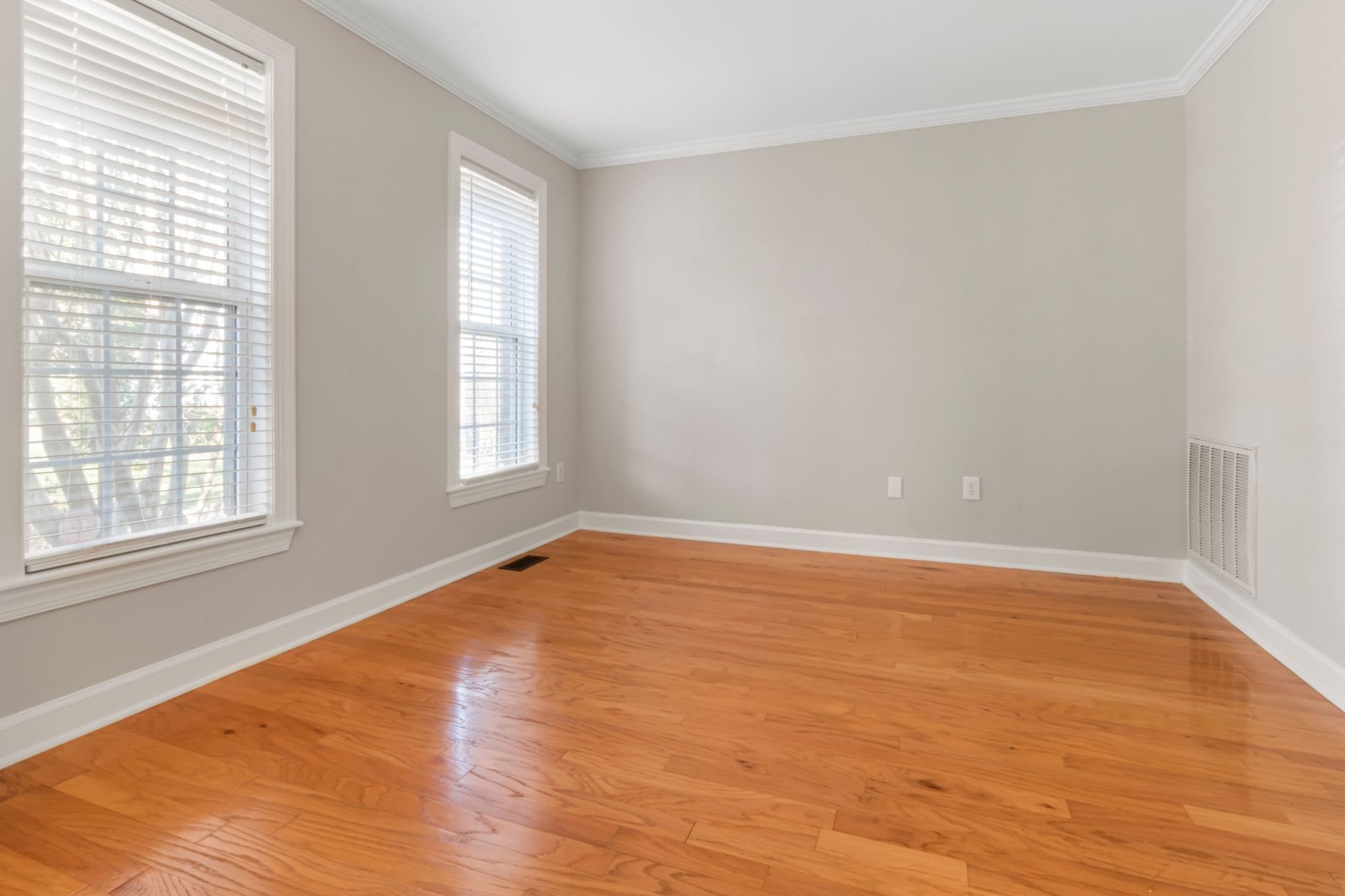
When bamboo or cork is the right floor, and when a sibling is
Choose strand-woven bamboo for main-level rooms that take a beating: living rooms, hallways, offices, rentals that turn over. The surface is the actual material rather than a printed image, and the price lands under most hardwoods. Horizontal and vertical bamboo — the kind that shows the nodes — is softer and arguably prettier; we steer it toward bedrooms, not the route from the garage to the kitchen.
Choose cork where comfort and quiet outrank hardness: a kitchen where someone stands for hours, a playroom, a basement family room over a cold slab, a condo with a neighbor below. Its closed-cell structure absorbs impact sound and insulates against cold concrete in a way no vinyl matches. The honest trade: point loads — refrigerator feet, piano casters, narrow heels — leave marks, and direct sun fades it.
If you want a floor you can sand back to bare wood for decades, solid hardwood is the better buy. Below grade with any moisture doubt, engineered hardwood or luxury vinyl plank is safer. On a tighter budget, laminate gets you most of the way. Both are part of our flooring installation services within our wider renovation and build-out work.
What a bamboo or cork installation involves
- Test the subfloor. Glue-down cork tile is about 3/16″ thick and telegraphs every ridge, screw head, and trowel line beneath it, so we flatten tighter than the usual 3/16″-in-10-feet rule through our subfloor prep and leveling scope. Slabs get a moisture test first — expansive clay and collapsible bench soils along the Wasatch Front keep some slabs damper than they look, and cork adhesive and bamboo glue both fail from below. Old floors leave through our floor removal crew.
- Acclimate, and plan for humidity. Bamboo cartons sit open in the conditioned room for seven to ten days, longer in January; we install when the planks read roughly 6–9% moisture and agree with the subfloor. Many bamboo warranties require indoor humidity between 35% and 55%, and a Utah home in winter often sits at 15–25%. If yours does, a humidifier belongs in the conversation before the order, not after the gaps appear. Cork tiles stack loosely out of the box for 72 hours.
- Choose the fastening. Solid strand-woven bamboo over wood is nailed with 18-gauge cleats; the thicker staples used on oak split the compressed strands. Over concrete it is glued with urethane adhesive. Engineered click bamboo floats over pad with a 1/2″ perimeter gap. Cork tiles are set in water-based contact adhesive from the room’s centerlines, like ceramic, and pressed with a 100-pound roller; floating cork planks click together like laminate.
- Seal, finish, and wait. Site-sealed cork gets two to three coats of water-based polyurethane that lock the seams into one surface; furniture waits 24 to 72 hours for cure. Then base, shoe, transitions, and a walkthrough.
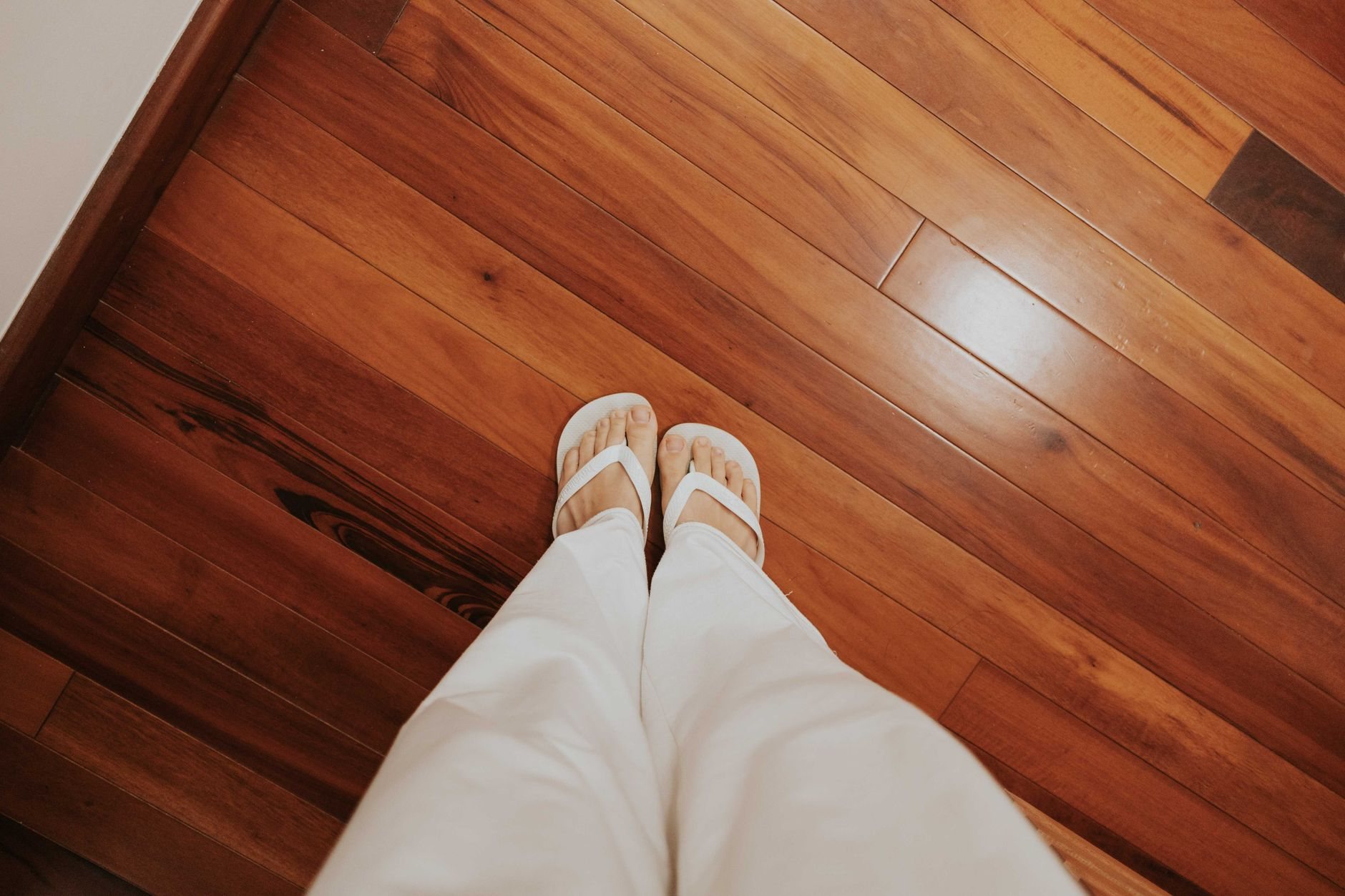
Reading a bamboo or cork spec sheet
Bamboo. Strand-woven bamboo — shredded fibers compressed with resin under heat — tests around 3,000 lbf on the Janka scale, more than double red oak’s roughly 1,290; horizontal and vertical bamboo land closer to 1,400–1,800. Carbonizing (steaming the sugars dark) costs 20–30% of that hardness. Because strand-woven planks are bound with resin, ask for product certified under the EPA’s TSCA Title VI formaldehyde emission standard. The resin dulls sanding abrasives fast, so refinishing strand-woven is a once-or-twice proposition.
Cork. Glue-down tiles run 3/16″ or 5/16″ thick; thicker is quieter, warmer, and more forgiving of furniture. Floating cork planks carry a cork veneer on a wood-fiber core that swells if water sits on it, so they belong in dry rooms. Site-sealed cork can be screened and recoated later instead of replaced. For both materials: UV is intense at Utah’s elevation, and natural cork and carbonized bamboo shift color in front of south- and west-facing glass. Plan rug placement, or accept that the room will tan.
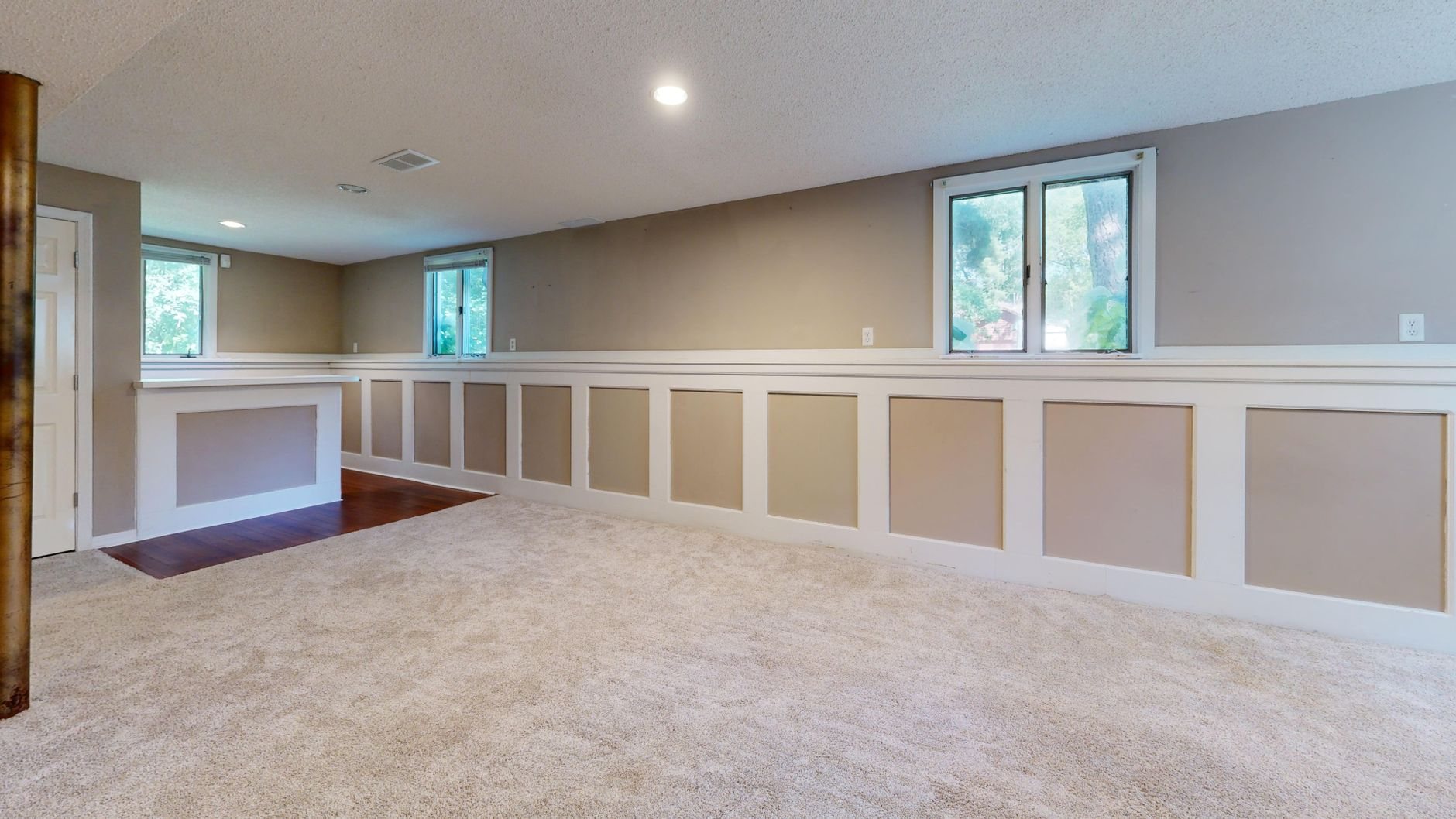
What does bamboo or cork flooring cost installed in Utah County?
As ballpark planning numbers, most Utah County bamboo installs land between roughly $5 and $10 per square foot installed, with material at $2 to $6. Cork runs roughly $6 to $12 installed; glue-down tile with site-applied sealer sits at the top, floating cork planks closer to laminate. Budgeting ranges, not a quote.
What moves the number: tear-out, subfloor flattening, glue-down versus floating, sealer coats, stairs and transitions, and whether a humidifier joins the scope to keep bamboo inside its warranty range. The work runs under one B100 license you can verify at dopl.utah.gov.
Questions we actually get
Will bamboo flooring gap or shrink in Utah’s dry winters?
It can, if installed damp or if the house runs very dry. Bamboo moves with humidity like wood, and Utah homes often drop to 15–25% indoor humidity in winter while most bamboo warranties expect 35–55%. We acclimate planks until their moisture reading matches the subfloor and talk through humidification before you order.
Can cork go in a kitchen or a basement?
Kitchens, yes — site-sealed glue-down cork handles spills that get wiped up, and standing all day on it is why people ask. Basements, yes, over a slab that passes a moisture test; cork’s warmth over concrete is the point. We avoid floating cork planks in either, because their wood-fiber core swells if water sits on it.
Is bamboo really harder than hardwood?
Strand-woven bamboo is — around 3,000 lbf on the Janka scale against roughly 1,290 for red oak. Horizontal and vertical bamboo land near oak, and carbonized bamboo of any construction gives up 20–30% of its hardness for the darker color. Hardness resists dents, not scratches, so the finish still matters.
What drives the installed price of cork beyond the tile itself?
Subfloor flattening is the big one, since thin cork tile shows every flaw underneath. Then glue-down versus floating, sealer coats, cure time, and stairs and transitions. Two rooms with the same cork can differ by a third in installed cost on prep alone.
Tell us what you’re working on
We reply within a couple of hours during business hours — a day at most. You’ll get a straight read on scope, sequence, and budget before anyone commits to anything.