
Flooring removal & demo in Utah County
Floor removal is the tear-out of tile, hardwood, carpet, vinyl, and the adhesive, mortar, and underlayment beneath them, down to a clean subfloor or slab ready for the next floor. Grandview Contractors performs it as a defined, priced scope under a Utah DOPL B100 general contractor license, with dust containment and disposal priced up front.
When floor removal is its own line item
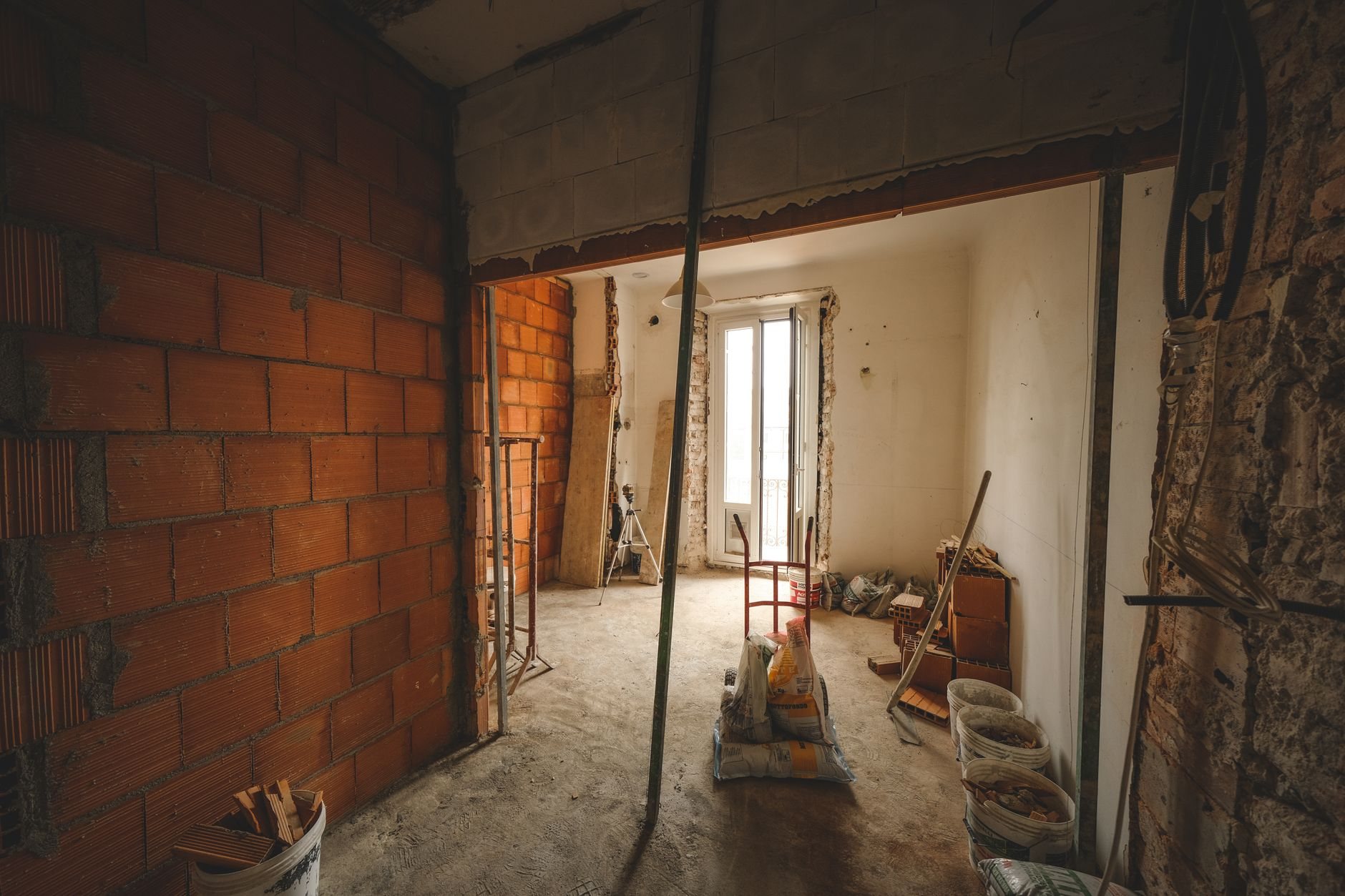
Floor removal becomes a scope of its own when what’s coming out is harder than what’s going in: mudset tile, glued-down hardwood, several generations of vinyl layered over each other, or a whole house where the tear-out outlasts the install. It also fits rental turnovers where the old floor goes now and the new one is chosen later.
Three nearby services get confused with it. If the floor stays and the problem is humps, dips, or moisture, you want subfloor prep and leveling. If a solid hardwood floor is worn but sound, sanding and refinishing is usually cheaper than tear-out. If walls, cabinets, and ceilings are coming out too, that’s interior demolition, a larger scope with its own page.
This page covers the floor alone. It sits within our flooring installation services and the wider renovation and build-out family.
What comes out, and how it comes out
Each floor type comes out differently, so each gets its own method and price.
- Carpet and pad. Cut into rolls and pulled, then the tack strip pried and every pad staple removed; the staples are the labor.
- Nail-down hardwood. Boards are cut across the grain in strips and pried up with their fasteners. Over the old 1×6 plank subfloor found in pre-war Provo and Salt Lake homes, we protect the planks so they can carry new underlayment.
- Glue-down wood, LVP, and sheet vinyl. The surface comes up with a floor scraper; the adhesive is the real job. Residual glue is ground or softened and scraped until the substrate will bond again.
- Thinset tile. Tile is popped with a demolition hammer and chisel bit, then the thinset is ground flat with a dust-shrouded grinder. On wood subfloors the cement board and its screws come out too.
- Mudset tile. The hardest case: tile over a 1 to 2 inch mortar bed on wire lath, common in older bathrooms and entries. It comes out in heavy chunks and often reveals a subfloor built low on purpose to receive the mud.
Dust, old adhesive, and the floor under the floor
Grinding thinset and adhesive produces fine silica dust that travels fast in Utah’s dry indoor air. We seal doorways and HVAC returns, run grinders on HEPA vacuum shrouds, and use negative-air machines on occupied projects.
Age matters more than material. Pre-1980s vinyl tile, sheet vinyl backing, and the black cutback mastic under them can contain asbestos, and so can some old mortars. If a floor is from that era and unknown, it gets sampled before anyone disturbs it, following the EPA’s guidance on asbestos in building materials. If a sample comes back positive, abatement is a separate, specially licensed trade: Grandview holds the contract, coordinates a licensed abatement contractor, and resumes removal after clearance. See hazmat demolition for that sequencing.
Removal also exposes the substrate. On slab-on-grade floors we moisture-test the concrete, because the expansive clay and collapsible soils along the Wasatch Front can wick moisture through a slab and crack it; better to learn that now than under a new luxury vinyl plank floor is glued down. In basements, an open slab is also the cheapest point to add a radon mitigation penetration; the EPA recommends testing before finishing below-grade space, and much of Utah tests high. Good work should not require detective work, so we photograph what we find before the next trade arrives.
What does floor removal cost in Utah County?
As ballpark planning numbers, carpet and pad removal runs roughly $0.50 to $1.50 per square foot, nail-down hardwood and laminate roughly $1.50 to $3, glued-down vinyl or wood with adhesive grinding roughly $2 to $4, and thinset tile roughly $3 to $6. Mudset tile sits above that. Budgeting ranges, not quotes.
Four things move the price. Adhesive: a floating floor comes up in an afternoon; the same footage of glue-down can take two days of grinding. Layers: vinyl over vinyl over linoleum is three removals, not one. Access: hauling mudset debris up basement stairs by the bucket costs more than wheeling it out a walkout door. Disposal: tile and mortar are heavy, and one mudset bathroom can weigh what a whole-house carpet tear-out does. Asbestos testing adds little; abatement, if needed, is a separate scope priced before work proceeds.
Questions we actually get
Can you remove the old floor now and install the new one later?
Yes. We take the floor down to a clean, swept subfloor or slab, pull every staple and screw, and leave it walkable. If weeks will pass before the new floor, we flag anything that could change, such as moisture on an open basement slab.
Do I need to test for asbestos before you remove my vinyl floor?
If the vinyl or the adhesive under it dates from before the 1980s and you don’t know what it is, yes. The test is inexpensive and takes a few days. We won’t remove suspect material without a result; disturbed asbestos costs far more to deal with than an intact floor you tested first.
Will removing mudset tile damage my subfloor?
Often the subfloor was built low to receive the mortar bed, and sometimes decades of bathroom moisture have softened it. Either way, expect new plywood to bring the floor back to the height of adjacent rooms. We check before pricing so subfloor repair is a line item, not a change order.
Why does tile removal cost so much more than carpet removal?
Weight and bond. Carpet is cut, rolled, and carried. Tile is chiseled off piece by piece, then the thinset or mortar under it is ground flat: slow, dusty work that needs containment and shrouded tools. The debris is heavy enough that disposal becomes a real share of the cost.
Related services
Removal comes before subfloor leveling and the install itself, whether hardwood, LVP, or new tile. When a whole room is being reset, interior demolition takes the floor with everything else. Every scope runs under one B100 license you can verify at dopl.utah.gov.
Tell us what you’re working on
We reply within a couple of hours during business hours — a day at most. You’ll get a straight read on scope, sequence, and budget before anyone commits to anything.