
Laminate Flooring Installation in Utah County
Laminate is a floating floor with a dense fiberboard core and a printed wood image sealed under a hard melamine wear layer — the most dent-resistant wood look at its price, and the most moisture-sensitive. Grandview Contractors installs laminate across Utah County and Salt Lake County under a Utah DOPL B100 general contractor license, with the acclimation, vapor barrier, and expansion room that keep joints tight through a dry Utah winter.
When laminate is the right floor, and when a sibling is
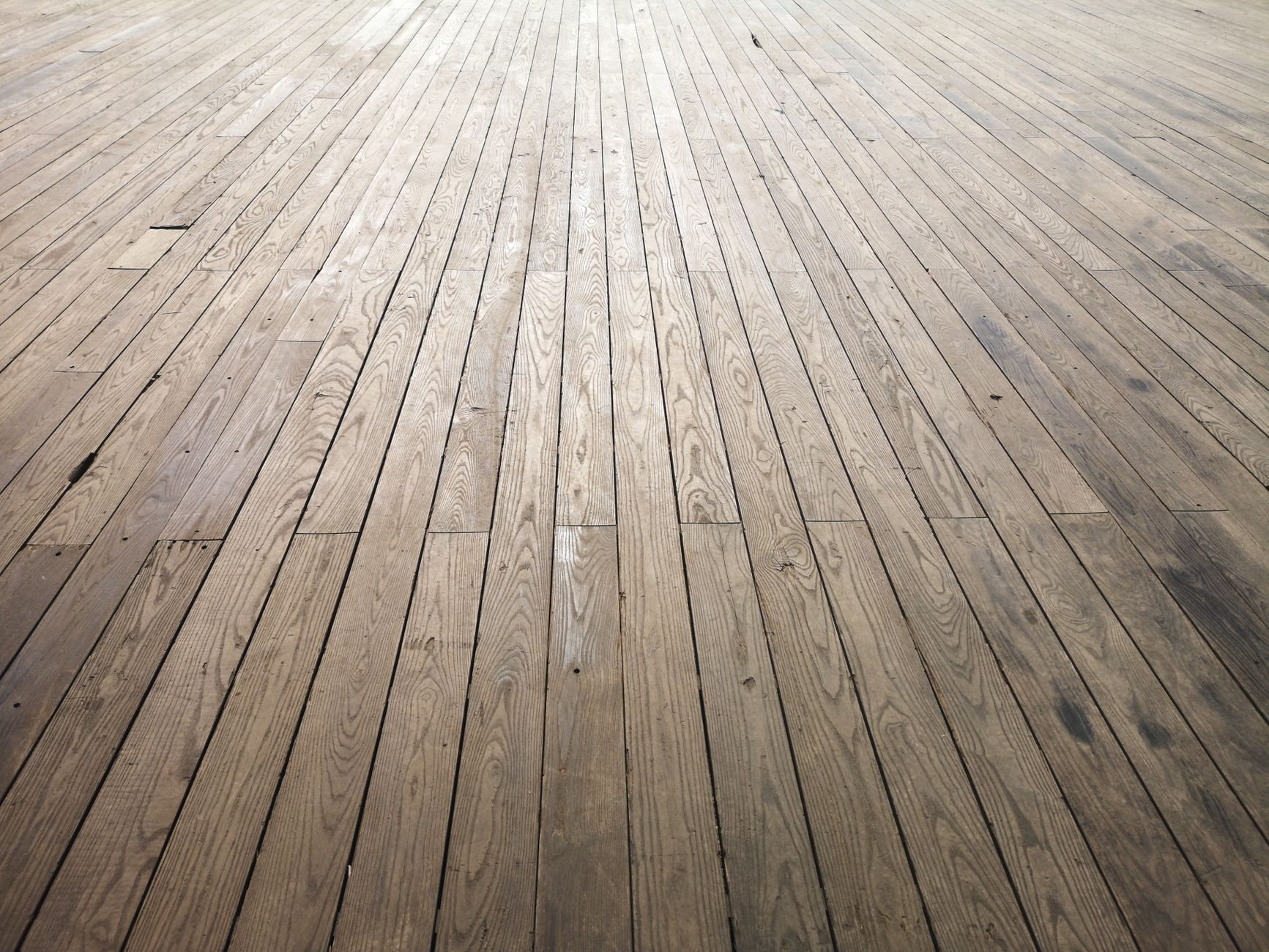
Choose laminate for dry, high-traffic rooms where dents and scratches are the enemy: living rooms, hallways, bedrooms, offices, and rental units above grade. The melamine wear layer is harder than vinyl, so chair legs and dog claws leave fewer marks, and embossed-in-register textures look and sound more like wood underfoot than vinyl at the same price. The core, though, is wood fiber. Standing water finds the joints and swells them, and a swollen laminate joint doesn’t go back down.
That fact decides most comparisons. For kitchens, laundry rooms, mudrooms, and anything below grade, luxury vinyl plank is the safer call — fully waterproof, giving up only some dent resistance. If you want real wood, engineered hardwood is the honest upgrade: a genuine veneer rather than a photograph, refinishable once or twice, at roughly double the installed cost. If a glued-down floor is coming out first, our floor removal crew handles the tear-out.
“Water-resistant” laminate has narrowed the gap — treated cores and tighter locking profiles buy time to wipe up a spill — but we still don’t put it in full bathrooms or where a dishwasher can fail unnoticed. Laminate is one of the floors covered by our flooring installation services within our broader renovation and build-out work.
What a laminate installation involves
- Verify the subfloor. Most manufacturers allow about 3/16″ of deviation over 10 feet; beyond that, click joints flex and eventually come apart. We check with a straightedge, then grind, patch, or self-level through our subfloor prep and leveling scope. Concrete slabs get moisture-tested before material is ordered — expansive clay and collapsible bench soils along the Wasatch Front can keep a slab damper than it looks, and a laminate core on a wet slab swells from underneath.
- Acclimate the cartons. The HDF core takes on and gives up moisture like the wood it’s made from, and Utah homes often sit at 15–25% indoor humidity in January, far drier than the warehouse. Unopened cartons rest flat in the conditioned room for 48 to 72 hours, longer in winter, so planks reach equilibrium before they’re locked together instead of shrinking afterward and gapping at the ends.
- Lay the underlayment. Over concrete, a 6-mil polyethylene vapor retarder with taped seams goes down first, then a foam or felt pad. Over a wood subfloor, pad only. Condo and second-floor installs get an acoustic pad; several Utah County HOAs require a specific impact-insulation rating, so bring us the CC&Rs before you buy.
- Plan the layout. Planks run with the room’s long dimension or main light, measured so the last row isn’t a sliver. Runs past roughly 40 feet, or rooms that neck through a doorway, get a T-molding so each field moves on its own. End joints stagger at least 8–12 inches.
- Float and gap. Every edge — walls, cabinets, jambs, pipes, hearths — gets a 3/8″ expansion gap held with spacers and hidden by base and quarter round. Casings are undercut so planks slide beneath. Nothing is glued or nailed down; a floating floor pinned at one spot buckles at another.
- Finish and walk. Matched transitions and stair nosings, base reinstalled, and a walkthrough before we call it done.

Laminate only floats — our glue-down vs floating page covers the trade-offs. That constraint is why it installs quickly, and why the subfloor has to be right.
Reading a laminate spec sheet
Three numbers matter. AC rating is the abrasion class: AC3 suits a bedroom, AC4 is our minimum for a main living level with kids or pets, and AC5 is commercial-grade for retail and tenant spaces. The North American Laminate Flooring Association certifies product against standardized wear, impact, and stain tests — a better signal than the box. Thickness runs 7 to 12 mm; thicker planks bridge small subfloor flaws, feel more solid, and hold deeper texture, and we rarely spec under 10 mm. Swell rate — how much the core thickens after a 24-hour soak — is the number to ask about if spills are a real risk, and the one spec sheets bury.
One Utah note: UV is strong at our elevation, and while melamine fades less than vinyl, we steer toward mid-tone, lower-gloss planks near big south- and west-facing glass so sun-struck and rug-covered floor stay close in color.
What does laminate flooring cost installed in Utah County?
As a ballpark planning range, most Utah County laminate installs land between roughly $3.50 and $7 per square foot installed, with material making up $1.50 to $4 of that depending on AC rating, thickness, and water resistance. That’s a dollar or two under comparable LVP and well under engineered hardwood. Budgeting numbers, not a quote.
What moves the price: tear-out and disposal, subfloor flattening (laminate’s tolerance is tighter than carpet’s, so a floor that was fine under pad may need work), pad grade, the number of rooms and transitions, and stairs — laminate nosings and tread kits are a per-step cost that surprises people. Open-plan jobs price lowest per foot; chopped-up older homes with many doorways price highest.
Questions we actually get
Can laminate go in a Utah basement?
Above grade is where it belongs. Below grade, the slab must pass a moisture test and get a taped 6-mil vapor retarder — and you’d still be one water heater failure from replacing it. We’d steer you to LVP for the floor and, before any finishes, a radon test; Utah’s geology makes that worth checking.
Why did my laminate floor develop gaps at the plank ends?
Almost always under-acclimation. The HDF core shrinks lengthwise as it dries toward Utah’s winter indoor humidity, and planks locked together at warehouse moisture pull apart at the ends. Occasionally it’s a floor pinned by a nailed transition or a heavy island that stopped it floating. Both are avoidable with proper prep.
Can you install laminate over my existing floor?
Over sheet vinyl, well-adhered tile, or a sound wood subfloor, often yes, as long as it’s flat within tolerance and the added height — roughly 1/2″ with pad — doesn’t fight doors, appliances, and exterior thresholds. Never over carpet. We measure flatness and height stack-ups during the assessment and price it both ways.
How long does a laminate installation take?
Two to three days of acclimation, then roughly 300 to 500 square feet per day depending on layout, plus a day for trim and transitions. A typical main floor runs about a week door to door. Subfloor leveling adds a day or two of cure time before the first plank goes down.
Related services
Laminate goes in near the end of a remodel; we sequence it after interior painting and before final base and trim. If the room is below grade, start with basement finishing, which deals with moisture, radon, and egress before flooring comes up. Every project runs under one B100 general contractor license, verifiable at dopl.utah.gov.
Tell us what you’re working on
We reply within a couple of hours during business hours — a day at most. You’ll get a straight read on scope, sequence, and budget before anyone commits to anything.