
Basement apartment & rental conversions in Utah County
A basement apartment conversion turns a basement you already have — finished or not — into a separate, lockable rental unit with its own kitchen, bath, entrance, and the fire and sound separation a tenant needs. Grandview Contractors builds them across Utah County and Salt Lake County under a Utah DOPL B100 general contractor license, permits and inspections included.
When a rental conversion beats a plain basement finish
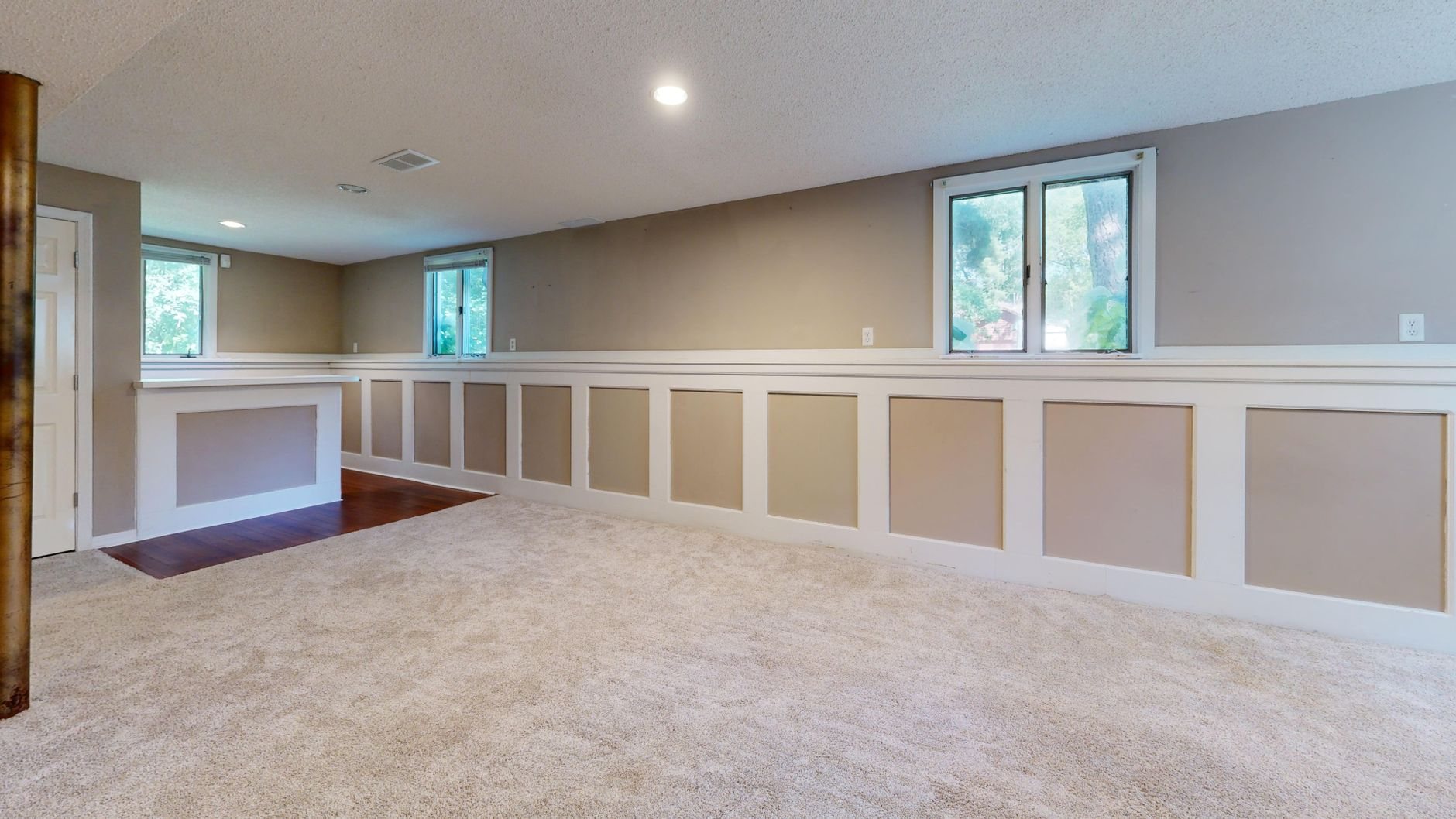
Pick this project when the goal is income or a self-contained place for family — a student tenant in Provo, a parent moving in. The defining feature isn’t finish level; it’s separation: a locking door between households, a full kitchen, independent heat, and a ceiling built to slow fire and sound. A rec room needs none of that.
Most conversions we see start from a basement already finished as bedrooms and a family room. That’s a retrofit, not a finish: we open specific parts of the ceiling and walls, add what a dwelling needs, and close them up. If yours is still bare concrete, start with unfinished basement finishing and tell us the rental plan up front — it changes the framing. For the full accessory-dwelling path from zoning to certificate of occupancy, see basement-conversion ADUs.
A basement wet bar or kitchenette serves your own household — no range, no separation, no license. A basement bathroom addition is one room. A rental conversion is a second home under your roof, and the city treats it so.
Six things that turn a finished basement into a legal apartment
Utah’s internal accessory dwelling law (Utah Code 10-9a-530) requires most cities to allow a basement apartment in an owner-occupied single-family home, but lets them set parking, owner-occupancy, and licensing rules. Provo and Orem both license accessory apartments, and their inspection checklists set the scope — verify with your city’s planning department before you count the rent. The build side is consistent across the valley:
- Egress for every bedroom. Any rented bedroom needs a code-compliant escape opening — a saw-cut foundation wall, new window, and drained well; in a finished basement, that’s drywall out, concrete cut, drywall back. Basement egress window additions explains the cut.
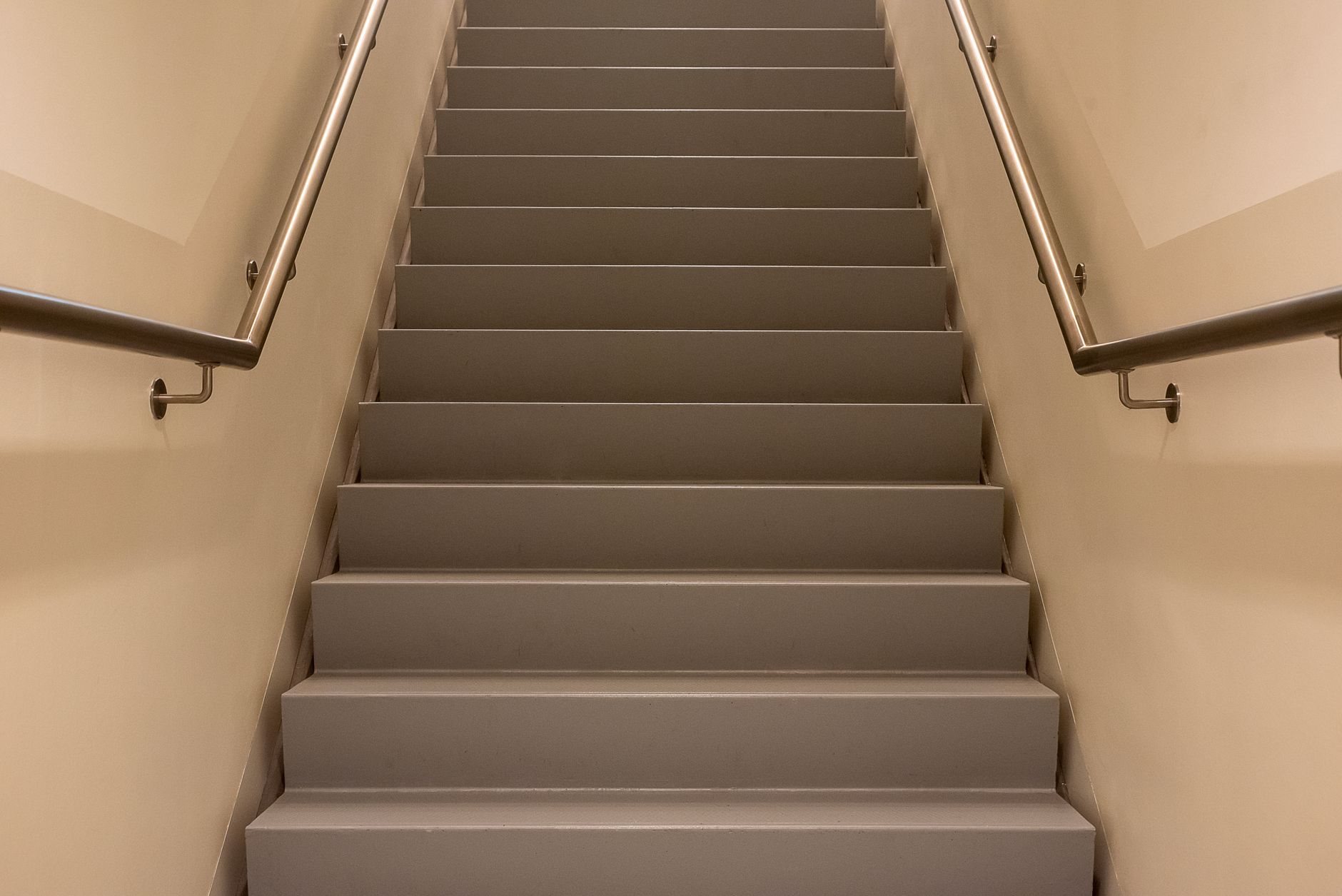
- The lockable separation. A door the tenant controls between the unit and your home, usually at the shared stair, enclosed and rated as the city requires. Owners forget this step; inspectors never do.
- Fire and sound in the ceiling. Type X drywall, sealed penetrations where ducts and pipes cross between units, and interconnected smoke and CO alarms in both. Since the lid is off, mineral-wool insulation and resilient channel go in too — code requires the fire separation; experience says add the quiet.
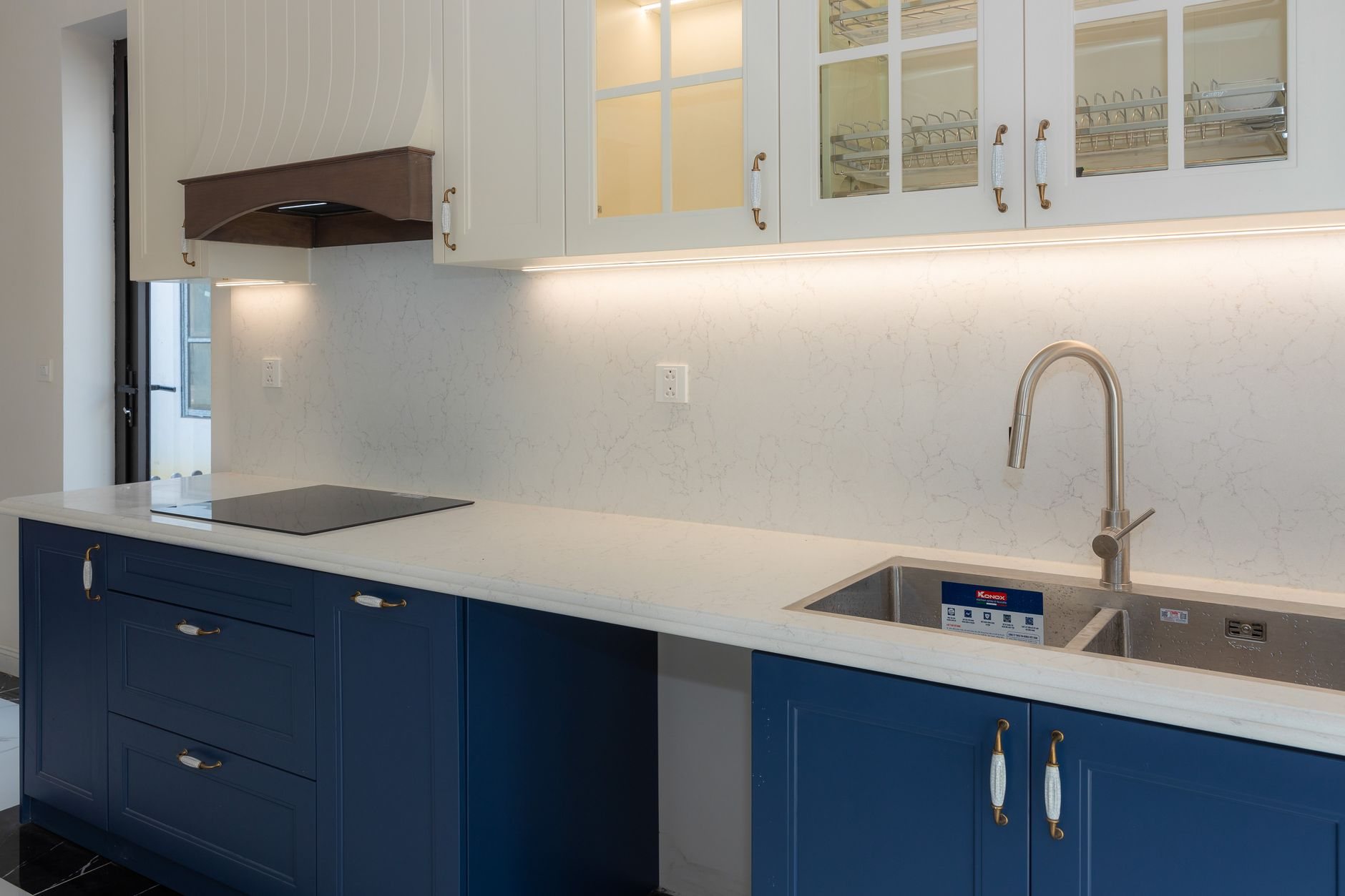
- A real kitchen. A range on a dedicated circuit with ventilation, and a sink drain that often means trenching the slab. Licensed trade partners perform the electrical and plumbing; Grandview holds the contract and sequences and quality-checks their work.
- Heat and hot water the tenant controls. A unit riding your upstairs thermostat generates January complaints. The mechanical contractor evaluates a dedicated zone or ductless head, and hot water gets sized for two households — Wasatch Front hard water punishes an undersized heater.
- The entrance. Most cities expect a separate exterior door. A walkout basement already has one; a rambler on a flat Orem lot needs an excavated, retained, drained stairwell — the biggest swing in the budget.
Building for a tenant is different from building for yourself
A rental has a turnover cycle, and the finishes should admit it: luxury vinyl plank over carpet, washable paint in one repeatable color, a solid-core entry door with a rekeyable lockset, stacked laundry roughed in while the ceiling is open. None of it costs more than the alternative; all of it survives a tenant better.
Two items get decided before anything is bid. Electrical capacity: a second kitchen, laundry, and a heating zone can push an older 100-amp service past its limit, so the electrician checks the panel first and an electrical panel upgrade becomes a defined line item, not a surprise. Radon: Utah sits on high-radon geology and a below-grade bedroom is the highest-exposure room in the house, so we test before the walls close and rough in a sub-slab route a mitigation fan can use without reopening a tenant’s ceiling.
What does a basement apartment conversion cost in Utah County?
As ballpark planning numbers — not a quote — converting an already-finished basement into a legal rental usually lands between $35,000 and $90,000 in Utah County and Salt Lake County. A walkout with existing bedrooms and a kitchen near the plumbing stack sits low; a flat-lot rambler needing an excavated entrance, two egress cuts, slab trenching, and a panel upgrade sits high. From bare concrete, add the base finish from our basement finishing page.
The entrance moves the number most — an existing exterior door saves five figures over excavating a stairwell — then egress count, then kitchen drain location. You’ll get a budget range at the first walk-through, an estimate once the city’s checklist and scope are pinned, and a fixed-price proposal before any concrete is cut.
Questions we actually get
Can I rent out my already-finished basement as it is?
Usually not legally. A basement finished as family space typically lacks a rated ceiling, a lockable unit separation, a full kitchen, and sometimes bedroom egress — and most Utah County cities require an accessory-apartment license and inspection before a tenant moves in. We walk the space against your city’s checklist and list what’s missing; an existing unpermitted rental falls under ADU legalization.
Do I have to live in the house to rent the basement apartment?
In many Utah cities, yes. Utah’s internal ADU law lets cities require owner occupancy, and Provo and Orem do in most zones. Rules differ across Lehi, Salt Lake City, and the south valley, so verify with your city’s planning department before you plan around the income. We build to whichever path your city uses.
How long does a basement apartment conversion take?
A retrofit of an already-finished basement typically runs six to ten weeks of construction once the permit is issued; from bare concrete, closer to three months. Permit review varies by city — Provo and Orem are predictable, fast-growth Lehi and Saratoga Springs can queue. You get a written timeline for your address.
What’s the most common surprise in a rental conversion?
Electrical service. A second kitchen, laundry, and a heating zone on an older 100-amp panel often means an upgrade nobody budgeted for. Next is slab trenching for a kitchen drain far from the existing stack. We check panel capacity and scope the drain route at the first walk-through, so both land in the estimate.
Tell us what you’re working on
We reply within a couple of hours during business hours — a day at most. You’ll get a straight read on separation, egress, entrance, and budget before anyone commits. Basement apartments are one branch of our renovation and build-out work.