
General contractor in Midvale, Utah
Grandview Contractors is a Provo-based, licensed and insured Utah DOPL B100 general contractor (#14282236-5501) working throughout Midvale — renovation, additions, structural repair, apartment turns, and commercial build-outs. From our office it’s a straight run up I-15 to the middle of the Salt Lake Valley.
The most mixed housing stock in the valley
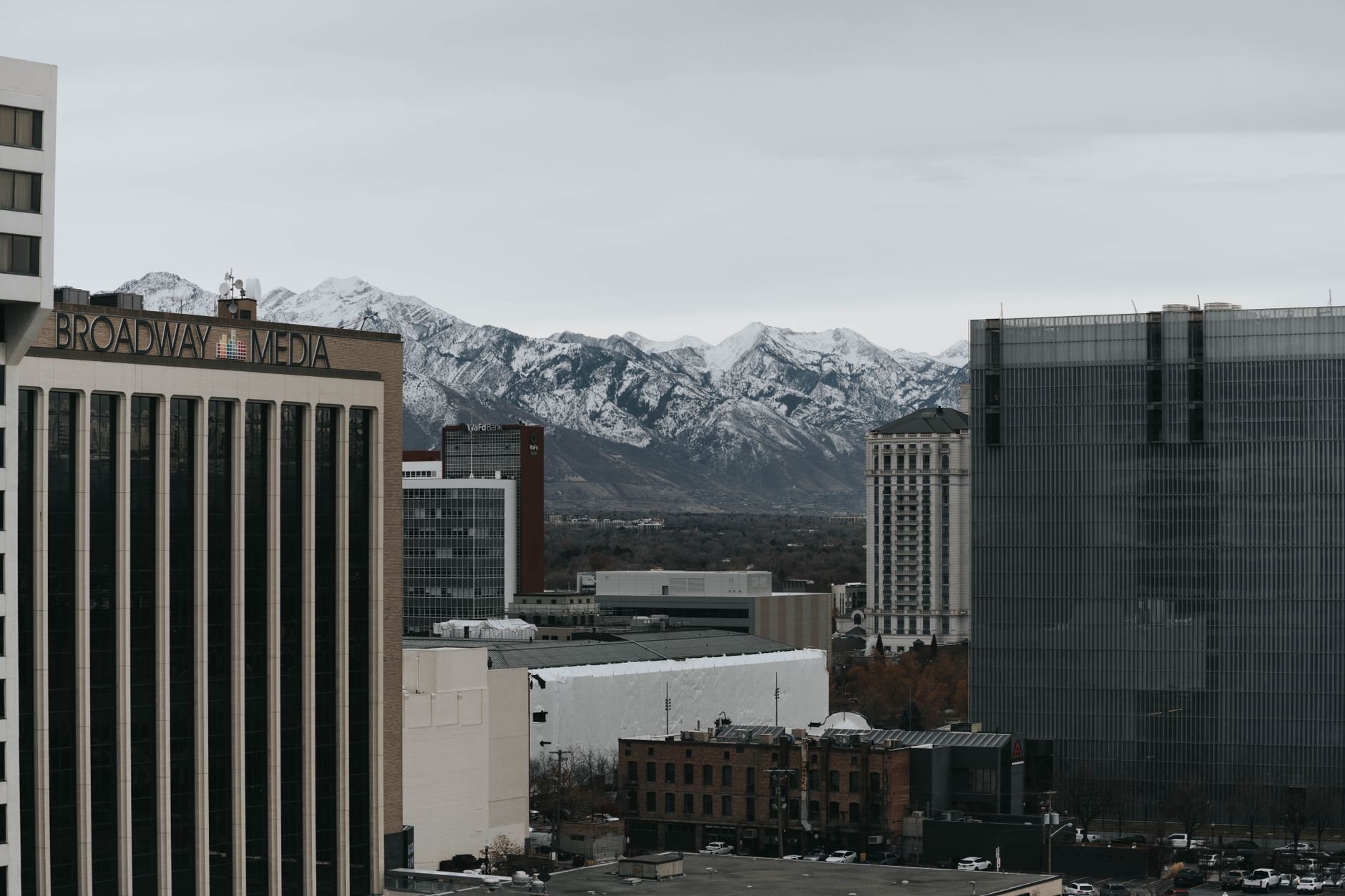
Midvale packs more variety into six square miles than any city around it. Roughly four in ten housing units sit in larger apartment complexes, another third are single-family homes, and the rest is everything in between — row houses, fourplexes, new towers over structured parking. On the ground that means a rambler from 1962, a Victorian-era cottage near old Main Street, and a five-story apartment building can share the same quarter mile, and each one needs a contractor who reads it correctly.
The single-family neighborhoods east of State Street and around Union Fort were built largely between the 1950s and the 1980s. These are honest houses with predictable habits: unfinished or half-finished basements, galvanized or early-copper supply lines nearing the end of their run, aluminum wiring in some 1970s builds, and kitchens laid out for a different century. Basement finishing is the most common call — done right it means egress windows for any bedroom and attention to radon, which Utah’s geology produces in most of the valley. A kitchen remodel in a Midvale rambler usually involves opening a bearing wall, so we plan the structure before the cabinets. And because most of these lots are flat and reasonably sized, a home addition often pencils out better than trading up in this market.
A smelter town rebuilding itself, block by block
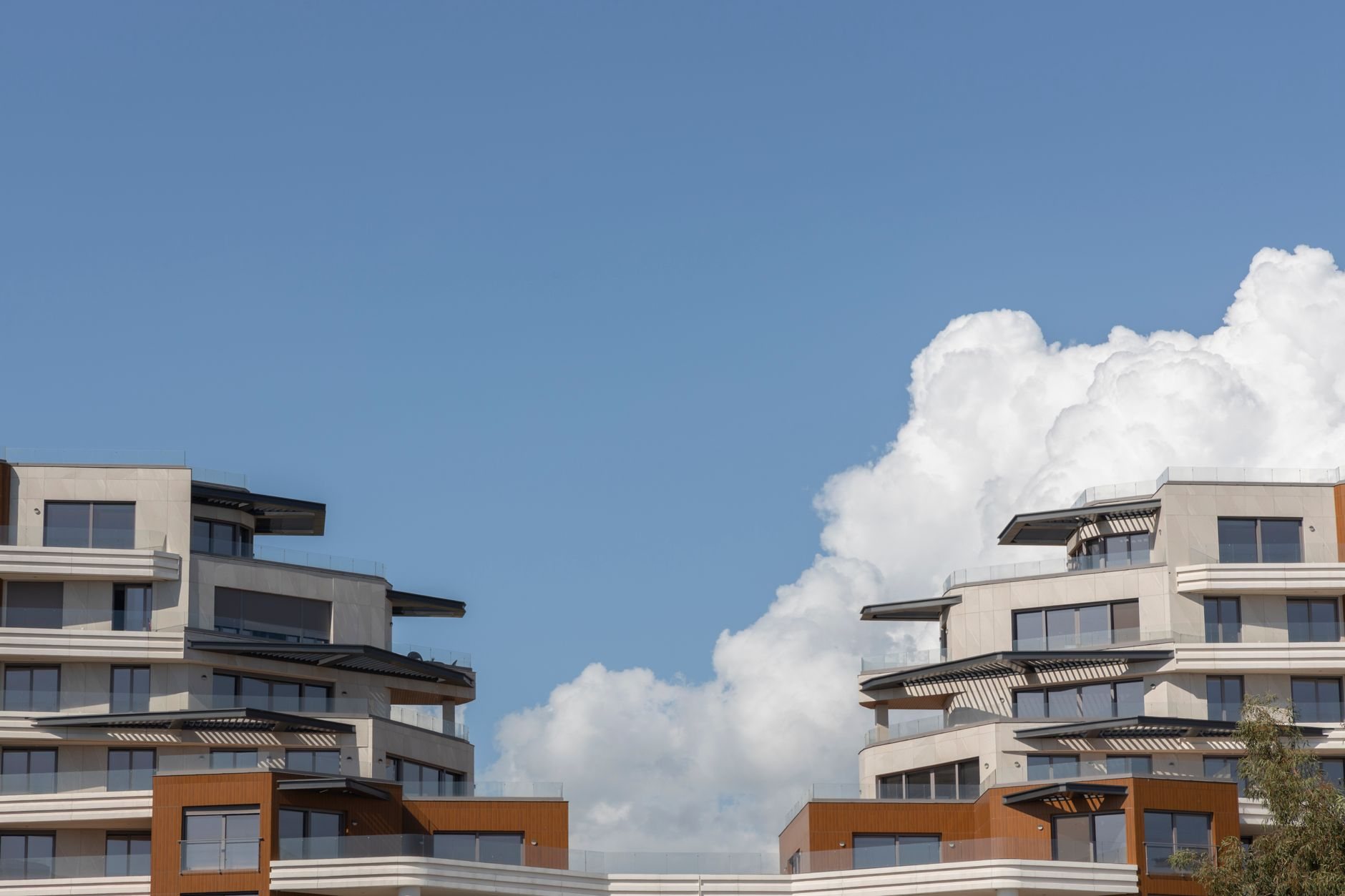
Midvale’s west side spent a century as smelter ground and decades after that as two federal Superfund sites. The cleanup finished; the rebuilding hasn’t stopped since. Bingham Junction turned roughly 400 acres of former slag into offices, apartments, and a TRAX stop, and became one of the fastest-growing neighborhoods in the state. Jordan Bluffs, the old Sharon Steel parcel south of it, is now in its first construction phases, with plans that run to several thousand new housing units over the coming decade. That’s a lot of new buildings — and a lot of buildings that will need maintenance, turns, and refits long after the ribbon cuttings.
This is where Midvale’s rental-heavy housing mix meets our property services work. Owners and managers of the city’s apartment stock run on occupancy math, so we run unit turn programs with fixed scopes, per-unit pricing, and the documentation a portfolio manager actually needs. On the commercial side, the storefronts along historic Main Street — now an arts and culture district the city is actively reinvesting in — and the retail corridors near Fort Union Boulevard generate steady tenant improvement work, which we sequence so neighboring businesses stay open while ours is under construction.
Permits, soils, and Midvale winters
Building permits in Midvale run through the Community Development department’s Building & Safety division, and applications are submitted online — a small accessory structure under 200 square feet without utilities is about the only thing exempt. It’s a workable process for a city this size, and it moves fastest when the plans arrive complete. We prepare submittals that way, handle inspection scheduling through the project, and tell you before we start which parts of your scope trigger review.
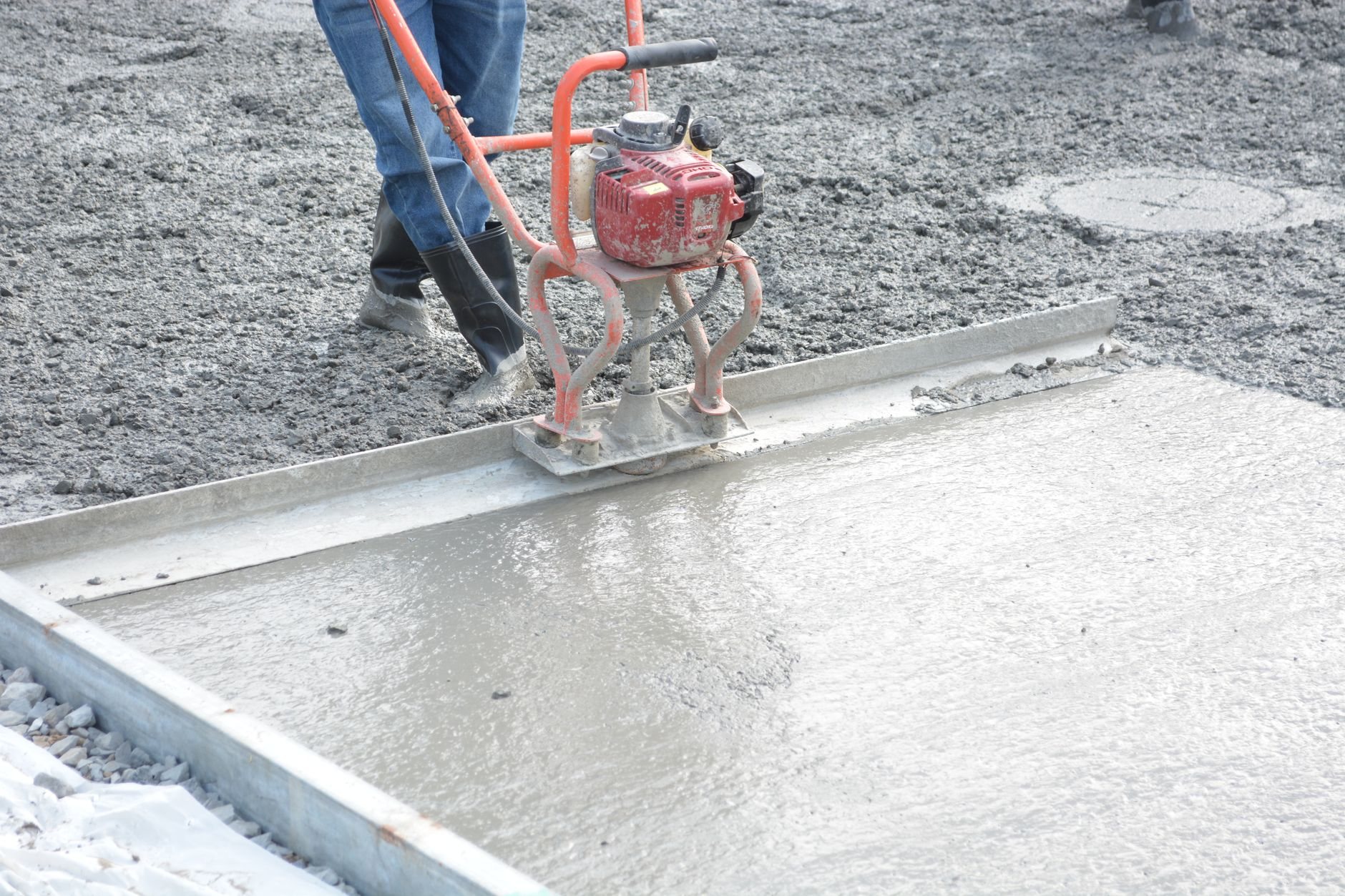
The ground matters here too. Midvale sits on the valley floor with the Jordan River on its western edge, so soils on that side trend wetter, and any new footing or slab should be designed for the conditions it actually sits in — especially on the redevelopment parcels, where fill and remediation history make soil reports non-negotiable. Everywhere in the city, exterior concrete lives through a hundred-plus freeze-thaw days a year; driveways and walks poured without an air-entrained mix show it within a few winters. It’s a big part of why we’re deliberate about concrete driveways and flatwork specs rather than treating flatwork as an afterthought. Our license is statewide and verifiable at dopl.utah.gov. Problems happen. Surprises should not.
Questions we actually get in Midvale
Do I need a permit to finish a basement in Midvale?
Yes. Basement finishing requires a building permit through Midvale’s Building & Safety division, submitted online, and any bedroom needs a code-compliant egress window. Inspections happen at framing, mechanical, and final. We handle the submittal and inspection scheduling as part of the project — verify unusual layouts with the city directly.
Can you handle apartment unit turns in Bingham Junction or along State Street?
Yes. We build unit turn programs around fixed scopes and per-unit pricing — paint, flooring, cabinets, hardware, patch-and-repair — with photo documentation and predictable turnaround so vacancy days stay low. One point of contact, one invoice format, across a single unit or a whole portfolio.
What does a remodel cost in a 1960s Midvale rambler?
It depends on what the walls are hiding — original wiring, galvanized plumbing, and undersized headers move budgets more than finishes do. We start with a consultation and an honest ballpark range, then firm it to an estimate and proposal once scope is defined. No number is a promise until it’s in writing.
Nearby cities we serve
Midvale sits at the crossroads of the valley, and so does our work: we’re regularly in Murray just to the north, Sandy to the south, and Cottonwood Heights up the east bench — along with the rest of our Payson-to-North-Salt-Lake service area.
Tell us what you’re working on
We reply within a couple of hours during business hours — a day at most. You’ll get a straight read on scope, sequence, and budget before anyone commits to anything, whether it’s one basement or a hundred-unit turn schedule.