
Cable railing systems in Utah
Cable railing replaces pickets with tensioned stainless steel cables run horizontally through steel or aluminum posts, so a code-height guardrail nearly disappears from a few feet away. Grandview fabricates the post-and-top-rail frames, runs and tensions the cable, and installs the full system on decks, balconies, and interior stairs across Utah County and Salt Lake County under a Utah DOPL B100 license.
When cable is the right infill, and when it isn’t
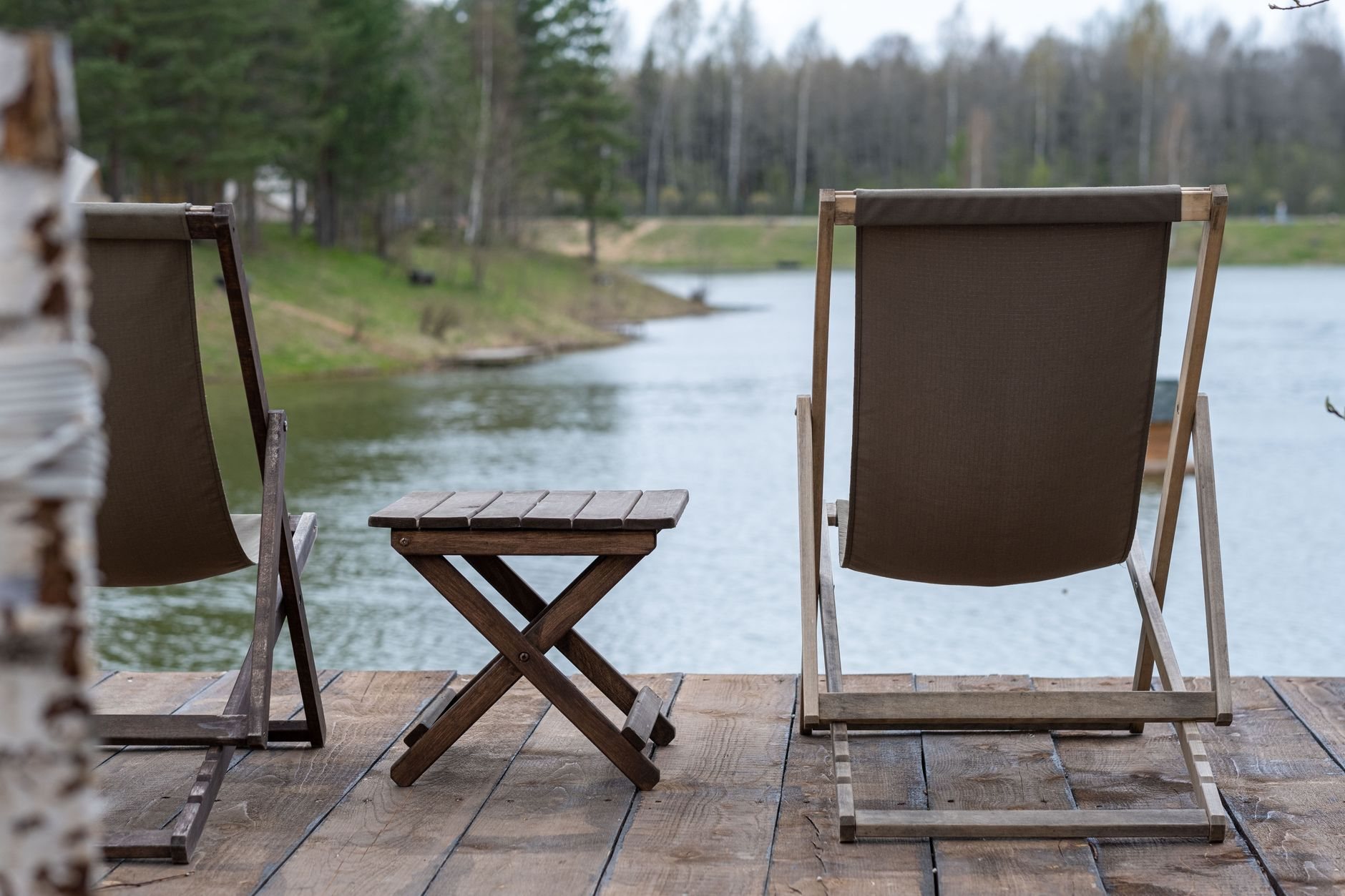
Cable earns its place on one condition: there’s something behind the railing worth seeing. Bench lots in Alpine and Draper, second-story decks facing Utah Lake, a walkout patio with a canyon behind it. There, vertical pickets put a fence between you and the reason you bought the house.
It isn’t the only transparent option. Metal-framed glass railing blocks wind and reads as more formal, but it costs more and needs cleaning. Cable lets the breeze through, which is why it wins on exposed Wasatch Front decks, where canyon winds hit a glass panel like a sail.
If the view isn’t the point, a conventional steel picket guardrail is cheaper and has nothing to tension. Cable is also a poor fit where small children climb: horizontal cables are a ladder, and some HOAs restrict them for that reason. If you want the whole frame in stainless, not only the cable, see stainless steel railings.
What goes into a cable railing that stays tight
A cable railing is three systems pretending to be one. The frame carries the load: steel tube or aluminum posts under a top rail that is structural, not decorative, because cable can’t be the top of a guardrail. The cable is 1×19 stainless strand, 1/8 or 3/16 inch, in 316 grade for exterior work. The fittings are where systems fail: swaged or swageless terminals, with a threaded tensioner at one end of every run.
The engineering lives in the end posts. Each cable is tensioned to a few hundred pounds, and a 42-inch guardrail carries ten or eleven of them, so an end post sees thousands of pounds trying to lean it inward. We build end and corner posts heavier than intermediates and anchor them for that pull, not just for the 200-pound push the code applies to the top rail. Intermediate posts sit roughly four feet apart so cables can’t be pushed past the 4-inch sphere limit, runs top out around 50 to 60 feet before the cable needs a new tensioning point, and every corner is either a terminated run or a post the cable turns through.
How a cable railing install runs
- Measure and lay out posts. Post spacing is set around corners, stair transitions, and run lengths so every cable has a clean start and a tensioner at the end.
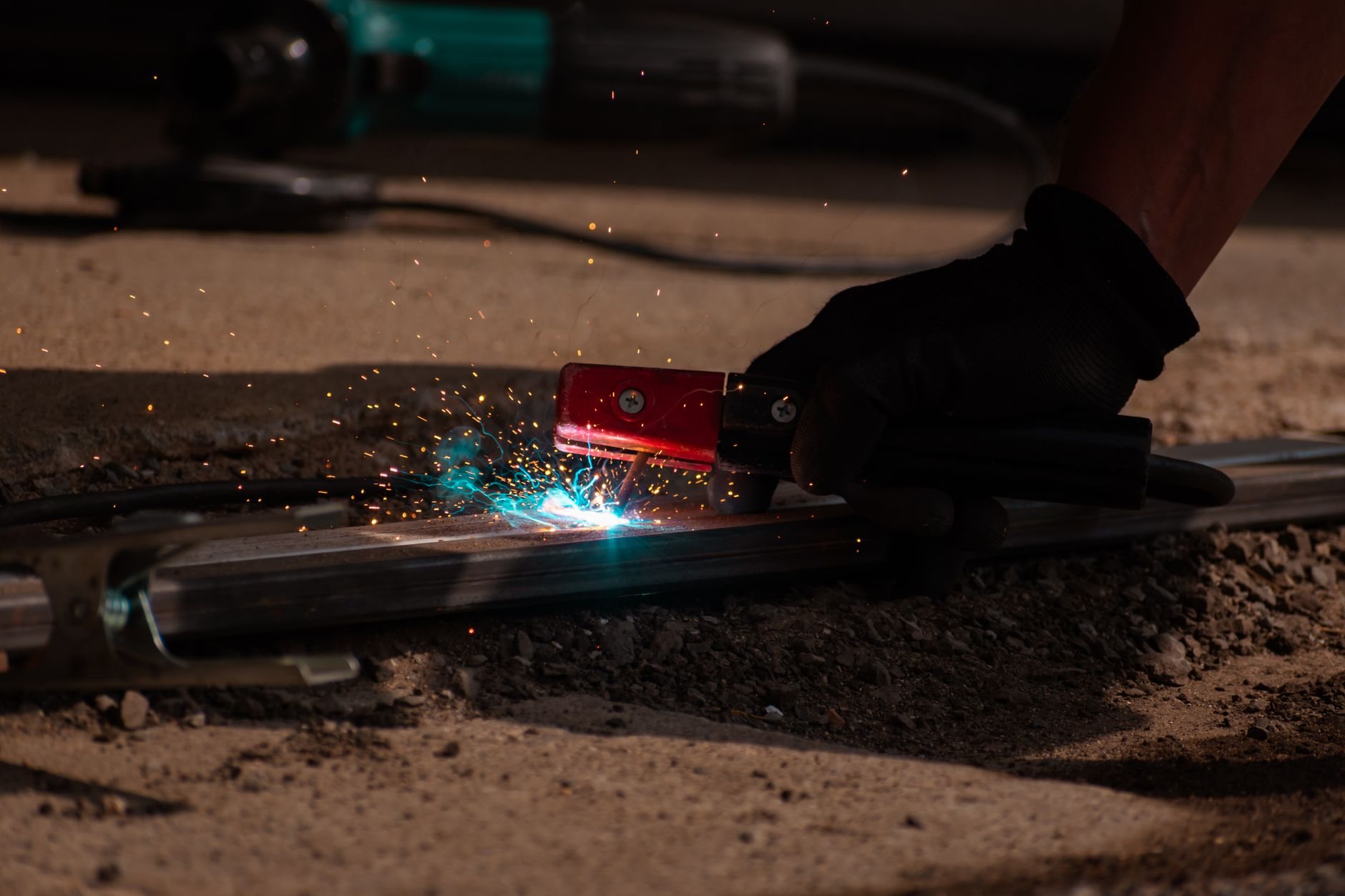
- Fabricate the frames. Posts, top rail, and end-post reinforcement are welded and fit-checked, then powder-coated outdoors or primed and painted inside.
- Set posts before cutting cable. A soft rim joist or a slab edge spalled by freeze-thaw gets fixed now; tension will find a weak post base within a season.
- Run and tension. Cables are pulled middle outward in two or three passes so the end posts load evenly and top and bottom cables finish at the same tension.
- Deflection check. Every cable is pushed at mid-span with a 4-inch gauge until nothing passes.
One Utah detail changes the tensioning. Stainless cable moves with temperature, and a deck in Lehi or Herriman swings well over 100 degrees between a January night and a July afternoon, so we tension to the season and leave adjustment at the terminals.
What does cable railing cost in Utah?
As ballpark planning numbers only: cable railing with powder-coated steel frames installed on a Utah deck or balcony typically runs about $250 to $400 per linear foot. Aluminum-post systems can land lower. Treat these as orientation, not a quote.
What moves the number is mostly geometry. Every corner and end post adds reinforced fabrication and a set of terminals, so a long straight run is the cheapest foot of cable you can buy and a deck with six jogs is the most expensive. Stairs cost more because each cable needs angled fittings at both ends. 316 stainless costs a little more than 304 and is the only grade we recommend outdoors, where high-elevation UV and road salt tracked onto a deck will spot 304 within a few years.
Questions we actually get
Does cable railing meet Utah building code?
Yes, when it’s built to it. Current Utah-adopted code treats cable like any other infill: 36 inches tall for a home, 42 inches for most commercial and multifamily decks, and no opening may pass a 4-inch sphere, measured with the cable deflected. That last part is why spacing, post distance, and tension matter more than they would with pickets.
Will the cables loosen over time?
Properly tensioned 1×19 cable on rigid posts holds for years, but it moves with Utah’s temperature swings and settles slightly in the first season. Every run has a threaded terminal at one end, so a quarter-turn takes the slack out. Cables that go slack fast usually point to a flexing post, not the cable.
Can you add cable to the wood posts on my existing deck?
Sometimes. Wood end posts have to resist thousands of pounds of cumulative tension, and most 4×4 deck posts can’t without leaning. We can often run cable between existing posts if we add a steel end post and the rim joist is sound. If the framing is soft, we’ll tell you before the first hole is drilled.
Will stainless cable rust in Utah?
316 stainless doesn’t rust under normal Wasatch Front exposure. What it can do is tea-stain, a brown film that appears when 304 cable or carbon-steel grinding dust sits on it. We use 316 outdoors, keep stainless away from steel grinding during fabrication, and recommend a fresh-water rinse once a year on decks that catch road salt or fertilizer overspray.
Related railing and deck work
Cable is one infill within our custom metal railings and handrails scope. If the deck underneath needs replacing first, that’s deck construction. Lighter frames that never need paint: aluminum railings. The opposite instinct: ornamental wrought iron. Everything else lives on the specialty capabilities hub.
Tell us about the view you’re protecting
Send a photo of the deck or stair and rough run lengths. We reply within a couple of hours during business hours, a day at most, with a straight read on post layout, code, and budget. Licensed and insured; verify our B100 at dopl.utah.gov.