
Steel Guardrail Fabrication in Utah County
A guardrail is the barrier that keeps people from falling off a deck, balcony, mezzanine, or retaining-wall edge — 36 inches for homes, 42 inches for commercial and multifamily, or custom where the site demands it. Grandview fabricates and installs steel guardrails across Utah County and Salt Lake County under a Utah DOPL B100 license.
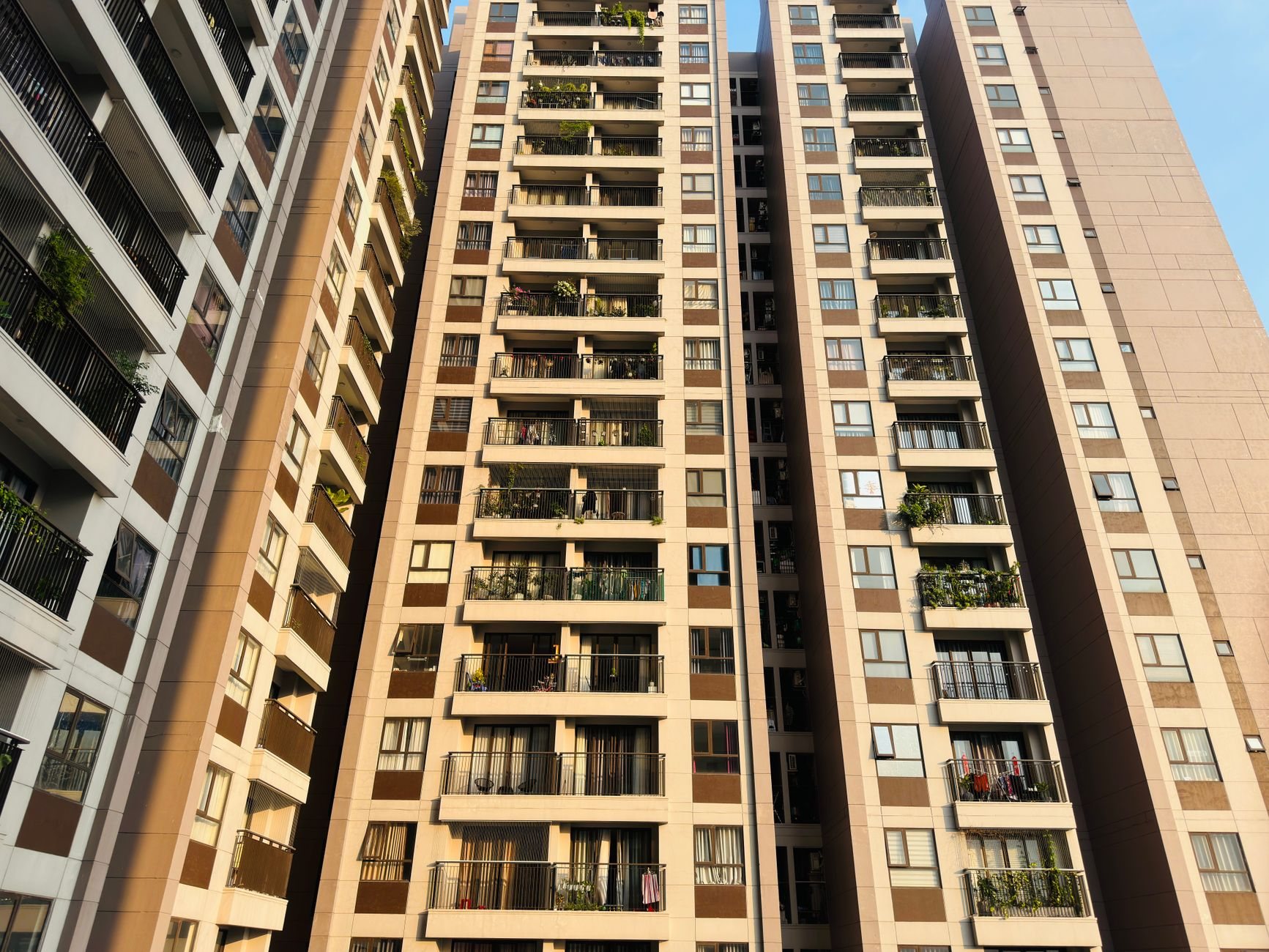
Guardrail or handrail — which one are you actually buying?
They’re different products with different rules. A guardrail protects an edge: current Utah-adopted code calls for one wherever a walking surface sits 30 inches or more above the floor below. A handrail is the graspable bar you hold on a stair — that’s our metal handrail fabrication scope. A stair guardrail often carries a handrail on top; we build that as one assembly.
Welded picket and bar infill is one branch of our metal railings and handrails work. To keep the view open, cable railing uses similar posts with tensioned cable, and glass railing systems set tempered panels in a steel frame; aluminum railings trade stiffness for lighter weight. Steel wins when you need span, rigidity at 42 inches, and a barrier that shrugs off a hand truck.
What a fabricated steel guardrail is made of
Posts are the structure: typically 2-inch square tube or 1½-inch schedule 40 pipe, spaced 4 to 6 feet apart — 42-inch commercial rails run tighter spacing or heavier wall because the lever arm on the post base is longer. The assembly is sized to resist a 200-pound concentrated load at any point and, in commercial work, 50 pounds per foot along its length.
Infill is where guardrails differ from every other rail. Vertical pickets — ½-inch solid bar or ¾-inch tube — are set so a 4-inch sphere can’t pass between them, and the infill must take a 50-pound push on any square foot. Horizontal-bar infill passes current residential code, but some commercial reviewers flag it as climbable; we ask before we draw it. A bottom rail held 2 to 4 inches above the walking surface keeps the sphere rule honest and lets snow clear.
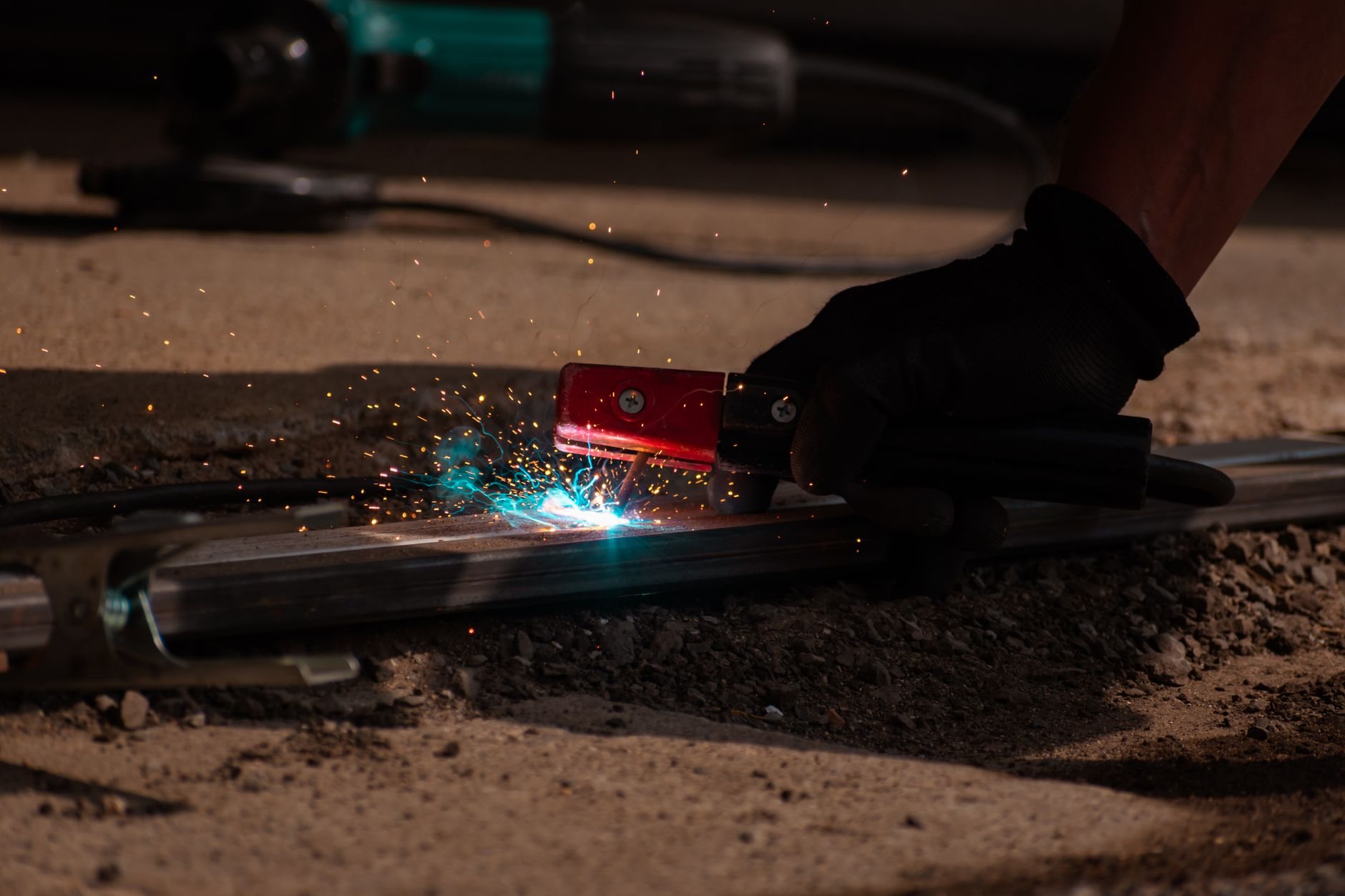
36, 42, or custom: how guardrail height gets decided
Residential guardrails are 36 inches minimum, measured from the walking surface to the top of the rail. Commercial, multifamily common areas, and mixed-use buildings go to 42 inches. Mezzanines and loading docks fall under workplace rules that also land at 42 inches, with a mid-rail and toe board. The International Code Council publishes the model codes Utah adopts; your city confirms the edition and local amendments.
Custom heights come up often. A parapet or curb at a balcony edge counts toward height, so the steel on top may only need to be 18 or 24 inches tall. Bench lots above Provo, Orem, and Draper produce walkout decks with 12-foot drops where owners ask for 42 inches at home for peace of mind. We build posts to each condition rather than shimming stock sections.
Anchoring guardrails to Utah decks and slabs
- Check the substrate. A guardrail transfers that 200-pound load into whatever it’s bolted to. We probe deck rim joists and slab edges before quoting.
- Choose the mount. Base plates with four epoxy anchors on sound concrete; side-mount brackets through-bolted to the rim joist on decks; core-drilled, grouted posts where the slab is thick enough.
- Fabricate in sections. Runs are welded as 8-to-12-foot sections with splice sleeves, sized to fit an elevator and be set by two people.
- Finish for exposure. Powder coat or hot-dip galvanizing outside — high-elevation UV chalks field paint within a few seasons on south-facing balconies.
- Set, splice, and test. Posts plumbed, anchors torqued, every section pushed to load before we leave.
The Wasatch Front’s hundred-odd freeze-thaw days a year are why we’re particular about step two. Water in a core-drilled pocket freezes, spalls the slab edge, and the post goes loose. Setting posts back from the edge and sloping the grout decides whether a guardrail is still tight in year eight.
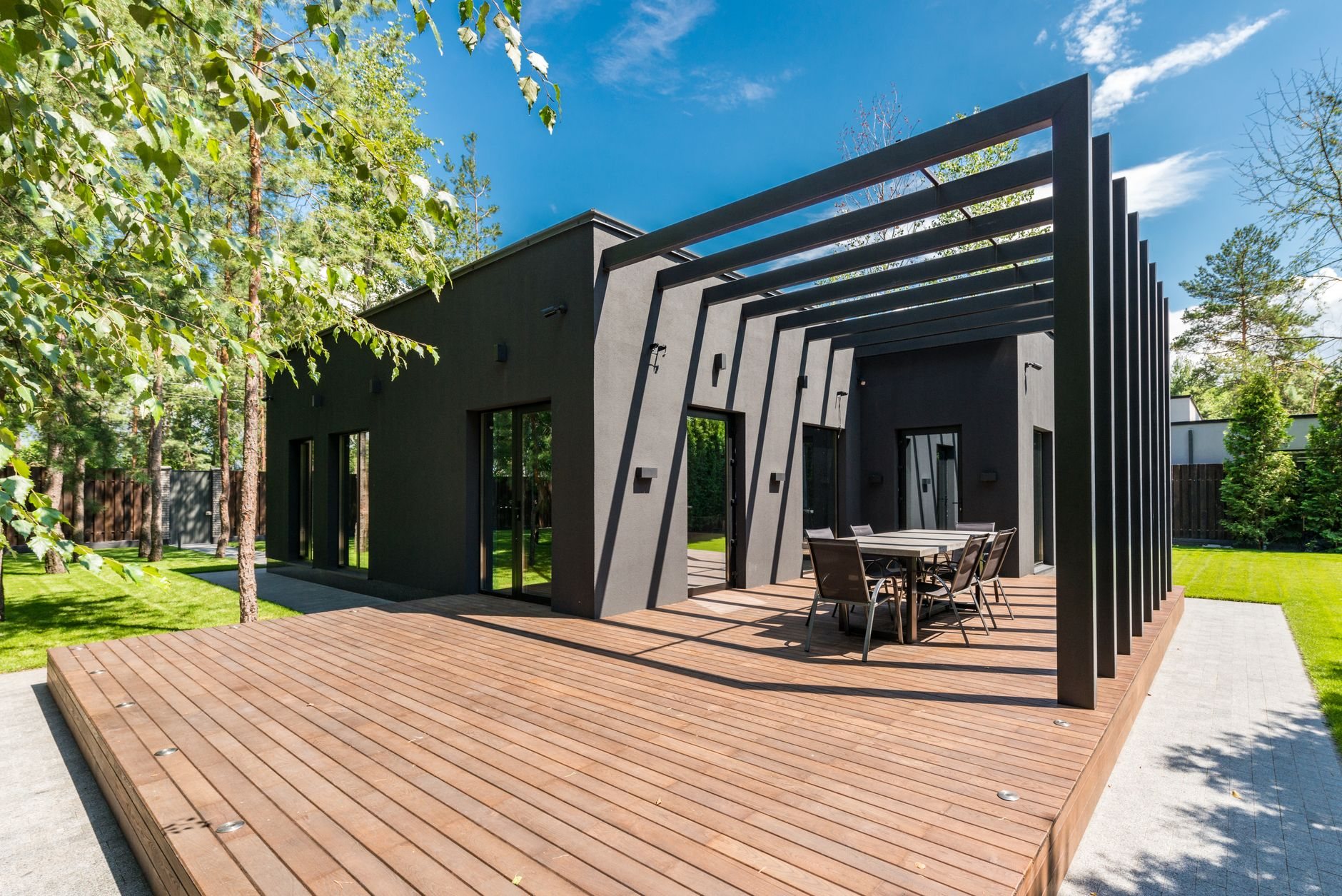
What does steel guardrail fabrication cost in Utah?
As ballpark planning numbers only: a shop-primed 36-inch steel picket guardrail typically runs about $150–$300 per installed linear foot in Utah County. Powder-coated 42-inch commercial or multifamily guardrails commonly land around $275–$450 per foot. A site visit produces a firm proposal.
Height is the first driver — 42 inches means more steel per foot and heavier post bases. Picket count is the second: tighter spacing adds welds, and welds are labor. Anchoring matters more than on handrails because the loads are larger; a deck that needs new blocking takes longer than fresh concrete.
Questions we actually get
My deck rail is 36 inches but the inspector wants 42. Why?
Usually because the building isn’t a single-family home. Duplexes, apartment balconies, HOA common decks, and anything commercial fall under 42-inch rules in current Utah-adopted code. When the original steel is sound we can extend the posts and add a new top rail instead of replacing the run.
Can a guardrail be installed on my existing deck framing?
Often, but the rim joist has to take the load. A side-mounted post tries to rotate the rim, so we add blocking and through-bolts at each post. If the rim is soft or undersized, we’ll tell you first — and if the deck itself needs work, our deck construction scope handles both together.
Do I need a permit for a new guardrail?
Guardrails on a new deck, balcony, or mezzanine are permitted with that work. A like-for-like replacement often isn’t, but the new rail still has to meet current height and opening limits. Lehi and Saratoga Springs process things differently than Provo or Salt Lake City, so verify with your building department or let us.
What’s the difference between a guardrail and a parapet?
A parapet is a solid wall at an edge; a guardrail is an open barrier. Code cares about total height and openings, so a 24-inch stucco parapet with 18 inches of steel on top can satisfy a 42-inch requirement. We anchor into the concrete curb so the connection never relies on stucco.
Tell us about the edge you need to protect
Send a photo of the edge and rough dimensions. We reply within a couple of hours during business hours — a day at most — with a straight read on height, anchoring, and budget. The rest of our fabrication work lives on the specialty capabilities hub; verify our B100 at dopl.utah.gov.