
Vinyl Shake & Scallop Siding
Vinyl shake and scallop siding is molded polypropylene panel cladding that copies cedar shingles and Victorian fish-scale without the restaining — most often on gables, dormers, and the upper story above a lap-sided base. Grandview installs it across Salt Lake City and Utah County under a B100 general contractor license, locked for canyon wind and gapped for the expansion high-elevation sun forces on a molded panel.
Discuss a project Or call (385) 236-1741
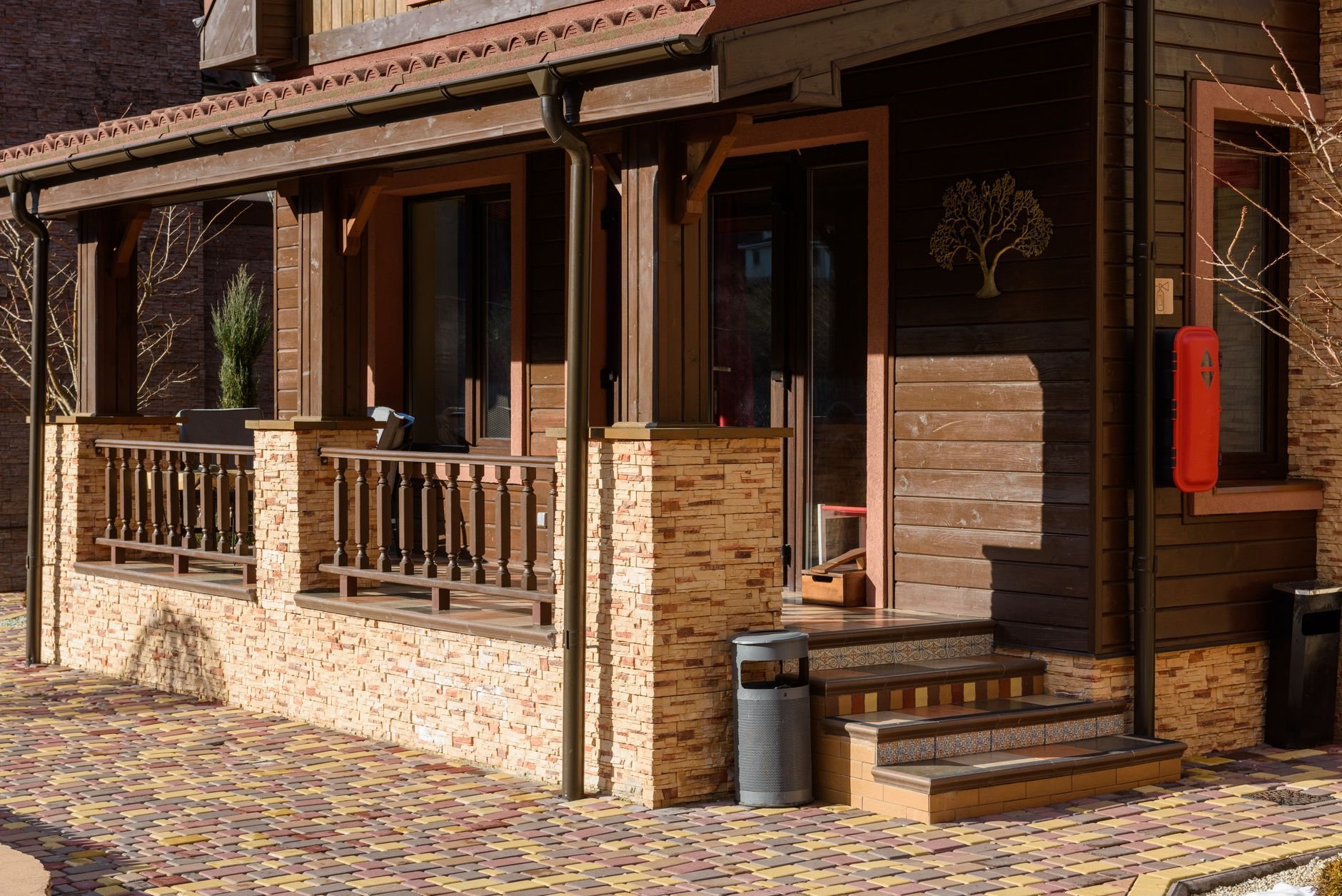
When vinyl shake or scallop is the right panel
Pick vinyl shake when you want shingle texture on a house that’s already vinyl, or about to be, without a second material and its own maintenance schedule. The classic use is accent work: a gable field above horizontal vinyl lap, dormer cheeks, a bay bump-out, the band between a stone water table and the second-story windows. Whole-house shake suits cottage elevations, but most owners reserve it for the walls that face the street.
Against fiber cement shake, vinyl loses on realism up close and rigidity in August heat, but never needs paint, weighs a fraction as much on a tall gable, and costs less installed. Against real cedar shake, it gives up the grain and the silvering patina in exchange for never restaining a south-facing gable again. If the gable wants vertical lines rather than texture, vertical vinyl board-and-batten is a different panel and a different install.
Scallops — half-rounds, or fish-scale — are a narrower call. They belong on Victorian and Queen Anne peaks like the Avenues and Capitol Hill houses that already carry them. On a 1990s two-story in Sandy they look like a costume, and we’ll say so.
What’s different about a molded shake panel
Vinyl lap is extruded: thin PVC, .040 to .046 inch, pushed through a die. Shake and scallop panels are injection-molded polypropylene, usually .080 inch or thicker, cast from molds taken off real cedar shingles so the grain and keyway shadows repeat only every few feet. The result is a stiffer, heavier panel with color through its full thickness. It also moves more: polypropylene grows further with heat than PVC, so every five-foot panel needs its end gap, and most lines carry a temperature-compensating lap joint with molded gauge marks that we set to the day’s thermometer rather than to habit.
Three profiles cover almost every request: straight-edge shingle panels in even 7-inch courses for a tidy Cape Cod line, staggered shake panels with a randomized butt edge for a hand-split read, and half-round scallop panels that interlock on a curved butt. Using the manufacturer’s molded corners, rake trim, and starters instead of generic J-channel is most of the difference between a gable that looks like shingles and a vinyl panel pretending. Installation follows the Vinyl Siding Institute standard for polypropylene siding, which is stricter on gapping and fastening than the PVC lap rules most crews learned on.
How a vinyl shake gable goes together
Tear-off and inspection of the gable sheathing come first, then a new weather-resistive barrier lapped over the wrap below, and a Z-flashing wherever shake sits above a different profile. That transition is where water gets in on a bad job: the top lap course needs a drip edge over it, not a J-channel pocket that fills with meltwater and freezes.
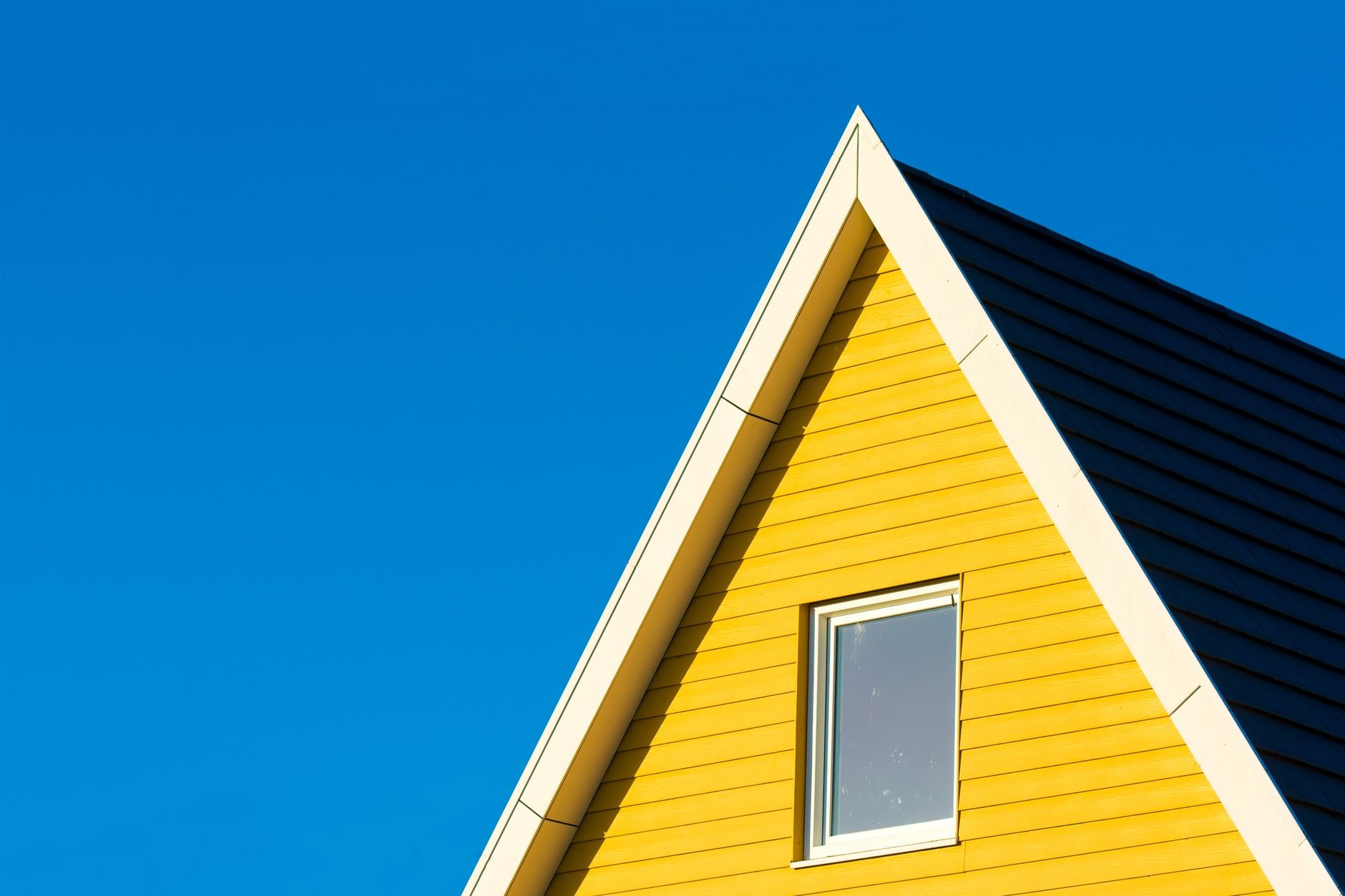
Layout decides whether the wall looks hand-laid or tiled. We find the center of the gable and work outward so the rake cuts mirror each other, and shift every course so the molded seam never stacks over the one below. Each panel locks into the course beneath it, slides into the previous panel’s lap joint, then takes nails in the center of its top-flange slots, heads a dime’s thickness proud so it can move. A face nail through a shingle is a crack waiting for January.
Every rake panel is cut to the roof pitch with a fine-tooth blade run in reverse and tucked into the rake trim with a 1/4-inch gap — 3/8 inch on a cold day, because it will grow by July. Gables are the most wind-loaded surface on a house, so on exposed bench lots we tighten fastening to 8–12 inches and confirm every lock is seated before moving up a course. Kick-out flashing goes in wherever a lower roof dies into the wall. The channel and rake trim framing the field is covered under siding trim and J-channel detailing; the full sequence from tear-off to close-out lives on the main siding installation page. Siding, wrap, and flashing are carpentry we perform under our DOPL-verifiable B100 license; if a gable light has to move, licensed electricians handle the wiring with Grandview holding the contract and checking the result.
What does vinyl shake and scallop siding cost in Salt Lake City?
As ballpark planning numbers only: molded vinyl shake and scallop along the Wasatch Front typically runs about $10–16 per square foot installed, roughly double plain vinyl lap, because the panel costs several times more and gable work is slow, cut-heavy, and done from staging. Two to four gable fields with molded trim, done alongside a lap re-side, commonly add $3,000–9,000 to that project. These are ranges to plan with, not a quote — a firm number follows a site walk and a written scope.
- Profile. Straight-edge shingle sits at the bottom of the range, staggered shake in the middle, scallop at the top.
- Molded accessories. Color-matched shake corners and rake trim cost more than generic J-channel; they’re also what makes the panel pass for shingles.
- Height and pitch. A 12:12 gable over a walkout basement needs real staging and triples the cut count of a shallow one.
Questions we actually get
Can I put vinyl shake on just the gables and leave the rest lap?
Yes, and that’s the most common way it’s used. The gable field gets its own flashing at the transition, and the panels should come from the same manufacturer’s color line as the lap so the two age together in the sun. Mixing brands usually shows by the second summer.
Will vinyl shake fade on a sun-facing gable?
Slowly. UV along the Wasatch Front is harsher than at sea level, and a west gable takes it all afternoon. Molded shake resists fading better than extruded lap because the color runs through the full thickness; dark shades should be a heat-rated color. Plan on 25–30 years of acceptable color from a mid-grade panel.
How does vinyl shake handle hail and canyon wind?
Better than lap in wind: the panel is twice as thick, nailed at every slot, and locked to the course below. Hail is the weak point in winter, when polypropylene turns brittle and a hard strike can crack a shingle. Individual panels come out and replace without disturbing the gable, under siding repair.
Do I need HOA approval to add shake or scallop accents?
In most newer developments around Lehi, Saratoga Springs, Eagle Mountain, and Herriman, yes — a change in texture on the street-facing elevation usually needs architectural review even when the material stays vinyl. We submit the manufacturer’s profile and color sheet and build the approval window into the schedule.
Tell us which walls want the texture
Send a photo of the gable and the siding below it. We reply within a couple of hours during business hours — a day at most — with a straight read on profile, color, and budget before anyone commits to anything. The rest of the shell lives under site, structure & envelope.