
Siding repair & replacement in Salt Lake City
Siding repair is the targeted fix: swapping failed boards or panels, re-flashing a leak, and re-sealing joints without stripping a wall that still works. Grandview repairs and replaces lap, shake, panel, and vinyl siding across Salt Lake City under a B100 license, and says plainly when a repair stops being worth it.
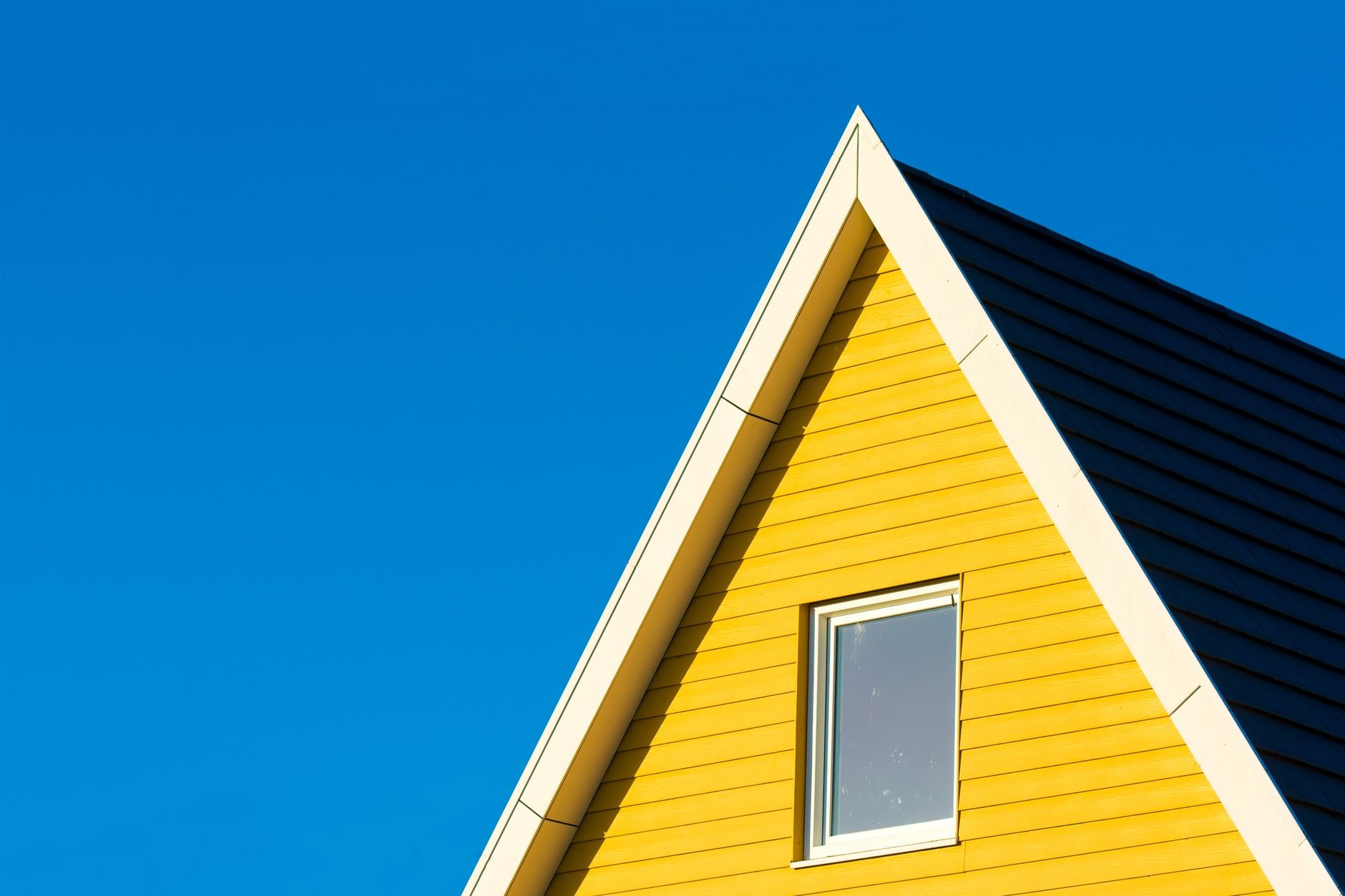
Repair, partial replacement, or the whole house?
A repair makes sense when the failure is local and the rest of the wall is sound: a few cracked fiber cement boards at a hose bib, a vinyl panel punched by a mower stone, a rotted section under a window where the flashing was never right. The profile is still made, the house wrap is intact, and the damage stops where you can see it stop.
Partial replacement is the middle option, and often the right one here. South- and west-facing walls take far more UV at our elevation, so one exposure chalks and cracks a decade ahead of the rest. Replacing that wall corner to corner avoids patching twelve new boards into a sun-bleached field.
Full replacement is the honest answer when the house wrap has failed broadly, the sheathing is soft in more than one place, or the product itself is the problem: brittle early vinyl, delaminating hardboard, asbestos-cement shingles. That scope lives on our siding installation and replacement page. If one wind or hail event broke the wall and an adjuster is involved, storm and hail damage siding repair covers that differently paced process. When the siding is fine but the edges above it are failing, soffit and fascia replacement is its own scope.
How a siding repair is actually done
The method depends on what’s on the wall, so we identify the product before quoting. Each material comes apart differently.
Fiber cement lap
Blind-nailed fiber cement lap boards are locked in by the course above. We cut the hidden nails with an oscillating tool, pull the damaged piece, check the wrap and sheathing, slide a new board under the course above, face-nail it with corrosion-resistant fasteners, then prime and paint cut ends and nail heads. Skip a step and the patch telegraphs.
Vinyl
On vinyl lap, a zip tool releases the panel above, the damaged panel’s nail hem is freed, and the new panel is hung loose, nailed in the center of the slot, and re-locked. When a discontinued color won’t match, we move a good panel from a hidden spot (behind a downspout, under a deck) to the visible repair and put the new one where nobody looks.
Engineered wood and solid wood
Engineered lap gets a direct swap with sealed cut edges and the manufacturer’s clearance to grade restored, which is usually why it rotted. Solid cedar and hardboard get probed furthest: rot rarely stops at the board you can see, so we open the wall to sound material.
Behind the board
Every repair gets the same inspection: sheathing probed, house wrap patched and taped with the lap running the right way, flashing reset at the sill or kick-out that let water in. Leaks at corners and window edges often trace to trim and J-channel detailing, not the field boards. A repair over a leak you didn’t fix buys about two seasons. On painted siding from before 1978, disturbing that paint means following EPA lead-safe work practices, a real part of the scope in older Salt Lake neighborhoods.
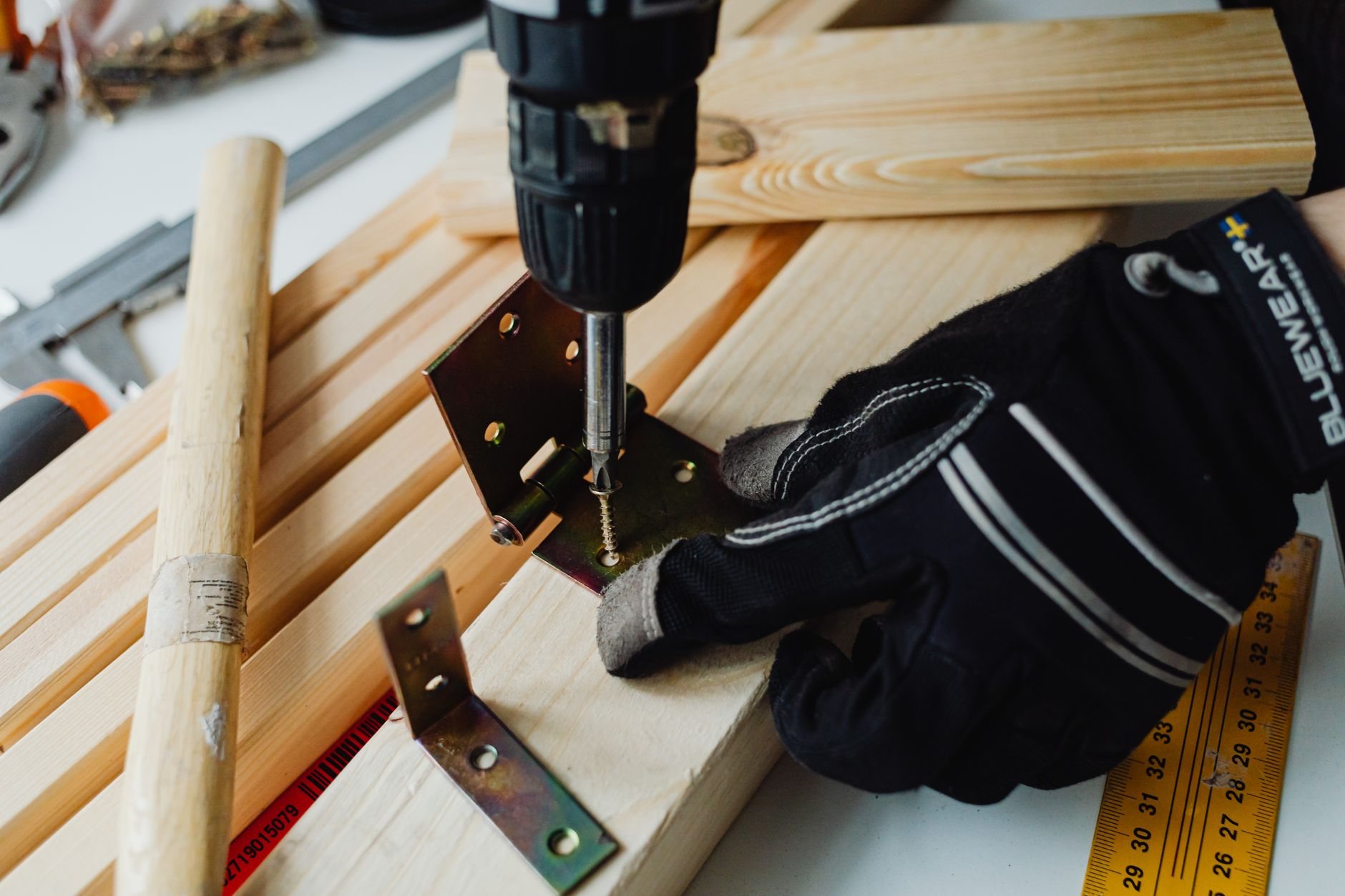
Matching old siding in an older city
Salt Lake City’s housing stock runs older than Utah County’s, and that shapes repairs. Mid-century homes in Rose Park, Sugar House, and Millcreek often carry asbestos-cement shingles, aluminum lap, or hardboard not made in decades. We match with salvaged material or a current product in the same exposure and profile, or reset the wall at a natural break. Older lap is usually a 4- or 5-inch exposure, widths still made today.
Color is the honest limitation: a new board beside a wall that has weathered twenty Utah summers reads lighter. The fix is to repaint the repaired wall edge to edge through siding painting, so the color break lands at a corner. Homes in a local historic district may need approval for visible exterior changes; verify with Salt Lake City Planning before material is ordered. The rest of the shell lives under site, structure & envelope; our license is verifiable at DOPL.
What does siding repair cost in Salt Lake City?
As ballpark planning numbers only: a small repair of a few boards or panels with caulk and flashing reset typically runs about $500 to $1,500; a single-wall partial replacement usually lands roughly between $3,000 and $9,000 depending on material and height; sheathing rot adds on top. These are ranges to plan with, not quotes.
What moves it:
- What’s behind it. A written discovery allowance covers rot, used only with your approval and photos.
- Painting. Blending a repair usually means painting the wall, often the biggest line on a small job.
- Sealant quality. Joints along the Wasatch Front live through a hundred-plus freeze–thaw cycles a year. High-movement sealant costs a little more and decides whether the joint reopens by spring.
Questions we actually get
How do I know if my siding can be repaired or needs replacing?
Count exposures, not boards. Damage confined to one wall or a few spots, with a product still in production and dry sheathing behind it, is a repair. Soft sheathing in several places, failed house wrap, or a material nobody makes anymore points to replacement. You get that read on the first visit.
Can you match siding that’s been discontinued?
Often, with caveats. Profile and exposure usually match; color on a weathered wall often doesn’t. The workable answers are salvaging panels from a hidden area of your own house, or replacing to a corner and painting that wall so the transition disappears.
Will a repair hold up to canyon wind?
Yes, if it’s fastened like the original should have been. Replacement boards and panels get the manufacturer’s high-wind nailing pattern, and loose neighbors get re-secured in the same visit. Wind usually exposes an installation shortcut, not a material failure, so the fix is in the fastening schedule.
Can siding repairs be done in winter?
Fiber cement and engineered wood repairs go on year-round. Vinyl turns brittle below freezing, so we may hold a vinyl repair for a milder day. Caulk and paint have minimum application temperatures, so in cold months we sometimes dry the wall in now and return for sealant and color.
Send a photo of the bad wall
We reply within a couple of hours during business hours, a day at most, with a straight read on repair versus replace and a realistic range.