
Cedar shake & shingle siding
Cedar shingles are sawn, tapered pieces of Western red cedar laid in overlapping courses; shakes are the thicker, split-face version. They suit gables, dormers, and walls that want texture instead of a shadow line, and Grandview installs them under a Utah B100 general contractor license over a vented breather mat with stainless fasteners.
When shakes or shingles are the right wood profile
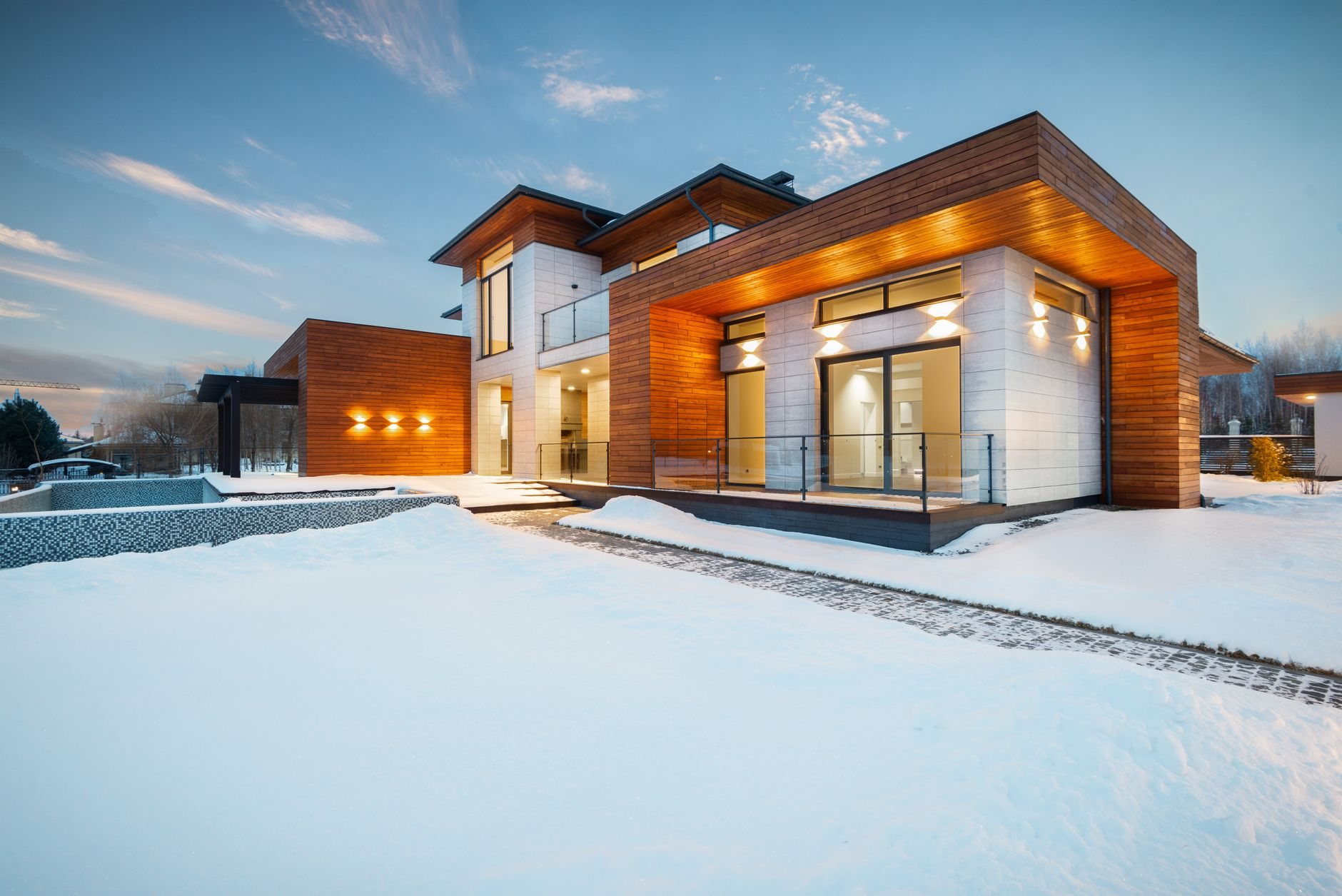
Choose cedar shingles when the house is a Craftsman, a Shingle-style, or a Victorian with fancy-cut gables — the Avenues and Sugar House have hundreds — and the original material is what the street expects. In Salt Lake City’s local historic districts, design review tends to favor like-for-like replacement; verify with the city’s planning division first.
On a newer home they work as an accent: a gable end above cedar lap, a dormer face, or a band under the eaves. Of the wood siblings, lap casts a horizontal shadow line, tongue-and-groove lays flat and modern, and board-and-batten goes vertical. Shingles alone read as a field of small units, and that texture is the reason to pick them.
If you want the look without the recoat schedule, fiber cement shake panels or vinyl shake are the better buy. Real cedar is the answer when you want grain and one-shingle-at-a-time repairs.
Shakes versus shingles: pick the texture first
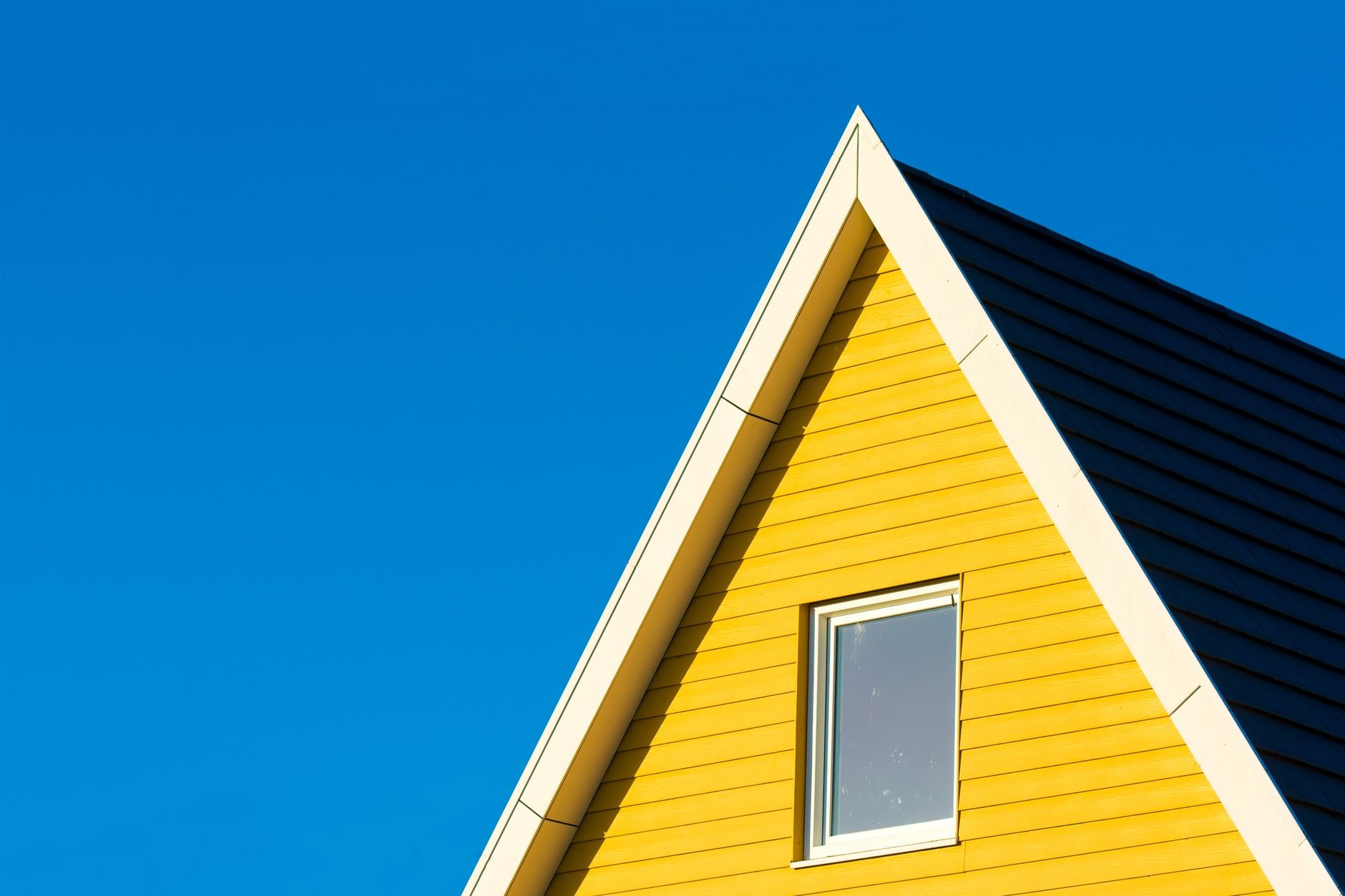
A shingle is sawn on both faces, tapered, and uniform enough to lay with tight keyways and a crisp butt line. A shake is split on at least one face, roughly twice as thick, and lays rougher with wider gaps. For sidewalls we recommend shingles on most homes: they lie flatter, take stain evenly, and shed water better. Shakes suit a mountain-cabin read on an Alpine or Cottonwood Heights lot.
No. 1 Blue Label is clear, all-heartwood, edge-grain — the only grade we’ll put on a wall left natural or finished semi-transparent. No. 2 Red Label allows flat grain and sapwood and belongs under solid stain or paint. The Cedar Shake & Shingle Bureau grading rules and exposure tables are the standard we build to; ask for the Certi-label on the bundle. Rebutted-and-rejointed (R&R) sidewall shingles lay straight without field planing and are worth the upcharge.
What cedar shingle installation involves
- Breather mat over the barrier. Shingles nailed flat to house wrap trap water against the wall. A three-dimensional drainage mat over the weather-resistive barrier lets every shingle dry from behind.
- Set the exposure. 16-inch shingles lay at up to 7½ inches on a sidewall, 18-inch at up to 8½. We set it so full courses land at window heads and sills, then snap every line.
- Double starter course. The bottom course is laid twice, joints offset, so the first butt line is solid and sits six inches above grade — higher on bench lots where snow piles against the wall.
- Keyways and offsets. A ⅛- to ¼-inch gap for swelling, joints offset at least 1½ inches from the course below, and no joint lining up through three courses.
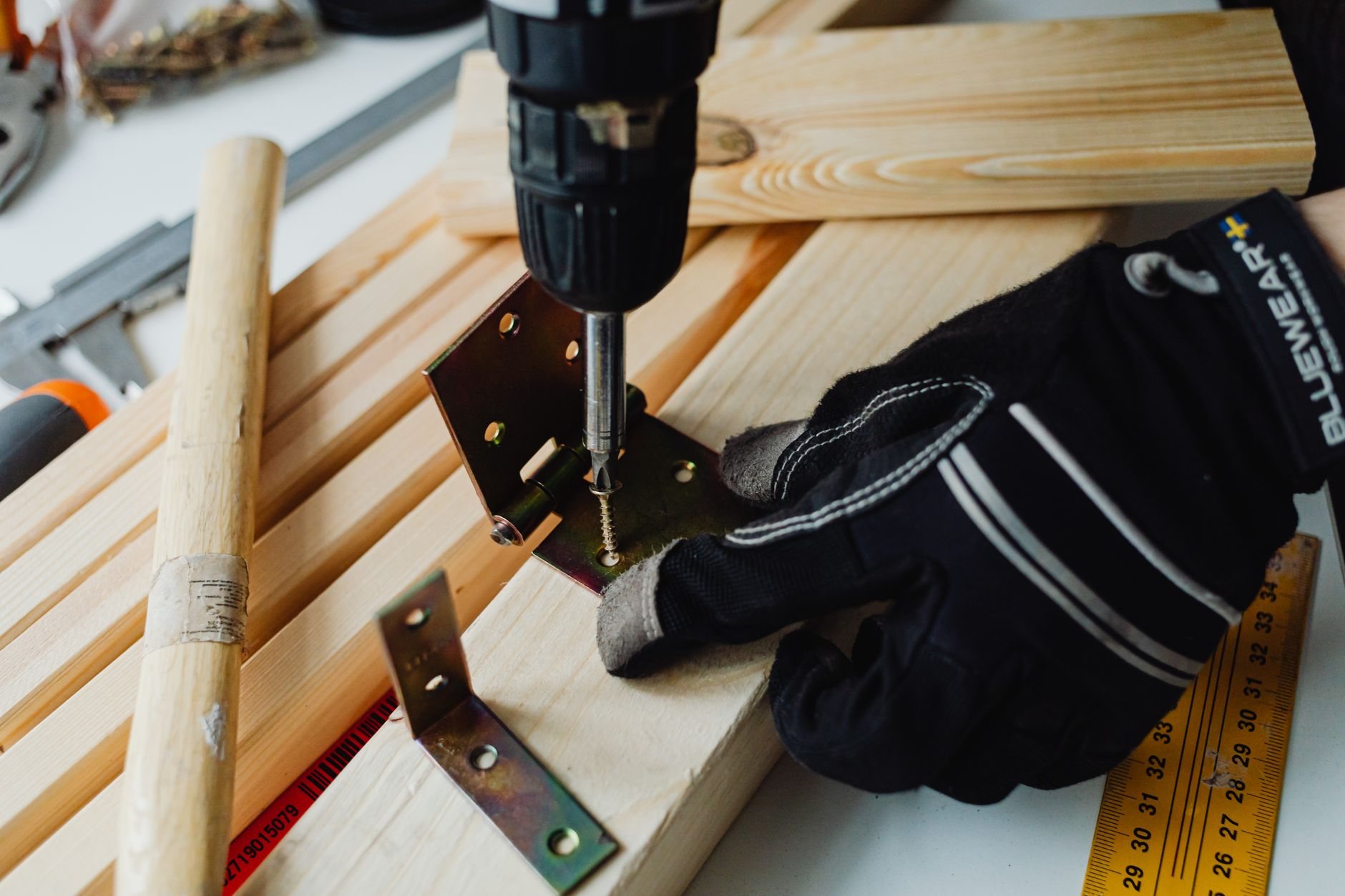
- Two stainless nails each. One nail ¾ inch in from each edge, driven about an inch above the next course’s butt line so it’s covered. Ring-shank stainless, never galvanized — cedar tannins streak iron black within a season.
- Corners and finish. Woven corners or corner boards, flashing at every window head, then stain. Professional painting crews apply it; Grandview holds the contract, sequences it, and checks the result.
Shingles, breather mat, flashing, and trim are carpentry scopes we perform under a DOPL-verifiable B100 license. Tear-off and dry-in follow our siding installation and replacement sequence; the rest of the shell lives under site, structure & envelope.
Where cedar shingles go wrong along the Wasatch Front
Sun first. At our elevation UV is harsher than at sea level, and a south-facing shingle gable silvers in a couple of seasons while the north side stays blond. Finish it if you want it even. Semi-transparent stain on sunny exposures needs a recoat every three to five years; our siding staining service handles that.
Wind second. Canyon-wind gusts in Centerville and Farmington will lift an under-nailed course of small units. We hold the two-nail rule on every shingle and tighten spacing on exposed gables.
Fire third. Untreated cedar is combustible, and foothill lots inside a wildland-urban interface zone may require ignition-resistant exterior materials; pressure-impregnated fire-retardant shingles exist for that case. Verify with your city’s building department before you order.
What does cedar shake siding cost in Salt Lake City?
As ballpark planning numbers only: installed No. 1 cedar shingle sidewall along the Wasatch Front typically runs about $14–24 per square foot including breather mat, stainless fasteners, trim, and a first stain coat. Hand-split shakes and fancy-cut patterns sit at the top of that range. A firm estimate follows a site walk and a written scope.
- Gable accent or whole wall. A single gable is few bundles but a lot of scaffold time per square foot.
- Grade and product. R&R and factory-primed shingles cost more per square and save labor; fire-retardant treatment adds a real premium.
- Pattern. Fish-scale, diamond, and staggered-butt courses are hand-cut and laid and roughly double install labor on that area.
Questions we actually get
Can cedar shingles be installed directly over house wrap?
Not on our jobs. Shingles are thin and absorbent, and nailed tight to the wrap they hold water against the wall and curl. A breather mat behind them lets the back face dry — the biggest single factor in whether they last twenty years or ten.
Should I leave cedar shingles natural or stain them?
Natural works on a wall that will weather evenly, which in Utah usually means a shaded or north-facing one. Sunny exposures grey fast and unevenly. Semi-transparent stain keeps color consistent and fails by fading rather than peeling. Bleaching oil gives a controlled, uniform silver if that’s the look you’re after.
Can you match a fancy-cut Victorian gable?
Yes. Fish-scale, diamond, octagon, and arrow patterns are stocked by sidewall shingle suppliers or cut on site from No. 1 stock. We photograph and measure the original, lay out the rows where they were, and keep a few originals as a color reference for the painter.
Do shingles cost more than cedar lap?
Usually a little more per square foot installed. Material is comparable, but shingles mean more pieces, more nails, and more layout time, and a gable’s scaffold cost spreads over less area. The trade-off is repairability: a cracked shingle slides out and a new one slides in without disturbing the courses around it.
Tell us about the gable
Send a photo of the wall. We reply within a couple of hours during business hours — a day at most — with a straight read on grade, exposure, and budget before anyone commits to anything.