
Horizontal vinyl lap siding installation in Salt Lake City
Horizontal vinyl lap is the lowest-cost full-house cladding that never needs paint — interlocking PVC panels in clapboard, dutch lap, or beaded profiles hung loose on a nailing hem. Grandview installs it across Salt Lake and Utah counties under a B100 license, gapped and fastened for a climate that swings a hundred degrees between January and July.
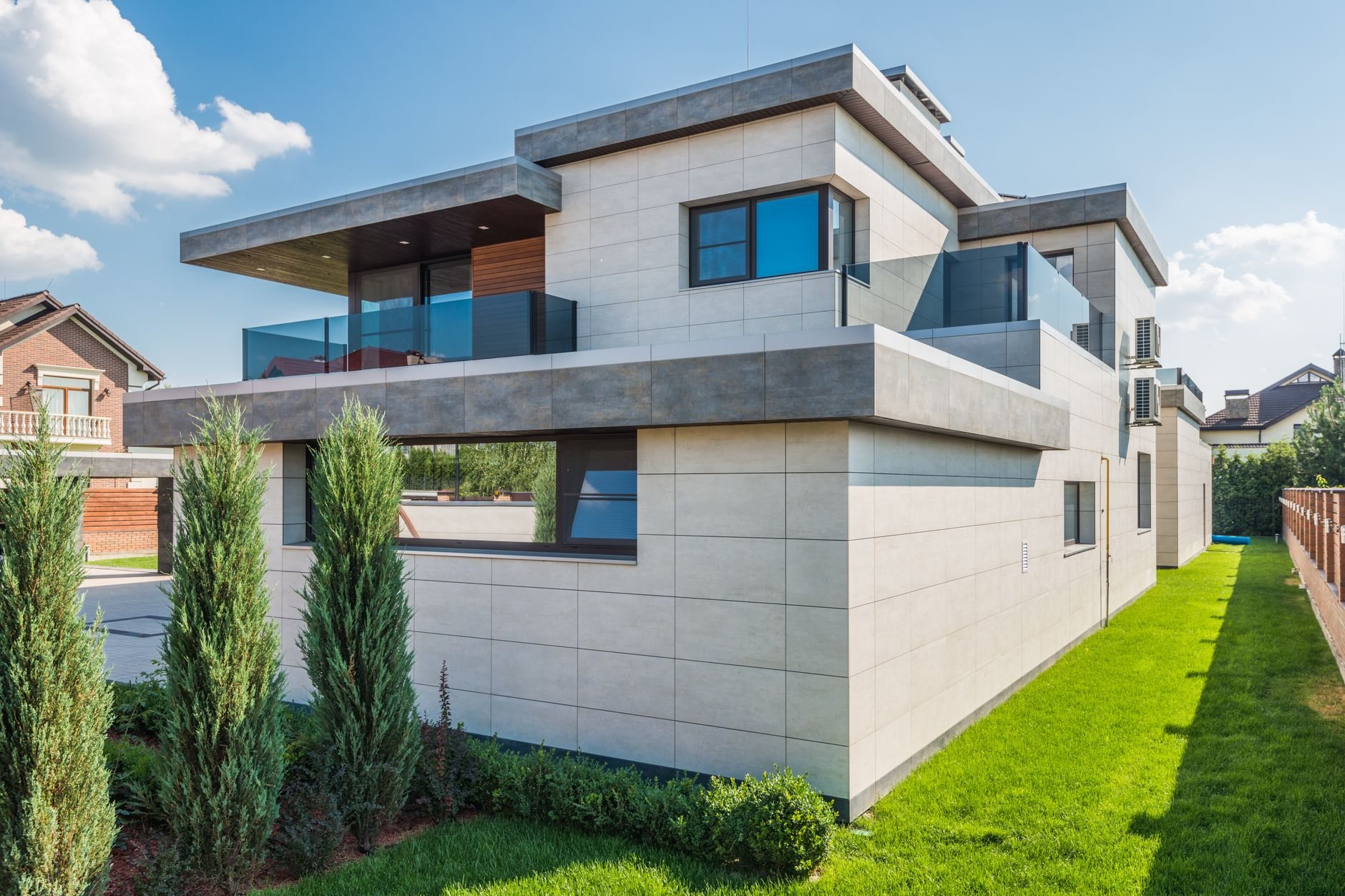
When horizontal vinyl lap is the right profile
Choose horizontal lap when the budget has to cover the whole house, you want the exterior done for a couple of decades without a painter, and the house reads as traditional — a rambler, a split-entry, a 1970s two-story in Taylorsville or Sandy. Lap is the profile every manufacturer makes in the most colors and thicknesses, so matching an HOA palette is easiest here.
Within the family the choice is shadow line: double 4-inch and double 5-inch clapboard are the default, dutch lap adds a beveled notch at each course and reads more historic, and triple 3-inch suits Avenues and Sugar House bungalows. For vertical lines, vertical vinyl and board-and-batten is a different panel and a different install. For texture on a gable or bay, vinyl shake and scallop accents mix with lap on the same wall. And if you plan to stay thirty years on a west-facing bench lot, read the fiber cement lap page first — vinyl’s advantage is price, not longevity in hard sun.
What a vinyl lap install actually involves
Vinyl forgives almost everything except being nailed tight. A 12-foot panel of double 4-inch lap moves roughly half an inch between a January night and a July afternoon in the Salt Lake Valley, and every rule below exists to let that happen without buckling or popping the lock.
Tear-off comes first, then sheathing repair and a new weather-resistive barrier — vinyl sheds rain, but the wrap and flashing underneath keep the wall dry, so that layer is inspected and photographed before any panel goes on. Wavy older sheathing gets fan-fold underlayment or foam-backed insulated lap to flatten it.
A level starter strip sets every course on the house, so we shoot it with a laser rather than trusting the foundation. Corner posts, J-channel at openings and rooflines, and utility trim under sills go on before panels, weep paths kept open. Panels are nailed in the center of the slot, a dime’s thickness short of tight, 16 inches on center at most, never face-nailed. Ends get a 1/4-inch gap inside the channels — 3/8 inch in cold weather, because the panel will grow. Seams stagger course to course, with the factory overlap turned away from the main approach so joints read cleanly from the street. Those rules track the Vinyl Siding Institute installation standard — the difference between vinyl that’s flat at year ten and vinyl that waves after one summer.
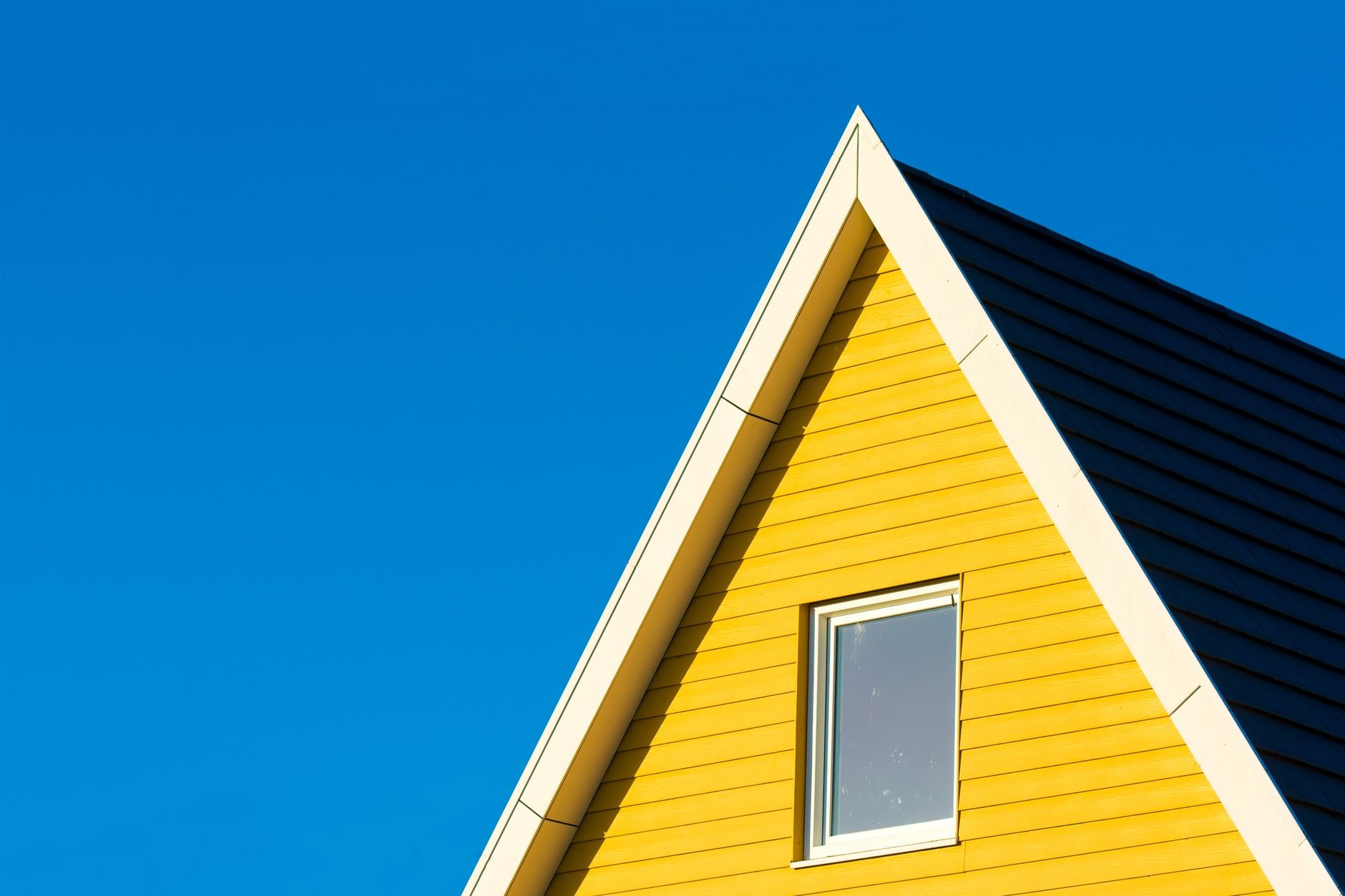
Siding, wrap, flashing, and trim are carpentry we perform under our DOPL-verifiable B100 license; relocating an exterior outlet to clear a corner post is done by licensed electricians, with Grandview holding the contract and checking their work. The J-channel and corner detailing that makes or breaks a vinyl job runs in the same mobilization, and the full project sequence is on the main siding installation page.
Three Utah problems that are specific to vinyl
Cold-weather brittleness. Below freezing, vinyl cracks when snipped or struck, so winter installs need a saw instead of shears, wider gaps, and panels staged somewhere warmer than the truck. We schedule around the hard-cold stretches, not through them.
Heat distortion. Dark colors soak up high-elevation sun, and standard vinyl softens around 160°F surface temperature. Premium lines use heat-reflective pigments for dark colors; builder-grade dark vinyl on a south or west wall is a mistake we’ll talk you out of. The sneakier version is reflected heat: a neighbor’s low-e window can focus sunlight onto your wall and warp a stripe of panels, so on close-set infill lots we check sight lines to adjacent glass before picking a color.
Canyon wind. Gusts off the Wasatch canyons can exceed the 110-mph rating most standard panels carry at a basic nail schedule. On exposed lots we specify .044- to .046-inch panels with a reinforced nailing hem, tighten fastening to 8–12 inches, and confirm every lock is fully engaged — a half-seated lock is the panel that ends up in the yard.
What does vinyl lap siding cost in Salt Lake City?
As ballpark planning numbers only: horizontal vinyl lap along the Wasatch Front typically runs about $6–9 per square foot installed, including tear-off, house wrap, corners, J-channel, and standard trim; foam-backed insulated lap adds roughly $2–3 more. A typical two-story lands between roughly $14,000 and $26,000. These are ranges to plan with, not a quote — a firm estimate follows a site walk and a written scope.
- Panel thickness. Builder-grade .040-inch panels sit at the bottom of the range; .044–.046-inch premium panels cost more and stay flatter through our temperature swings.
- Profile and color. Dutch lap and beaded profiles run above plain clapboard; heat-reflective dark colors carry a premium over whites and tans.
- Wall prep. Rotted sheathing or multiple old layers change the tear-off scope; we set a discovery allowance up front.
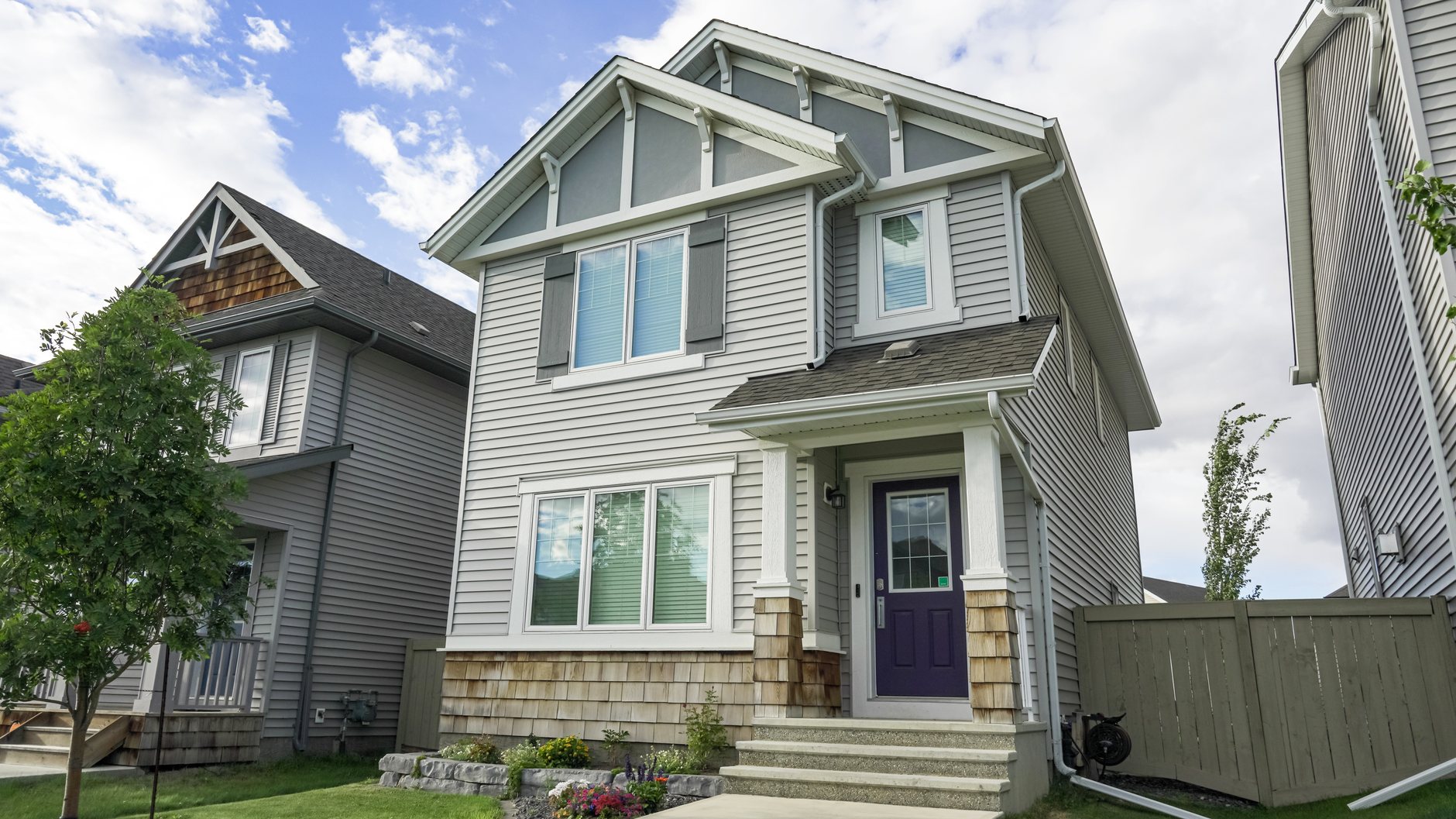
Questions we actually get
Can new vinyl lap go over my existing siding?
Sometimes over flat hardboard or old aluminum, with fan-fold underlayment to level the wall. Not over old vinyl or anything with soft spots — it hides water damage and makes window trim depths awkward. Tear-off costs a little more and lets us fix the wrap and flashing, which is what keeps the wall dry.
Why do some vinyl walls look wavy?
Almost always because panels were nailed tight or the wall wasn’t flat. Vinyl has to slide on its nails to move through Utah’s seasons; pin it and it buckles. The other cause is heat — dark colors or sunlight reflected off a neighbor’s window softening the panel. Correct nailing, a flat substrate, and the right color grade prevent all of it.
How long does vinyl lap siding last here?
Plan on 20–30 years for a mid-grade or better panel, less for builder-grade on sun-facing sides. Elevation UV along the Wasatch Front chalks and fades vinyl faster than at sea level, so south and west walls age first. Hail or a mower is the usual early failure; individual panels unzip and replace, covered under siding repair.
Tell us what your walls are doing
Send a photo of the worst exposure. We reply within a couple of hours during business hours — a day at most — with a straight read on grade, profile, and budget before anyone commits to anything. The rest of the shell lives under site, structure & envelope.