
Soffit & fascia installation in Salt Lake City
Fascia caps the rafter tails and carries the gutter; soffit closes the underside of the eave and lets the attic breathe. Grandview replaces, wraps, and installs both across Salt Lake County and Utah County under a B100 general contractor license, as a stand-alone scope or alongside new siding or a roof.

When soffit and fascia deserve their own project
The first is rot. Fascia takes water from above and from gutter overflow, and once the paint fails the board goes soft behind the gutter where nobody sees it. A sagging gutter is usually a fascia problem wearing a gutter costume.
The second is ventilation. Older Wasatch Front homes often have solid plywood soffits with a few token vents, many painted shut decades ago. A warm, poorly vented attic melts roof snow from underneath, and the meltwater refreezes at the cold eave as an ice dam. If you’ve chipped ice off your gutters in February, the soffit is part of the fix.
The third is wind. Canyon-wind events pop soffit panels out of their channels and peel fascia wrap off like foil. Storm damage siding repair covers the insurance side; this page covers rebuilding it so it stays put.
Where the lines fall: siding trim and corner detailing handles wall-side trim at windows and corners, siding repair deals with the panels themselves, and when a full exterior is on the table, soffit and fascia fold into the siding installation scope.
What the work involves
Fascia first. The gutter comes down, the fascia board comes off, and we check the rafter tails and sub-fascia behind it. Soft tails get sistered or cut back and blocked; missing sub-fascia gets added. New fascia is typically a 1×6 or 1×8 primed finger-joint or fiber cement board with scarfed joints landing on rafter tails, then painted or wrapped in color-matched aluminum coil stock bent on site. Drip edge tucks under the shingle starter and over the fascia so runoff can’t get behind it.
Then the soffit: vented aluminum panel, vented vinyl panel, or fiber cement soffit board with continuous strip vents. Aluminum handles UV at our elevation best and never needs paint; vinyl costs less but moves enough across a Salt Lake summer-to-winter swing that it has to float in its F-channel; fiber cement matches a painted fiber cement siding job and takes a hit without denting. Panels run in a channel on the wall side and a receiving channel on the fascia side, with a frieze board closing against the siding.
The part most people never see is the ventilation math. Current Utah-adopted code sizes attic ventilation to the attic floor area, split between low intake at the soffit and high exhaust at the ridge or gable. We size the net free area of the soffit vents against the attic, confirm the exhaust side exists, and set baffles at the eave so insulation doesn’t choke the intake. The U.S. Department of Energy’s guidance on attic ventilation explains the why in plain English.
Fastening is the Utah-specific finish. Soffit panels get a fastener in every slot rather than every other, aluminum fascia wrap gets face-nailed at the bottom hem instead of relying on the gutter to hold it, and bench lots in gust corridors get sealed panel ends. We are fond of straight lines and straight answers, and a fascia run that reads true from the street is what a new gutter needs anyway.
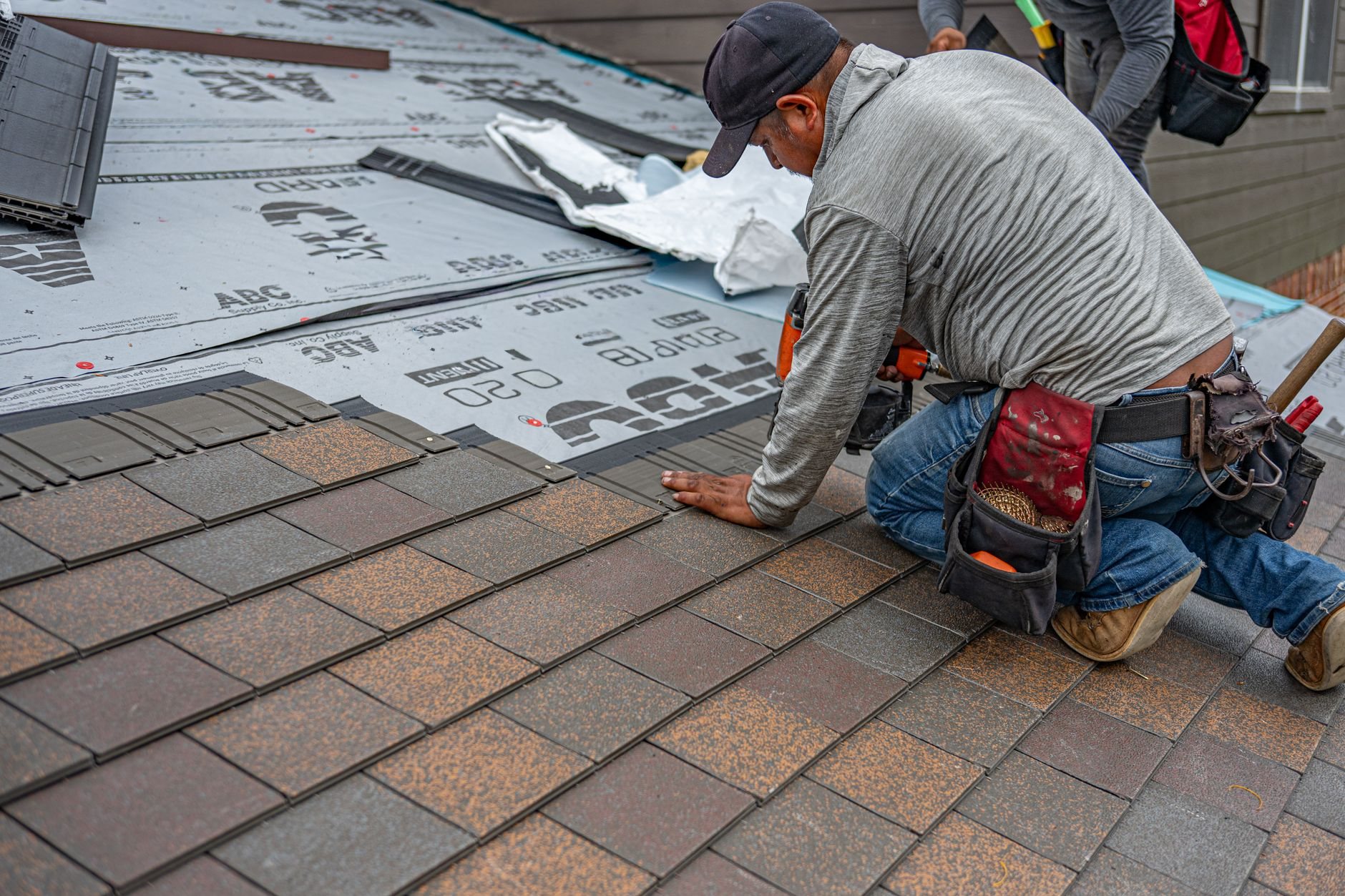
How a soffit and fascia job runs
- Walk the eaves. We probe fascia behind the gutters, check the soffit for daylight and staining, and count vents against attic size. You get a read on wrap versus replace.
- Set the scope. Material, color, vented versus solid panels, what happens if rafter tails are rotten, and whether gutters go back up or get replaced. Priced in writing.
- Strip and repair. Gutters down, old fascia and soffit off, framing repaired and photographed before it’s covered.
- Install and seal. Sub-fascia, fascia, drip edge, channels, soffit panels, frieze, and sealant at every end and penetration.
- Rehang and close out. Gutters go back on a true, solid fascia. Walkthrough and a magnet sweep of the beds below.
Fascia and gutters are one assembly in practice, so gutter installation runs in the same visit when yours are tired, and roofing sequences with the roof edge so drip edge gets done once.
What does soffit and fascia installation cost in Salt Lake City?
As ballpark planning numbers only: replacing soffit and fascia together along the Wasatch Front runs roughly $8–$20 per linear foot of eave installed, aluminum and vinyl at the low end, painted wood or fiber cement at the top. Most single-family homes carry 150–250 linear feet of eave, so a full perimeter lands between about $2,000 and $6,000 before framing repair. Ranges to plan with, not quotes.
- Height. Two-story eaves and steep lots mean staging or lift time.
- Eave depth. A 24-inch overhang uses twice the soffit of a 12-inch one.
- Hidden framing repair. A discovery allowance for rafter tails and sub-fascia keeps the number from moving without a conversation.
- Finish path. Pre-finished aluminum skips the painter; primed wood fascia needs two coats in a high-elevation UV climate that eats paint on south and west eaves first.
Questions we actually get
Can you wrap my existing fascia instead of replacing it?
Yes, if the wood underneath is sound. Aluminum wrap over solid, dry fascia is a legitimate lower-cost finish that ends repainting for good. Wrapping rotted fascia just hides it, and the gutter screws pull out within a season or two. We probe before recommending either path.
Will new vented soffit fix my ice dams?
It fixes the intake half of the problem. Ice dams come from attic heat melting roof snow, so you also need working ridge or gable exhaust and enough insulation with the eave kept clear by baffles. Soffit replacement is the right time to do all of it; we’ll tell you if the exhaust side is missing.
Do the gutters have to come down?
For fascia work, yes. The gutter hangs on the fascia, so it comes off to replace or wrap the board properly; we store it and rehang on the new surface with new hangers. Soffit-only work can sometimes leave gutters up, depending on how the receiving channel is detailed.
Tell us what your roof edge is doing
Send a photo of the worst stretch of eave. We reply within a couple of hours during business hours — a day at most — with a straight read on wrap versus replace and a budget range. Our B100 license is verifiable at dopl.utah.gov, and the rest of the envelope lives under site, structure & envelope.