
Fiber Cement Stucco-Look Panel Siding
Stucco-textured fiber cement panels give you the flat, rendered look of a stucco wall without lath, three wet coats, or the hairline cracking that follows a Utah winter. Grandview installs them across Utah County and the Salt Lake Valley under a B100 general contractor license, as a full wall system with flashed joints and a drainage plane behind the panels.
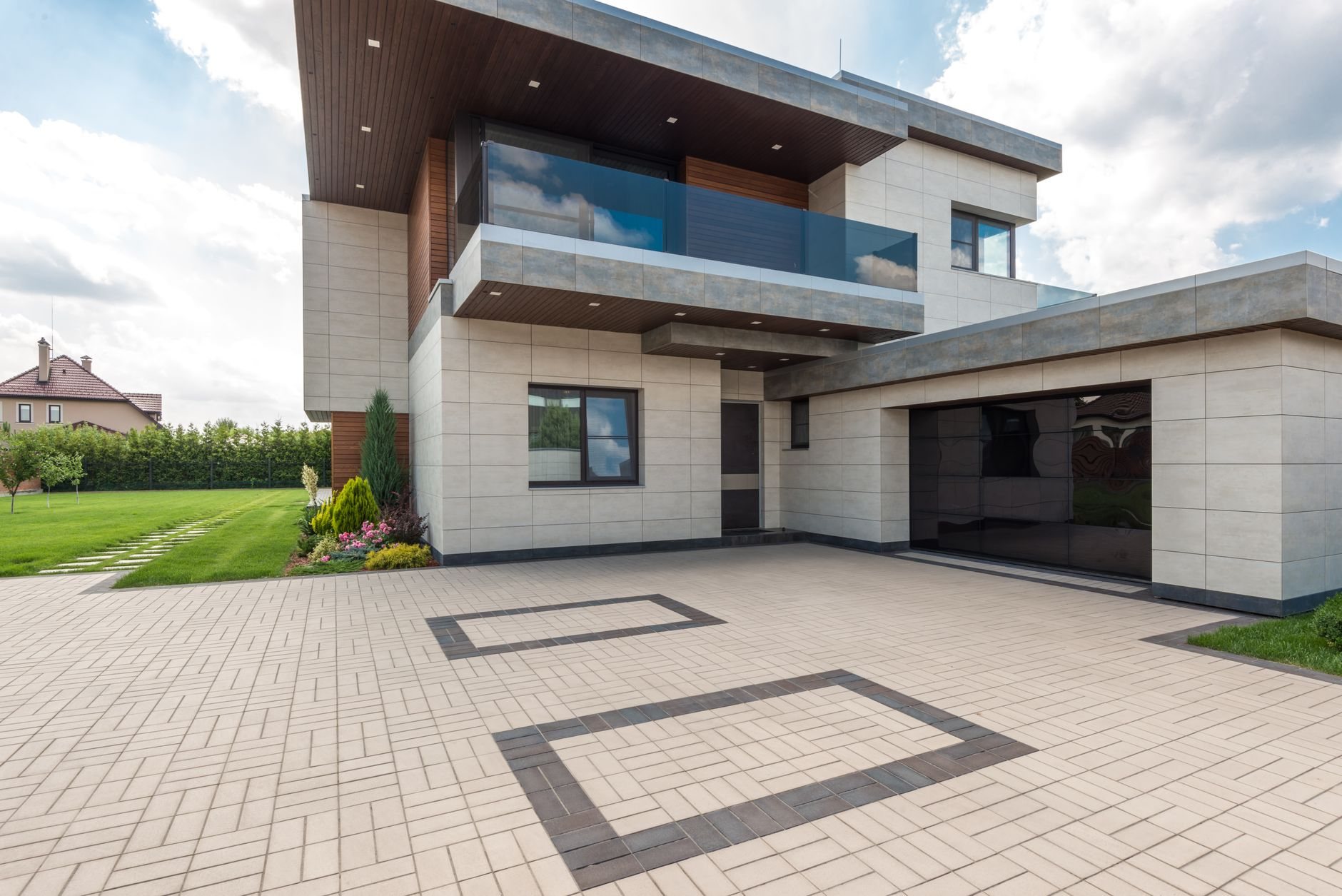
When a stucco-look panel beats real stucco, and when it doesn’t
Choose it when you want a stucco appearance without stucco’s problems. Three-coat stucco is a cementitious skin bonded to the whole wall; when the house moves, the skin cracks. Along the Wasatch Front houses move: bench lots sit on collapsible soils, valley lots on expansive clay, and every wall lives through a hundred-plus freeze–thaw days a year. A stucco-look fiber cement panel is a sheet, not a skin. Movement goes to the joints, where it belongs.
Choose it when the calendar is against you. Wet stucco can’t be applied or cured in freezing weather, which takes a chunk of the Utah year off the table. Panels install in January, which is how a late-running build in Lehi or Saratoga Springs with an HOA-approved stucco elevation gets closed in before the snow stays.
Skip it in two cases. If you want monolithic walls with no joint lines at all, a true stucco system is the only way there. If you’d rather have a crisp grid of reveals than a texture, smooth fiber cement vertical panels are the better fit, and fiber cement board and batten covers its joints with battens. The stucco-look panel is for people who want the joints to disappear.
What the work involves
The panels are 4-foot-wide fiber cement sheets, typically 8 to 10 feet tall and 5/16-inch thick, with a factory-embossed stucco texture. James Hardie sells this as HardiePanel in a stucco finish; other fiber cement makers offer comparable textures. What makes the wall read as stucco from the sidewalk is how the joints are handled.
Every panel edge has to land on framing or blocking, so we lay out stud spacing against sheet sizes before anything is cut. Vertical joints get a thin gap and a flexible, paintable sealant, or a hidden PVC H-joint if you want zero caulk maintenance. Horizontal joints between stacked panels are flashed with Z-flashing, never caulked shut. Caulk is a finish, not a water barrier. Behind every sheet sits a weather-resistive barrier, lapped and taped, with flashing at every opening and roof-to-wall intersection.
Fastening is face-nailed to the manufacturer’s schedule with corrosion-resistant nails, tighter at the edges than in the field, and tighter still in canyon-wind corridors. Cut edges get sealed. Grade clearance matters more here than with lap siding, because a sheet touching soil or a patio slab wicks water across its whole width; we hold the manufacturer’s clearances and won’t bury the bottom edge in landscaping.
The finish is paint. Panels arrive factory-primed and get field-painted by professional painting crews whose work Grandview coordinates and quality-checks inside the same contract, with a 100 percent acrylic coating rated for the UV intensity at our elevation. Pre-finished panels skip that phase but limit color. Corners and the soffit transition are covered under siding trim and corner detailing.
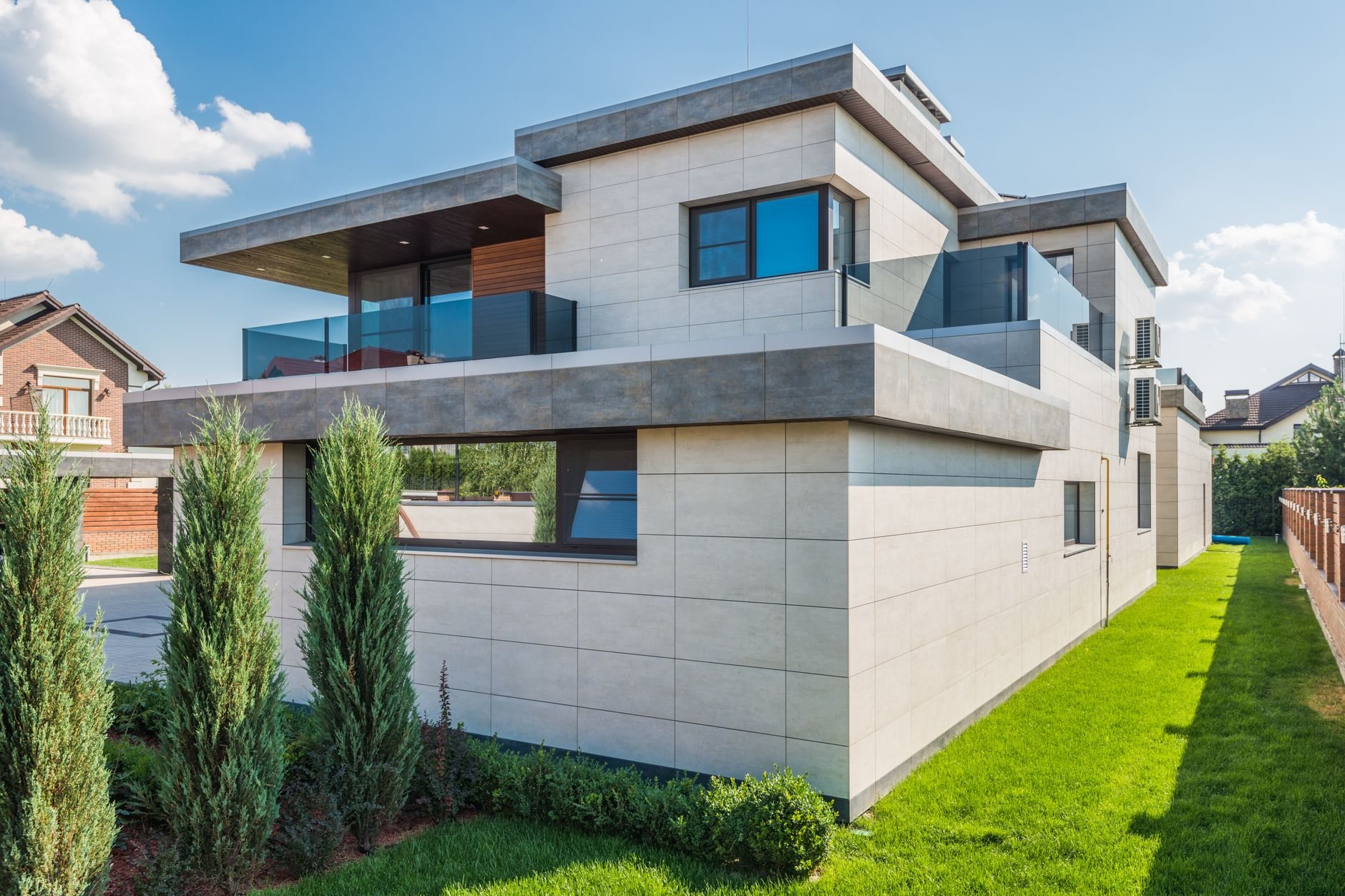
How a stucco-look panel install runs
- Walk and measure. We map every wall against sheet sizes and stud layout so joints fall where they look intentional.
- Settle the joint strategy. Sealed butt joints, hidden H-joints, or reveals at floor lines. It drives look, maintenance, and cost, so it’s in writing before panels are ordered.
- Dry in the wall. Sheathing repair, weather-resistive barrier, window and door flashing, kick-out flashing where roofs die into walls, and blocking at every panel edge.
- Hang and flash. Panels go up to the fastening schedule, horizontal joints get Z-flashed, vertical joints get gapped and sealed, cut edges get primed.
- Paint and close out. Field paint when temperatures allow, final walkthrough, nail sweep, and notes on which joints to watch and when to recaulk.
What does fiber cement stucco panel siding cost in Utah?
As ballpark planning numbers only: stucco-textured fiber cement panels installed along the Wasatch Front typically land around $10–15 per square foot, including tear-off, house wrap, flashing, joint treatment, and field paint. That’s the same band as fiber cement lap siding and generally at or a little below new three-coat stucco. A firm number follows a site walk and a defined scope.
- Joint strategy. Hidden H-joints and reveal trims cost more than sealed butt joints, and short panel runs mean more joints per square foot than tall, uninterrupted walls.
- Framing layout. Studs at 16 inches on center take the 4-foot module cleanly. Odd spacing or older framing means blocking before a single sheet goes up.
- Openings and intersections. Every window, door, and roofline is a cut and a flashing detail. Simple boxes are cheap; busy elevations are not.
- Finish path. Field paint versus pre-finished panels, and whether painting can run in the same season or has to wait for warm weather.

Questions we actually get
Will the joints show?
Up close, yes. From the street, mostly not, if the layout is planned and the sealant is tooled flush and painted with the wall. A stucco-look panel is honest about being a panel: you accept faint seams on a four-foot grid in exchange for sheet-material durability.
Can it go over existing stucco?
Sometimes, and we check before promising it. Sound stucco can stay if fasteners can reach framing through it and the added thickness doesn’t bury window and door trim. Cracked, delaminating, or water-damaged stucco comes off first. Either way the panels get their own weather barrier and flashing.
How does it hold up to Utah winters compared with stucco?
Better in the ways that matter. Fiber cement doesn’t absorb water the way a stucco coat does, so freeze–thaw cycling doesn’t spall it, and settlement movement goes into flexible joints rather than cracking the face. The trade is caulk: sealed joints want a look every few years and recaulking roughly once a decade.
Do I need HOA approval to switch from stucco to panels?
In most newer developments, yes. Architectural committees in Lehi, Saratoga Springs, and Eagle Mountain usually approve material and color, and a textured panel that reads as stucco is often an easy approval. We submit product data and a sample board as part of the project and build the review time into the schedule.
Tell us what you’re working on
Stucco-look panels are one option within our siding installation work, under site, structure & envelope. Send a photo of the elevation and we reply within a couple of hours during business hours, a day at most, with a straight read on fit, joint layout, and budget range.