
Architectural & dimensional shingle roofing
Architectural shingles are laminated, two-layer asphalt shingles that give a roof a thicker, shadowed profile and a higher wind rating than flat three-tabs. They are the right default for most Salt Lake and Utah County homes, and Grandview installs them under a B100 general contractor license.
When architectural shingles are the right choice
Architectural shingles sit in the middle of the asphalt range, and that is exactly where most houses belong. They cost more than 3-tab shingles but last noticeably longer, carry higher wind ratings, and hide the small waves in an older deck that a flat three-tab would telegraph. They cost less than designer and luxury shingles, which add a third or fourth laminate layer for a slate or shake look at roughly double the weight.
Pick architectural when you plan to stay, the roof faces the street, or you are replacing a three-tab roof that aged out early in Utah sun. Pick a Class 4 impact-resistant shingle instead if you are on the east bench or in a hail corridor and your insurer offers a premium credit for it. Most Class 4 products are architectural shingles with rubberized asphalt, so it is a line-item change, not a different roof.
The roofing overview compares asphalt against metal and flat systems if you have not landed yet.
What makes a dimensional shingle different, layer by layer
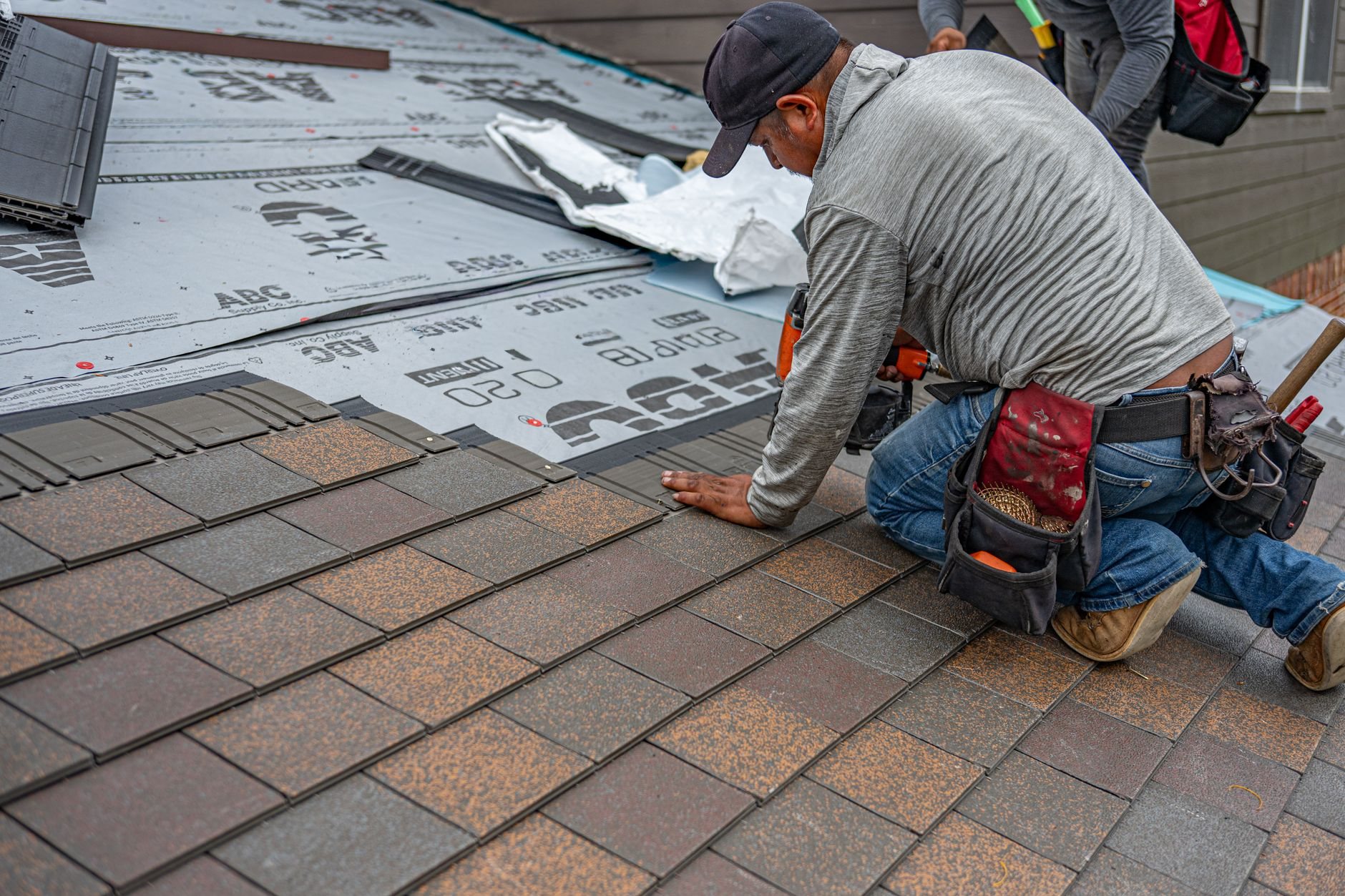
A three-tab shingle is one strip of fiberglass mat, asphalt, and granules with two slots cut in. An architectural shingle is two strips laminated together: a full backer and a top strip with random-cut tabs bonded over it. The doubled thickness at the tabs throws the shadow line, adds roughly a third more weight per bundle, and sheds hail and foot traffic better.
The details that decide whether that roof lasts 25 years or 15 are invisible once the shingles are down:
- Nail placement in the common bond. Laminated shingles have a narrow nail zone where both layers overlap. Nails above or below it hold only one layer, and that is where wind-lifted shingles start.
- Six-nail high-wind pattern. Most architectural lines are rated for 110 mph with four nails and 130 mph with six. Canyon-wind events have gusted well past 90 mph in Centerville and Farmington, so we spec six nails everywhere, not just where the manufacturer’s map says to.
- Matched starter and ridge. A factory starter strip with a continuous sealant bead at the eave and rake, and purpose-made hip and ridge cap shingles rather than field shingles cut into thirds. Cut field shingles crack at the fold and are the first thing to go.
- Ice-and-water membrane and underlayment. Self-adhered membrane at eaves, valleys, and penetrations, with synthetic underlayment over the field. The underlayment page covers how far up the eave Utah’s freeze–thaw cycling justifies running it.
- Balanced attic ventilation. A dark laminated roof at Utah’s elevation and UV intensity runs hot, and a starved attic cooks the asphalt from below. We size intake to exhaust before we order ridge vent.
Installing architectural shingles in a Utah climate
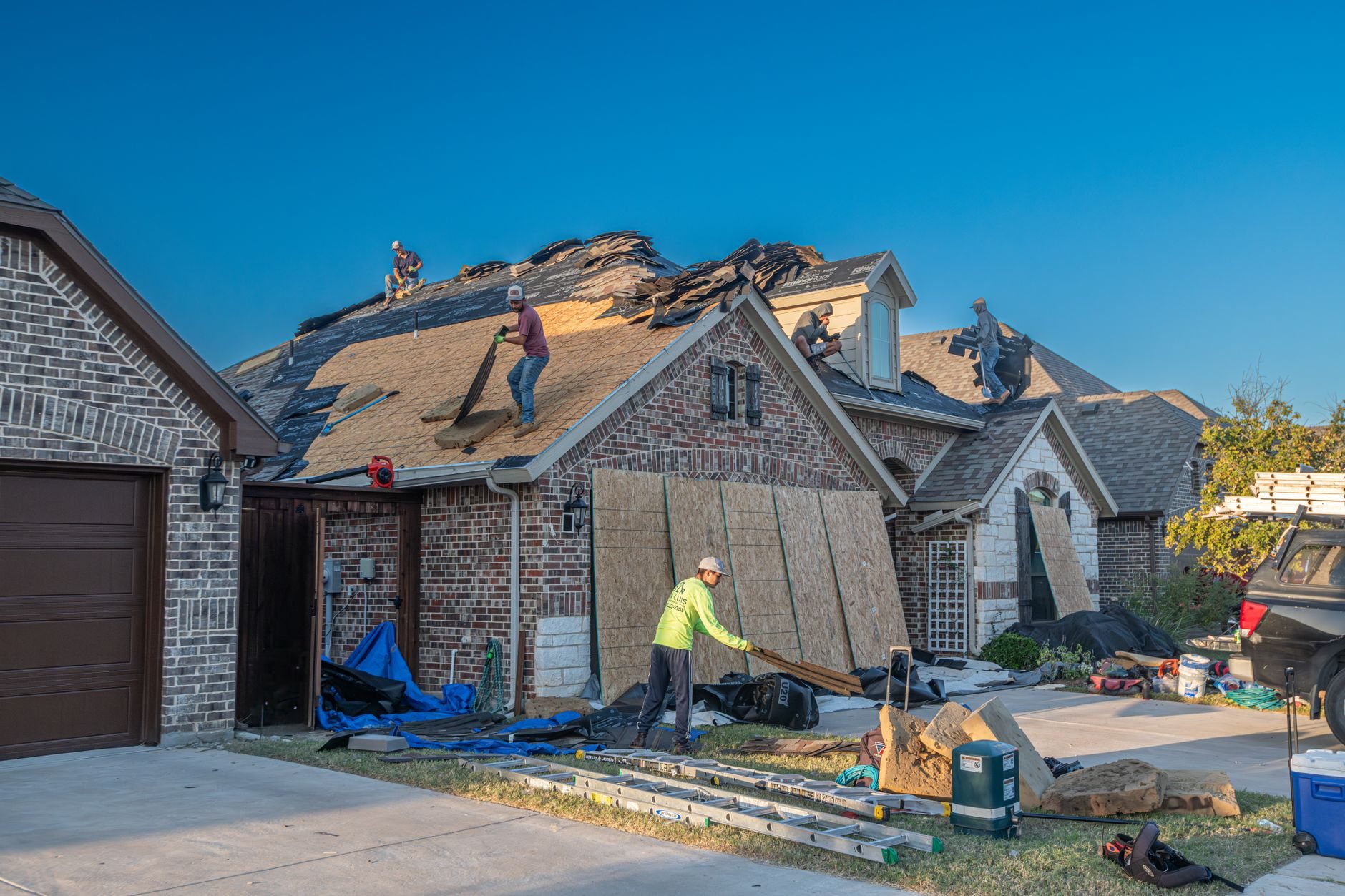
- Tear off and inspect. Down to the deck. Laminated shingles hide minor sheathing waves, not soft OSB, which gets replaced at a unit price you see first.
- Dry in. Ice-and-water membrane, synthetic underlayment, drip edge, and starter strip. The roof is watertight before the first field shingle goes down.
- Lay the field. Courses are offset to the manufacturer’s pattern so laminate seams never stack; keeping that offset is what prevents the faint diagonal lines you see on sloppy roofs.
- Seal. The thermal sealant strip needs sun and warmth to bond. From roughly November through March in Salt Lake City it often will not, so cold-weather installs get hand-sealed rather than left to wait for spring.
- Cap, flash, and walk it. Ridge cap, pipe boots, step and counter-flashing, then our own walk of the roof before anyone packs up.
Reflective granule blends are worth a conversation on south- and west-facing slopes. The Department of Energy’s cool roof guidance credits lighter roofing with lower attic temperatures, and at 4,500 feet the sun earns that credit quickly.
What architectural shingle roofing costs in Salt Lake City
As a ballpark planning number, an architectural shingle roof in Salt Lake County and Utah County typically installs for about $4.50 to $7.00 per square foot of roof area, or roughly $12,000 to $24,000 for many single-family homes. That is usually 15 to 25 percent more than three-tabs and well under half the price of standing-seam metal. A firm estimate follows an inspection.
What moves the number within that range:
- Shingle line. Heavier laminates, Class 4 impact ratings, or algae-resistant granules each add a few dollars per bundle.
- Roof geometry. Valleys, dormers, and hips mean more cutting, more waste, and more ridge cap, the most expensive shingle on the roof per foot.
- Layers coming off. A second existing layer roughly doubles tear-off labor and disposal weight.
Questions we actually get
How long do architectural shingles last in Utah?
Plan on 22 to 30 years on a well-ventilated roof, against 15 to 20 for three-tabs. Manufacturers sell them with limited lifetime warranties, but Utah’s elevation and UV intensity shorten the real number. South and west slopes age first; ventilation and color matter more here than the brochure suggests.
Can architectural shingles go over my existing roof?
Technically yes over a single flat layer, and we do not recommend it. A laminated shingle laid over old three-tabs follows every edge beneath it, traps heat, adds weight, and voids most wind warranties. Tear-off also lets us see the deck. Current Utah-adopted code caps asphalt roofing at two layers either way.
Will a dimensional shingle hold up to canyon wind?
Installed to the six-nail schedule with a sealed starter strip, architectural shingles are rated to 130 mph by most manufacturers. The failures we see after Wasatch wind events are almost always nails outside the common bond or unsealed cold-weather installs, not the shingle itself.
Do I need a permit to re-shingle in Salt Lake City?
Most cities in Salt Lake County and Utah County require a permit for a full re-roof, even a like-for-like architectural shingle replacement, and inspect the finished roof. We pull the permit under our license, verifiable through Utah DOPL, and schedule the inspection. Confirm specifics with your city building department.
Tell us what you’re working on
We reply within a couple of hours during business hours, a day at most. You’ll get a straight read on shingle line, ventilation, and budget before anyone commits. Roofing is one scope within our site, structure and envelope work, so if a skylight should come along for the ride, say so.