
Roof tear-off & removal in Utah County
Roof tear-off is the complete removal of old roofing down to bare sheathing — shingles, underlayment, flashing, and every nail — so the deck can be inspected and a new roof installed on a known surface. Grandview runs tear-offs under a B100 general contractor license, as day one of a re-roof or as a stand-alone removal ahead of structural work.
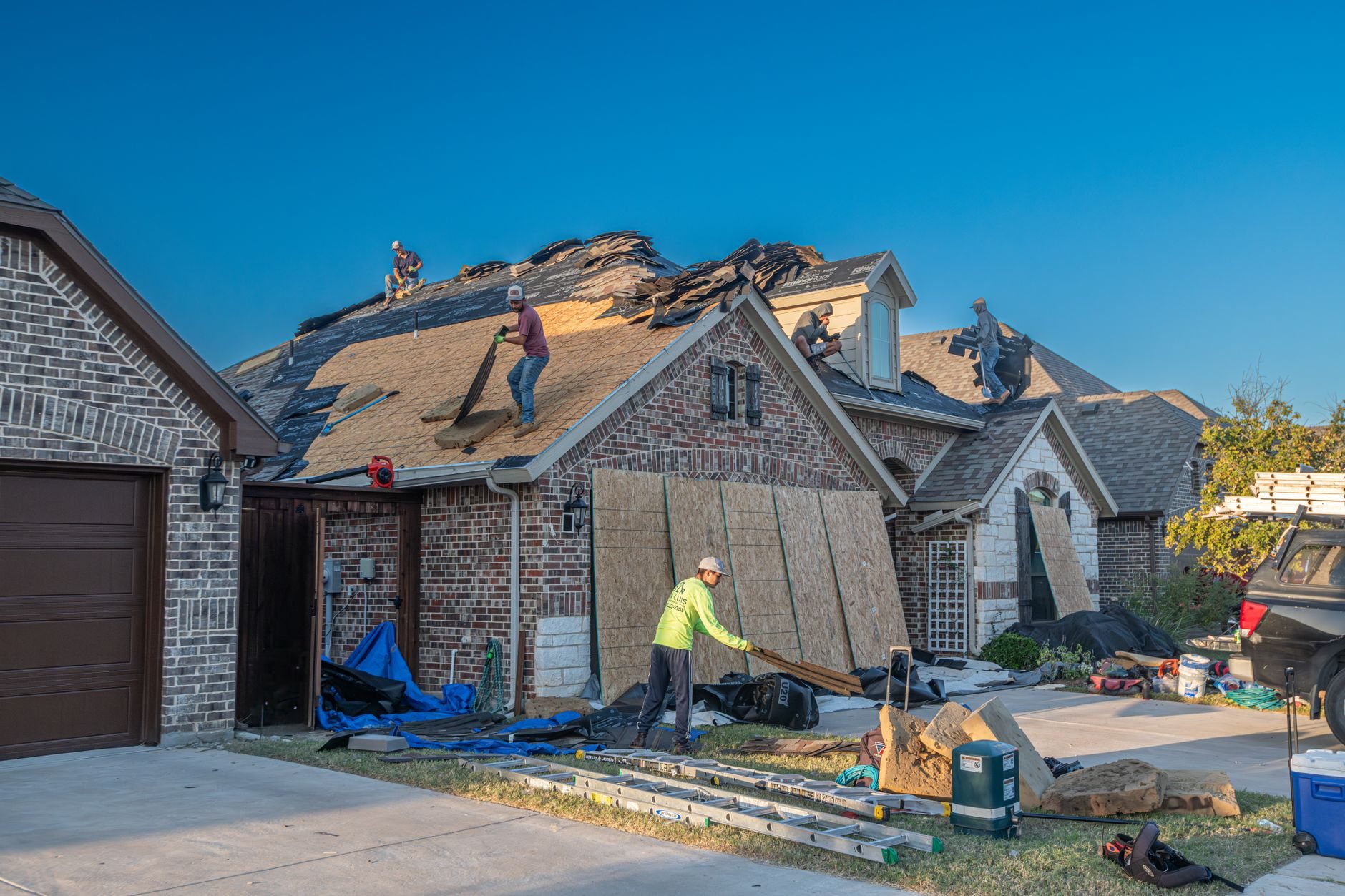
When a full tear-off is the right call, and when it isn’t
A tear-off is the right scope when the house carries more than one layer of roofing, when the deck condition is unknown, when tile, shake, or slate is coming off for a lighter system, or when you want the new roof to carry its full manufacturer warranty. It’s also the honest answer when leaks have moved around for years — the only way to see a deck is to clear it.
It isn’t the answer to every roof problem. A single lifted slope or a failed pipe boot is a job for roof leak repair, not a stripping crew. If the question is whether the roof needs anything at all, a roof inspection comes first. And if you’re committed to a new roof, tear-off is simply day one of a roof replacement — the rest of our roofing work builds on it.
Older homes in Provo, Orem, and Salt Lake’s east bench frequently carry two layers of asphalt, occasionally a third over original cedar. Current Utah-adopted code limits how many layers may remain, so there the overlay question answers itself: everything comes off.
What a roof tear-off actually involves
Stripping a roof is controlled demolition with a weather deadline. Sequence matters more than speed.
- Protect the ground. Tarps over landscaping, plywood over condensers and window wells, a dumpster on cribbing so it doesn’t crack the driveway. Attic contents get covered too — tear-off rains granules through every sheathing gap.
- Strip in sections. One slope at a time with tear-off shovels and roofing forks, ridge down. We open only as much roof as can be dried in the same day — a July monsoon cloudburst can drop an inch of rain in an hour.
- Pull every fastener. Old nails get pulled or driven flush, not left proud to puncture new ice-and-water membrane. Old step flashing, drip edge, and pipe boots come off with the shingles.
- Sweep and inspect the deck. With the sheathing bare, we walk it, probe soft spots, and photograph anything that needs attention. The photos go to you before any replacement is priced.
- Replace sheathing and dry in. Rotted sheets come out, new OSB or plywood goes in at the agreed unit price, and underlayment follows the same day. The house is weather-tight before the crew leaves.
- Haul and sweep. Debris leaves in the dumpster, then the yard gets a magnetic nail sweep — twice.
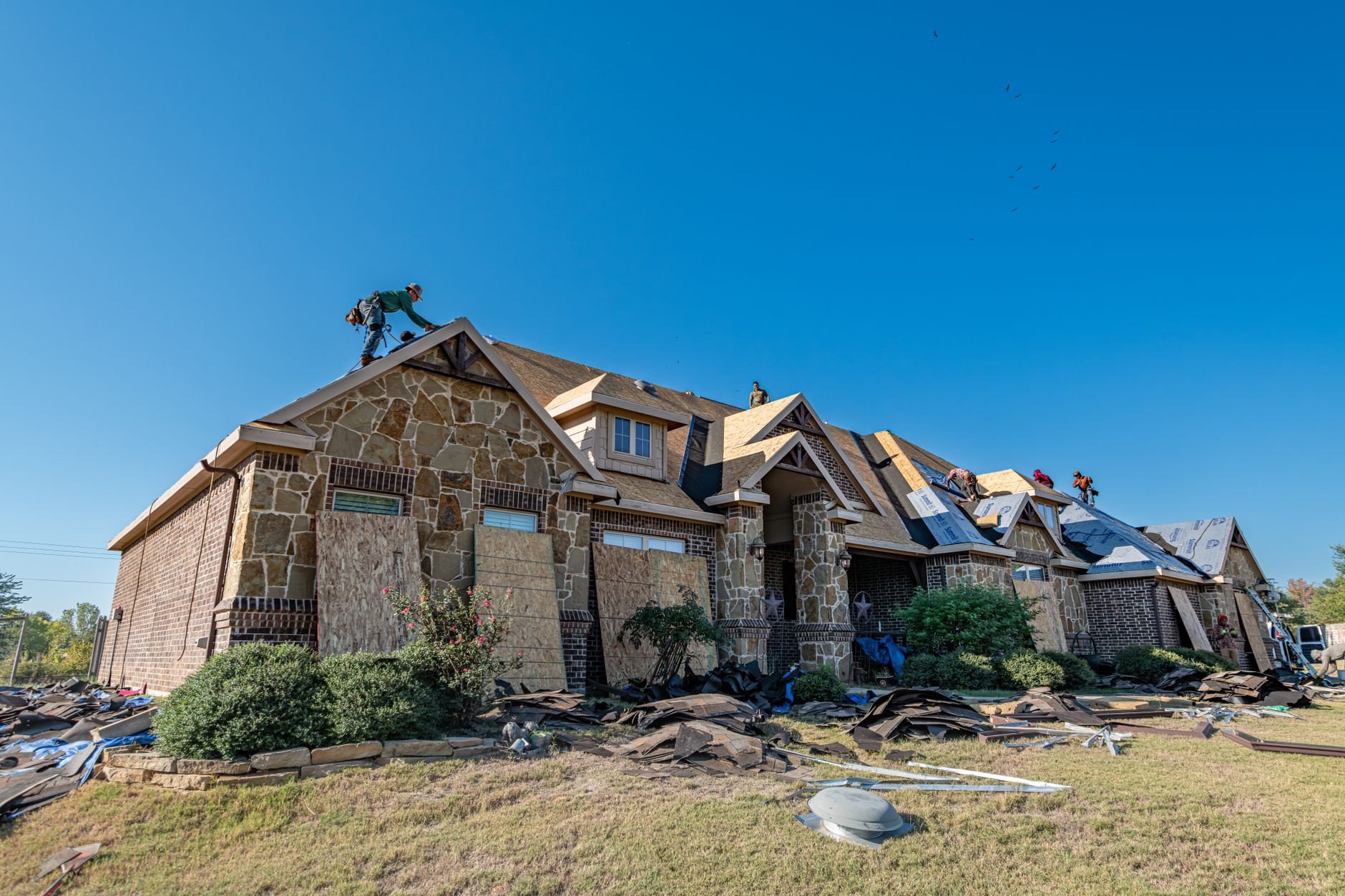
What we typically find under an old Utah roof
Along the Wasatch Front the pattern is consistent: the first two or three feet above the eaves are the worst. Roughly 100-plus freeze–thaw days a year build ice dams at the roof edge, meltwater backs up under the shingles, and on homes that never had membrane there the sheathing is often delaminated while the rest of the roof is sound. That edge zone is exactly where ice-and-water shield goes down once the deck is repaired.
Other regulars: spaced 1×4 skip sheathing under old cedar that must be overlaid with plywood before shingles can go on, valleys where a previous roofer wove shingles over rot, and chimney saddles that were never built. On bench lots where canyon wind hits hardest, sheathing nails along the windward edge are often backed out; those get re-nailed before underlayment.
On pre-1980s homes, older roofing felt, cement shingles, and some mastics can contain asbestos. Suspect material gets sampled before it gets disturbed, per EPA guidance on asbestos, and a licensed abatement firm handles it before the general tear-off proceeds.
What does roof tear-off cost in Utah County?
As a ballpark planning number, tearing off a single layer of asphalt shingles in Utah County runs roughly $1.00 to $2.00 per square foot of roof area, including disposal — about $2,500 to $5,000 on a typical single-family home. A second layer adds about half again. Tile, slate, and cedar removal costs more because the material is heavier, slower to strip, and fills a dumpster faster. These are planning figures; a firm number follows a site visit.
- Layer count. The single biggest driver. Each additional layer is more labor and more tonnage at the landfill.
- Material weight. Concrete tile at 900-plus pounds per square needs more hands and more hauls than asphalt at 250.
- Deck replacement. Priced per sheet, agreed before we start, invoiced only for what the photos show.
- Pitch and access. Steep roofs need harness work and slower production; tight lots mean longer carries to the dumpster.
On a full re-roof, tear-off folds into one contract price. If you want it broken out, ask — we’d rather you see where the money goes. If wind or hail ended the old roof early, storm damage roof repair handles the claim documentation before the strip begins. Our B100 license is verifiable at Utah DOPL; the rest of the envelope lives under site, structure & envelope.
Questions we actually get
How long does a roof tear-off take?
Most single-family homes strip in half a day to one full day, and the same crew dries the deck in before leaving. Two-layer roofs, tile, and cut-up designs with many valleys can take a second day. We never open more roof than can be made weather-tight by evening, so a large house comes off in stages.
Can you tear off the roof but leave the new roof for later?
Only with a plan. A bare deck under rated synthetic underlayment with sealed edges can wait a few weeks, but it is not a roof. We’ll do a stand-alone tear-off ahead of structural work or a truss change; we won’t strip a house and leave it under felt for a season.
What happens if you find rotten sheathing?
We photograph it, measure it, and replace it at the per-sheet price written into your scope before the job started. On older Wasatch Front homes, plan on a few sheets near the eaves — ice dams have been working on that edge for decades. Large-scale rot is rare and gets a pause-and-discuss, not a surprise invoice.
Will tear-off damage my landscaping or driveway?
Not if it’s staged right. Tarps and plywood protect plantings, condensers, and window wells; the dumpster sits on cribbing so it doesn’t crack concrete; and the magnetic sweep runs twice. Nails in the lawn are the most common tear-off complaint in the trade, which is why that sweep is a line item, not an afterthought.
Tell us what you’re working on
We reply within a couple of hours during business hours — a day at most. You’ll get a straight read on scope, sequence, and budget before anyone commits to anything.