
Designer & Luxury Asphalt Shingle Roofing
Designer shingles are the heaviest tier of asphalt roofing: three or four laminated layers cut and blended to read as slate or cedar shake from the street, at roughly half the cost of the real thing. They suit street-facing homes and HOA lots that want a premium roofline, and Grandview installs them in Utah County under a B100 general contractor license.
When a designer shingle is the right call, and when it isn’t
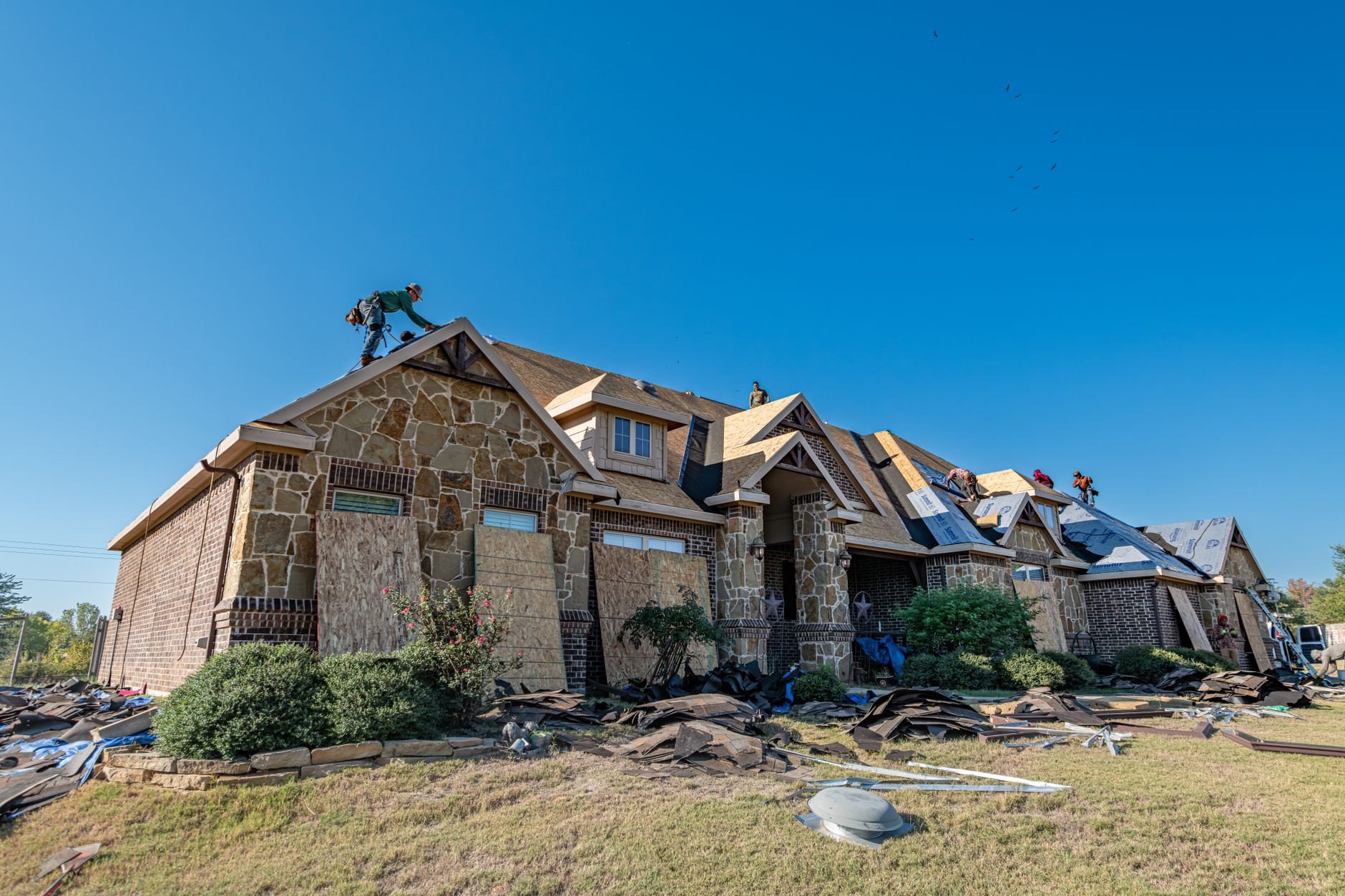
You want the look of slate or hand-split shake without the weight, cost, or upkeep of the real material. Architectural shingles already beat three-tabs on wind and service life; the designer tier adds a third or fourth laminate, oversized tabs, and multi-tone blends so each shingle throws a deep, irregular shadow. Up close it is still asphalt. From the curb it is not obvious.
Choose designer when the roof is a large share of what people see — a steep front gable in Provo’s older grid, or a bench-lot home in Alpine or Highland that reads from the road below. Choose it when an HOA asks for a “slate or shake appearance” and you would rather not pay for synthetic slate or cedar shake, or when a foothill lot needs a Class A fire rating with a shake profile.
Skip it below a 4:12 pitch, where thick butt edges can hold meltwater. If hail is the worry rather than appearance, a Class 4 impact-resistant shingle earns the insurance credit for less; several designer lines carry Class 4 too. The roofing overview compares asphalt against metal and tile.
What a luxury shingle actually is, and what that changes on the roof
An architectural shingle weighs about 230 to 280 pounds per 100 square feet of roof. Designer and luxury lines run 350 to well over 450. The extra is asphalt and granule, laminated into tabs with 8 to 10 inches of exposure instead of 5-5/8 and a butt edge a half inch thick or more. Two styles dominate: squared, staggered tabs that imitate slate, and rough-cut tabs that imitate shake, each blended across four or five tones.
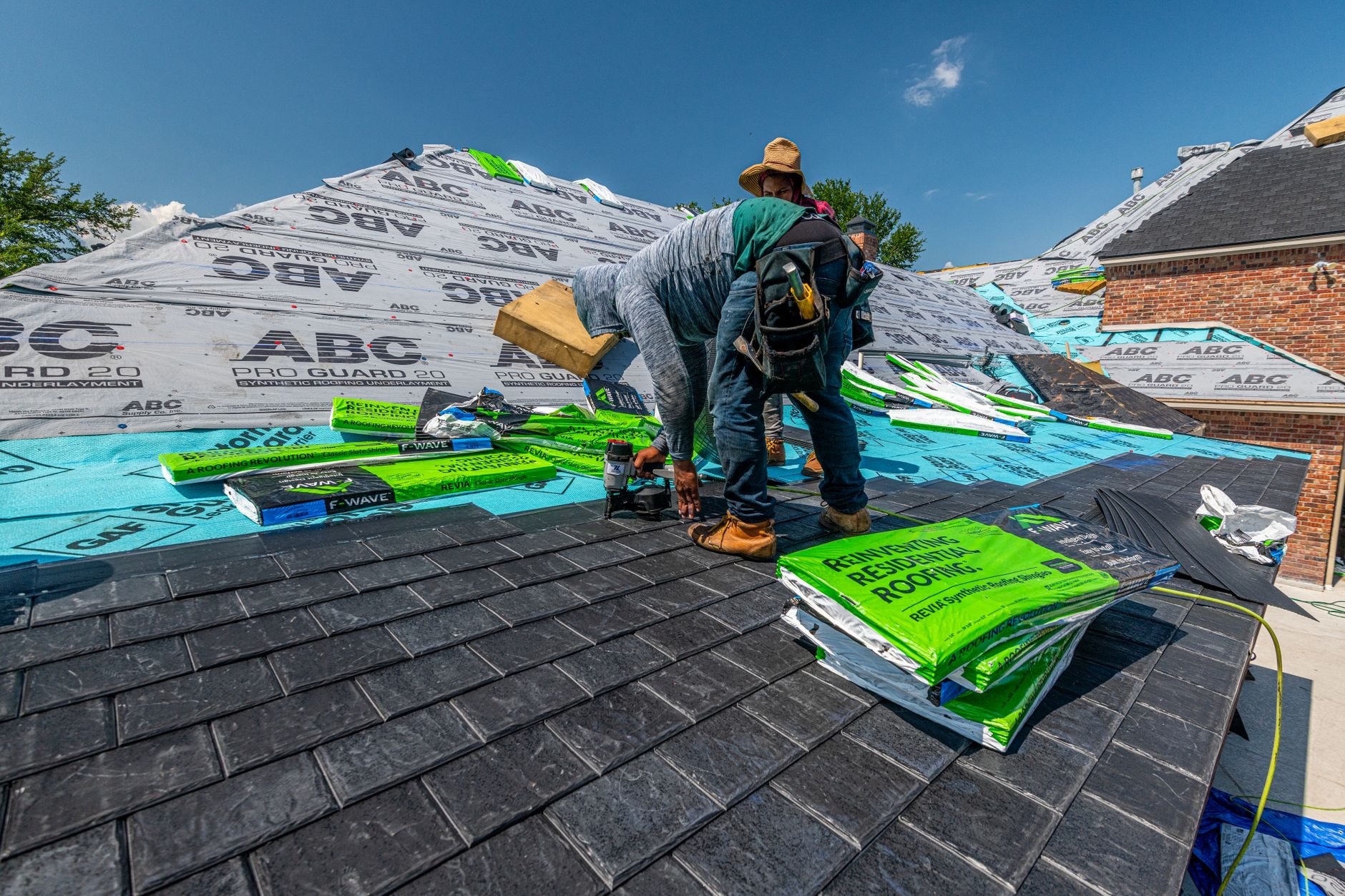
Those specifics change the installation:
- Longer nails, tighter zone. A shingle twice as thick needs 1-1/2-inch nails driven flush in a narrower nail zone. Overdriven heads cut the mat, and the tab lifts in the first canyon-wind event.
- Manufacturer-specific offset. Each line publishes its own stagger pattern so the random cuts never align and “zipper.” We check the first three courses before anyone builds speed.
- Blending from five or six bundles at once. Blends vary bundle to bundle; working from one at a time leaves a visible band across the slope.
- Matched ridge and starter. Designer lines ship a thick ridge cap sized to the profile. A standard cap on a luxury field looks like a cheap hat.
- Deck check, never an overlay. The roof carries roughly double the asphalt load. Fine on a truss roof; on a 1940s Provo home with skip sheathing and two old layers, we verify the deck first. What goes beneath is on the underlayment and ice-and-water shield page.
Utah’s elevation works in a thick shingle’s favor. At 4,500 feet and up, UV strips granules faster than at sea level, and a deeper granule bed has more to give before the mat is exposed. That is the honest mechanism behind the longer service life, not the warranty brochure.
How we install a designer shingle roof
- Look at the house, not just the roof. Which slopes face the street, how the color plays against brick or stucco, whether slate or shake fits the architecture. We bring physical samples.
- HOA and district approvals. Newer Lehi, Saratoga Springs, and Eagle Mountain developments usually require a submittal with product and color. We assemble it so the job does not stall on a committee.
- Tear-off, deck, and dry-in. Full tear-off, sheathing priced per sheet up front, self-adhered membrane at eaves and valleys sized for Utah’s 100-plus freeze–thaw days, synthetic underlayment over the field. Watertight the same day.
- Layout and field. Stagger pattern verified, mixed-bundle blending, six nails per shingle for wind off the Wasatch. Summer installs run early; heavy laminate scuffs under boots once the deck passes 100 degrees.
- Accessories and detail. Matched ridge and hip cap, new flashing at walls and chimneys, ventilation balanced for a dark, heavy roof that holds heat into the evening.
- Walk-through and registration. Warranty registered in your name, permit close-out in hand, yard swept for nails. Permits and scheduling run as they do for any roof replacement.
What does a designer shingle roof cost in Utah County?
As a ballpark planning number, designer shingle roofing in Utah County typically runs about $7 to $11 per square foot installed, against roughly $4.50 to $7 for architectural shingles. For many single-family homes that lands between $18,000 and $38,000. Synthetic slate starts about where designer asphalt ends. A firm estimate follows a roof and attic inspection.
- The specific line. Entry designer shingles cost modestly more than architectural; the heaviest slate-look products with Class 4 ratings can approach double, and matched ridge cap adds several hundred dollars.
- Bundles per square. Architectural ships three bundles per 100 square feet; many designer lines need four or five, which means more lifts, labor, and waste.
- Pitch and complexity. Dormers and valleys slow the layout that makes this product look right. A simple gable is where it is cheapest to do well.
These are planning numbers, not promises. You can verify our B100 general contractor license through Utah DOPL, and the written scope will show real numbers for your roof.
Questions we actually get
Do designer shingles really last longer than architectural shingles?
Somewhat, for a physical reason: a deeper granule bed takes longer to wear through under Utah’s high-elevation UV. Plan on the high 20s to 30 years of real service here versus 20 to 25 for architectural. Attic ventilation and six-nail fastening matter as much as the tier.
Can my roof structure handle the extra weight?
Almost always. Designer shingles add roughly two to four pounds per square foot over architectural, well within what a code-built truss or rafter roof carries alongside its snow load. The exception is an old home with skip sheathing and existing layers; we inspect the deck and never overlay.
Will an HOA accept designer shingles in place of real shake or slate?
Usually, and often by name. Many Utah County covenants that call for a “shake or slate appearance” list specific designer products as approved. We pull the covenant language, match a product and color, and prepare the submittal with samples so it clears in one meeting.
Is a designer shingle the same as a Class 4 impact-resistant shingle?
No. Designer describes appearance and laminate count; Class 4 is an impact test rating. Some lines carry both, which is what we suggest on the east bench where hail and appearance both matter. If hail is the only concern, a Class 4 architectural shingle costs less.
Tell us what you’re working on
We reply within a couple of hours during business hours — a day at most. You’ll get a straight read on scope, sequence, and budget before anyone commits to anything, here or anywhere in our site, structure, and envelope work.