
Clay tile roofing
Clay tile is a fired-ceramic roof that outlasts the house around it when the structure, underlayment, and fastening are done right. Grandview installs clay tile roofs across Utah County under a B100 general contractor license — including the engineering check and the doubled underlayment that make the system work in a freeze–thaw climate.
When clay tile is the right call, and when a sibling is
Choose clay when you want the color to be permanent. The pigment is fired into the body or the glaze at kiln temperatures, so Utah’s high-elevation UV has nothing to bleach — terracotta or glazed tile looks the same at year forty as at year one. It suits Spanish and mission-style homes, roofs you intend to own for decades, and HOAs that specify tile by material.
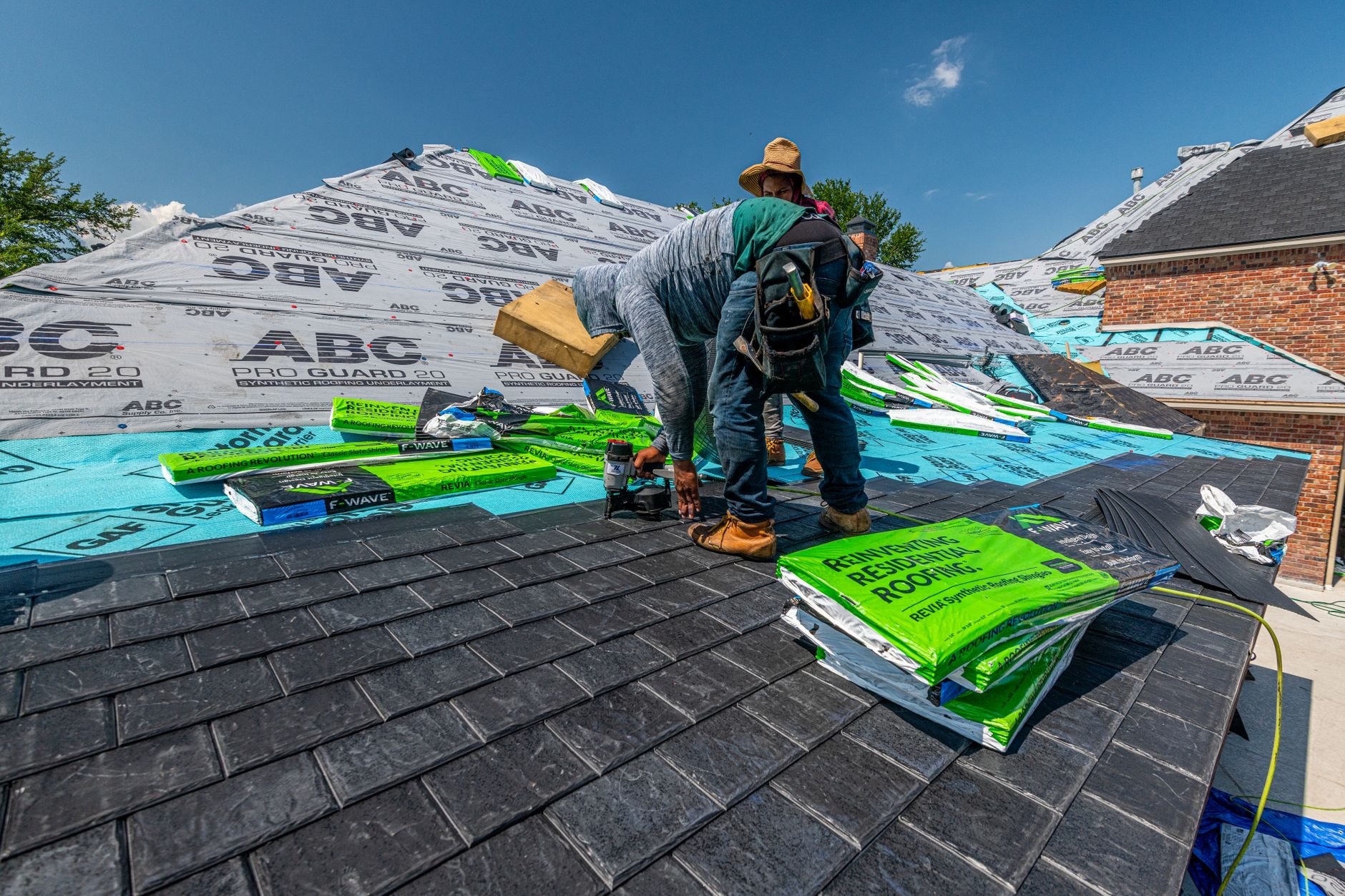
Choose something else when the structure or the budget says so. Concrete tile weighs about the same, costs meaningfully less, and gives most of the look — but its color is surface-applied and fades. Metal tile-profile roofing is the answer for trusses that can’t carry tile weight. Synthetic slate and natural slate cover the flat-tile look at other weights and prices. The roofing page walks through the whole decision.
One honest caveat: tile is water-shedding, not waterproof. The underlayment underneath is the actual roof, and it ages while the tile doesn’t — which shapes how we build it.
What a clay tile installation involves
Grandview holds the contract, sets the installation standard, and checks the work at each stage.
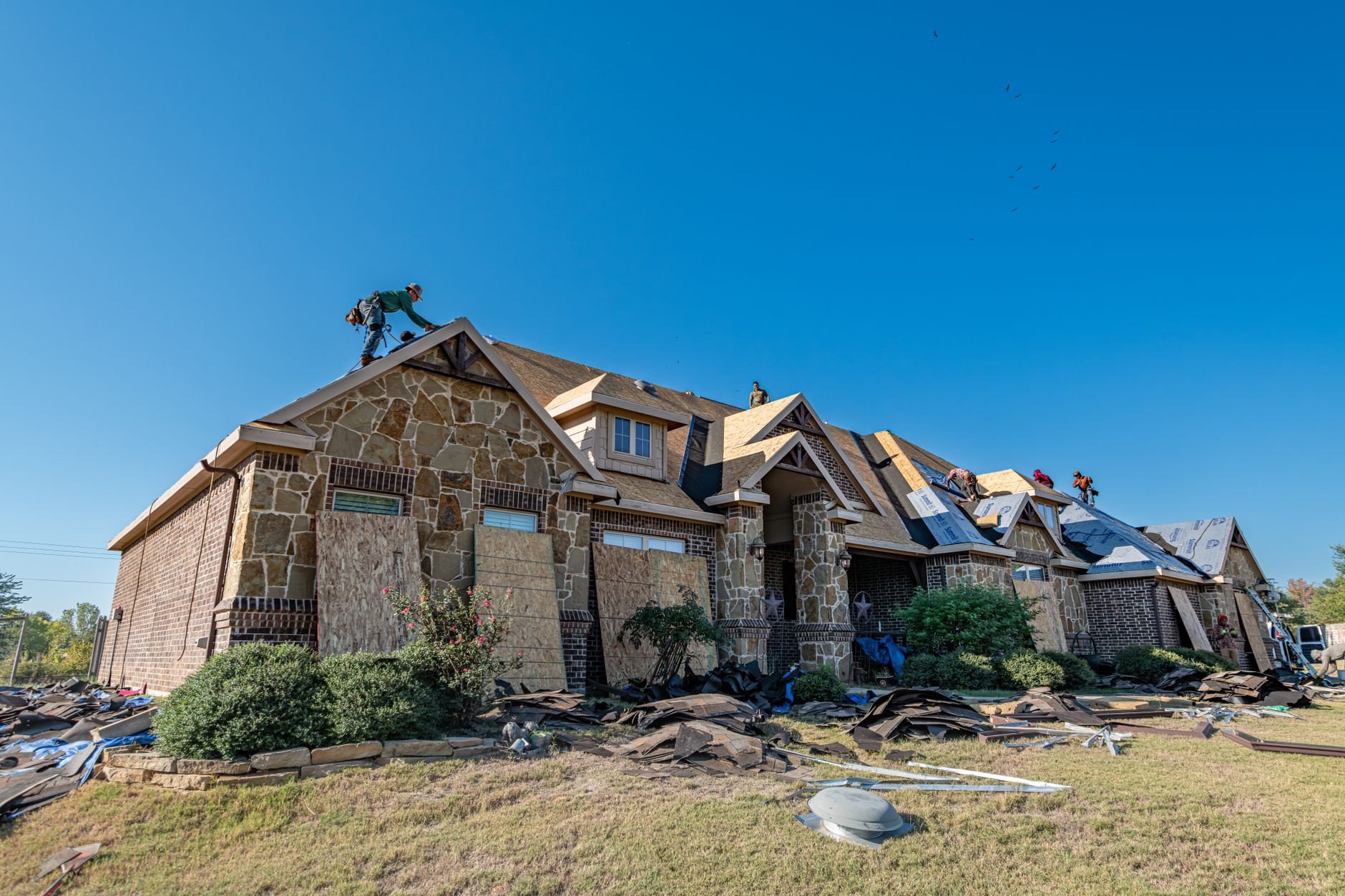
- Structural check. Clay tile runs roughly 900 to 1,200 pounds per 100 square feet — about four times an asphalt roof. A conversion gets a structural review of the rafters or trusses before anything is ordered; on bench lots above Provo, Orem, and Draper, tile weight stacks on design snow loads that already run higher than the valley floor.
- Tile grade and profile. We specify tile tested to ASTM C1167 Grade 1 — the severe-weathering grade — because the Wasatch Front sees 100-plus freeze–thaw days a year and absorbent tile spalls. Profiles: two-piece mission (barrel), one-piece S-tile, or flat interlocking. The Tile Roofing Industry Alliance installation manual is the standard we hold crews to for cold-region attachment.
- Underlayment, doubled. Two layers of ASTM D226 Type II felt or a high-temperature self-adhered membrane over the whole deck, with ice-and-water shield at eaves, valleys, and penetrations. Our underlayment page covers the options.
- Battens and counter-battens. Treated battens give the tile its hang point; counter-battens lift them off the deck so meltwater drains instead of damming behind them. Below 4:12 pitch the doubled underlayment is mandatory; below 2.5:12, clay tile is the wrong material.
- Fastening and wind clips. Every field tile is nailed or screwed through the batten. Eaves, rakes, hips, and ridges — the edges canyon wind grabs first — get stainless clips or foam adhesive as well.
- Flashing, closures, and ridges. Pan flashings at walls, wide W-valleys that leave room for snow and debris under the tile edges, and bird stops at barrel-tile eave openings. Hips and ridges go on with a mechanical ridge system rather than mortar, because mortar cracks in freeze–thaw.
- Inspection and close-out. We check attachment, clip placement, and flashing laps before the permit inspection, and you get the structural letter and warranty terms in writing.
What does clay tile roofing cost in Utah County?
As a ballpark planning number, a clay tile roof installed in Utah County typically runs about $18 to $32 per square foot of roof area — roughly three to five times architectural shingle. Domestic S-tile sits near the low end, imported barrel and glazed tile near the top. A firm estimate follows a structural review and a roof measurement.
- Structural reinforcement. Converting from asphalt can add several thousand dollars in framing. New construction designed for tile avoids this line entirely.
- Profile and origin. Two-piece mission uses more pieces and more labor per square than S-tile. Hand-made and glazed imports carry freight and lead time.
- Re-lay versus replace. If your existing clay tile is sound and only the underlayment has failed, lifting and re-setting the same tile over new membrane can run well under half the cost of new tile. We’ll tell you if you’re in that case.
Planning figures, not promises. You can verify our B100 license at Utah DOPL; a written scope with real numbers follows once we’ve seen the roof and the framing. If the old roof is coming off first, roof replacement covers the tear-off and dry-in sequence, and the rest of our exterior scopes live under site, structure & envelope.
Questions we actually get
Does clay tile survive Utah winters?
Yes, if it’s the right grade. Clay tile rated ASTM C1167 Grade 1 has low water absorption and is tested for severe freeze–thaw exposure. Lower grades soak up water, freeze, and spall within a few winters here. We specify Grade 1 only and build the battens so meltwater drains instead of sitting under the tile.
Can my existing roof structure carry clay tile?
Not without checking. Most Utah homes framed for asphalt were designed for a roof about a quarter the weight of clay tile. A structural review tells us whether the trusses or rafters carry tile plus the local snow load — bench lots carry more — and what reinforcement, if any, is needed. That review happens before you commit to the material.
Why does a clay tile roof need two layers of underlayment?
Because the tile sheds water but doesn’t seal it out. Wind-driven rain, snowmelt, and condensation get under the tile by design and run down the underlayment to the eave. Two layers, or one high-temp self-adhered membrane, give that layer a life long enough to match the tile and let it be lifted and re-laid rather than replaced.
Is clay tile worth the premium over concrete tile?
Sometimes. Clay costs more and holds its color permanently; concrete costs less and fades, with the same profiles and similar weight. If the roof will be yours for twenty years and the architecture calls for true terracotta or glazed color, clay earns the difference. If the look matters more than the material, our concrete tile page is the honest comparison.
Tell us what you’re working on
We reply within a couple of hours during business hours — a day at most. You’ll get a straight read on structure, tile grade, and budget before anyone commits to anything.