
Louvered & adjustable pergolas in Utah
A louvered pergola has a roof of rotating blades: open for sun, tilted for shade, closed and gutter-drained for rain. Grandview installs motorized and manual louvered-roof systems across Utah County and Salt Lake County, on footings and electrical rough-in built to carry them, under one B100 general contractor license.
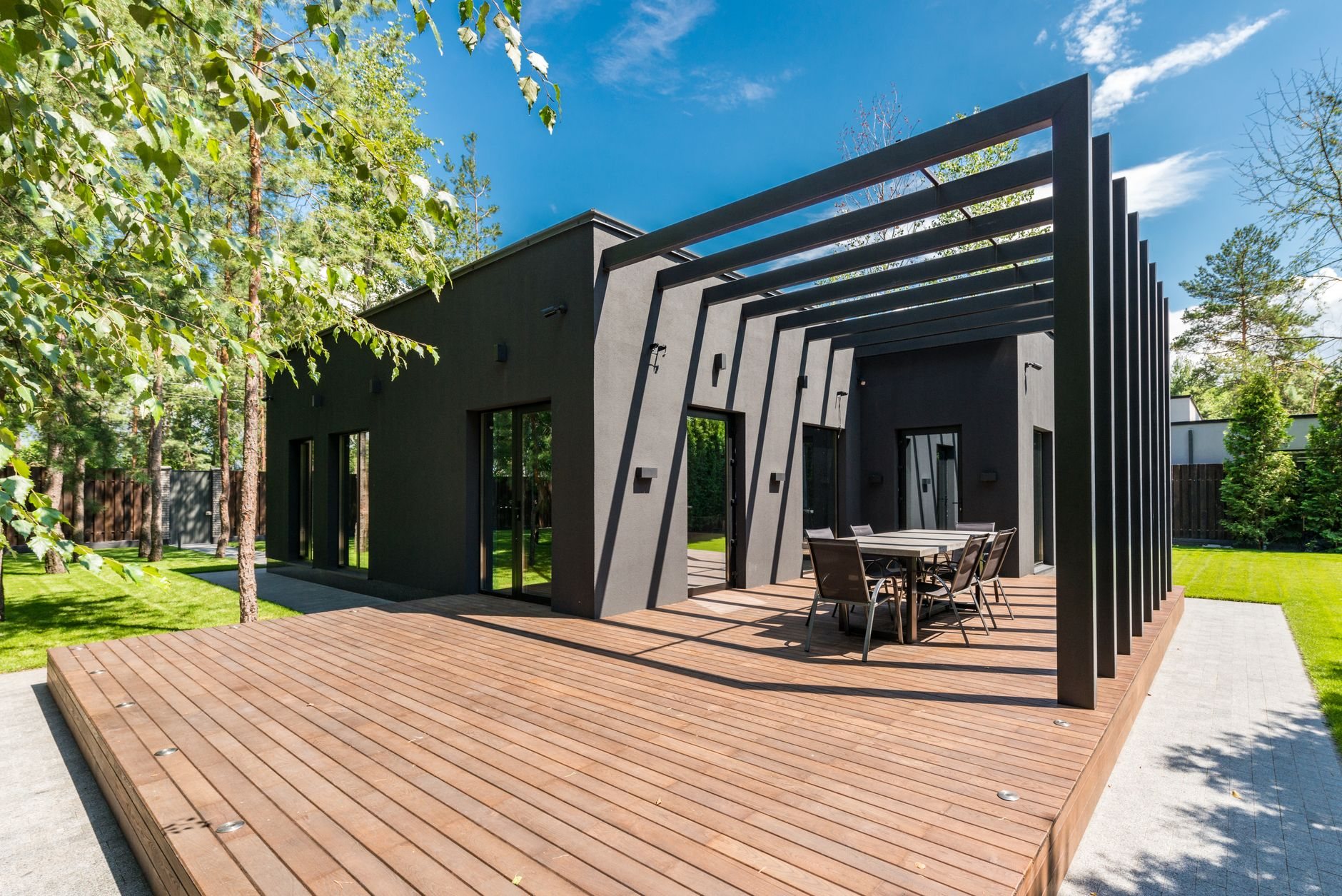
When a louvered roof is the right call, and when it isn’t
Choose a louvered pergola when you want one structure to do three jobs: full sun in April, deep shade at 3pm in July, and a dry table when a monsoon cloudburst rolls off the Wasatch in August. No fixed-roof structure does all three. The trade is cost and moving parts, so know the nearest alternatives first.
A cedar or timber pergola gives filtered shade at a fraction of the price, but it never closes. An aluminum pergola with fixed slats shares the low-upkeep powder coat without the motors, gutters, or sensors. A solid-roof patio cover keeps rain out year-round, and also keeps winter sun out of the kitchen behind it. The louvered system wins on a south- or west-facing patio where you want to control light and weather rather than pick one permanently.
An attached louvered pergola ledgers to the house and needs correct flashing; a freestanding unit on four posts can go over a spa or a far corner of the yard, provided power can reach it.
What a louvered pergola installation involves
Louvered systems are manufactured kits of extruded aluminum: a perimeter beam with an integrated gutter, posts that double as downspouts, and interlocking louver blades driven by a motor or a hand crank. The structure beneath them is where the construction happens.
- Site walk and sun study. Where the sun lands through the day, which way the wind comes, and where roof water can legally go. Blade orientation gets decided here; louvers run the wrong direction shade the lawn, not the table.
- System selection. Motorized or manual, blade width, bay count, and, most important along the Wasatch Front, the snow and wind rating. Closed louvers behave like a flat roof and collect snow, so the rating has to match your lot; bench lots carry a heavier design snow load than the valley floor.
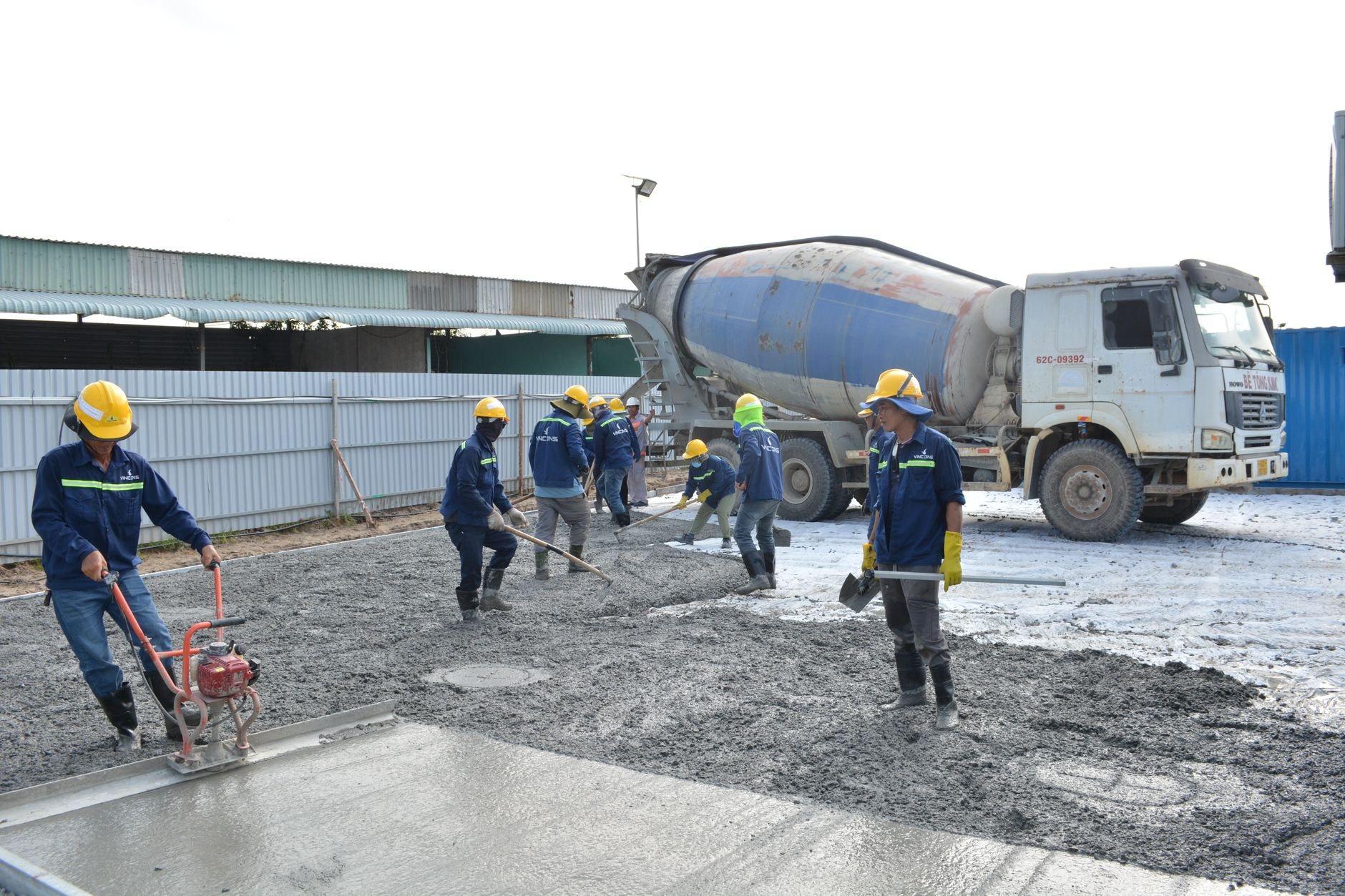
- Footings and electrical rough-in. Posts land on frost-depth footings in air-entrained concrete; expansive clay under a shallow pad heaves a post a little more each freeze-thaw winter until the louvers bind. Conduit for the motor, rain sensor, and lighting goes in before the patio is poured, not through it. Licensed electricians handle the wiring; Grandview holds the contract and sequences their work within the project.
- Drainage. Each post discharges gutter water at its base. That outlet feeds a drain line, splash block, or daylight, never the backfill against your foundation, and it’s sized for a cloudburst.
- Frame set and commissioning. Beams are leveled and anchored with uplift-rated hardware, blades hung, and motor limits set so the roof seals without over-travel. Rain sensor, remote, and app pairing get tested before we leave.
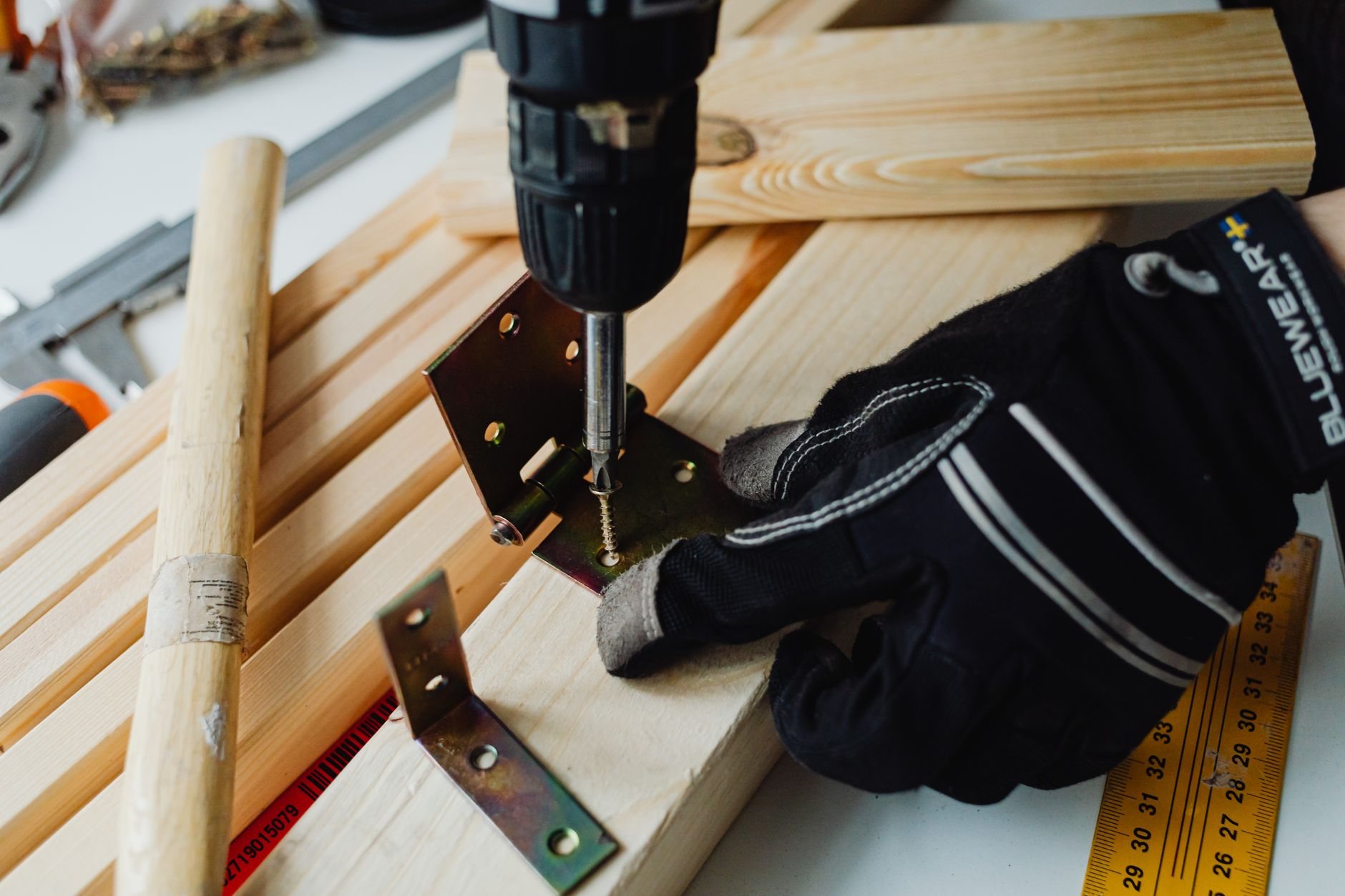
Motorized or manual, and what bolts on later
Manual systems rotate the blades with a removable crank. They cost less, need no electrical, and suit a small patio. Motorized systems move every bay from a remote or phone and close automatically when the rain sensor trips, the feature people miss most when it’s left out. Each bay usually carries its own motor, so price tracks bay count.
Because the frame already carries power, louvered pergolas take accessories well: LED strips in the beams, fans or infrared heaters hung from the louver frame, and motorized screens that drop from the perimeter beam for bugs or low sun. Every one is wiring, so plan them at rough-in; adding a heater circuit after the patio is finished means cutting concrete.
Powder coat matters more here than at lower elevations. Utah’s UV intensity chalks cheap finishes within a few seasons, and a louver blade is the most sun-exposed surface in the yard, so we confirm the finish warranty covers high-UV exposure before ordering.
What does a louvered pergola cost in Utah?
Louvered pergolas are the most expensive pergola type by a wide margin. As ballpark planning numbers, a motorized system over a typical patio often lands in the low-to-mid five figures installed, with manual systems below that and large multi-bay units with screens and lighting well above. These are budgeting ranges, not a promise; a site walk yields a real budget range, then a firm estimate once the layout is set.
What moves the number: footprint and bay count, motorized versus manual, attached versus freestanding, how far power travels from the panel, footing conditions on clay or bench soils, drainage routing, and the accessory list. HOA-dense developments in Lehi, Saratoga Springs, and Eagle Mountain usually want drawings first, and most cities require a permit for an attached roofed structure; verify the threshold with your city’s building department. Grandview is a licensed and insured Utah general contractor, verifiable at dopl.utah.gov under license #14282236-5501.
Most of these projects pair with a new concrete patio poured after the posts are set. The rest of our outdoor structures live in the pergolas and outdoor structures group within site, structure & envelope.
Questions we actually get
Will a louvered pergola hold up under Utah snow?
Yes, if the system is rated for your lot and the posts sit on real footings. Closed louvers collect snow like a flat roof, so we match the manufacturer’s snow rating to your location, which is higher on bench lots than in the valley. Many owners leave blades open through deep winter so snow falls through instead of piling up.
What happens to the roof when the power goes out?
The louvers stay where they were. Many motorized systems offer a manual override or battery backup; we’ll tell you which yours has before you order. If outages worry you, a manual crank system removes the question at a lower price.
Is a closed louvered roof actually watertight?
Close to it. Closed blades interlock and shed water into the beam gutter and down the posts, keeping the patio dry in ordinary rain. Wind-driven rain can still blow in from the open sides, which is why screens are a common add-on.
Why does it cost so much more than a regular pergola?
You’re paying for a manufactured roof with motors, gutters, sensors, and a high-UV powder coat, plus the electrical and drainage work a fixed pergola never needs. Bay count drives it hardest, since each bay typically carries its own motor.
Tell us what you’re working on
Send a photo of the patio and the wall it sits against. We reply within a couple of hours during business hours, a day at most, with a straight read on system options, power, drainage, and budget before anyone commits to anything.