
Wood pergola builders in Utah County
A wood pergola is an open-rafter shade structure built from cedar, redwood, or treated timber — the version people picture when they say “pergola.” Grandview builds custom wood pergolas on engineered footings under a B100 general contractor license, with species, joinery, and finish chosen for Utah’s sun and winters.
When wood is the right pergola, and when it isn’t
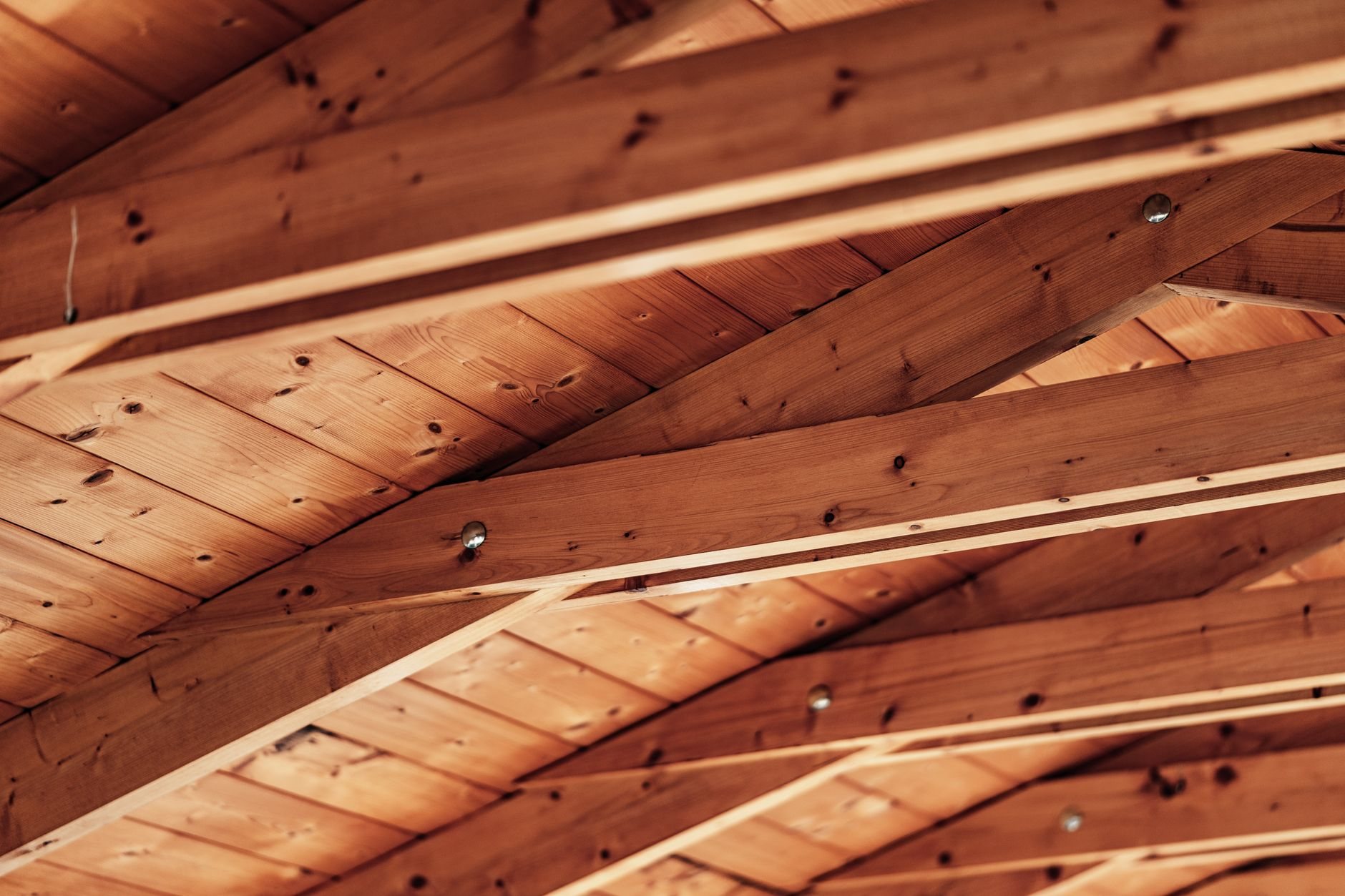
Choose wood when you want the structure to look like part of the house rather than an accessory bolted to it. Timber takes stain to match a deck or fascia, cuts to any rafter profile, and is the easiest pergola to modify later — a privacy screen or swing beam is carpentry, not a factory order.
Wood is the wrong call if you never want to refinish anything. Cedar in Utah sun needs a fresh coat every two to four years, and a neglected pergola greys, checks, and loosens. If upkeep is the deal-breaker, an aluminum or steel pergola is the honest answer. If you want the roof to close in a cloudburst, that’s a louvered pergola.
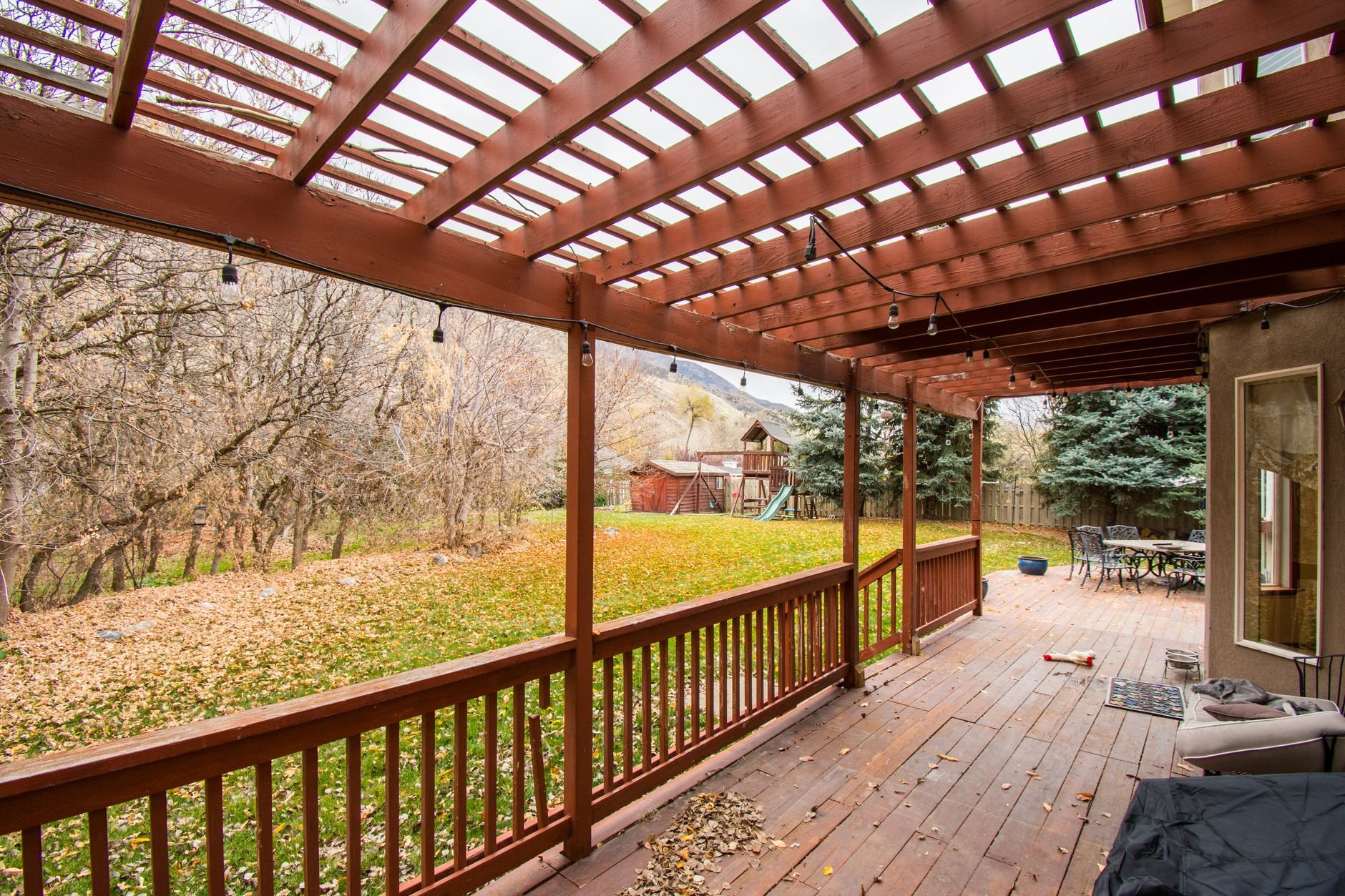
Wood comes in either mounting style: a freestanding pergola on four or six posts, or an attached pergola hung from a ledger on the house. The wider family, including gazebos and pavilions with real roofs, lives on our pergolas and outdoor structures page.
Cedar, redwood, or treated pine: picking the species
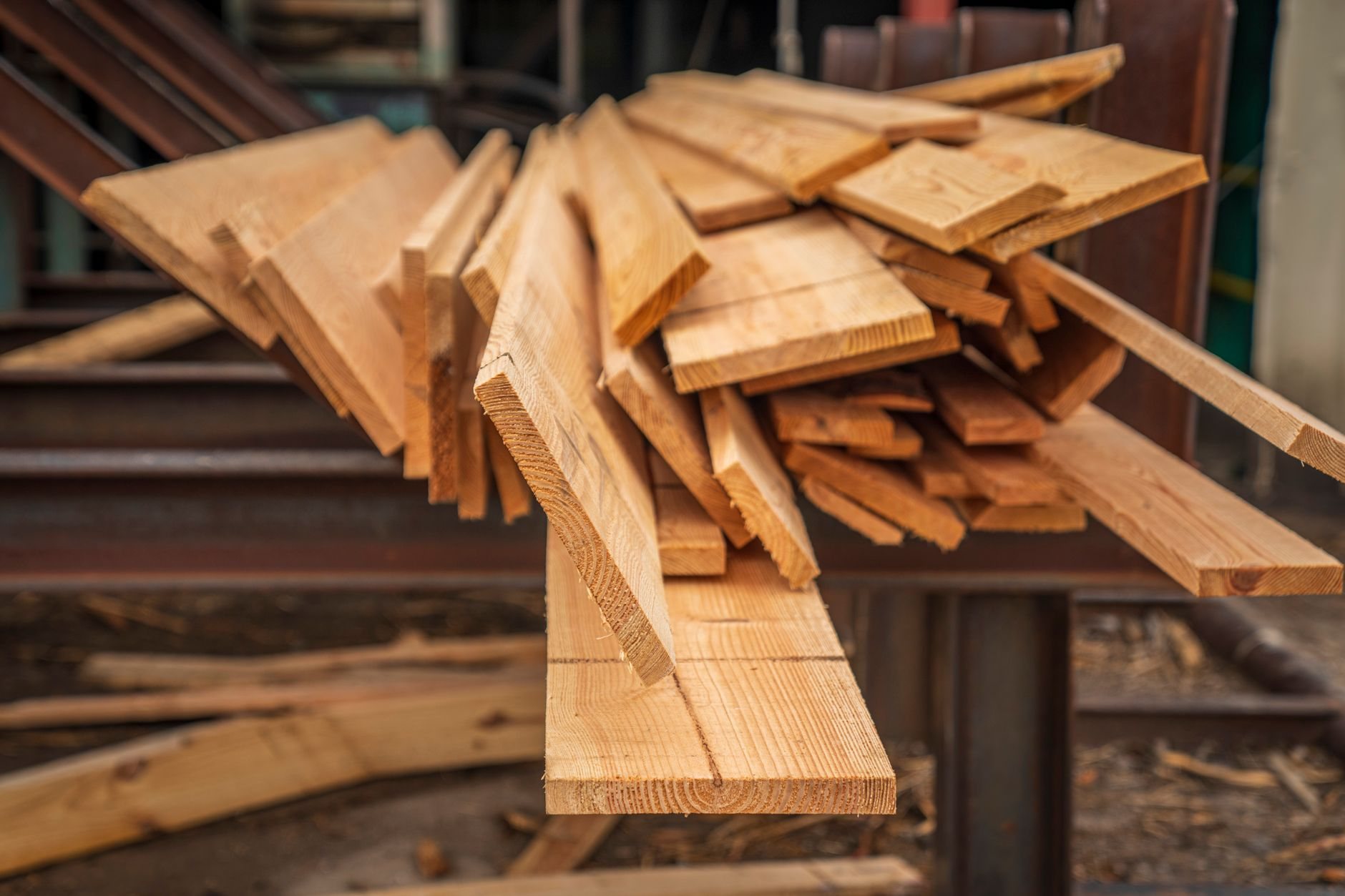
Western red cedar is the default: naturally rot- and insect-resistant, light enough to handle on a ladder, and it holds a semi-transparent stain well. The trade-off is softness. Cedar dents, and tight-knot grades check as they dry in our low humidity, so we spec appearance-grade for posts and beams at eye level and let tight-knot do the purlins.
Redwood costs more and is harder to source along the Wasatch Front, but it’s more stable, checks less, and ages to a finer silver. It’s the pick for timber-scale work with 8×8 posts and 4×12 beams, where movement would show.
Pressure-treated pine is the budget route and structurally sound. It arrives wet, twists more than cedar as it dries, and only looks right painted or under an opaque stain. One rule regardless of species: a post never gets buried. That bottom six inches is where every wood pergola fails first.
How a wood pergola goes together
- Layout and shade geometry. We stake the footprint and orient the rafters for the sun you’re trying to block. A 2×2 purlin on 12-inch centers gives roughly half shade; tighter spacing gives more.
- Footings below frost. Each post gets a concrete pier below local frost depth, in an air-entrained mix because the Wasatch Front sees well over a hundred freeze-thaw days a year. On expansive clay we bell the base or go deeper so the pier isn’t lifted each winter. A pergola anchored to a patio slab instead of piers is what peels off in a canyon-wind event.
- Posts on standoffs. 6×6 posts (8×8 for timber-scale work) sit on galvanized standoff bases that hold the end grain an inch above the concrete.
- Beams and joinery. Doubled 2×8 or 2×10 beams sandwich the posts and are through-bolted with half-inch carriage bolts, or a single beam drops into a notched post for a cleaner timber look. We size spans from the American Wood Council tables for the species in hand; an undersized cedar beam sags within a couple of summers. We are fond of straight lines and straight answers.
- Rafters, purlins, and end cuts. 2×6 or 2×8 rafters are notched over the beams and fastened with structural screws, not toe-nailed. Rafter tails get the profile you chose: chamfer, curve, or square cut. Purlins go on last and set the shade ratio.
- Finish for altitude. At 4,500 feet and up, UV is harsher than most stain makers assume. We ease every sharp edge so the finish doesn’t wear through and coat all six sides before assembly. Penetrating oils suit cedar and redwood; opaque stains last longer on treated pine.
Lights, fans, or an outlet on a post are common additions. Grandview holds the contract and coordinates licensed electricians for that work, with conduit run into the post and footing before the concrete goes in.
What does a custom wood pergola cost in Utah County?
As ballpark planning numbers, most custom cedar pergolas we’d build land in the high four figures to the low-to-mid five figures installed, with treated pine below that and redwood or timber-scale work above it. The drivers are footprint, species and grade, timber dimension, post count, a ledger connection to the house, site access for concrete, and electrical. Most cities require a permit for attached pergolas and for freestanding ones over a size threshold; verify yours with your city’s building department.
These are planning ranges, not promises. A site walk gets you a budget range, then a firm estimate once species, size, and rafter profile are set. Grandview is a licensed and insured Utah general contractor; verify license #14282236-5501 at dopl.utah.gov.
Questions we actually get
How often does a cedar pergola need to be restained in Utah?
Every two to four years for a semi-transparent stain or penetrating oil, sooner on south and west faces that take the most high-elevation UV. Opaque stains stretch that to five or more. Letting it grey is fine if the joints stay tight; we can re-coat later as part of deck and fence staining.
Can a wood pergola hold up a shade cloth or a swing?
Yes, if it’s designed for it. A shade cloth turns an open pergola into a sail in canyon wind, so posts and beams get sized for that uplift and the cloth should come down for winter. A swing beam needs its own connection detail. Tell us up front and we’ll size the lumber for it.
Should the posts be set in concrete or on top of it?
On top. A post buried in concrete wicks moisture at the bottom and rots from the inside within a decade, even cedar. We pour a pier below frost depth and mount the post on a standoff base that keeps the end grain clear of the concrete. It’s the biggest longevity decision on a wood pergola.
What makes one wood pergola cost twice as much as another?
Usually timber dimension and species, not square footage. Moving from 6×6 cedar posts with doubled 2×10 beams to 8×8 redwood posts with solid 4×12 beams roughly doubles lumber cost and adds labor for notched joinery. After that it’s post count, a ledger connection, and electrical for lights or a fan.
Tell us what you’re working on
Send a photo of the yard and a rough footprint. We reply within a couple of hours during business hours — a day at most — with a straight read on species, size, and budget. Wood pergolas sit within our site, structure & envelope work, so the patio under it can be part of the same contract.