
Outdoor Masonry Fireplaces & Fire Pits
A site-built outdoor fireplace or fire pit is a block-and-stone structure with a firebrick-lined burn chamber on a footing below frost depth, so it stays plumb through Utah winters. Grandview builds wood-burning and gas-ready units across Salt Lake and Utah counties under a B100 general contractor license.
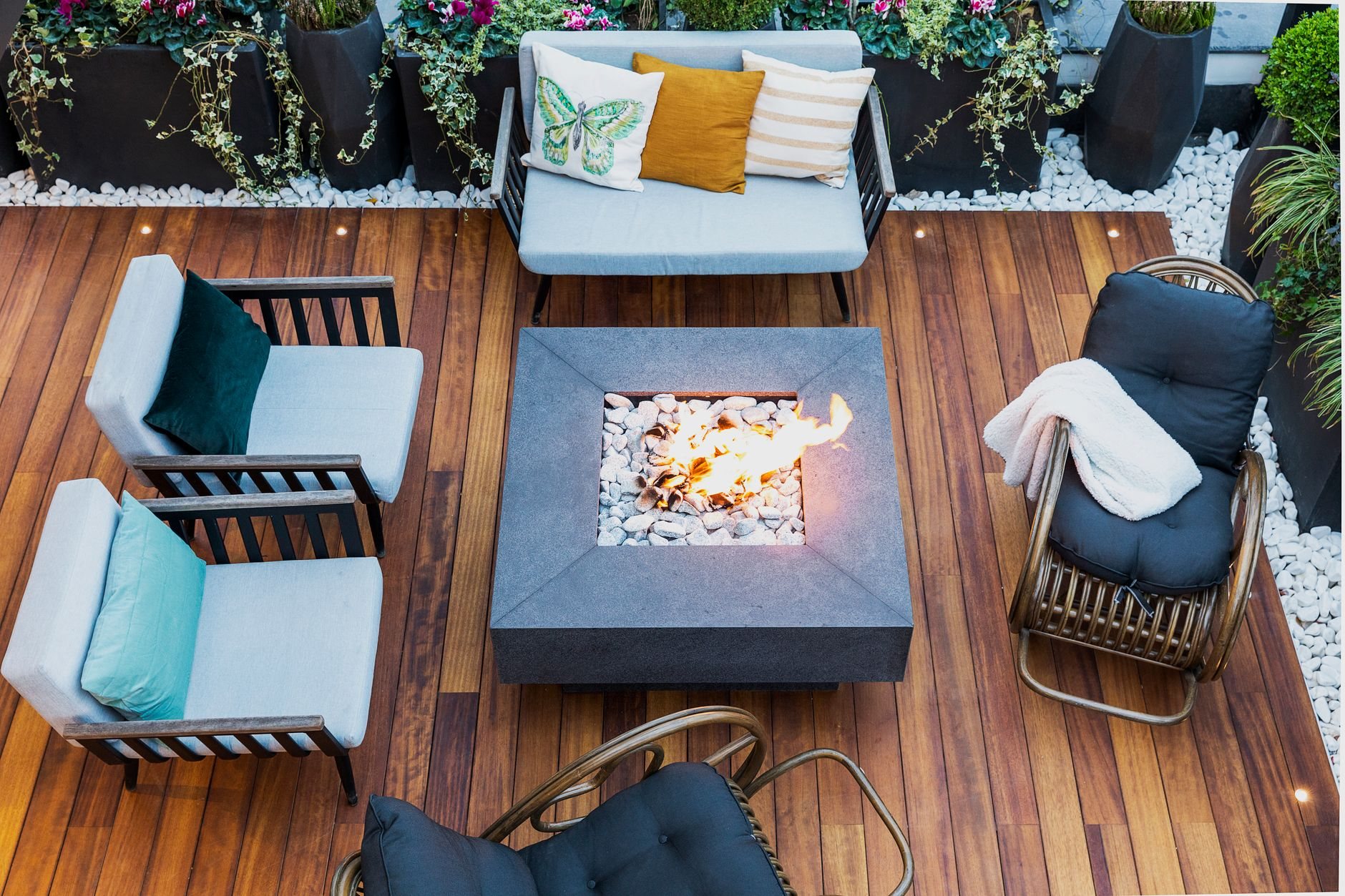
Fireplace or fire pit, and when masonry beats a kit
An outdoor fireplace is a wall: a firebox, a smoke chamber, and a chimney stack that pulls smoke up and away from the seating. A fire pit is a ring you gather around from every side, with no stack — cheaper, more social, and whoever sits downwind gets the smoke.
Both come as steel or precast kits. Masonry earns the extra cost when the feature must match stone or brick on the house, when it’s built into a seat wall or an outdoor kitchen run, or when you want it standing, un-rusted, in twenty years. A hearth inside the house is masonry fireplace construction; a cracked outdoor liner is firebox and firebrick repair; a cooking oven is an outdoor pizza oven.
What goes into one that lasts
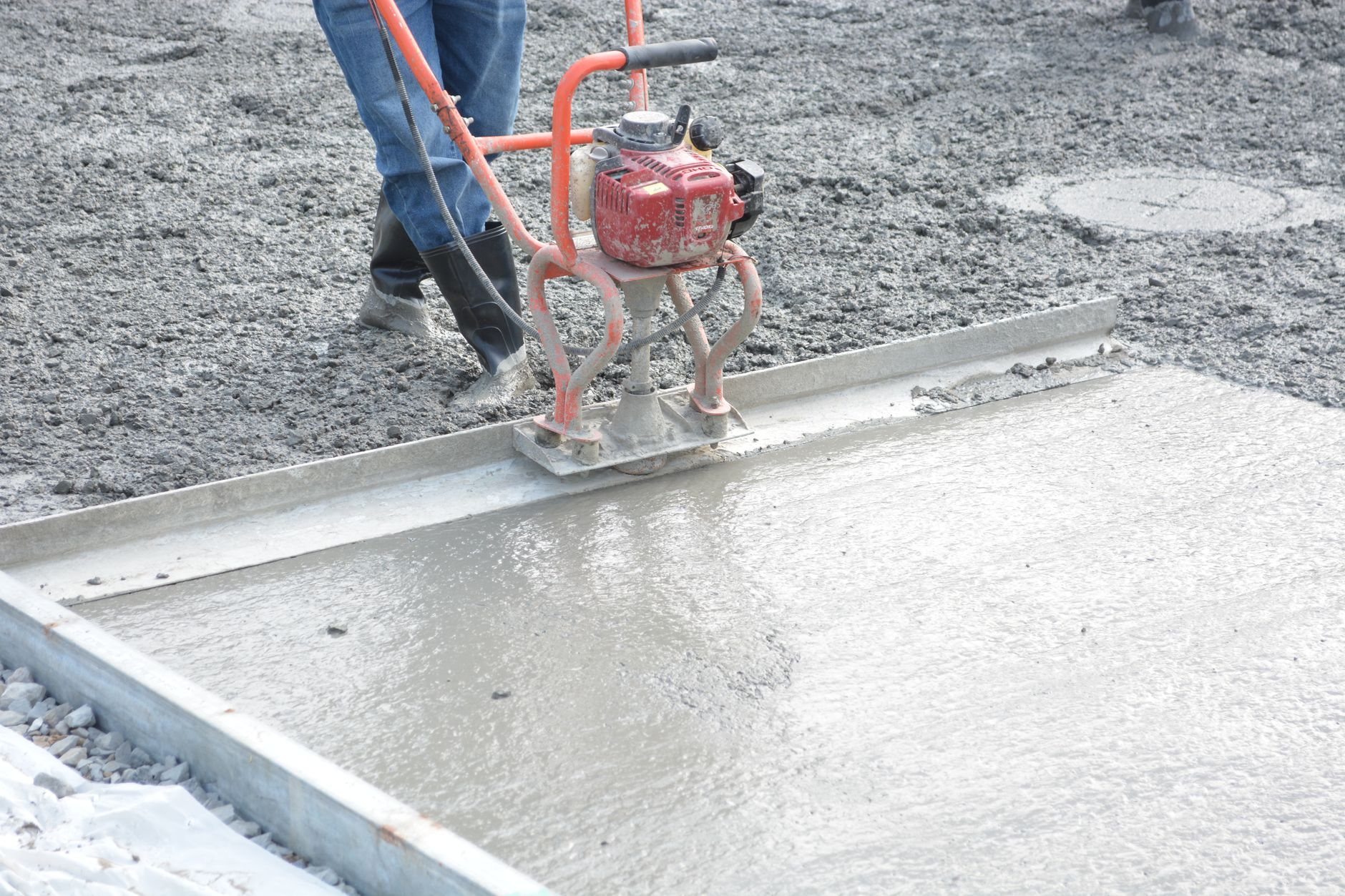
- Footing below frost. A fireplace stack weighs several thousand pounds. It sits on a reinforced concrete pad dug to the frost depth your city specifies (commonly around 30 inches along the Wasatch Front; verify with your building department), because a pad on topsoil heaves and tips the stack. Fire pits get a compacted gravel base with a drain path so meltwater doesn’t freeze in the bowl.
- Block core. The body is CMU block, cored and grouted where the structure needs it, laid to the firebox opening and shelf heights. The block carries; the veneer only has to hang on.
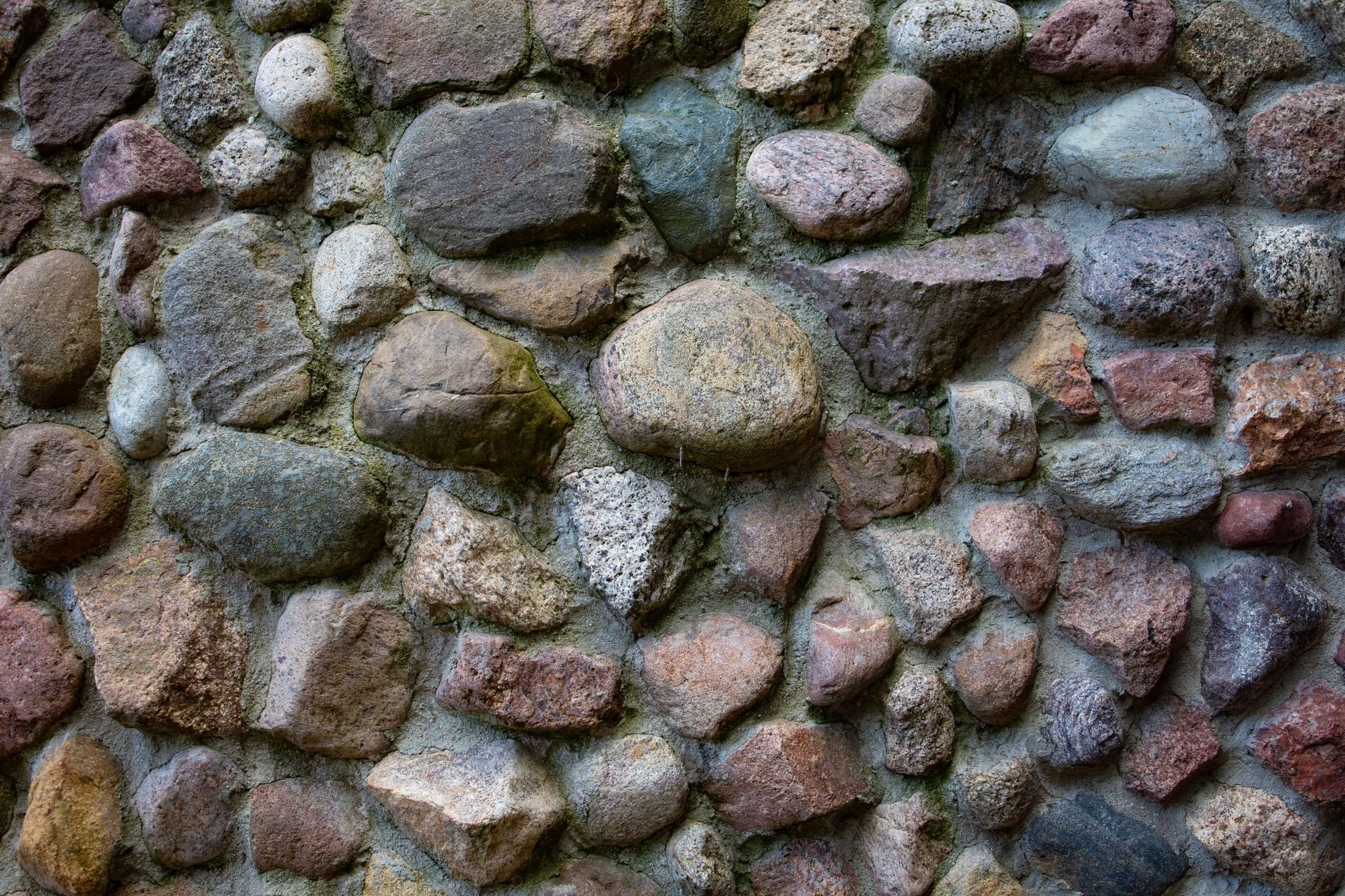
- Firebrick and refractory mortar. The burn chamber is lined with firebrick set in refractory mortar; standard mortar spalls out after a season of fires. Fire pits get a firebrick ring or a steel liner insert, with an air gap so the veneer isn’t cooking.
- Throat, smoke shelf, and stack. The opening-to-flue ratio decides whether smoke goes up the chimney or into your face. We size the flue to the opening, build a smoke shelf, and carry the stack high enough to clear a nearby pergola or roofline.
- Veneer, cap, and hearth. Natural stone, manufactured stone, or brick to match the house; a sloped cap with a drip edge on the stack; a non-combustible hearth slab where embers land.
Wood or gas, and what each one needs
Wood-burning gives you the smell, the crackle, and the chore of hauling wood. It also means ash cleanout, a spark screen, and a Utah wrinkle: on winter inversion days, Salt Lake and Utah counties regularly see mandatory no-burn restrictions for wood-burning devices. Gas units aren’t affected.
Gas gives you a flame on a key valve and no ash. It also brings requirements kits gloss over: a gas-rated burner pan, vent openings in the enclosure so unburned gas can’t pool inside the block, and a buried supply line with a shutoff within reach. Grandview holds the contract and manages a licensed plumber for the gas line run and its inspection; we sequence the trench, sleeve, and stub-out before a block is laid.
Siting it on a Utah lot
Three things decide where it goes. Clearances first: cities require set distances from the house, fences, and overhead structures, and a wood-burning fireplace often needs more than a gas pit — verify with your city before falling in love with a corner. Wind second: canyon breezes along the bench are predictable, and a fireplace back wall set against them doubles as a windbreak, while a fire pit in the same spot sends smoke across the table. Soil third: expansive clay and collapsible bench soils, documented by the Utah Geological Survey, are why we won’t pour a fireplace pad without seeing what’s under it.
The patio is part of the job. A pit set into a concrete patio gets a footing isolated from the slab so the two don’t crack each other; pavers get a soldier course around the ring.
What does an outdoor masonry fireplace cost in Utah?
As ballpark planning numbers: a site-built masonry fire pit with a firebrick or steel liner typically lands in the $3,000 to $9,000 range in Utah, and a full outdoor fireplace with a chimney stack runs roughly $10,000 to $30,000, with natural stone, a tall stack, and gas pushing toward the top. Planning ranges, not quotes; a firm estimate follows a site walk and a sketch.
What moves the number: fireplace versus pit (the stack is most of the difference), natural stone versus brick versus manufactured stone, the gas trench and line, seat walls built into the same footing, and how far materials travel from the street. Winter builds cost more because mortar needs cold-weather protection. Our B100 license (#14282236-5501) is verifiable at dopl.utah.gov.
Questions we actually get
Do I need a permit for an outdoor fireplace or fire pit?
Often, yes, for a permanent masonry fireplace, and almost always for a gas line to it. Small fire pits are frequently exempt, but setback and clearance rules still apply. Requirements differ between Provo, Salt Lake City, and Lehi, so we confirm with your building department before design is final.
Why does my fire pit have standing water in it every spring?
Because it was built as a sealed bowl on a slab. Snowmelt collects, freezes, and pries the liner and veneer apart. Ours sit on a drained gravel base with a weep path, plus a cover for the off-season. An existing pit can usually be retrofitted with a drain rather than rebuilt.
Can you match the stone or brick on my house?
Usually. Manufactured stone is matched by product name; natural stone and brick from current runs or salvage. On a fire feature the match matters most at the cap and hearth, which sit at eye level. Send a photo of the house and we’ll tell you what’s realistic.
Can I add gas to a wood-burning outdoor fireplace later?
Yes, if the sleeve and stub-out were planned at the footing. Adding gas later means cutting the patio or tunneling under it, so if there’s any chance you’ll want a log lighter or burner, the conduit goes in during the pour even if the line comes later.
Tell us what you’re working on
A patio fire pit or a full stone fireplace — one scope within our masonry and site, structure & envelope work. You’ll get a straight read on siting, scope, and budget before anyone commits to anything. We reply within a couple of hours during business hours, a day at most.