
Firebox & firebrick repair
Firebox repair replaces cracked firebrick and crumbled refractory mortar inside the chamber where the fire burns, so a wood or gas fireplace can be used safely again. Grandview performs it across Utah and Salt Lake counties under a B100 general contractor license.
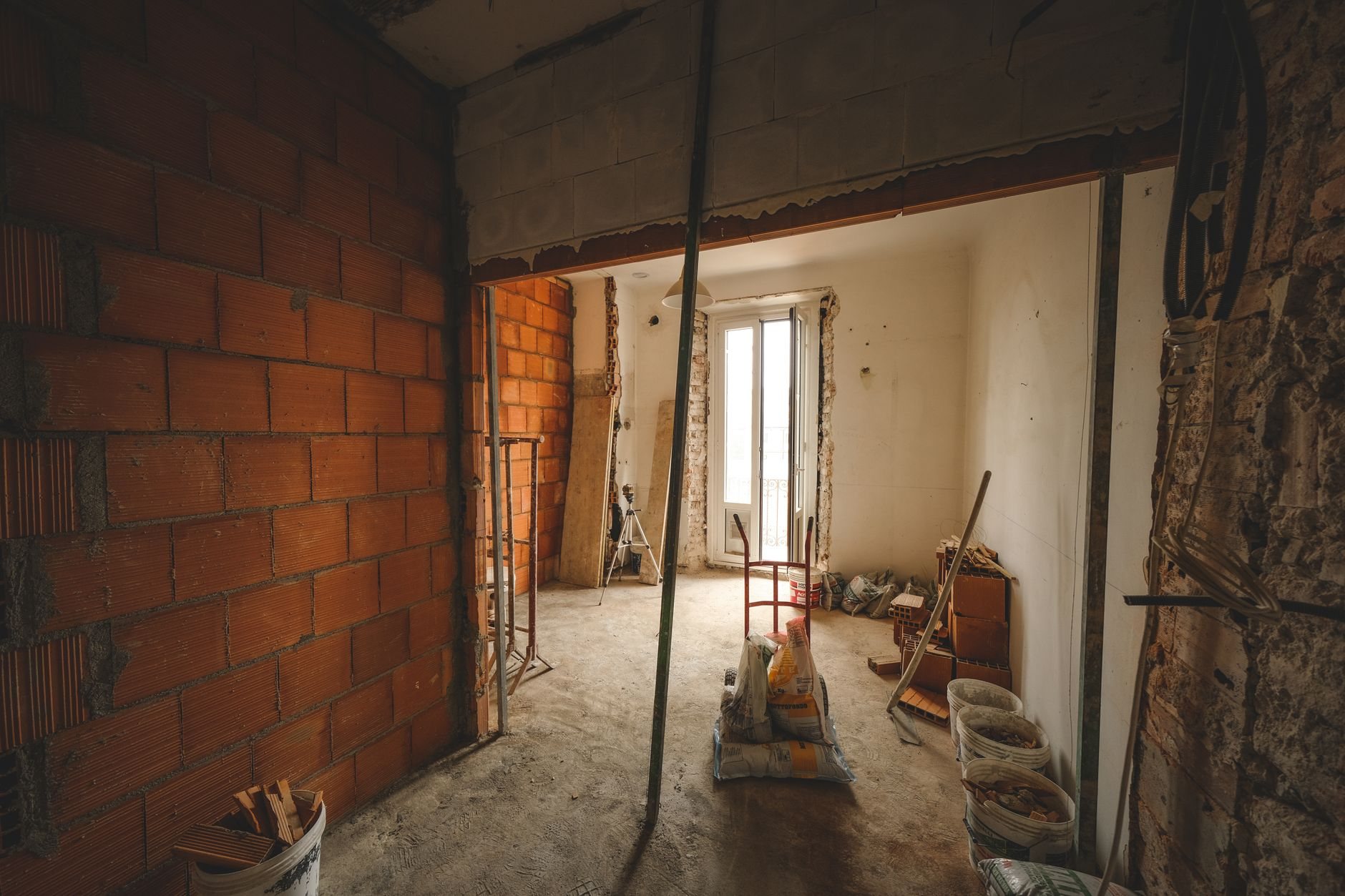
Repair the firebox, rebuild the chimney, or start over?
A fireplace is three masonry assemblies stacked on top of each other. The firebox is the lowest: a chamber lined with refractory brick, sloped at the back to throw heat into the room. Above it sit the throat, damper, and smoke chamber, then the flue and chimney.
Firebox repair is the right call when the damage stops at the firebrick: eroded joints, a few spalled bricks, a back wall shifted out of plane, or a lining patched years ago with ordinary mortar that has turned to sand. All of that is repaired from inside the room. If the problem is above the roofline — a cracked crown, spalled chimney brick, a split flue tile — that’s chimney repair and rebuild work, and a firebox reline won’t solve it. If the firebox walls are too thin or the fireplace never had proper clearances to framing, the honest answer is usually masonry fireplace construction: a rebuild from the hearth up rather than a patch.
One more distinction: factory-built (zero-clearance) fireplaces use cast refractory panels, not laid firebrick, and get manufacturer-listed replacement panels instead. We’ll tell you which kind you have on the first visit.
Refractory materials, thin joints, and a slow first fire
Firebrick is a dense, high-alumina clay brick rated for sustained heat; ordinary brick and type N or S mortar are not. It’s set in refractory mortar in joints of a quarter inch or less, as current Utah-adopted code calls for inside a firebox. Most failed fireboxes we open up were patched with general-purpose mortar in a wide joint, which heat cycling crumbled out again.
- Inspect. We sound every brick, probe the joints, and check the back wall and hearth for movement. If the flue looks questionable, a camera inspection by a licensed chimney sweep gets coordinated before anyone quotes a number.
- Find the cause. Water is the usual culprit. An uncapped flue or failed crown sends rain and snowmelt down to the smoke shelf and firebox, and wet refractory mortar fails fast under heat. We fix that path or the repair repeats itself.
- Repoint or replace. Sound brick with eroded joints gets raked out, cleaned, dampened, and repacked with refractory mortar. Cracked or spalled units are cut out and replaced. A broadly failed lining comes out to the backup masonry and is relaid as a full reline.
- Cure, then break in. Refractory mortar air-cures for several days, then wants a series of small fires before the first full one. Light a bonfire on day two and the new joints will crack.
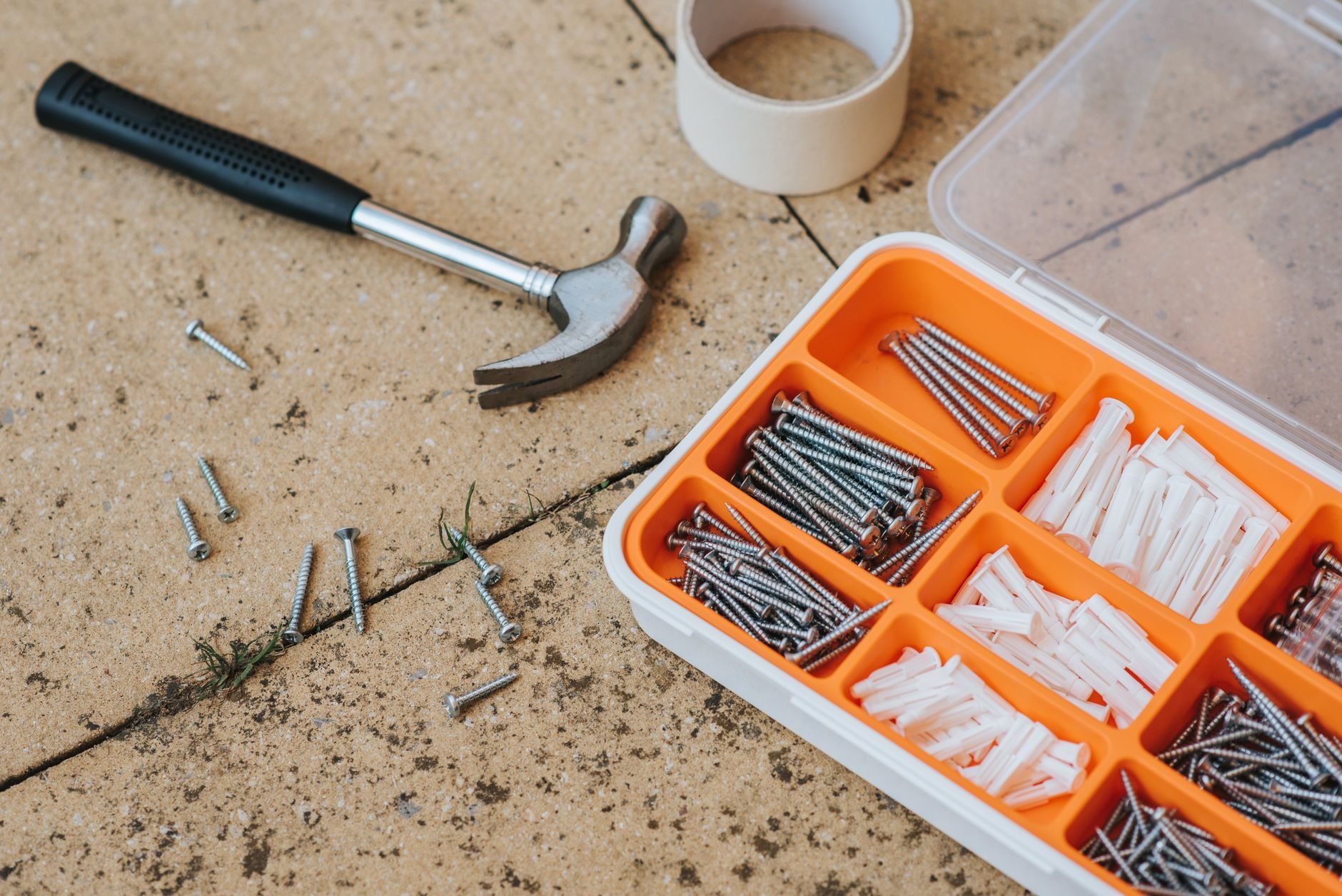
Why fireboxes fail along the Wasatch Front
Three local realities show up in most fireboxes we repair. The first is winter moisture: with roughly 100-plus freeze–thaw days a year, water in an open firebox joint freezes, expands, and widens it — the same mechanism that destroys exterior mortar joints, only hidden where nobody looks.
The second is seismic. The Wasatch fault runs beneath the communities we serve, and the 2020 Magna earthquake cracked and shifted chimneys across the Salt Lake Valley. A back wall that moved a quarter inch can look fine from the couch while leaving a gap straight to the framing behind it, so after any felt earthquake an inspection is cheap insurance; the Utah Geological Survey documents the hazard in detail.
The third is how fireplaces get used here. Mandatory no-burn days during Utah County and Salt Lake County inversions leave wood fireboxes idle for weeks, then fired hard the first clear cold night — thermal shock a tired lining won’t tolerate. Many owners convert to gas logs in response; a gas set belongs in a sound, relined firebox. Let it go far enough to scorch the framing and it becomes fire damage reconstruction, the outcome this page exists to prevent.
What does firebox repair cost in Utah?
As ballpark planning numbers, repointing the refractory joints in a sound firebox typically lands in the several-hundred to roughly thousand-dollar range, and a full firebrick reline commonly runs in the low-to-mid thousands. Ranges, not quotes; a firm estimate follows a site visit.
What moves the number: how many bricks are replaced rather than repointed, whether the back wall is rebuilt, whether the smoke chamber needs parging at the same time, and whether a cap or crown repair is needed to stop the water that caused the damage. Smoke staining on the surround is a lighter scope under masonry cleaning. Firebox work rarely needs a permit on its own; a gas-log conversion does, so verify with your city building department. Our B100 license (#14282236-5501) is verifiable at dopl.utah.gov.
Questions we actually get
Can I use my fireplace while the firebox is damaged?
We’d rather you didn’t. Open joints in firebrick let heat reach the backup masonry and, in the worst case, the framing behind the fireplace, which can char over many fires before it ignites. Hold off until it’s inspected; a gas log set on a damaged lining carries the same risk.
Why did the mortar in my firebox crumble so fast?
Almost always because it wasn’t refractory mortar. General-purpose mortar isn’t rated for firebox heat and fails within a few seasons, and wide joints make it worse. The other common cause is water coming down an uncapped flue, which weakens even proper refractory mortar, so we check the top of the chimney before we repoint the bottom.
How long does a firebox repair take?
Repointing is usually a one-day job; firebrick replacement or a full reline runs two to three days. Then add cure time: several days before the first small fire and about a week of gradually larger fires before normal use. Plan it for a stretch when you won’t miss the fireplace.
Does firebox repair fix a smoking fireplace?
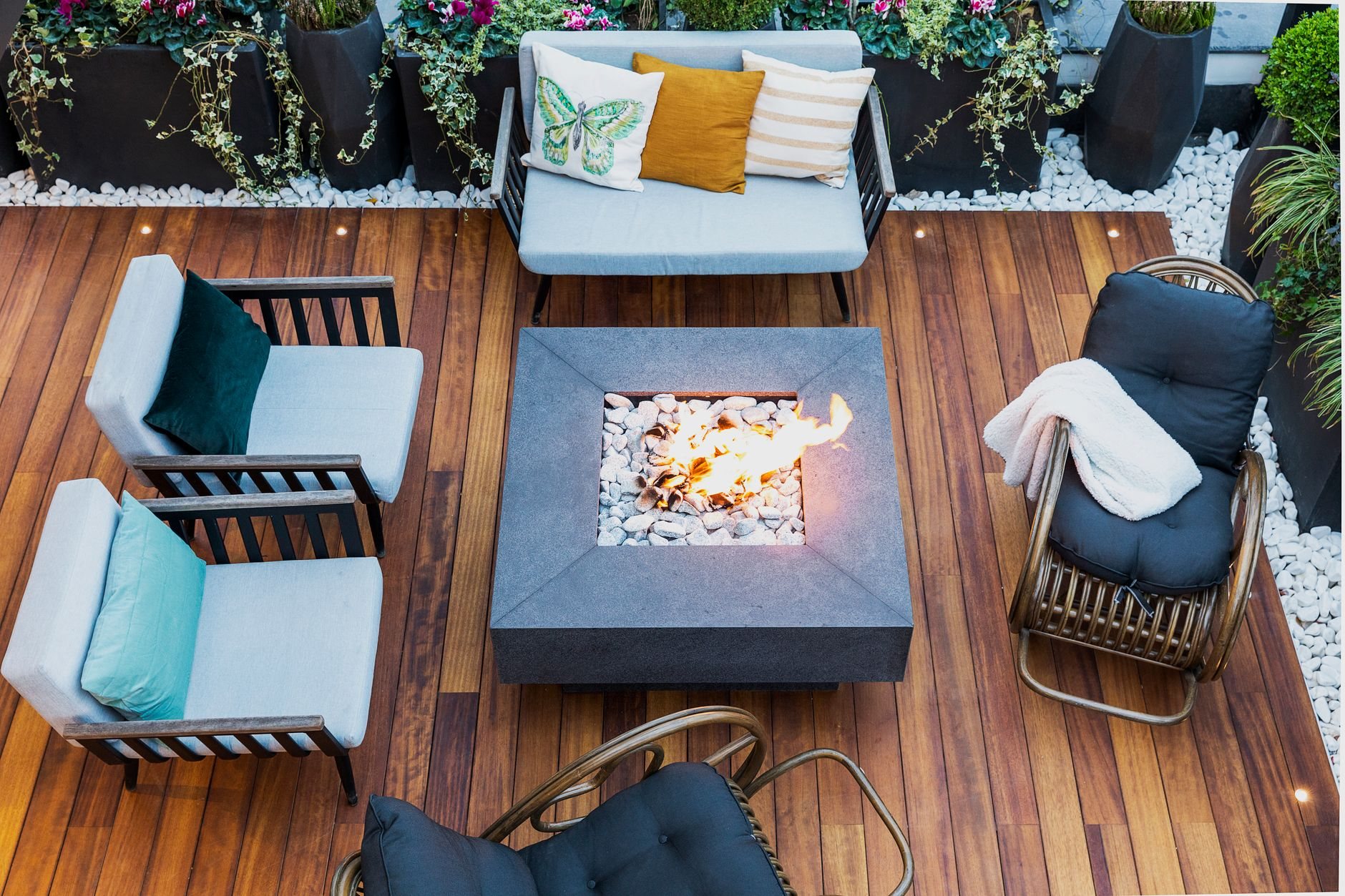
Not by itself. A smoking fireplace is usually a damper, flue-sizing, or draft problem rather than a firebox problem, and we’ll tell you which during the inspection. If the firebox and smoke chamber proportions were wrong from the start, the fix is a rebuild — indoors, or on the patio under outdoor fireplaces and fire pits.
Tell us what you’re working on
Send a photo of the inside of your firebox and we’ll give you a straight read: repoint, reline, or something bigger. It’s one scope within our masonry work and the site, structure & envelope family. We reply within a couple of hours during business hours, a day at most.