
Sod & new lawn installation in Utah County
Sod installation is the fastest route to a finished lawn: graded, amended soil with fresh-cut turf rolled out tight and rooted within a few weeks. It’s the right choice for new-construction lots, yards torn up by excavation, and anyone who wants grass this season instead of next — and Grandview installs it under a B100 general contractor license, in the right order with the rest of the yard.
When sod beats seed, synthetic turf, and rock
Seed costs less and offers more variety, but it takes a full season to fill in, and one August cloudburst can wash the top of a seeded hill into the gutter. Sod holds a grade the afternoon it goes down. On a sloped bench lot, that settles the question.
For a lawn with no irrigation at all, look at artificial turf instead. Sod is the pick for a living surface that stays cool underfoot in July, takes dogs and kids, and can be patched by the square foot. In a state that takes water seriously, the honest answer for most yards is a smaller lawn rather than no lawn: we often pair a right-sized sod area with rock, mulch, and xeriscape beds where nobody actually walks.
Sod is the last thing in. Grading and drainage get solved first, the sprinkler system is tested on bare soil, and only then does turf cover it up.
What a sod install actually involves
Most of a good lawn happens before the first roll is unrolled. Here’s the sequence; our B100 license is verifiable at dopl.utah.gov.
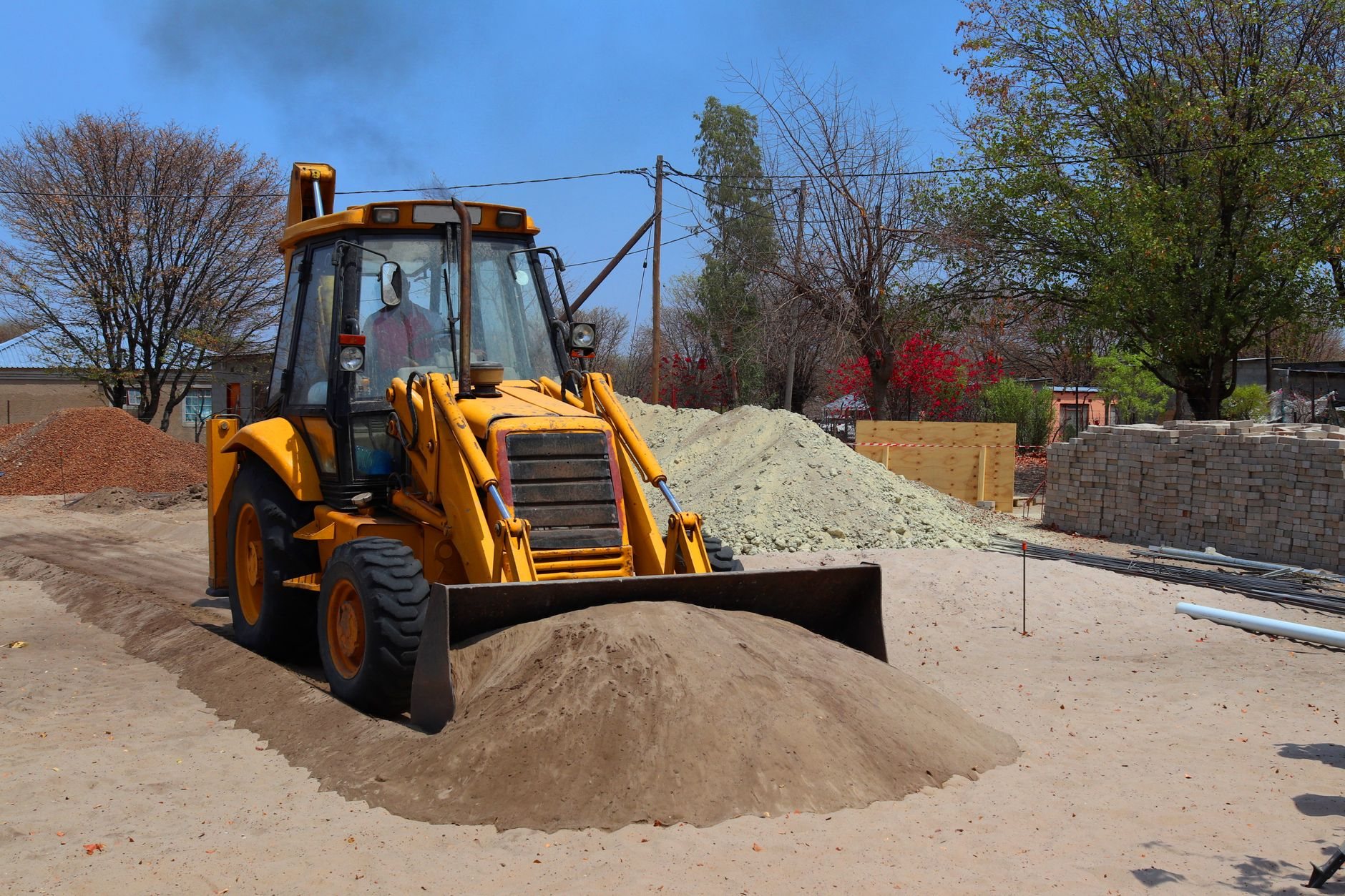
- Strip and rough grade. Old lawn, weeds, and debris come out. On a new-construction lot the surface is usually compacted subsoil and fill from the foundation dig. We probe for buried concrete and lumber, which otherwise show up later as dead patches that never explain themselves.
- Topsoil and amendment. Where the ground is thin or heavy, we spread screened topsoil and till in compost. Valley soils along the Wasatch Front run alkaline and clay-heavy; organic matter gives roots somewhere to go and lets water soak in rather than run off.
- Finish grade. The surface is raked and rolled smooth, falling away from the foundation toward the swales or drains already in place. We hold soil about an inch below patios and walks so the sod sits flush and the mower deck clears the hard edge.
- Irrigation check. Every zone runs on bare ground. Head coverage and spray pattern are cheap to fix on dirt and expensive to fix through grass.
- Lay the sod. Turf is cut at the farm the same morning and laid the same day. Rolls go down with staggered joints like running-bond brick, pushed tight without stretching, and run across the slope on hills so seams don’t become channels. A roller presses roots into soil so no air gap dries them out.
- First water and handoff. Water goes on within minutes of the last roll. You get a three-week watering schedule and a date for the first mow.
Which grass, and why timing matters
Utah sod farms grow cool-season grasses, the kind that survive both a 100-degree July and a January freeze. Kentucky bluegrass blends are the standard: dense, deep green, and able to close a bare spot on their own by spreading underground. Tall fescue mixes root deeper, handle shade and dog traffic better, and use less water, at the cost of a coarser blade and no self-repair. We’ll steer you based on sun, use, and water.
Sod is perishable. A pallet left in 95-degree sun starts cooking in the middle within hours, and turf that yellows on the pallet never fully recovers, so we schedule farm delivery to the hour the crew is ready. Spring and early fall are the best windows along the Wasatch Front: soil is warm enough for roots to move, and the air isn’t pulling water faster than young roots can take it. Summer works with disciplined watering. Late fall is a gamble on roots knitting before the ground freezes, and we’ll say so.
What does sod installation cost in Utah County?
As a ballpark planning number, installed sod with soil preparation commonly runs $1.50 to $3.00 per square foot in Utah County, with the turf itself a fraction of that. A 2,000-square-foot lawn typically lands at $3,000 to $6,000 before irrigation. Imported topsoil, removing an old lawn, and wheelbarrow-only access move the number most.
Toward the top of that range: a backyard a skid steer can’t reach, rubble-filled soil, an old lawn to strip and haul, and steep grades. Toward the bottom: open access, decent native soil, and a simple shape. Irrigation is priced as its own scope. We’ll give you a budget range after a site walk and a firm estimate once square footage and the soil plan are set.
Sod is one scope within our landscaping and hardscaping work, part of site, structure, and envelope. In a bigger rebuild it’s priced as one sequence with the grading and irrigation around it.
Questions we actually get
How long before we can walk on and mow new sod?
Keep foot traffic off for about two weeks, and mow for the first time when a gentle tug on a corner meets resistance, usually two to three weeks in. Set the mower high for that cut. Fencing dogs off for those two weeks saves a lot of patching.
How much water does new sod need?
For the first two weeks the sod and the soil beneath it should stay consistently moist, usually short cycles more than once a day in summer. Once roots take hold, taper to deeper, less frequent watering. A smart controller that adjusts for weather, such as one carrying the EPA WaterSense label, makes the taper automatic.
Can you lay sod over the existing lawn?
No. Sod over old grass roots poorly, the old material decomposes unevenly, and the surface turns lumpy within a season. We strip the old lawn, grade the soil, and start clean. If the existing lawn is mostly healthy and just thin, a renovation may be the better value, and we’ll say so.
Does the sprinkler system have to be in before the sod?
Yes. Lines, heads, and the backflow preventer go in and get tested on bare soil first; backflow work is done by licensed plumbers we coordinate and quality-check within the project. Sod laid before a working system either dries out in the first week or gets cut open later.
Tell us what you’re working on
Send us the square footage and a photo of the yard, and we’ll give you a straight read on soil prep, timing, and budget before anyone commits to anything. We reply within a couple of hours during business hours, a day at most.