
Artificial Turf Installation in Salt Lake City
Artificial turf is a synthetic lawn: UV-stabilized polyethylene fibers on a perforated backing, laid over a compacted aggregate base and weighted with infill, for yards, park strips, and dog runs that stay green without irrigation. Grandview installs turf under a B100 license, so the base, drainage, and edges get the same attention as the surface you see.
When turf is the right call, and when sod or rock is
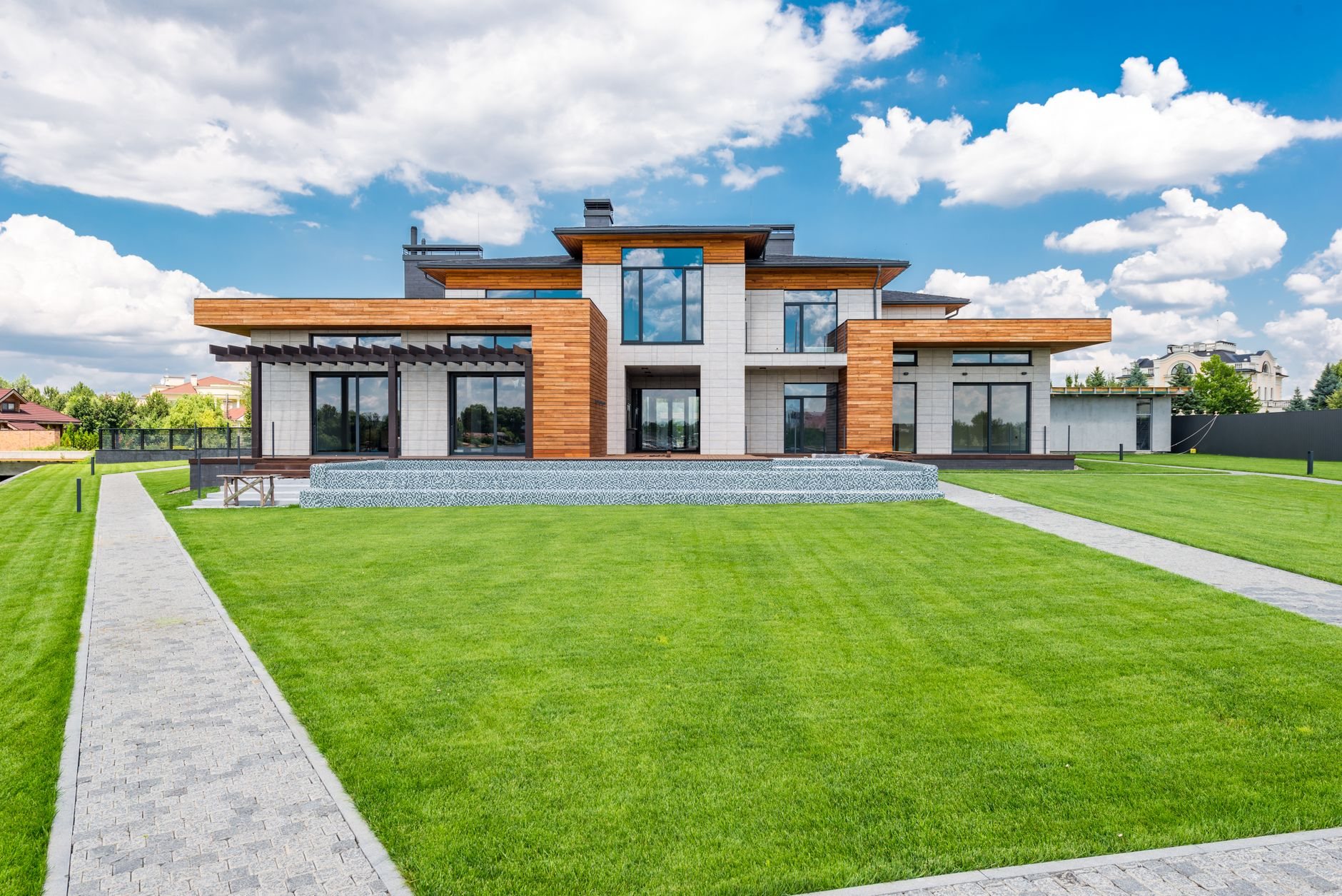
Turf earns its place where a lawn look is non-negotiable but the water and mowing are: shaded side yards that never dry out, dog runs that turn to mud by March, a putting green, or a rental frontage that has to look kept without anyone keeping it. Park strips are a common ask in Salt Lake City, where many homeowners have already pulled the sprinklers out and want something other than gravel.
It’s the wrong call for a large open lawn on a budget; a sod installation costs a fraction per square foot up front and feels better underfoot in July. If you’d rather have planting than plastic, a rock-and-mulch xeriscape is what Utah’s landscape incentive programs are built around; those programs generally do not count synthetic turf as a qualifying conversion, so check your water district’s rules before planning on a rebate. For seating rather than play, a gravel patio drains as well and costs less.
What a turf install actually involves
Most turf failures are base failures. The roll on top is the easy part.
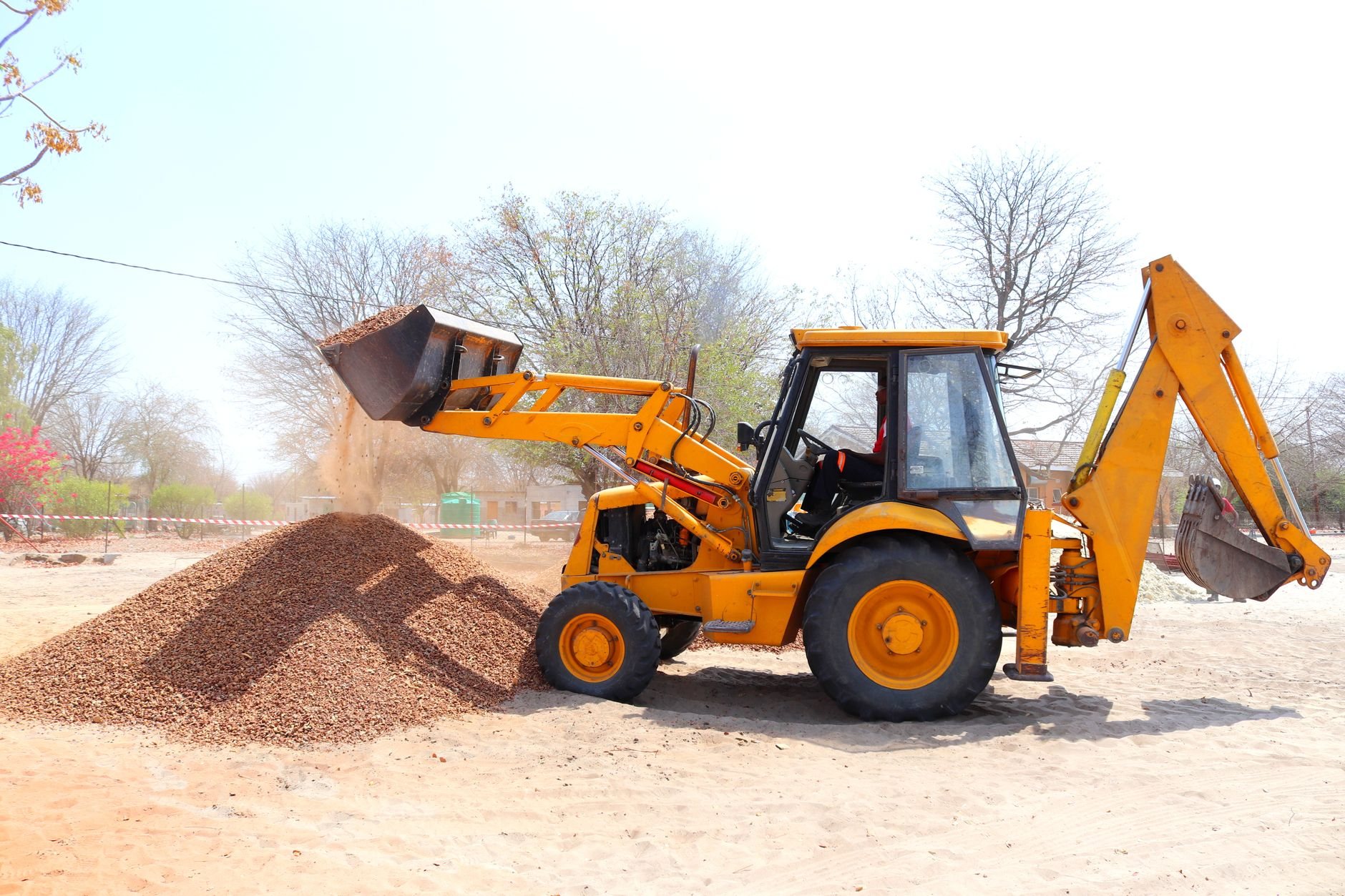
- Strip the lawn. A sod cutter or skid steer removes the grass and three to four inches of soil, with roots and old irrigation heads pulled or capped. Turf laid over living grass fails within a season.
- Build the base. Three to four inches of three-quarter-minus crushed road base, compacted in lifts and graded at one to two percent toward wherever water leaves the yard, then about an inch of decomposed granite screeded and compacted again so the surface reads smooth under short pile.
- Pin the perimeter. Turf needs a hard edge to stretch against: bender board, a concrete mow curb, or steel landscape edging, with non-galvanized nails every six to eight inches that rust into the base and hold.
- Roll, seam, and stretch. Rolls relax in the sun, get cut with the grain running one direction on every piece, and join over seaming tape and adhesive. We stretch the field before final nailing so it can’t wrinkle in August heat.
- Infill and groom. One to two pounds per square foot, dropped and power-broomed so the fibers stand. Silica sand for general use; coated sand or zeolite for pet areas.
Product matters too. We spec by face weight (60 to 90 ounces per square yard for residential lawns), pile height (1.25 to 2 inches, shorter for putting surfaces), backing (polyurethane outlasts latex through freeze–thaw), and drain rate. A tan or olive thatch layer keeps the lawn from reading as carpet.
Why the base matters more on the Wasatch Front
The Salt Lake Valley sees roughly 100-plus freeze–thaw days a year. A base that holds water heaves in winter and settles unevenly in spring, and the turf shows every ripple, which is why we compact in lifts and grade to drain. Bench lots add collapsible and expansive soils, mapped by the Utah Geological Survey, that move when wet; there we go deeper on base and add a geotextile under the road base.
Perforated backing passes a summer cloudburst faster than the ground beneath can take it, so the base has to carry water to a drain, swale, or daylight. If the yard lacks that path, it gets solved under landscape grading and drainage before any turf is cut.
Then there’s sun. At 4,300 feet and up, UV fades and embrittles fiber faster than warranties written for sea level assume, so we spec UV-stabilized product and read the fade clause closely. One more hazard: low-E windows can focus reflected sunlight hard enough to melt turf fiber, so we check window orientation before laying a roll near glass.
What does artificial turf installation cost in Salt Lake City?
As a ballpark planning range, professionally installed residential turf in the Salt Lake area commonly runs $12 to $20 per square foot, including demolition, base, product, edging, and infill. Small areas like a park strip sit at the high end because mobilization doesn’t shrink with the job. We confirm a budget range after a site walk and a firm estimate once the product is picked.
What moves the number: how much soil has to leave and whether a machine can reach it; base depth, which rises on poor soil; product face weight and backing; seam count, which curves multiply; pet-grade infill; and edging, where a concrete mow curb outlasts bender board by decades at a higher price. Rerouting the existing sprinkler system so the remaining zones still work is the line item people forget.
Questions we actually get
How long does artificial turf last in Utah’s sun?
Quality UV-stabilized turf on a properly built base is typically warrantied around 15 years and often lasts longer. Utah’s elevation makes fade and fiber wear the limiting factor, not the base, so product selection matters more here than in a coastal climate. Read the warranty’s fade and heat exclusions before you buy.
Does turf get too hot for kids and dogs in summer?
In full sun on a Salt Lake July afternoon, yes, hot enough to be uncomfortable barefoot. Lighter fiber, heat-reducing infill, shade, and a quick hose-down all help. For a south-facing play yard we’ll talk honestly about whether sod, shade, or a mix of turf and planting is the better answer.
Is artificial turf a good surface for dogs?
Yes, if it’s built for it: a permeable base, a high drain-rate product, and zeolite or antimicrobial infill instead of plain sand. Solid waste gets picked up like any lawn; urine rinses through. Expect to hose the run periodically in summer. Skip the pet-grade infill and the area will smell by August.
Where this work fits
Turf is one scope within our landscaping and hardscaping work, part of the site, structure and envelope family. Permits are rarely required for turf itself, though HOAs often have an approval step and some cities regulate park-strip materials, so verify with your city before ordering rolls. Our license is verifiable at dopl.utah.gov.
Tell us what you’re working on
Send us the square footage, a photo, and how the space gets used. You’ll get a straight read on base, drainage, product, and budget before anyone commits to anything. We reply within a couple of hours during business hours, a day at most.