
Paver driveways & walkways in Utah County
A paver driveway is an interlocking concrete paver surface over a vehicle-rated compacted base, with edge restraint sized for turning tires. Grandview builds paver driveways and the walkways that connect them under a Utah B100 general contractor license, from subgrade to joint sand.
When pavers beat poured concrete or asphalt for a driveway
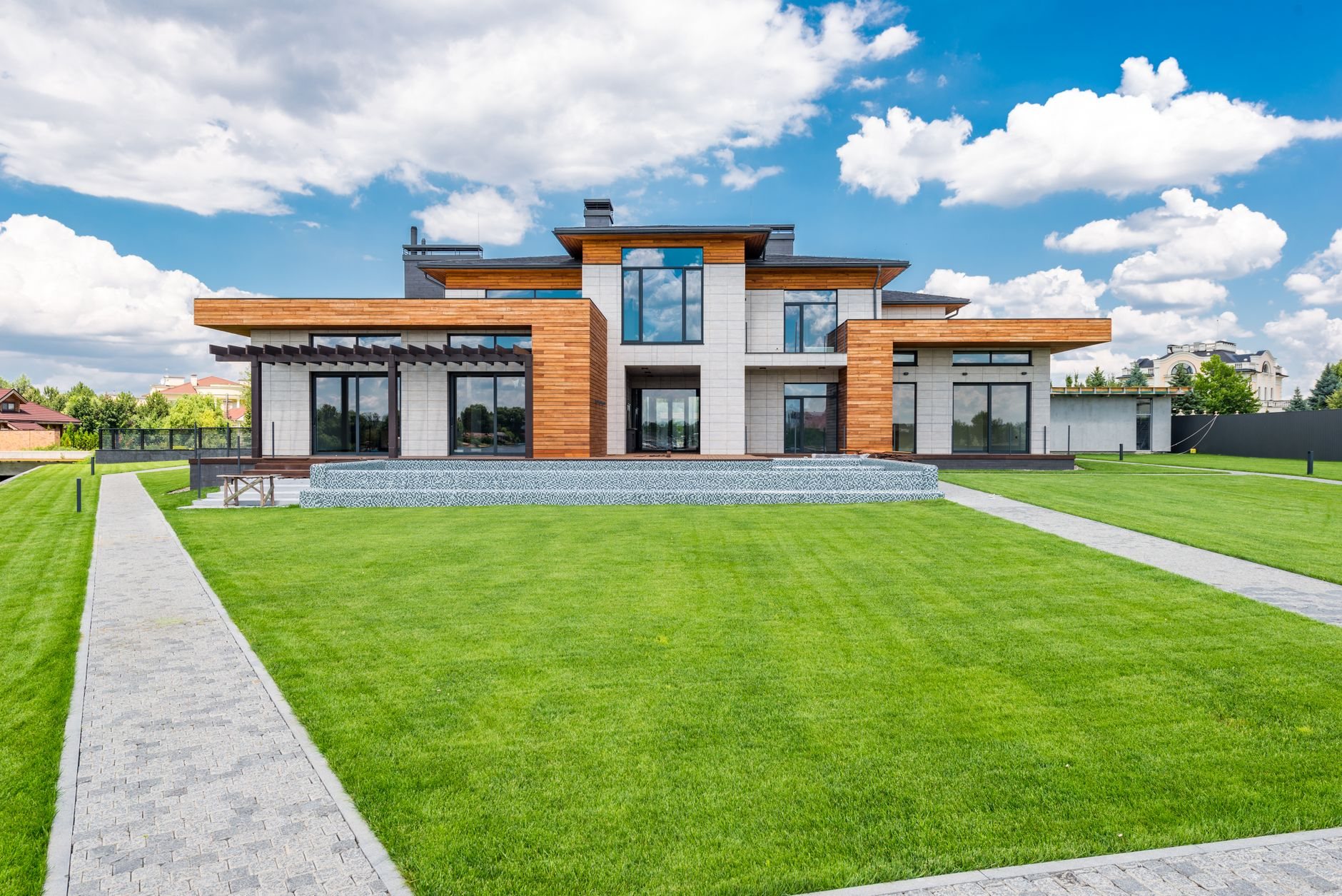
Pavers are the right driveway when you want a surface that can be repaired one unit at a time. A poured slab that cracks over expansive clay stays cracked; a paver that settles gets lifted, re-bedded, and tamped back in an afternoon.
They also tolerate de-icing better than most flatwork. Concrete pavers are manufactured at roughly 8,000 psi, about double a typical poured driveway, with lower water absorption, so rock salt and freeze–thaw cycling scale the surface far more slowly. On the Wasatch Front, with well over a hundred freeze–thaw swings a winter, that gap shows up fast.
Choose poured concrete when budget decides and the lot is flat and stable, asphalt for long drives where cost per foot rules, and pavers when the driveway is part of how the house reads from the street or should match a paver patio in back.
What a vehicle-rated paver base involves
A driveway is not a patio with cars on it.
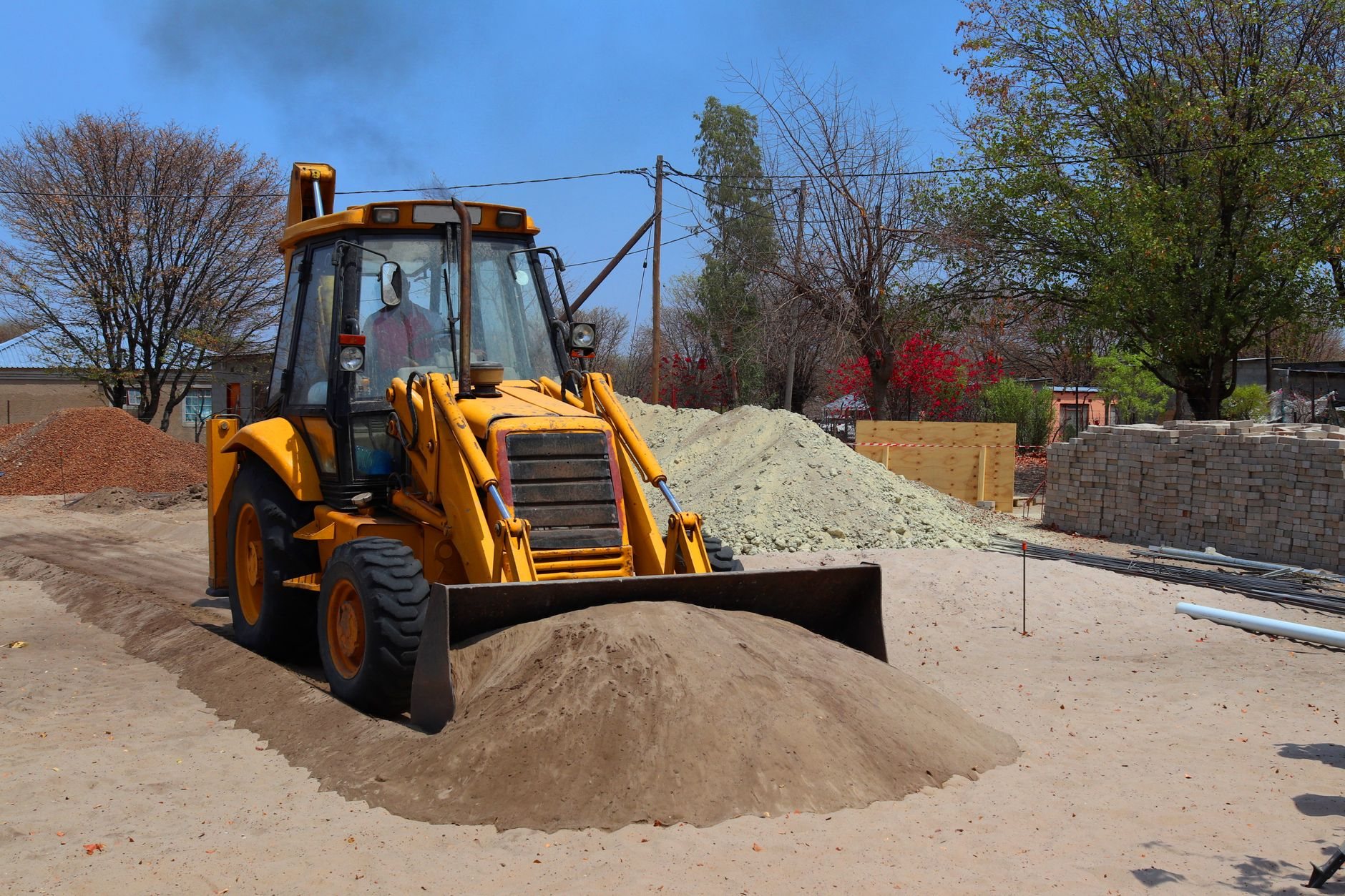
- Excavate to depth. A driveway needs 8 to 12 inches of base plus bedding and paver, so we dig 12 to 15 inches below finished grade. On the collapsible bench soils and expansive clays the Utah Geological Survey maps across much of Utah County, we go deeper and proof-roll the subgrade first.
- Separate and stabilize. A woven geotextile goes over clay subgrade so the base can’t pump down into the soil under repeated wheel loads.
- Build the base in lifts. Crushed road base in 3-inch lifts, each compacted with a reversible plate before the next.
- Screed one inch of bedding sand. Concrete sand, never fine mason sand, and never thicker than an inch. Thick bedding is a settling layer waiting to happen.
- Lay 80 mm pavers in herringbone. Driveways get 80 mm (3 1/8-inch) units, not the 60 mm pavers used on patios, set in 45- or 90-degree herringbone. Herringbone locks in both directions, so turning tires push against the whole field instead of walking a running-bond course out of line.
- Restrain the edge. A poured concrete curb or heavy spiked restraint pinned into the base, not the bedding sand. The edge is where paver driveways fail when they fail.
- Sweep, compact, and lock. Polymeric sand into the joints, a pad-protected plate over the field, then a mist to set. Finished grade falls at least 2 percent away from the garage slab.
Where the drive meets the street, many Utah cities require the approach inside the public right-of-way to be poured concrete to their standard detail, under a separate approach permit. We build that transition and pull the permit; verify with your city’s public works department.
Walkways: the lighter section, same standard
A paver walkway carries foot traffic, snow blowers, and the occasional loaded wheelbarrow, so the section is lighter: 4 to 6 inches of compacted base, an inch of bedding sand, and 60 mm pavers. Thirty-six inches is the minimum width that feels like a path; 48 inches lets two people walk together and keeps a snow shovel off the edge restraint.
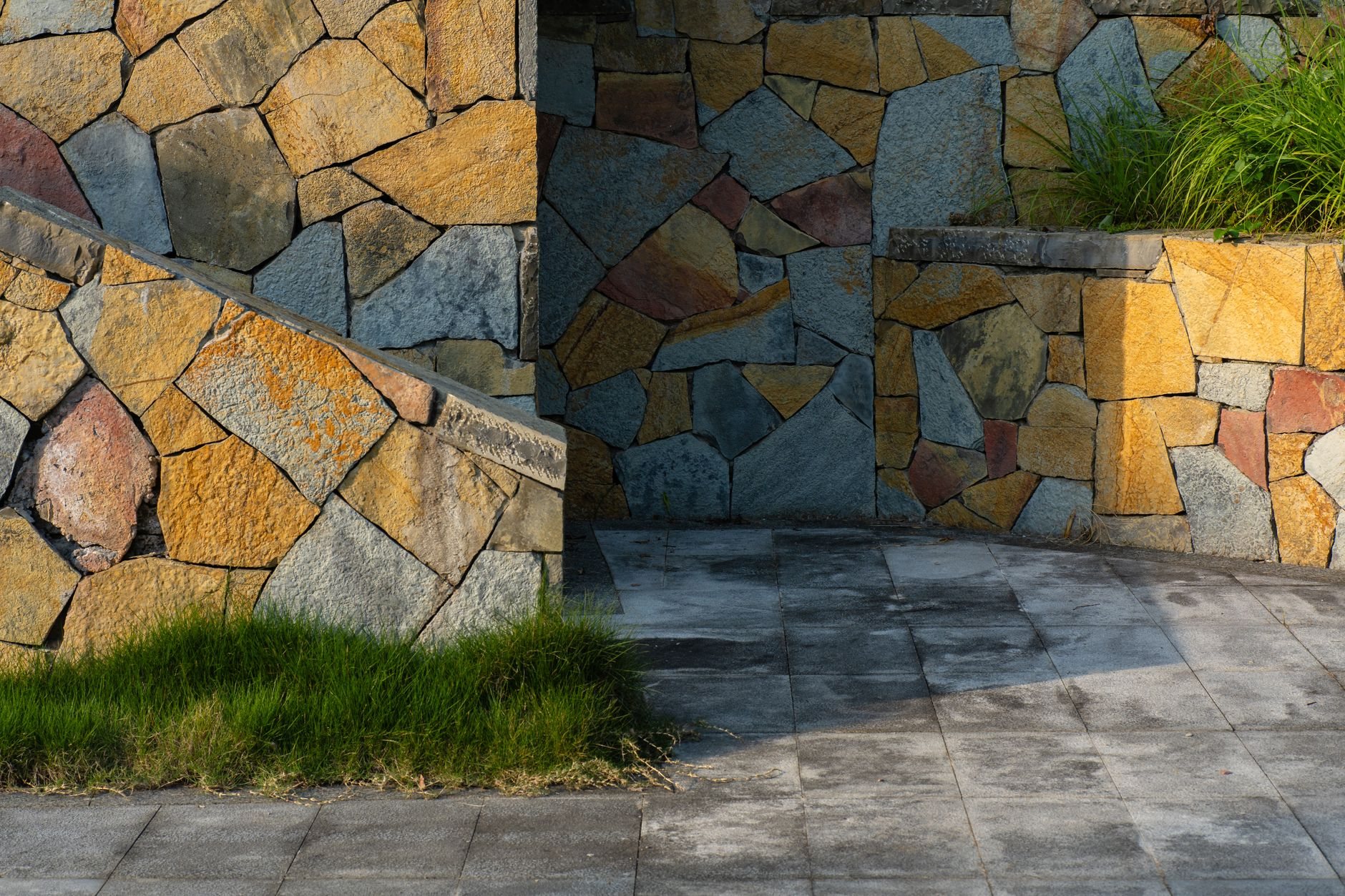
Walkways also carry grade. A path from the driveway to the front door often climbs two or three feet across a Utah County front yard, and pavers on a slope steeper than about 8 percent get slick in winter. Past that, the answer is a landing and a short run of outdoor steps on the same base. Where the path crosses lawn, a steel or concrete edging detail keeps turf and joint sand apart.
Both surfaces should move water, not hold it. Summer cloudbursts here can drop an inch in an hour, and a drive sheeting toward the garage is a wet garage. We set runoff paths with the grading and drainage plan before the first lift of base goes in. On lots with nowhere to send water, permeable pavers over an open-graded base let the driveway drain through itself. This is one scope within our landscaping and hardscaping family, part of Grandview’s site, structure and envelope work.
What drives paver driveway cost in Utah County
As ballpark planning numbers, paver driveways in Utah County commonly run $20 to $40 per square foot installed, and walkways $18 to $35. The spread comes from how much old concrete has to be demolished and hauled, how deep the base must go on your soil, whether a poured edge or approach is required, and the paver itself. A plain 80 mm concrete paver sits at the bottom of the range; large-format slabs, permeable systems, and clay or natural stone units move it up. A UV-rated sealer adds a little and holds color under high-elevation sun. You’ll get a planning range after a site walk and a firm estimate once layout and paver are chosen. Our license is verifiable through Utah DOPL.
Questions we actually get
Can I plow or snow-blow a paver driveway?
Yes. Snow blowers and shovels are fine on a properly compacted paver surface. Plow blades should run with skid shoes or a rubber edge so they ride over the pavers instead of catching a joint. Calcium or magnesium chloride is kinder to nearby planting than rock salt.
Will a paver driveway settle or rut under vehicles?
Not if the base is built for it. Ruts come from thin base, uncompacted lifts, or a missing geotextile over clay. With 8 to 12 inches of compacted road base, 80 mm pavers, and a pinned edge, a paver driveway carries daily traffic for decades.
Can you replace my cracked concrete driveway with pavers?
Yes, and it is the most common version of this project. We demolish and haul the old slab, evaluate the subgrade it was hiding, build the new base, and tie into the garage slab and city approach. Demolition is its own line in the estimate.
Do I need HOA or city approval to switch my driveway to pavers?
Often. HOA-governed developments across Lehi, Saratoga Springs, Eagle Mountain, and Daybreak usually require architectural approval for a driveway material change, and widening a drive or altering the street approach generally needs a city permit. We prepare the submittals for both; verify thresholds with your city’s building department.
Tell us what you’re working on
Send a photo of the drive and the approach and we’ll give you a straight read on base depth, edge detail, and budget before anyone commits to anything. We reply within a couple of hours during business hours, a day at most.