
Foundation Crack Injection in Utah County
Crack injection fills a crack in a poured concrete foundation wall from the inside, under pressure, with structural epoxy or flexible polyurethane — no excavation, no wall replacement. It is the right repair for a wall that is stable but cracked or leaking, and Grandview performs it under a Utah B100 general contractor license, verifiable at dopl.utah.gov.
When injection is the right repair, and when it isn’t
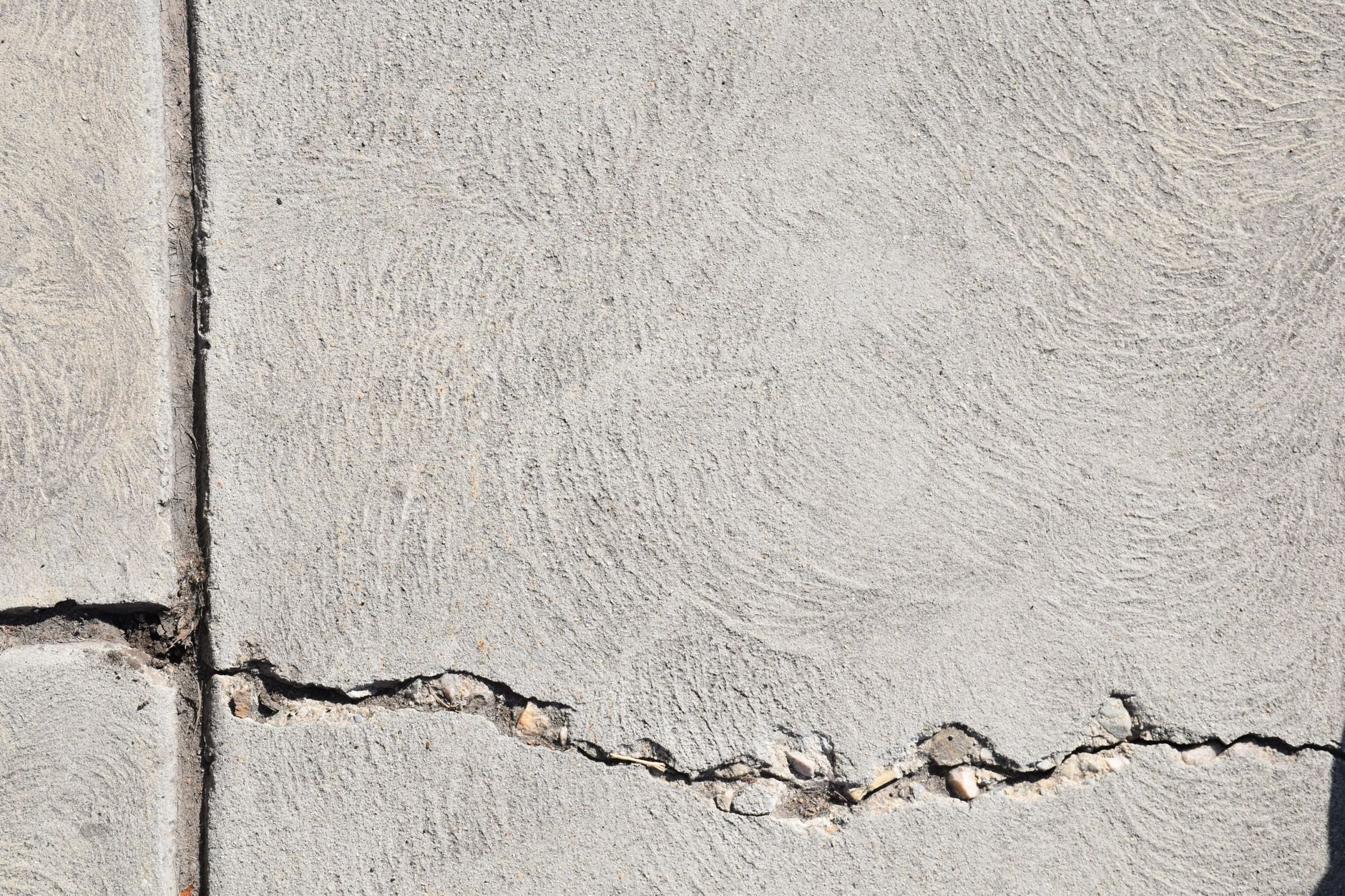
Injection repairs the crack, not whatever caused it. That makes it the correct choice once the wall has stopped moving: a vertical or diagonal shrinkage crack that has held its width for a couple of seasons, one that weeps during spring snowmelt or an August cloudburst.
It is the wrong choice when the crack is a symptom. A horizontal crack at mid-height is clay pressure pushing the wall inward; that wall needs carbon-fiber reinforcement or wall anchors or steel bracing before anything gets filled. A crack wider at the top than the bottom and still growing usually means a settling footing — push pier territory, with injection as the finishing step. Injecting an active crack buys the repair twice. Injection also suits poured concrete only; block and brick walls fall under foundation repair more broadly.
Epoxy or polyurethane: how we choose
Structural epoxy is a two-part resin that cures harder than the surrounding concrete and bonds both faces of the crack back together. It restores the wall’s continuity, which is why engineers specify it when a crack must count as repaired, not merely sealed. The trade-off is rigidity: it needs a dry crack to bond and won’t tolerate a wall that still flexes.
Polyurethane is a water-reactive foam. It goes into an actively wet crack, expands several times its volume on contact with moisture, and cures flexible. It seals rather than bonds — right for leaking cracks, minor seasonal movement, tie-rod holes, and the cold joint at the footing. It adds no strength and doesn’t claim to.
Along the Wasatch Front, the soil usually decides. Expansive clay, mapped across much of Utah County by the Utah Geological Survey, cycles pressure against basement walls every wet–dry season, so a crack with any seasonal change gets polyurethane. A dry, stable crack gets epoxy.
What the injection work actually involves
- Map and measure. We trace each crack full length, record widths, and note whether it reaches the slab — if it does, the slab edge gets sealed too.
- Clean the surface. Efflorescence, paint, old caulk, and hydraulic cement patches come off with a grinder.
- Set the ports. Injection ports go about one wall thickness apart — roughly every eight inches on an eight-inch wall — so material from one port reaches the next.
- Seal the face. Paste epoxy caps the crack between ports so material is forced into the wall, not back out the front.
- Inject bottom-up. Material goes in at the lowest port until it shows at the one above; that port is capped and injection moves up, filling the full wall thickness.
- Cure, strip, finish. Hours for polyurethane, about a day for epoxy. Ports come off, paste is ground flush, and the wall is ready for framing. Problems happen. Surprises should not.
The Wasatch Front sees roughly a hundred freeze–thaw days a year, and water trapped behind a surface-only patch freezes, expands, and reopens the crack from behind. A full-depth injection leaves no void to fill.
Sealed cracks also close a radon path. Utah’s geology produces high indoor radon in many neighborhoods, and foundation cracks are an entry point the EPA names in its radon guidance. Injection isn’t a mitigation system on its own, but if a basement finish is coming, sealing every crack before drywall is the cheap moment to do it. If the crawl space has the same moisture story, crawl space encapsulation finishes the job.
What does foundation crack injection cost in Utah?
Most single-crack injections in Utah County land between a few hundred dollars and about $1,500 — ballpark planning numbers, not a quote. A short, dry shrinkage crack in an unfinished basement sits low; a long leaking crack behind a finished wall, or an engineer-specified epoxy repair with documentation, sits high.
- Length and count. Pricing runs largely per linear foot; setup is shared, so the per-crack number drops as count rises.
- Wet or dry. A leaking crack needs polyurethane and sometimes a second pass; a dry crack is one visit.
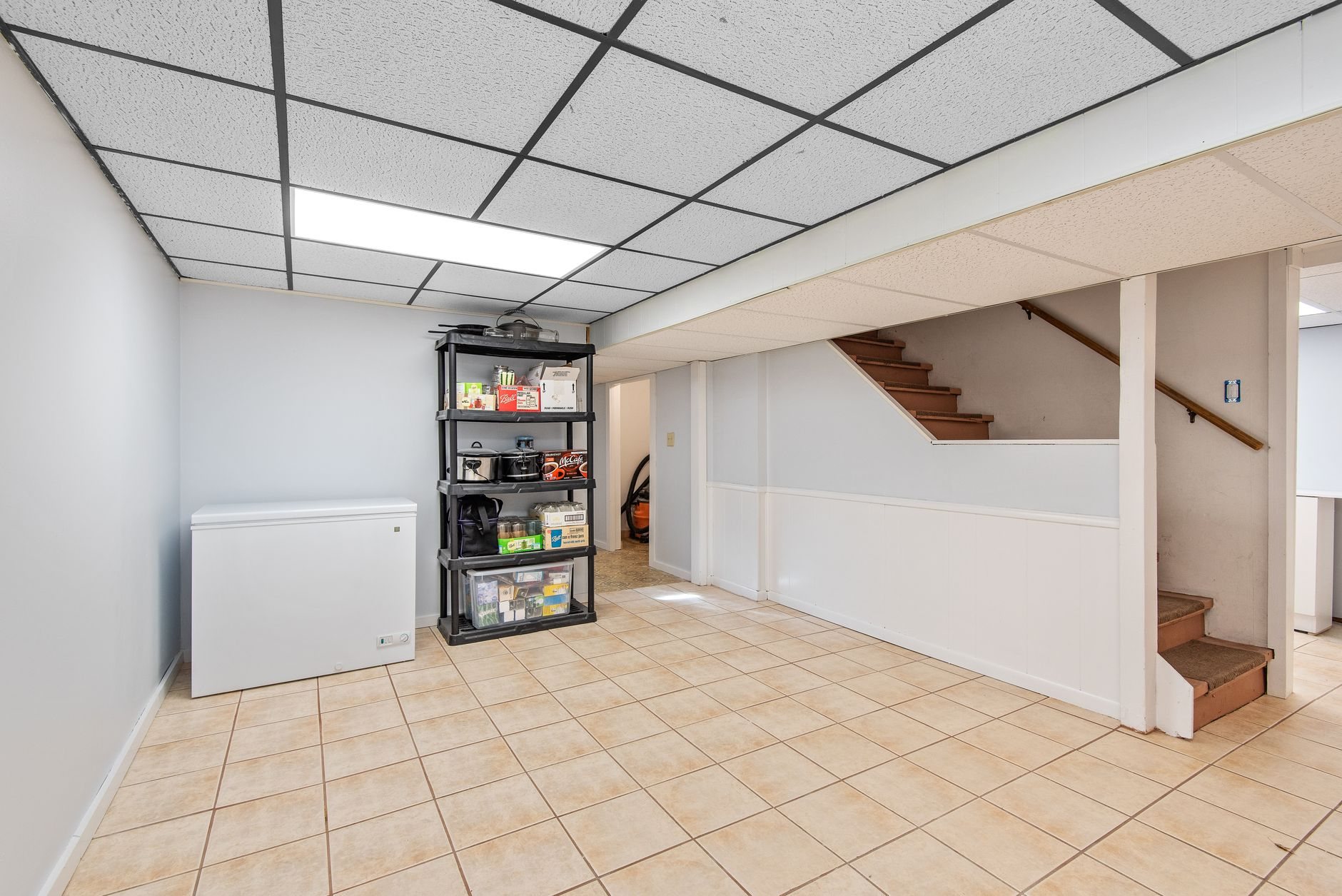
- What’s in front of the wall. Removing and restoring drywall or built-ins is often the biggest line item; injection is cheapest before a basement is finished.
- The cause. If a downspout discharges at that corner, redirecting it belongs in the scope — our waterproofing and grading work covers it.
A site visit produces a budget range; the written proposal is the fixed scope. Nobody should price a crack from a text-message photo, including us. Part of our site, structure and envelope family.
Questions we actually get
Can you inject a crack that is leaking right now?
Yes, with polyurethane. It is water-reactive and meant for wet cracks; the moisture triggers the expansion that seals it. Epoxy needs a dry crack to bond, so a leaking crack gets polyurethane first.
How long does a crack injection repair last?
A full-depth injection on a stable crack is a permanent repair of that crack. What it cannot do is hold a wall that keeps moving — if the foundation settles or bows afterward, new cracks form nearby. So we diagnose the cause first and inject once the wall is stable.
Will injection work on my cinder-block foundation?
No. Injection relies on a solid concrete mass to push material into; block walls have hollow cores that swallow it. Block and brick foundations are sealed and reinforced other ways — usually exterior waterproofing or carbon-fiber reinforcement, depending on what the wall is doing.
Do I need a permit for foundation crack injection in Utah County?
Usually not for sealing a non-structural crack from inside; most Utah County cities treat it as maintenance. If an engineer specifies epoxy injection as part of a structural repair, it rides on that repair’s permit. We confirm with your city’s building department.
Tell us what the crack is doing
Send a photo, the crack’s rough length, and whether it leaks, and we’ll give you a straight read: inject it, reinforce the wall first, or watch it over a season. We reply within a couple of hours during business hours — a day at most.