
Crawl Space Encapsulation in Utah County
Crawl space encapsulation seals the dirt floor and foundation walls under your house with a heavy reinforced vapor barrier, closes the vents, insulates the perimeter, and adds a dehumidifier so the space stays dry year-round. It’s the right fix for a vented crawl space that smells musty, grows mold on the joists, or lets radon in — and Grandview installs the full system under a Utah B100 general contractor license.
When encapsulation is the right call, and when it isn’t
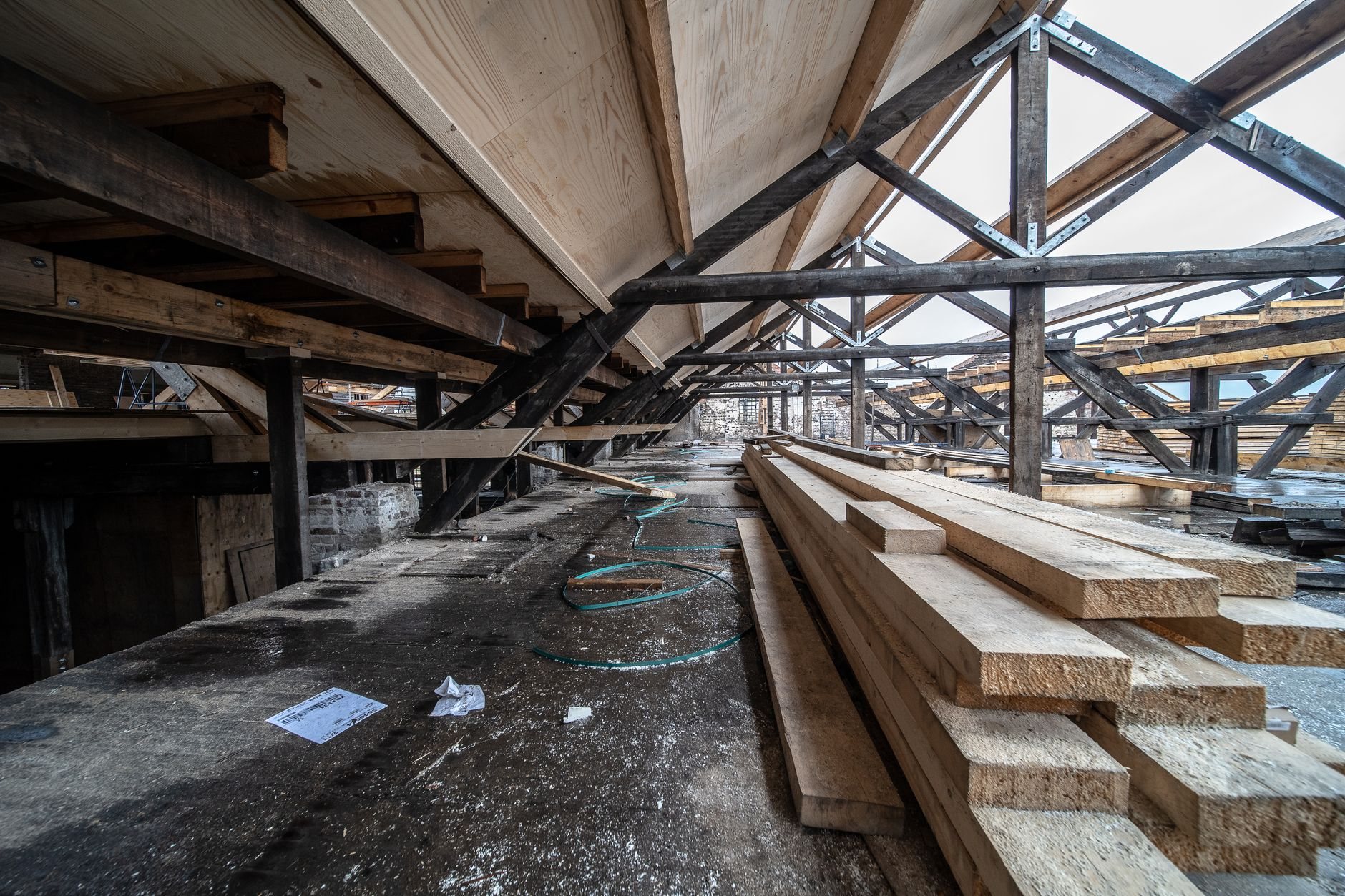
Encapsulation treats a moisture and air problem, not a structural one. Musty smell upstairs, condensation on ductwork, mineral bloom on the foundation walls, cupped hardwood, or a high radon test point here.
Sagging floors or a beam off its posts mean crawl space jacks and floor stabilization come first, then the liner. Water running through the space each spring is a waterproofing scope — perimeter drain and sump — before it’s an encapsulation scope. Leaking wall cracks get crack injection before a liner hides where the water comes in. And if the space is genuinely dry and you just want warmer floors, crawl space insulation alone is the smaller job. Encapsulation is what you buy when moisture has to be controlled, not tolerated.
What a full encapsulation includes
The difference between an encapsulation and plastic on the dirt is in details nobody sees once the hatch closes:
- Clean-out. Debris, fallen batts, and standing water come out; mold on the framing is remediated before it gets sealed in.
- Drainage layer. Where the floor takes water, drainage matting or a perimeter trench to a sump basin goes under the liner.
- Reinforced vapor barrier. A 12- to 20-mil string-reinforced polyethylene liner across the whole floor, run up the walls to within a few inches of the sill, seams overlapped and taped, piers and posts wrapped.
- Vent sealing and wall insulation. Foundation vents closed and sealed; perimeter walls lined with rigid foam board, leaving the inspection gap a pest inspector needs at the sill.
- Air sealing. Rim joist gaps, pipe and wire penetrations, and a gasketed, insulated hatch door — a sealed crawl space with a leaky hatch isn’t sealed.
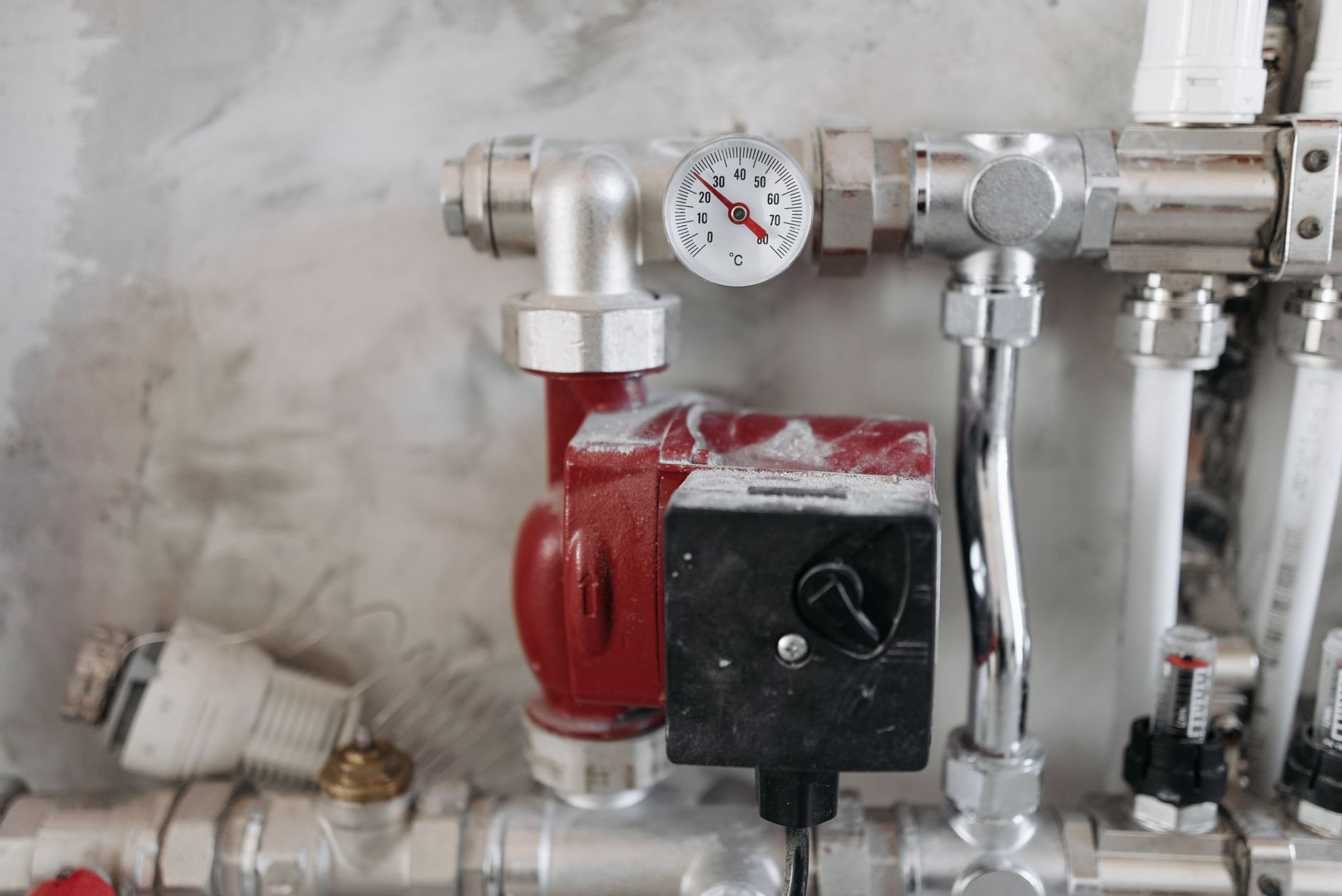
- Moisture control. A crawl-space-rated dehumidifier draining to the sump, or a small conditioned-air supply from the HVAC system. Licensed electricians, managed by us, run the dedicated circuit; an HVAC contractor we coordinate handles any duct connection.
Why Utah crawl spaces are worth sealing
Vented crawl spaces rest on the theory that outside air dries the space. Along the Wasatch Front it mostly does the opposite: summer monsoon cloudbursts soak the soil at the foundation, the dirt floor wicks it up for weeks, and humid air through the vents condenses on cold ducts. In winter the same vents push sub-freezing air across supply pipes. The U.S. Department of Energy now treats a sealed, insulated crawl space as the better-performing assembly in most climates.
Radon is the Utah-specific reason. The Utah Geological Survey maps elevated radon potential across much of Utah and Salt Lake counties, and a bare-dirt crawl space is an open door for it. Because the EPA’s recommended mitigation draws suction beneath a sealed membrane, we install the liner mitigation-ready. Test before and after; we’ll tell you plainly if the numbers call for a fan.
How a crawl space encapsulation runs
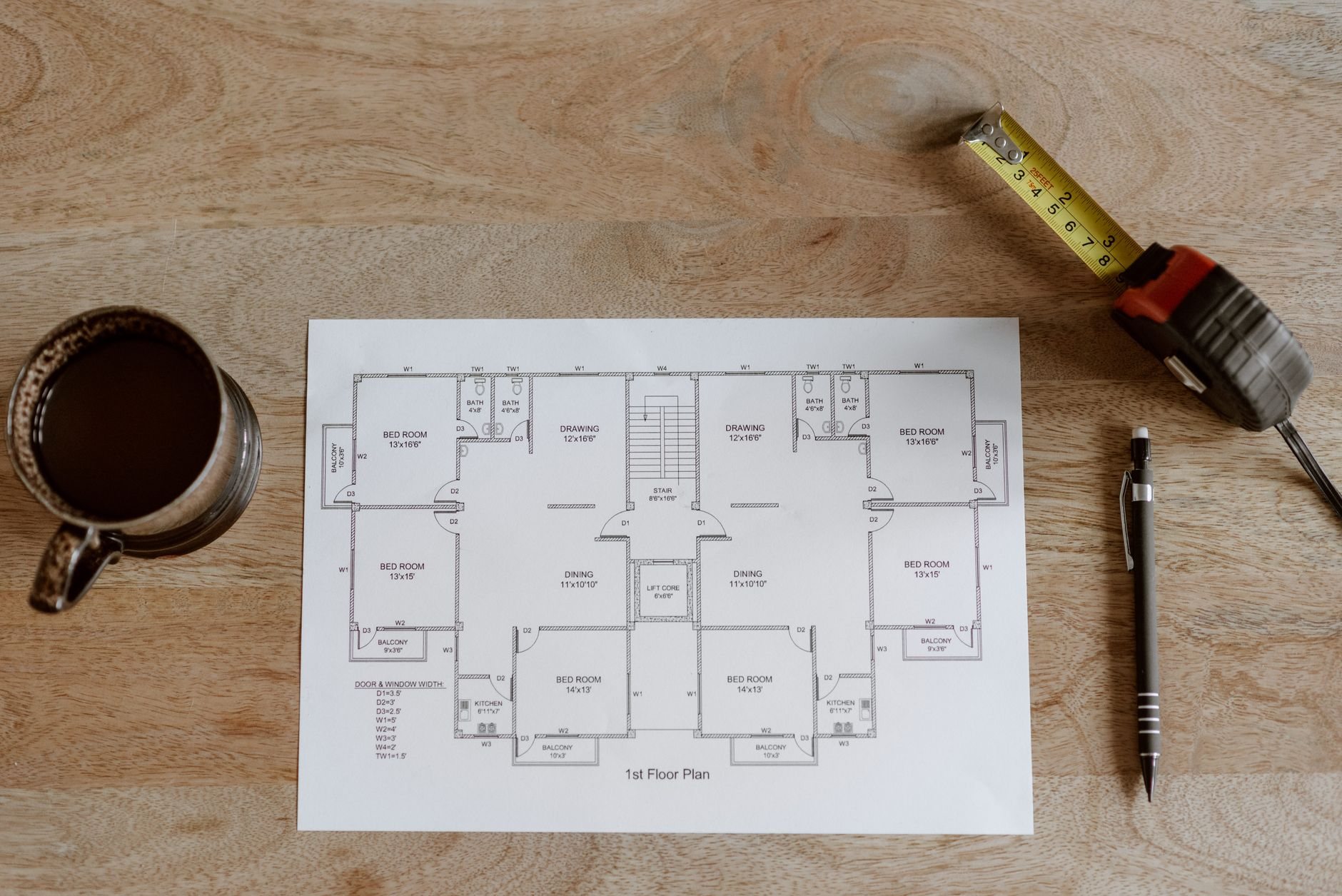
- Inspection. We go in with a moisture meter and a flashlight, check framing, floor, vents, ducts, and where water enters, and photograph it for you.
- Scope. A written scope naming liner thickness, wall R-value, drainage and sump details, dehumidifier model, and anything structural that happens first. Combustion air for any gas appliance is settled here, not discovered later.
- Prep and repairs. Clean-out, remediation, drainage, then any crack or framing repair, in that order.
- Install. Liner, wall foam, vent seals, air sealing, hatch, circuit and condensate line. Typically two to four days for an average Utah County home.
- Verify. Humidity readings once the system has run, a walk-through on camera since most owners would rather not crawl, and a photo packet. Good work should not require detective work.
What does crawl space encapsulation cost in Utah?
A complete encapsulation on a typical Utah County home — liner, wall insulation, vent and air sealing, dehumidifier — usually lands between $5,000 and $15,000 as a ballpark planning range. Drainage and a sump push toward the top; remediation and framing repair sit on top of that. What moves it:
- Clearance. Thirty inches of headroom is a job. Fourteen is a different job; everything takes twice as long on your stomach.
- Water. A dry floor needs a liner. Seasonal standing water needs drainage, a sump, and a discharge line first.
- Perimeter and piers. Liner labor scales with wall feet and posts to wrap and tape, not just floor area.
The inspection produces a budget range; the written scope produces a fixed price. Nobody should quote a crawl space they haven’t crawled.
Questions we actually get
Does encapsulation fix radon, or do I still need a mitigation system?
It cuts entry but doesn’t guarantee a safe reading. A sealed, taped liner is the membrane a sub-membrane depressurization fan pulls suction under, so we install it mitigation-ready. Test afterward; if the result still sits at or above the EPA action level, adding the fan and vent stack is a small follow-on, not a redo.
Can you encapsulate a crawl space with a gas furnace or water heater in it?
Yes, with one non-negotiable: the appliance still needs combustion air after the vents close. We either bring in a dedicated combustion-air duct or confirm the appliance is sealed-combustion. Closing vents without solving this is dangerous, and it’s the first thing we check on the inspection.
Do I need a permit for crawl space encapsulation in Utah?
The liner itself usually doesn’t trigger one, but the parts around it often do — the dehumidifier circuit, any duct connection, and any structural repair done at the same time. We pull what’s required and verify specifics with your city’s building department.
Why is 6-mil plastic not good enough?
It tears. Every crawl space gets crawled again — furnace service, a plumbing repair, an inspector — and thin poly rips on the first knee, leaving a moisture barrier with holes in it. A 12- to 20-mil reinforced liner takes that traffic and holds its taped seams for decades. The material difference is small against doing it twice.
Where this work connects
Part of foundation repair in our site, structure and envelope family. Slab homes get the same logic from a below-slab vapor barrier; a new crawl space foundation built sealed from day one costs far less than a retrofit.
Tell us what your crawl space is doing
A few photos through the hatch and a note about the smell, the floors, or a radon number is enough to start. We reply within a couple of hours during business hours — a day at most.