
Carbon Fiber Foundation Wall Reinforcement in Utah County
Carbon fiber wall reinforcement bonds high-tensile carbon straps to the inside face of a basement wall that has started to bow inward, locking it where it stands so clay pressure can’t push it further. It’s the right fix for poured or block walls in the early stages of deflection, and Grandview installs it under a Utah B100 license from a structural engineer’s strap layout.
When carbon fiber is the right fix, and when it isn’t
Carbon fiber is a stabilizer, not a straightener. The straps hold the wall where it is; they don’t pull it back. That makes inward movement the deciding number: walls bowed less than about an inch to an inch and a half, with no sheared mortar joints and no displacement at the footing, are good candidates. The engineer measures deflection with a string line and confirms whether straps carry the load alone.
Past that threshold, the conversation shifts to bowing wall repair and wall anchors: steel braces or earth anchors that can pull a wall back toward plumb over time. On a long wall with uneven movement, the engineer sometimes specifies anchors at the worst section and straps elsewhere.
Two more boundaries. A wall that is cracked but not bowed is often a job for foundation crack injection. If the footing itself is sinking, the fix is underpinning with push piers. Straps on a settling wall treat the wrong problem.
Why Utah walls bow matters here. Expansive clay, which the Utah Geological Survey maps across much of the Wasatch Front, swells against the wall every time it gets wet. The classic sign is a horizontal crack along the middle third of a poured wall, or a stair-step crack in block, where bending stress peaks. Carbon fiber resists tension exactly there.
What a carbon fiber installation involves
The material is unidirectional carbon fiber fabric, four to twelve inches wide, bonded with two-part structural epoxy. Carbon fiber fails by debonding, not snapping, so the installation is mostly about the bond.
- Layout. The engineer’s drawing sets strap width and spacing, usually four to six feet on center depending on wall height, soil pressure, and deflection.
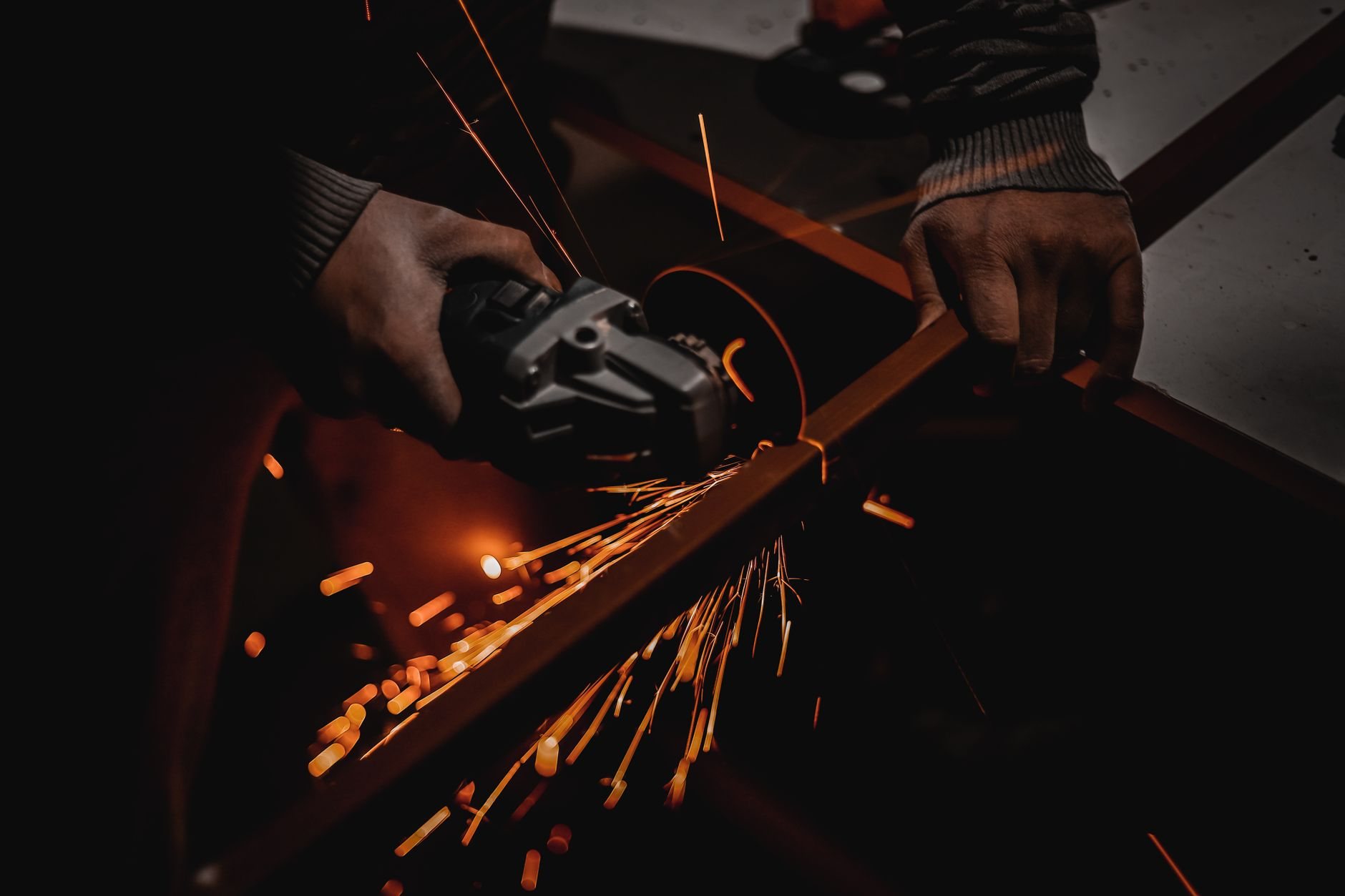
- Surface preparation. Each strap line is ground to clean, sound concrete: paint, efflorescence, and any weak surface layer come off until aggregate shows. Cracks along a strap line are epoxy-injected first so the strap bonds to a continuous surface.
- Top and bottom anchorage. This separates a real installation from a strip glued to a wall. At the top, the strap ties into the sill plate or rim joist through a steel bracket or by wrapping over the wall’s top edge; at the bottom, it runs into a slot cut in the slab, so the wall can’t rotate past it.
- Saturation and bonding. The concrete is primed, the fabric is saturated with epoxy and rolled onto the wall to press out air. The finished strap is about an eighth of an inch thick.
- Cure and close-out. The epoxy needs a day or two before anything covers it, and substrate temperature matters, so unheated Utah basements in January get scheduled around. We photograph every strap and anchorage before finishes go back on.
The whole job happens from inside, with no excavation, which is most of its appeal on tight Utah County lots.
What carbon fiber wall reinforcement costs in Utah
Installed carbon fiber straps typically run $500 to $1,000 each in Utah, and a standard basement wall takes four to eight of them. Those are ballpark planning numbers; the engineer’s strap count sets the real figure, and we don’t quote a count before the wall is measured.
What moves the price:
- Strap count. Wall length divided by engineered spacing. A nine-foot wall under heavy clay pressure gets tighter spacing than an eight-foot wall with modest movement.
- Surface condition. Painted or previously coated walls take longer to grind to sound concrete. Block preps slower than poured.
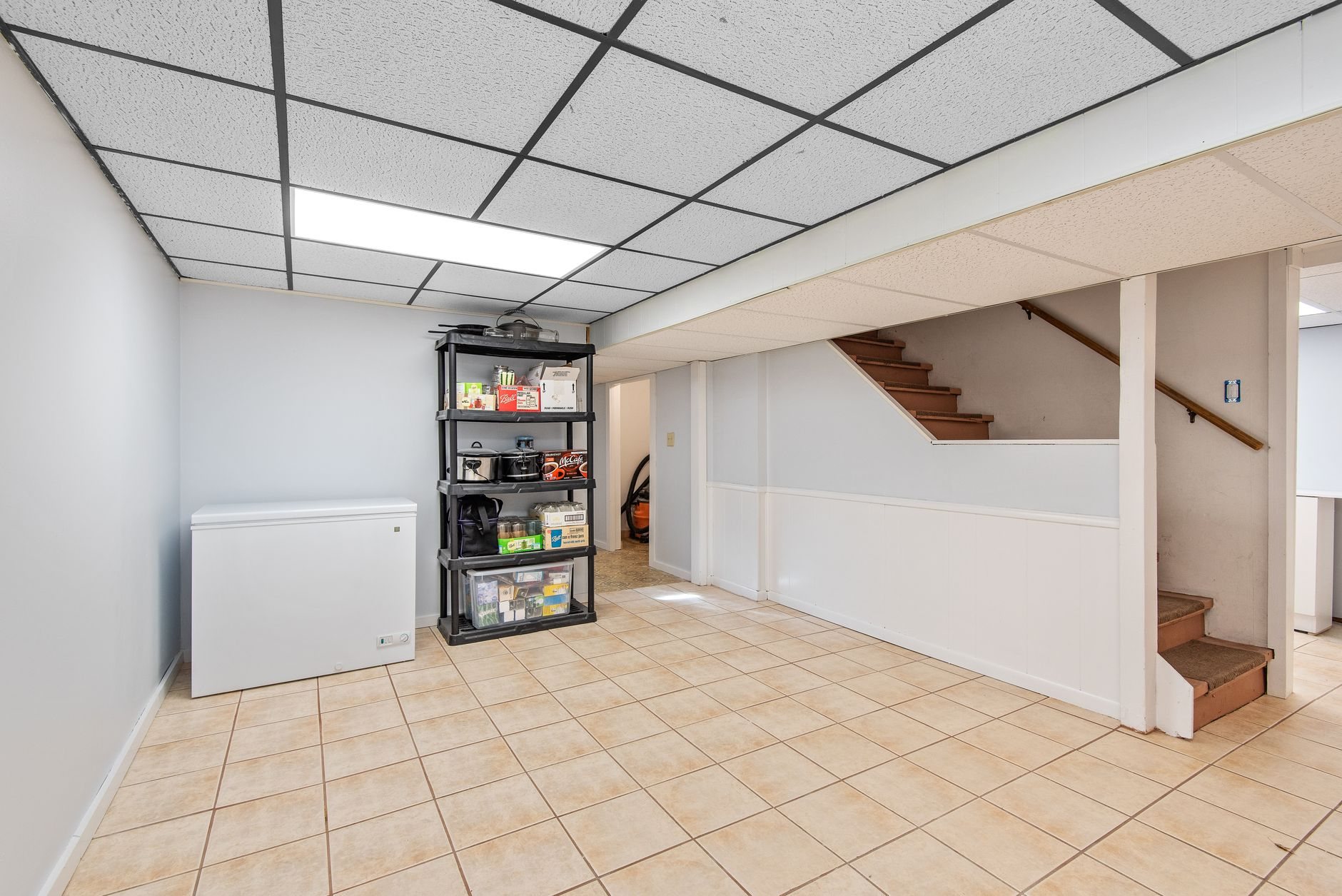
- Finishes in the way. Straps go on bare concrete. Removing and restoring drywall and insulation in a finished basement often costs more than the straps.
- Companion work. Crack injection along strap lines and the drainage or exterior waterproofing that keeps the clay from staying saturated belong in the same budget. Straps hold the wall; drainage reduces the force on it.
A consultation produces a budget range, engineering produces an estimate, and the signed proposal is the fixed scope.
Questions we actually get
Will carbon fiber straighten my bowed basement wall?
No. Carbon fiber holds the wall exactly where it is and stops further movement; it has no mechanism to pull it back. If you want the wall straightened, or it has moved more than roughly an inch and a half, the engineer will likely specify steel braces or wall anchors.
Can I finish the basement over carbon fiber straps?
Yes, and that’s one reason people choose it. The cured strap is about an eighth of an inch thick, so framing and drywall go over it without furring out the wall. Wait for the engineer’s sign-off and full epoxy cure first, and keep photos of the strap locations before the drywall goes up.
Does carbon fiber work on cinder block walls as well as poured concrete?
It does, with more attention to prep. Block bonds through face shells and mortar joints, so grinding and crack filling matter more, and the engineer may tighten the spacing. Stair-step cracks should be stable and injected before straps go over them.
Do I need an engineer and a permit for carbon fiber straps in Utah County?
In practice, yes. Reinforcing a foundation wall is structural work, and most Utah County building departments want a licensed engineer’s stamped layout with the permit. We coordinate the engineering and pull the permit as part of the project; confirm specifics with your city, since Provo and Lehi don’t run identical processes.
Where this fits
Carbon fiber is one method inside our foundation repair service, part of the site, structure and envelope family. With brackets already going into the sill, it’s the cheap moment to upgrade wall-to-framing anchorage for Wasatch fault seismic loads under current Utah-adopted code. Once the wall is stabilized and documented, a basement finish stops being a gamble. License verifiable at dopl.utah.gov.
Tell us what your wall is doing
Send a photo of the crack and a rough measurement of how far the wall has moved, and we’ll tell you straight whether straps are likely enough. We reply within a couple of hours, a day at most.