
Deck & Fence Staining and Sealing
Deck and fence staining is the periodic recoat that keeps exterior wood from greying, checking, and rotting: a penetrating stain applied after the boards are cleaned, brightened, and dried. Grandview stains and seals decks, fences, pergolas, and railings across Utah County and Salt Lake County under a B100 general contractor license, and replaces boards that are past saving in the same visit.
When staining is the right call, and when it isn’t
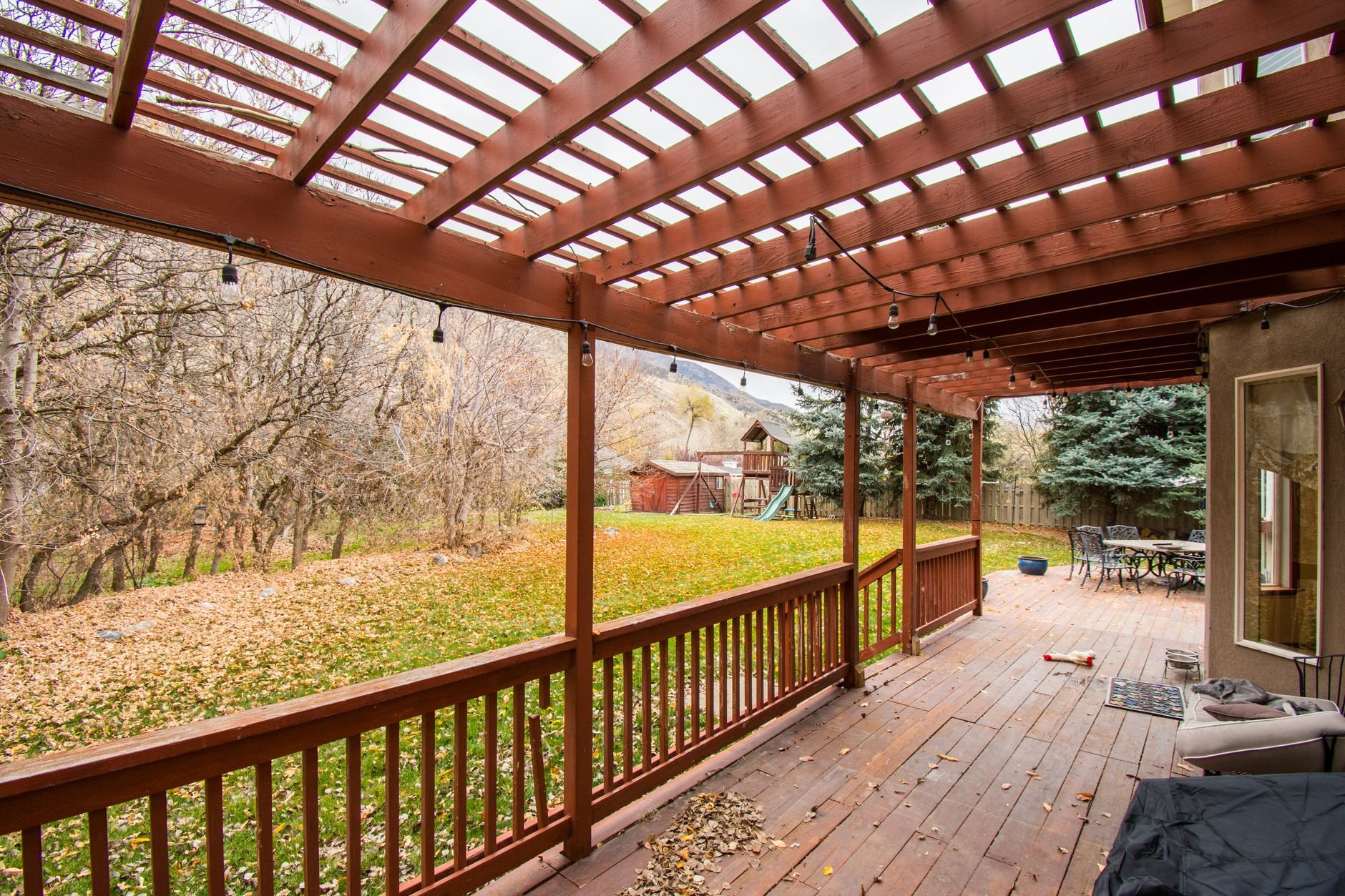
Staining is the right scope when the wood is sound but the surface has gone grey, the old stain has faded on the sun side, or water no longer beads. That describes most Wasatch Front decks and fences after two or three summers; at 4,300 to 5,000 feet, UV breaks down stain resins and pigment faster than the can suggests.
It is the wrong scope in three cases, and we’ll say which before we quote. Spongy deck boards, a ledger pulling off the house, or posts that wobble at grade are a deck repair or fence repair conversation first; stain over rot is a cosmetic delay. Wood wearing a peeling paint or film-forming solid stain needs stripping, a different job with a different price, closer in method to an exterior repaint.
Nearby scopes: power washing alone for patios and siding, and exterior door refinishing for a weathered front door.
What the work involves
- Inspect and meter. We walk every board for splits, cupping, and popped fasteners, probe post bases and the ledger, and read moisture with a pin meter. Stain goes on below roughly 15 percent moisture.
- Clean and brighten. A sodium percarbonate cleaner lifts grey oxidized fibers and mildew at low pressure, well under the 1,200 psi that furs softwood grain. An oxalic acid brightener then neutralizes the cleaner and brings the natural color back. Blasting alone skips both and leaves fuzzy, dark wood.
- Dry. Forty-eight hours minimum; shaded north-side fence runs take longer. We confirm with the meter, not the calendar.
- Repair and sand. Split boards get replaced, proud screws countersunk, and handrails and new cedar get a light pass at 60 to 80 grit, which opens the mill glaze that blocks penetration.
- Stain, back-brushed. Pad or brush on decks, sprayed and immediately back-brushed on fences, full boards end to end so there are no lap marks. Thin coats, no puddling; pooled stain never cures. End grain gets an extra pass, because that’s where water enters.
- Cure and walk. Furniture stays off through the cure window. We walk it with you and leave labeled stain for touch-ups.
Which stain holds up in Utah sun and snow?
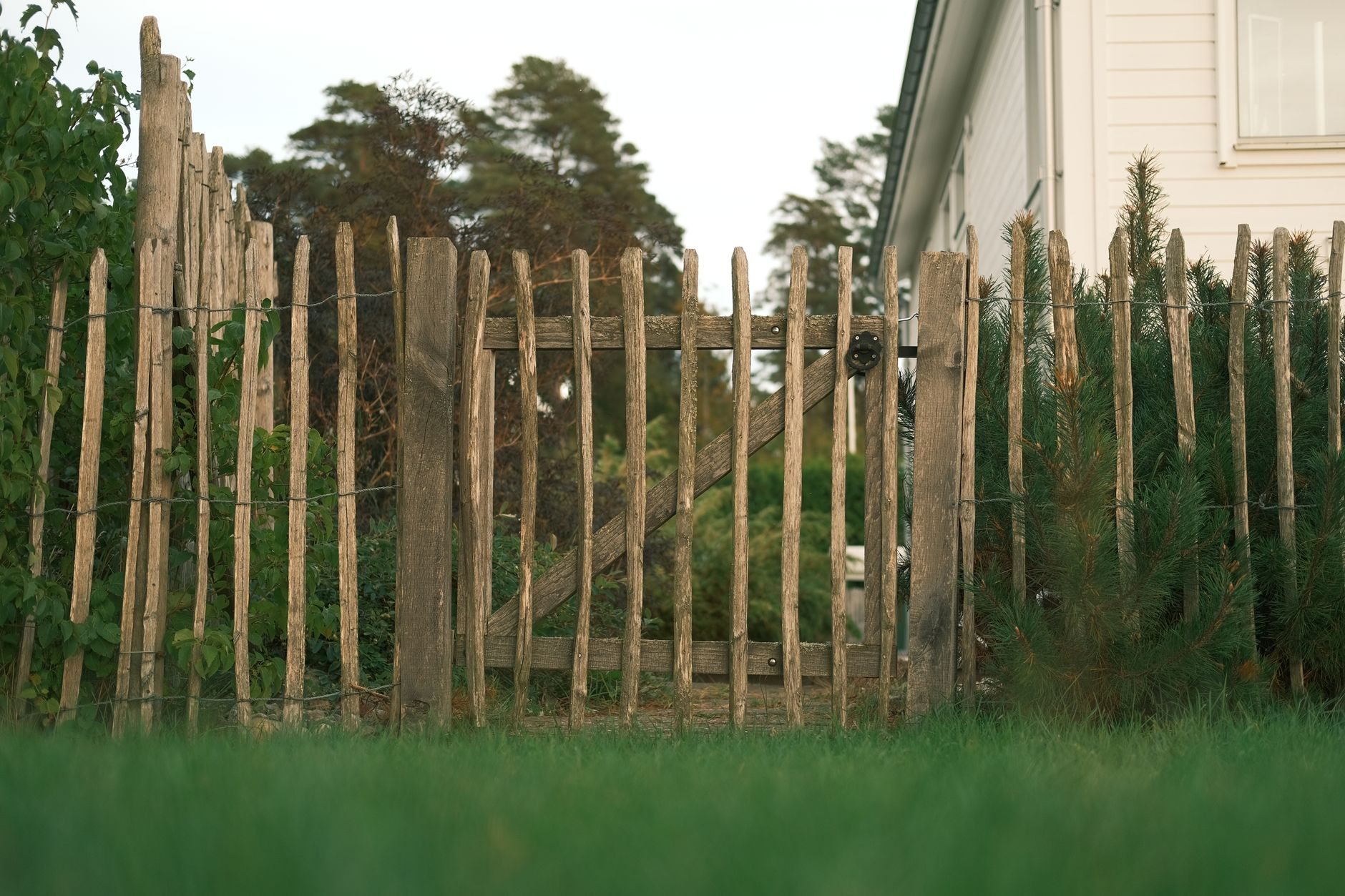
A pigmented semi-transparent penetrating stain, most of the time. More pigment means more UV protection and less visible grain. Clear sealers last about one Wasatch Front summer. Semi-transparent stains with iron oxide pigments are the working middle: they soak in rather than forming a film, wear away instead of peeling, and take a maintenance coat without stripping. Solid stains protect longest per coat but behave like paint, and once they lift the only honest fix is stripping to bare wood.
Horizontal and vertical wood age differently here. Deck boards take full sun, hold snow for weeks, and ride out the valley’s hundred-plus freeze–thaw days with water in every check, so they want a recoat every two to three years. Fence boards shed water and see the sun at an angle; a semi-transparent on cedar commonly goes four to five. Species matters too: cedar and redwood take stain readily once the mill glaze is opened, while new pressure-treated lumber arrives wet and must dry first, usually weeks to a couple of months in Utah’s dry air.
Timing is the last variable. We stain roughly May through October on surface temperatures between about 50 and 90 degrees, following the shade around the deck in July so the stain doesn’t flash-dry and lap. A canyon-wind forecast means we wait, because dust in wet stain doesn’t come out; so does an afternoon monsoon cell, since most products need 24 dry hours.
What moves the price
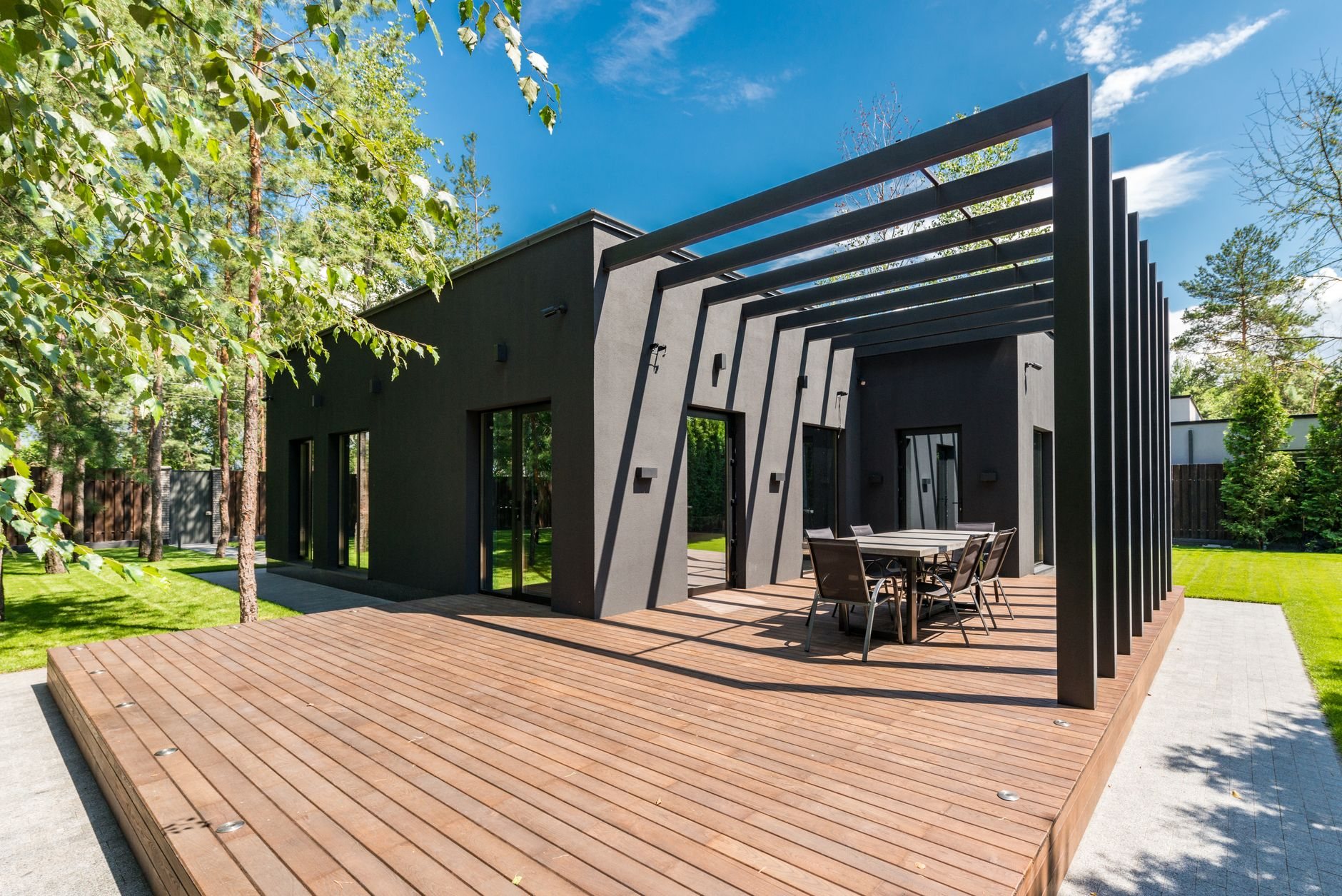
Condition first. A maintenance recoat on a deck stained three years ago is a clean, a dry, and a coat. A fully grey deck needs brightener, sanding, and often two coats; a failed solid stain needs chemical stripping, which can roughly double the labor. After that: square footage including railings, which take nearly as long as the floor; balusters and stair treads; fence height and one side or both; and product line.
As ballpark planning numbers, not a quote: a 300 to 400 square foot deck with railings commonly lands between $1,200 and $3,000 for a clean, brighten, and stain, and a six-foot wood privacy fence runs roughly $4 to $8 per linear foot per side. Stripping adds to both. A firm estimate follows a site walk, from a contractor you can verify at dopl.utah.gov.
Questions we actually get
How often should a deck be restained in Utah?
Every two to three years for a semi-transparent stain on a sun-exposed deck, four to five for a fence. The test is water: if a sprinkle soaks in instead of beading, the stain is spent. Bench decks with afternoon sun and heavy snow sit at the short end.
Can you stain a brand-new pressure-treated deck right away?
Not immediately. Treated lumber arrives saturated with preservative solution, and stain won’t penetrate it. In our dry climate it usually needs a few weeks to a couple of months, not the six often quoted. Once it meters under about 15 percent and stops beading water, it’s ready.
Oil-based or water-based stain?
Both work when applied correctly. Oil-based penetrating stains soak deeper and recoat forgivingly, but dry slower and need a longer rain-free window. Waterborne and hybrid stains dry fast and hold color well in UV. We recommend based on species, exposure, and what’s already on the wood.
What does it cost to stain a deck or fence?
A typical 300 to 400 square foot deck with railings runs roughly $1,200 to $3,000 for cleaning, brightening, and staining; wood privacy fence about $4 to $8 per linear foot per side. Grey wood needing sanding, or old solid stain needing stripping, pushes it up. Planning ranges only; the estimate follows a site walk.
Staining is one scope under exterior painting in our site, structure & envelope family. It often pairs with a few replaced fence or deck boards, done in the same visit so new wood is protected the week it goes in.
Tell us what you’re working on
Send a photo and a rough size. We reply within a couple of hours during business hours, a day at most, with a straight read on condition, product, and budget before anyone commits.