
Concrete Micro-Toppings in Utah County
A micro-topping is a polymer-modified cement skim coat troweled over existing concrete at about the thickness of a credit card, giving a worn or patched slab a fresh, uniform surface ready for color and sealer. It’s the right fix for interior floors and covered patios that are sound but tired, and Grandview installs them under a Utah B100 general contractor license.
Discuss a project Or call (385) 236-1741

When a micro-topping is the right choice, and when a sibling finish is
Choose a micro-topping when the slab is sound but the surface isn’t: hairline crazing, thinset scars from a tile tear-out, paint, a patched plumbing trench, or a basement floor where three different pours show through. At about a sixteenth of an inch, it hides all of that without raising the floor enough to fight door clearances, stair risers, or cabinet toe-kicks. That thinness is the whole point.
It’s the wrong choice if the slab needs leveling, or if pitting runs deeper than the topping itself. That’s a job for a thicker concrete overlay or resurfacing system, a quarter inch or more. If your concrete is already uniform and dense, stained concrete gets you color without adding a layer, and polished concrete grinds into the slab instead of covering it. If the floor takes hot tires, forklifts, or chemical spills, a film-forming epoxy or polyaspartic coating protects better than any cementitious topping will. Like every finish in our site, structure and envelope family, the slab gets inspected before anyone picks a color.
What a micro-topping installation involves
The finish is two or three coats totaling a sixteenth to an eighth of an inch. Most of the labor, and nearly all of the risk, is in the prep. A typical basement floor runs three to five working days.
- Inspection and moisture testing. We look for cracks that move, hollow-sounding areas, and vapor coming up through the slab. A topping that traps moisture blisters or whitens from underneath.
- Mechanical profiling. Diamond grinding to a light sandpaper texture, with HEPA dust collection in occupied homes. Every trace of paint, sealer, and thinset comes off; micro-toppings bond to open cement paste and to nothing smooth.
- Crack and joint treatment. Static cracks are chased and filled with rigid epoxy or polyurea. Control joints are either honored through the topping and re-cut, or filled flush on a stable interior slab. A joint that still moves will telegraph through any thin finish.
- Primer, base coat, finish coats. A bonding primer, a squeegeed base coat that fills the grinding profile, then one or two skim coats troweled by hand. A tight, burnished trowel gives a smooth face with soft mottling; a looser hand leaves visible trowel movement. Color comes from integral pigment, from stain or dye applied after, or both.
- Sealer and cure. Water-based urethane or acrylic for most interiors, two-component polyurethane for busy floors. Foot traffic in about a day, furniture in three to five, full cure in roughly a week.
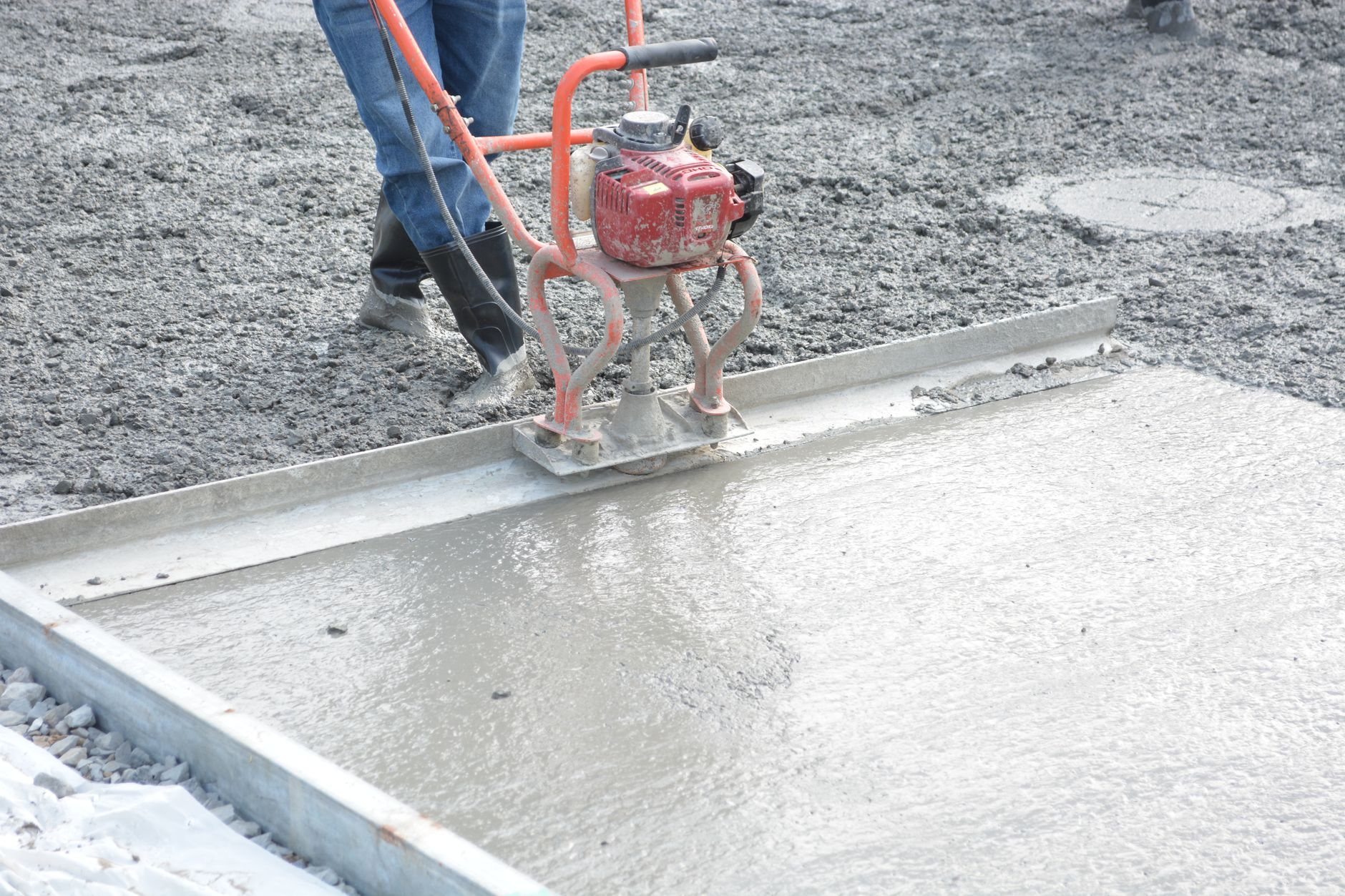
All of this is performed under Grandview’s contract and our Utah DOPL B100 general contractor license, verifiable at dopl.utah.gov.
Basements, main floors, and covered patios: the Utah conditions that matter
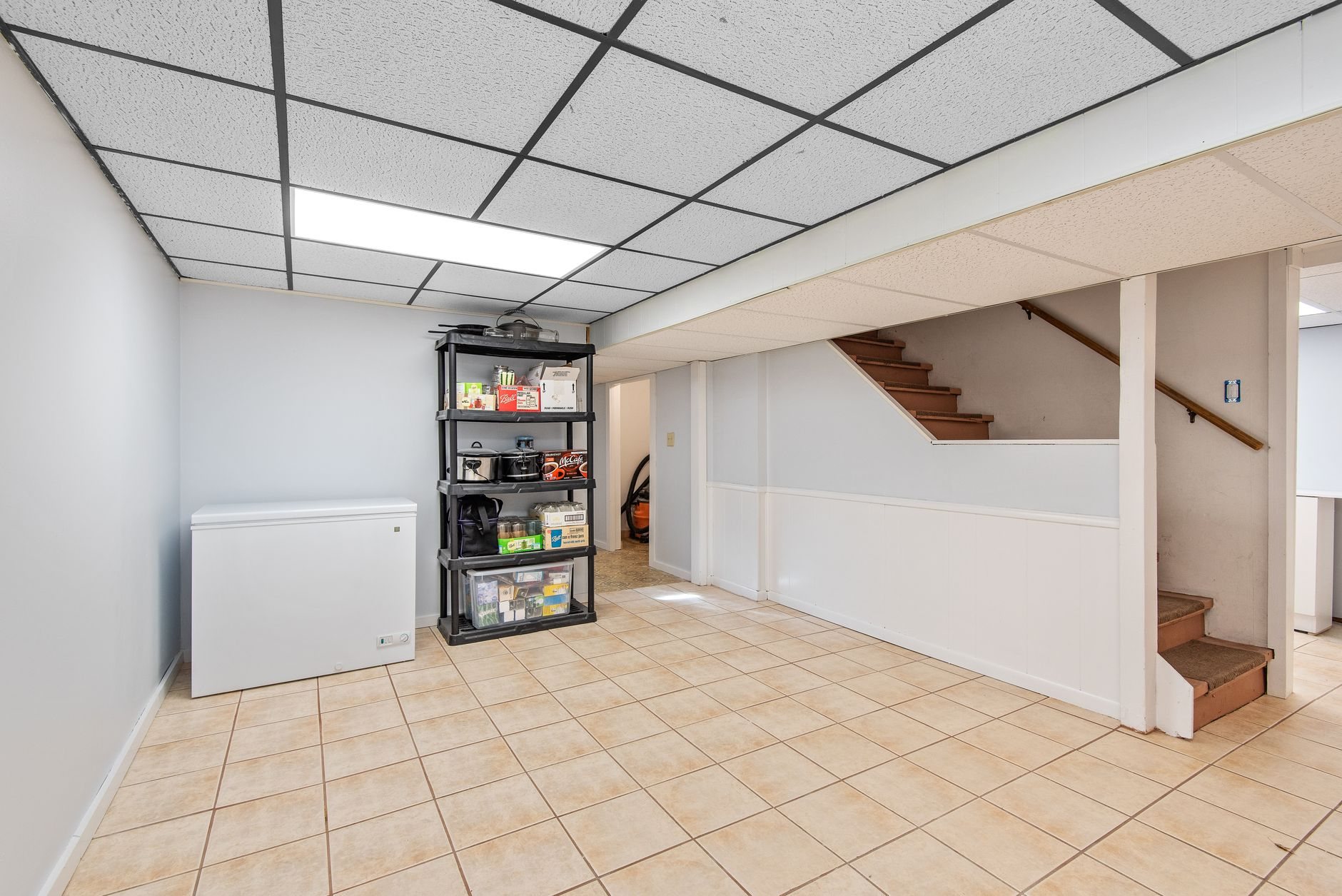
Basement floors. The most common micro-topping request we see in Utah County, usually inside a basement finish where the owner wants a finished floor without losing the height tile or engineered flooring would take. Many older Provo and Orem basements were poured without a vapor retarder, so moisture testing isn’t a formality here. When vapor drive is high, a mitigating epoxy primer goes down first, and the price reflects it.
Movement from the ground. A micro-topping follows the slab beneath it exactly. A floor on expansive clay that heaves seasonally shows that movement at the cracks, topping or not. An actively moving slab is a foundation conversation first and a finish conversation second.
Covered patios and entries. Outdoors, a sixteenth-inch topping lives through a hundred-plus freeze-thaw days a year with no air entrainment to protect it. It survives when the slab underneath drains instead of pooling, the product is rated for exterior use, and the sealer is UV-stable and breathable so trapped moisture escapes rather than popping the finish. High-elevation sun fades surface-applied stains quickly, so exterior toppings get integral pigment, and deicing salts stay off them entirely. A fully exposed patio is better served by one of our decorative concrete finishes poured into a full-depth slab.
What does a concrete micro-topping cost in Utah?
As a ballpark planning number, not a quote, a single-color interior micro-topping along the Wasatch Front typically runs about $5 to $10 per square foot including grinding, crack repair, and sealer. Multi-color work, stenciled or saw-cut patterns, and burnished plaster-look finishes generally land between $10 and $16. Small areas carry minimums; grinding equipment and mobilization don’t scale down.
- What’s on the slab now. Removing tile and thinset, paint, or cutback adhesive can double the prep hours.
- Moisture. A high vapor reading means a mitigating primer system, which adds materially per foot.
- Crack and joint count. Each one is chased and filled by hand; a cut-up slab costs more than a clean pour of the same size.
- Color, trowel style, and sealer. One integral color under acrylic is the base case; layered stains and two-component urethanes add time and material.
We work in stages: a conversation, a budget range after we’ve seen the slab, then a firm written proposal. Ranges are for planning; the proposal is the number.
Questions we actually get
Will cracks come back through a micro-topping?
Static, filled cracks usually stay hidden. Cracks that open and close with the seasons reappear as fine lines, because a sixteenth of an inch of cement can’t restrain a slab. We tell you which are which during inspection, and where a joint has to move we honor it through the finish so it reads as a clean line.
Can you apply a micro-topping over tile, paint, or a sealed floor?
Over paint or sealer, only after grinding it completely off; the topping has to bond to bare cement paste. Over tile, our standard answer is to remove the tile, grind the thinset flat, then top the concrete. Topping directly over tile is possible with specialty primers, but grout lines tend to ghost through.
How durable is a micro-topping compared with epoxy?
Durable enough for homes, offices, and retail, not for shops or garages. Sealed, it handles foot traffic and furniture well and can be re-sealed indefinitely. It scratches and stains more readily than an epoxy or polyaspartic film and won’t shrug off hot tires or solvents.
Tell us what you’re working on
Send a few photos of the slab and rough dimensions. We reply within a couple of hours during business hours, a day at most, with a straight read on whether a micro-topping is the right finish, the prep it needs, and a realistic budget range.