
Ipe & tropical hardwood decks in Utah County
An ipe deck is surfaced in a dense South American hardwood that resists rot, insects, and fire with no chemical treatment and outlasts every softwood — if it’s acclimated, pre-drilled, and fastened with stainless steel. Grandview designs, permits, and builds ipe and tropical hardwood decks across Utah County under a B100 general contractor license.
When ipe is the right deck board
Ipe sits at the top of the wood decking range. It’s roughly ten times harder than the Western red cedar on a cedar deck and several times harder than a redwood deck — a dropped grill tank, dog claws, or a snow shovel leave almost no mark. The USDA Forest Products Laboratory publishes the Janka figures; ipe lands near 3,500 pounds-force, cedar around 350. The wood is dense enough to sink in water, and that density is what makes it rot- and insect-resistant without preservatives.
People choose ipe for three reasons. They want real wood that will still be a real deck in 30 or 40 years. They want a surface that stays cooler in direct sun than dark composite decking does. Or they’re on a foothill lot where fire rating matters: ipe earns a Class A flame-spread rating in standard testing, which can satisfy wildland-urban-interface decking rules that rule out ordinary wood — verify the specifics with your city. Cumaru, garapa, and tigerwood are its cheaper cousins, and we can price any of them against ipe.
It’s the wrong choice if you want a zero-maintenance brown deck. Ipe silvers in Utah sun unless you oil it on a schedule, where a mineral-based composite deck holds its color with no finish at all. It’s also the wrong choice on a tight budget or a tight timeline.
What an ipe deck build actually involves
The frame under an ipe deck is still pressure-treated lumber, built the way every Grandview deck is built — frost-depth footings, a bolted and flashed ledger, joist tape. Two things change. Ipe boards weigh roughly twice what cedar does, so the frame and stair stringers are sized for the heavier dead load, and 1x ipe wants joists at 16 inches on center, not the 24 inches some composites allow. Above the frame, ipe stops behaving like other decking.
- Acclimation. Ipe ships from humid ports at a moisture content well above what Utah’s dry air will settle it to. Installed straight off the truck, the boards shrink across their width and the gaps open unevenly. We sticker the material on site for one to two weeks and set gaps for our climate, not the coastal numbers on the supplier’s sheet.
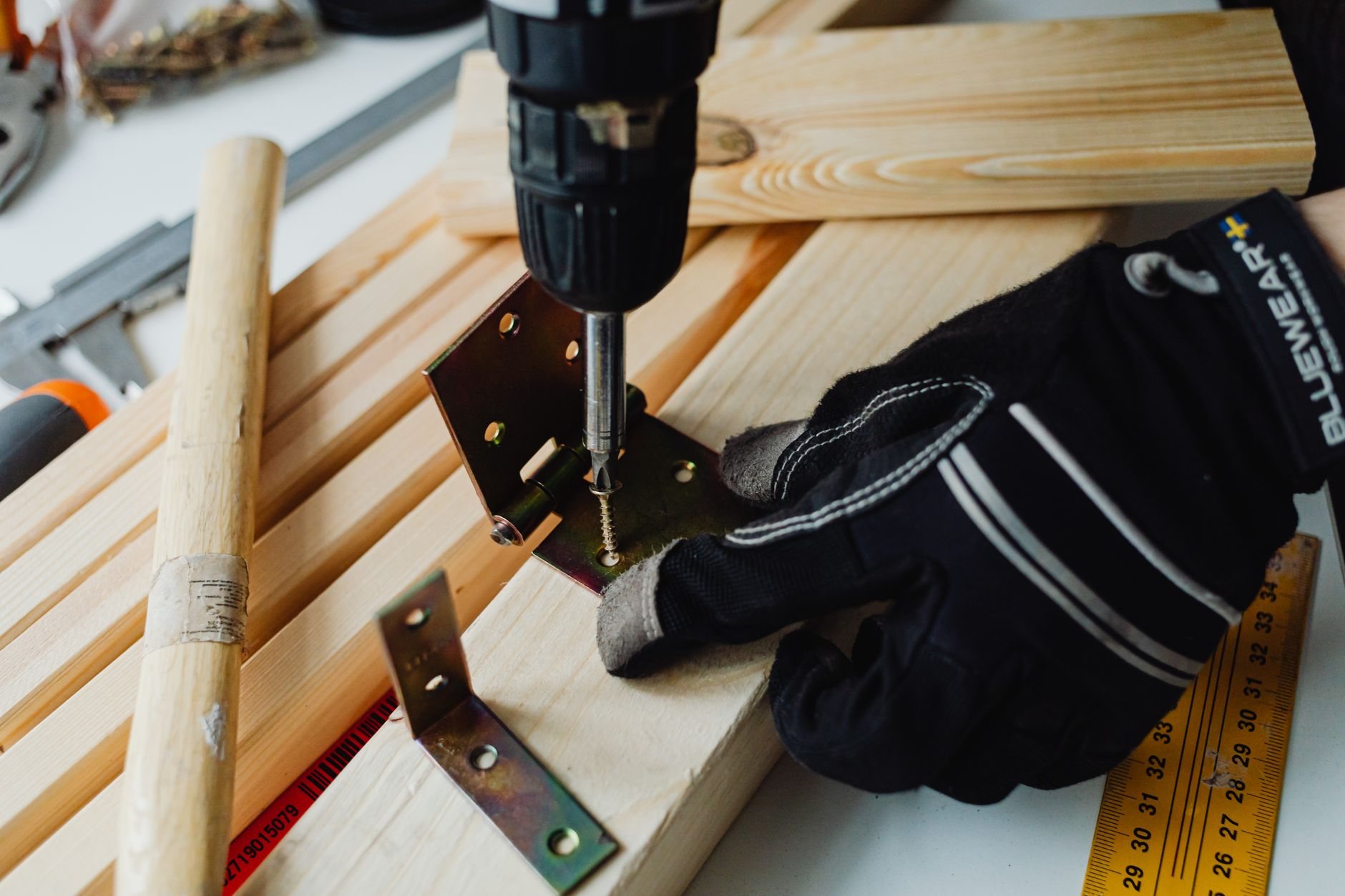
- Pre-drilling every hole. Ipe is too dense to drive a screw into. Each fastener gets a pre-drilled, countersunk pilot hole — the single biggest reason ipe labor runs slower than any other decking.
- Stainless fasteners only. Ipe’s natural oils react with iron and leave black streaks around every galvanized screw. We use 305-grade stainless — plugged face screws for a flush look, or hidden clips in edge-grooved boards for a surface with no visible fasteners.
- Sealed end cuts. Every fresh cut gets a wax end sealer. Skip it and the ends dry faster than the board and check within the first season — a problem our low humidity makes worse, not better.
Should you oil ipe or let it silver?
Either works structurally — this is a cosmetic decision, not a durability one. Left alone, ipe weathers from chocolate brown to an even silver-gray; at Utah’s elevation the UV does that in a single summer on a south- or west-facing deck, and the wood underneath is unaffected.
If you want the brown, the finish is a thin, penetrating hardwood oil with UV blockers, reapplied about once a year in our sun — sooner on exposed faces, longer on a shaded north side. Film-forming stains and clear coats peel off ipe within months because the dense surface won’t let them bite. Our deck staining and oiling crew can put re-oiling on a schedule, and a deck that has already grayed cleans and oils back to brown — a common request on deck repair and restoration jobs.
What does an ipe deck cost in Utah County?
As ballpark planning numbers, not quotes, ipe decks in our market typically run about $85–$130 per square foot installed, complete with footings, framing, and standard railing — the top of the decking range, above premium composite. Part of the premium is the board itself; the rest is labor, because every fastener is pre-drilled and every cut is sealed.
What moves the number on an ipe deck specifically:
- Board width and grade. 1×6 FEQ (first-export-quality) is the standard; 5/4 thickness, wider boards, and certified-sourced stock cost more per square foot.
- Fastening method. Hidden clips in grooved boards cost more in material and time than plugged face screws.
- Lead time. Ipe is imported and several-week lead times are normal; a rush order or a small-quantity buy raises the per-foot price.
- Matching trim. Ipe fascia, stair treads, and railing caps are priced like decking, and they add up on a multi-level or wraparound layout.
- Everything under the boards. Height, terrain, footing count, and frost-depth excavation on expansive clay or collapsible bench soils are the same variables as any deck, covered on our deck construction page.
After a site walk you’ll get a budget range to plan against, then a firm estimate once board, fastener, and railing selections are settled. Grandview holds a B100 general contractor license you can verify at Utah DOPL; the project runs within our site, structure & envelope family.
Questions we actually get
Can you put ipe on my existing deck frame?
Often, if the frame is sound and the joists sit at 16 inches on center. Ipe is heavier than the cedar or pine it replaces, so we check joist size, span, ledger fastening, and footings first. Joists at 24 inches need an added joist between each pair; a frame with rot or heaved footings gets rebuilt before any hardwood goes on it.
Why does an ipe deck cost so much more than composite?
An imported hardwood board costs more than an extruded plastic one, and installing it takes longer: every screw hole is pre-drilled and countersunk, every cut end is sealed, and the fasteners are stainless. In exchange you get a surface that won’t scratch, melt, or fade to a different color than its warranty sample.
Do I have to oil an ipe deck every year?
Only if you want it to stay brown. Unoiled ipe turns silver-gray within a season in Utah sun and keeps performing for decades. A thin coat of penetrating hardwood oil about once a year holds the color. Never use a film-forming stain or clear coat on ipe; it peels.
How long does it take to get ipe?
Plan on several weeks from order to delivery, longer for 5/4 stock, wide boards, or certified-sourced material. We order as soon as the design is approved so the lumber acclimates on site while footings and framing go in, instead of the deck waiting on a truck.
Tell us about the hardwood deck you have in mind
We reply within a couple of hours during business hours — a day at most. You’ll get a straight read on board choice, fastening, lead time, and budget before anyone commits to anything.