
Slab Tear-Out & Replacement in Utah County
Concrete slab replacement means sawcutting and breaking out a failed slab, hauling the rubble, fixing what’s wrong underneath, and pouring new. It’s the right call when a driveway, patio, or garage floor has heaved, settled, or scaled past what lifting or resurfacing can save, and Grandview does the whole sequence under a B100 general contractor license.
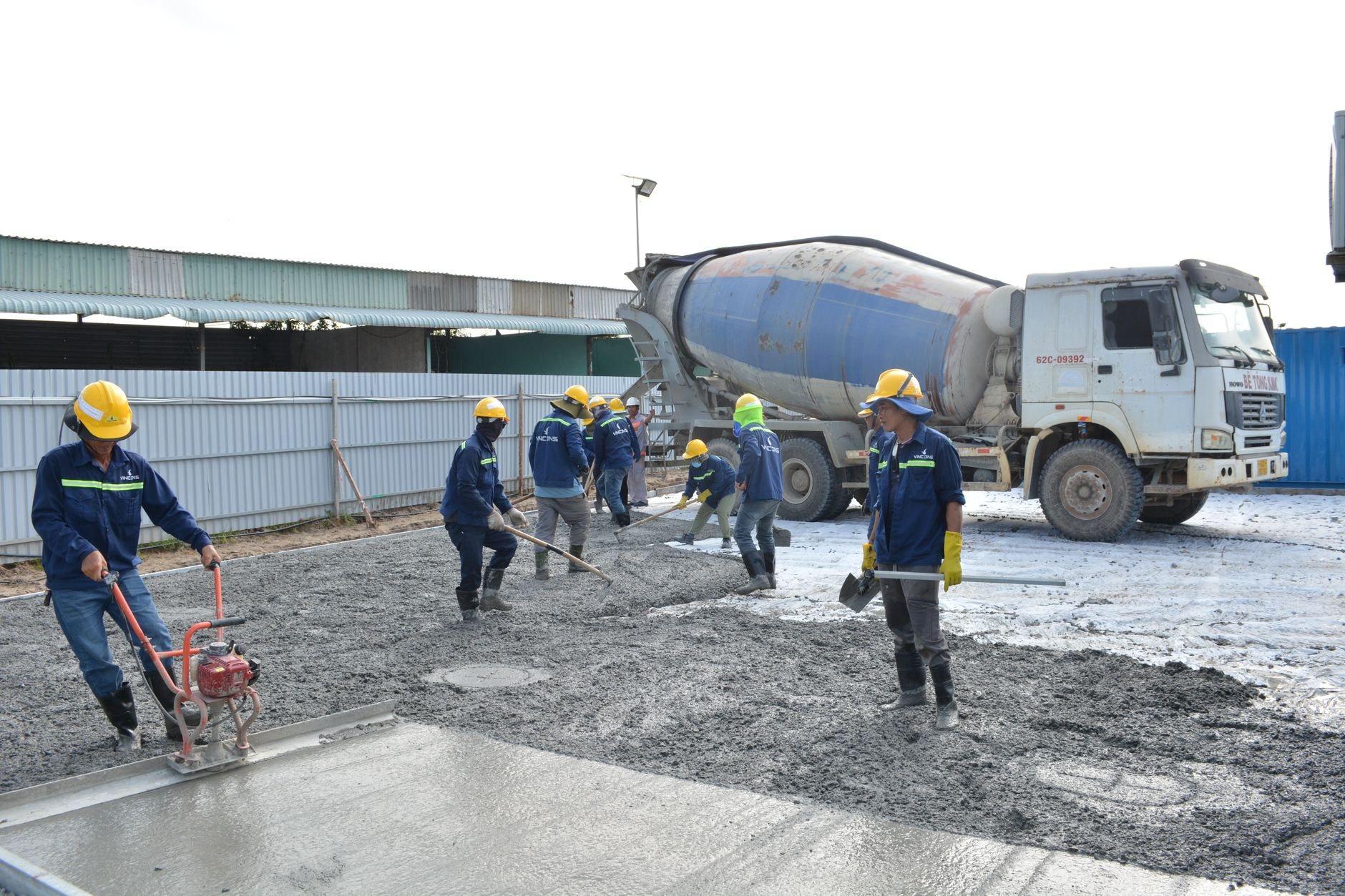
When tear-out beats lifting, patching, or resurfacing
Replacement is the most expensive way to fix a slab, so we recommend it only when cheaper options won’t hold.
A sunken but sound slab is usually a candidate for polyurethane concrete leveling. A pitted surface over solid concrete can often take a resurfacing overlay. Tear-out is the answer when neither applies: panels heaved an inch against each other, cracks wide enough to catch a shovel blade, rebar rusting through, or a slab that moves every spring because its base was never compacted. On the Wasatch Front that last one is common: expansive clay and collapsible bench soils shift seasonally, and a slab on a thin base over them will crack again no matter how often it’s patched.
Our driveway replacement, garage floor slab, and patio pages cover the new-pour details. This page is about the part they skip: getting the old concrete out and the ground right first. It’s one line inside our concrete driveway and flatwork service, within the site, structure and envelope family; larger removals such as a shop floor or a foundation fall under concrete demolition.
What a slab tear-out actually involves
- Locate and protect. Blue Stakes (811) marks public utilities, but irrigation lines, low-voltage lighting, and a gas run to a grill rarely show on a locate. We walk those with you before a saw starts and shield adjacent stucco, siding, and foundation walls from breaker impact.
- Sawcut the boundary. Wherever the old slab meets concrete that stays, we cut a clean full-depth line so the breakout doesn’t spall the edge you’re keeping.
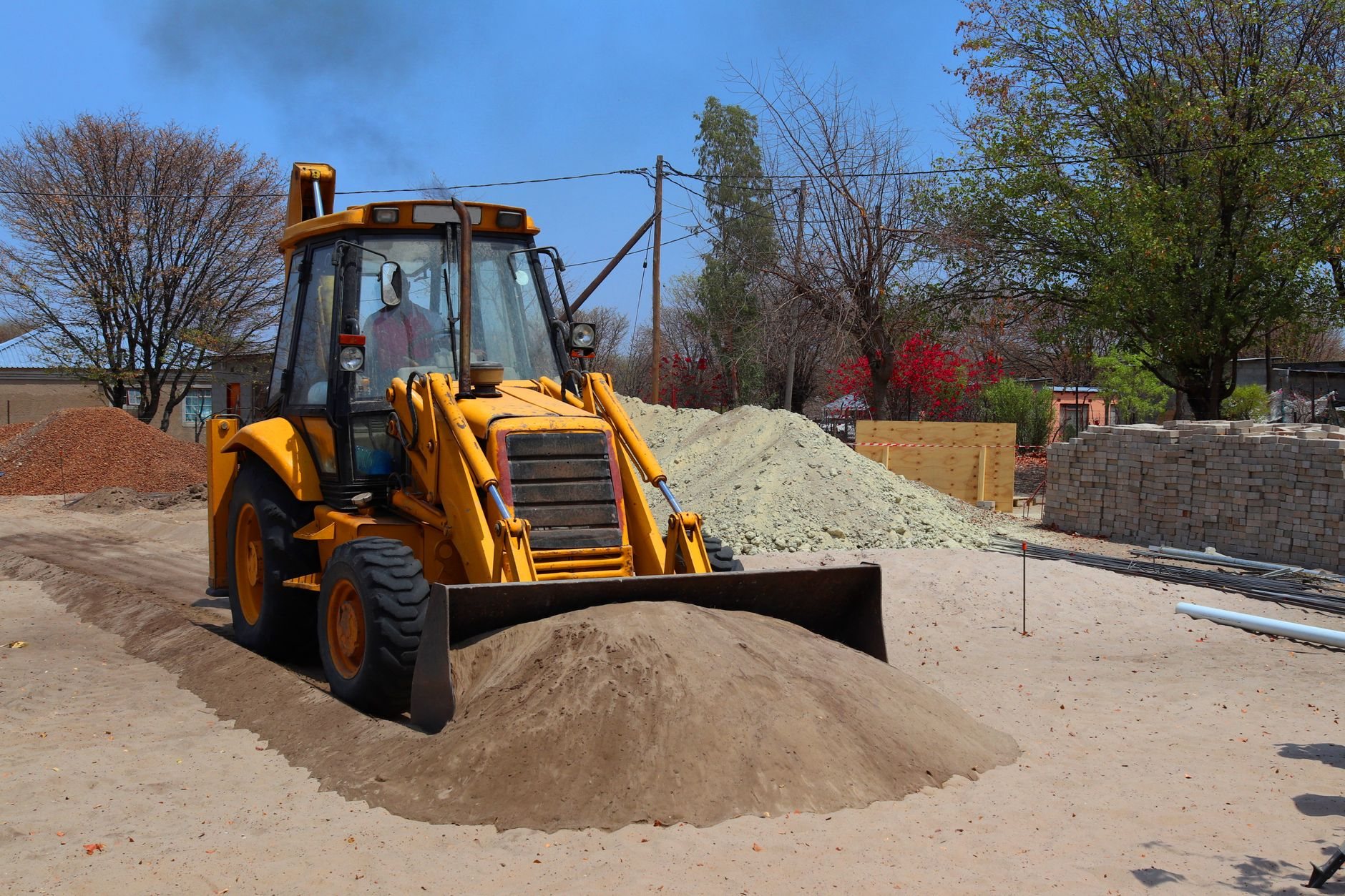
- Break out and load. A four-inch unreinforced slab comes up with a breaker and a skid steer in a morning. A six-inch slab with rebar or mesh is a different day: steel gets cut as panels come up, and the pieces load slowly. Thick old slabs are the main reason a tear-out runs long.
- Haul and recycle. Broken concrete goes to a recycler to become road base. Disposal is in our price.
- Read the subgrade. With the slab gone we can see why it failed: an inch of base over native clay, a void under a downspout, a sprinkler leak keeping the soil saturated. We fix the cause, over-excavate soft spots, and compact new road base in lifts.
- Form, pour, and tie in. Forms match the elevations of the concrete that stayed, drilled dowels tie new to old at the sawcut line, an expansion joint isolates the slab from the foundation, and an air-entrained mix goes in for Utah’s 100-plus freeze–thaw days a year.
Replacing one panel versus the whole slab
Flatwork is poured in panels separated by control joints. If two panels of a six-panel driveway have failed while the rest sit sound and at grade, we can sawcut at the joints and replace only those two, doweled into their neighbors so they can’t settle on their own, with thickness, finish, and joint spacing matched.
The honest limit is color: new gray beside twenty-year-old gray stays visible for a year or two. We’ll price both ways. Partial replacement stops making sense when the failure is in the subgrade: if the base under the bad panels is saturated clay, the good ones are next.
What does concrete slab replacement cost in Utah County?
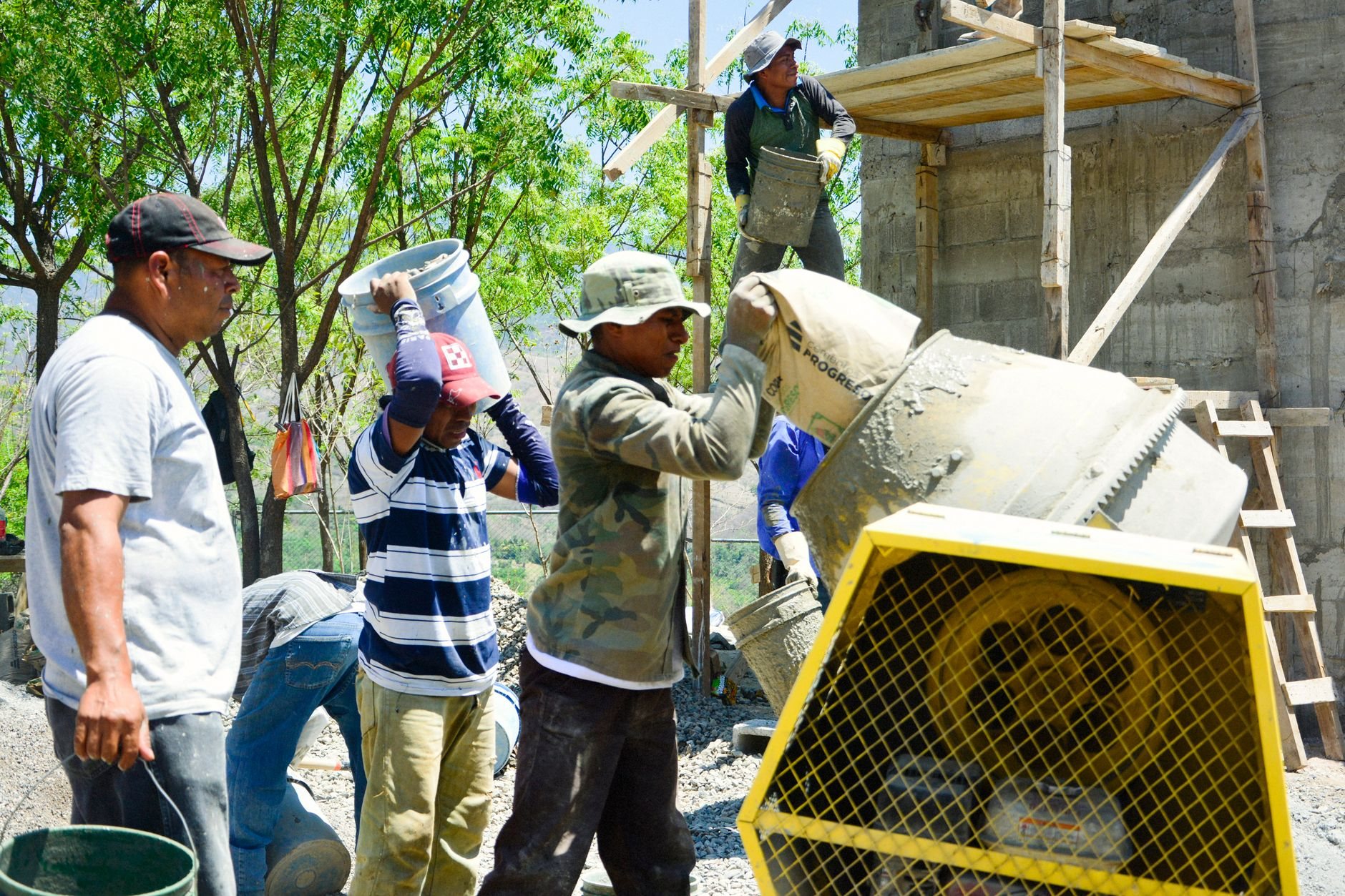
As a ballpark planning number, tearing out and replacing plain broom-finished flatwork in Utah County typically runs about $9–$15 per square foot, of which tear-out, haul-off, and subgrade repair is roughly $2–$4. A 600-square-foot driveway replaced in full usually lands between $6,000 and $9,000. Planning figures, not a quote; a firm number follows a site walk. What moves the tear-out side:
- Thickness and steel. Four inches unreinforced is the cheap case. Six inches with rebar, or a slab poured over an older slab, can double breakout time.
- Access. A patio behind a fence and a narrow gate gets broken out and wheeled by hand, and that labor shows up on the invoice.
- What’s underneath. Soft or saturated subgrade means over-excavation and more road base. We read the likely condition from the failure pattern and price a contingency plainly.
- Tie-ins. Every edge that meets concrete you’re keeping needs a sawcut and dowels. A freestanding pad has none; a driveway touching a garage floor, two walks, and a sidewalk has four.
- Season. Tear-out can happen any month, but exterior pours cure best above about 40 degrees, so a winter job may wait on a warm week.
Questions we actually get
How do I know my slab needs replacing instead of lifting?
Look at the cracks, not the slope. A sunken slab with one or two tight cracks can usually be lifted. Panels broken into three or more pieces, cracks wider than a quarter inch, or exposed rusting steel mean the concrete itself has failed, and lifting would only raise broken pieces.
How long does a slab tear-out and replacement take?
For a typical driveway or patio, tear-out and subgrade prep take one to two days and the pour is a single day. Plan on foot traffic after a day or two and vehicles after about a week. A thick reinforced slab or a subgrade that needs over-excavation adds roughly a day.
Can you reuse the base that’s already there?
Sometimes. More often the base is why the slab failed: too thin, never compacted, or washed out under a downspout. Then we over-excavate the soft spots and compact new road base in lifts. A new slab on the old base gets the same cracks in five years.
Will the new concrete match what’s left?
In thickness, finish, and joint layout, yes. In color, not immediately. Fresh concrete is a lighter gray than weathered concrete and takes a year or two of UV and traffic to blend. Where you look at it daily, full replacement avoids the patchwork look; where you don’t, partial replacement saves money.
Tell us what’s cracking
Send a photo and rough dimensions. We reply within a couple of hours during business hours, a day at most, with a straight read on whether it’s a lift, a resurface, or a tear-out.