
Concrete driveway pour & replacement in Utah County
A full driveway replacement means breaking out the old slab, rebuilding the base, and pouring a new four-inch air-entrained driveway with a proper apron, joints, and slope. It’s the right call when panels are heaving or the surface is scaling, and Grandview does the whole sequence under a B100 general contractor license.
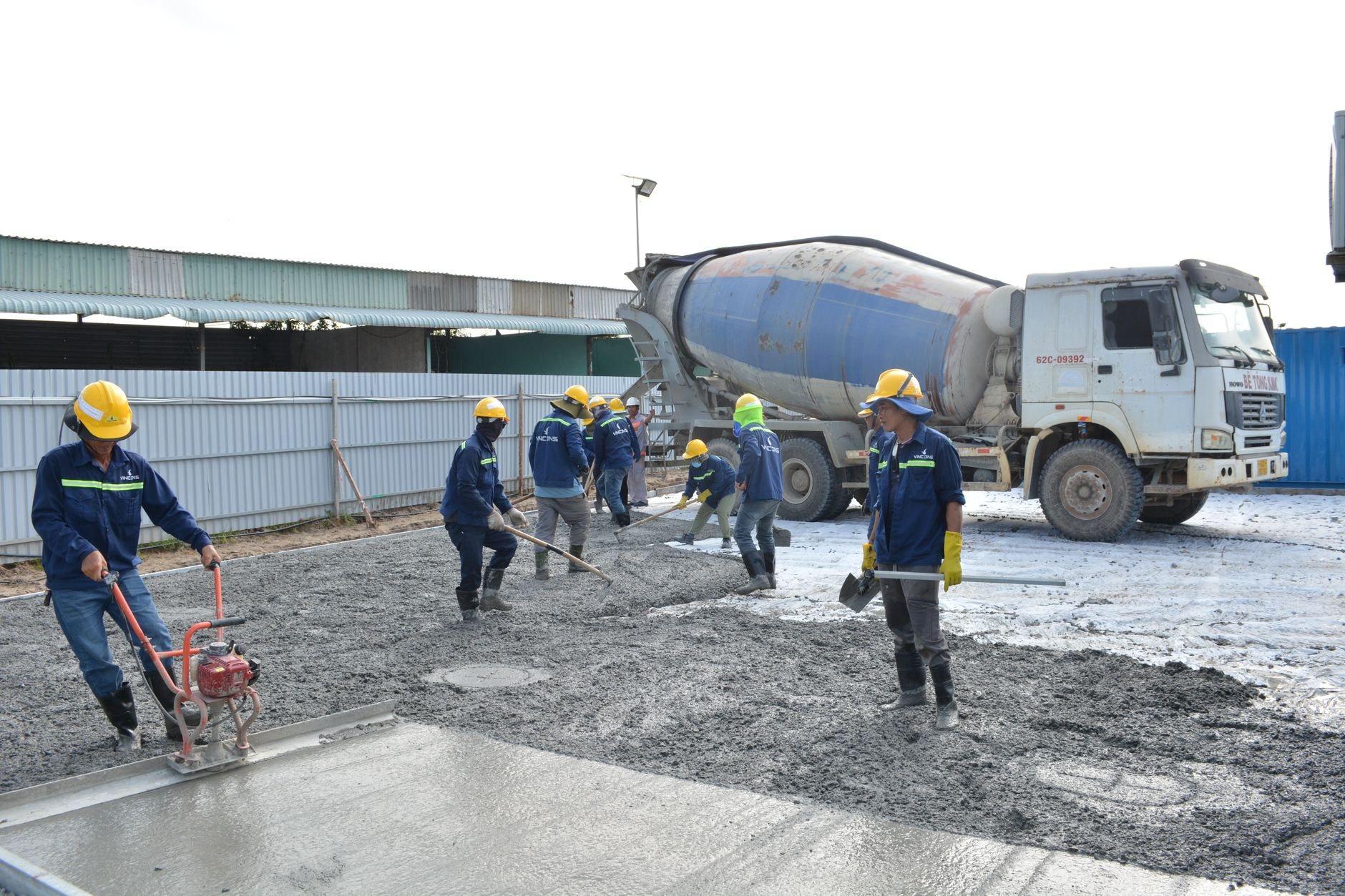
When a full replacement beats the alternatives
Driveways fail from the bottom up. A slab that has heaved at the panel lines, dropped at the garage door, or cracked across several panels is telling you the base has moved, and no surface treatment fixes a base. Neither does patching a driveway scaled badly by years of magnesium chloride and 100-plus freeze–thaw days a year — the top half-inch is gone and the rest keeps flaking. Both are replacements.
Two situations belong on a different page. If only one or two panels have failed and the rest are sound, a sectional slab tear-out and replacement is cheaper. And if the point is parking a motorhome or loaded trailer, the slab needs the thicker, heavier-reinforced spec on our RV parking pad page.
How a driveway replacement runs
- Diagnose before quoting. Thin base, poor compaction, or water under the slab from a downspout? The cause decides how much base work the new driveway needs.
- Locate and permit. Utilities are marked before any sawcut. A new or wider curb cut, or work in the park strip, involves the city — verify with your city’s building or engineering department, since the approach is usually theirs, not yours.
- Sawcut and break out. Clean sawcuts against the garage slab and public sidewalk so the new pour meets a straight edge, then break-out and haul-off. Asphalt comes out faster and cheaper than old concrete.
- Rebuild the base. Over-excavate soft native soil, place road base, compact in lifts. On lots with expansive clay or collapsible bench soils, this step decides the driveway’s lifespan.
- Form, reinforce, pour. Forms to the new grade, rebar or mesh on chairs, air-entrained mix broom-finished, usually in one day for a two-car driveway.
- Joint, cure, seal. Control joints cut the same or next day; cars stay off about a week; we return to seal once it has cured.
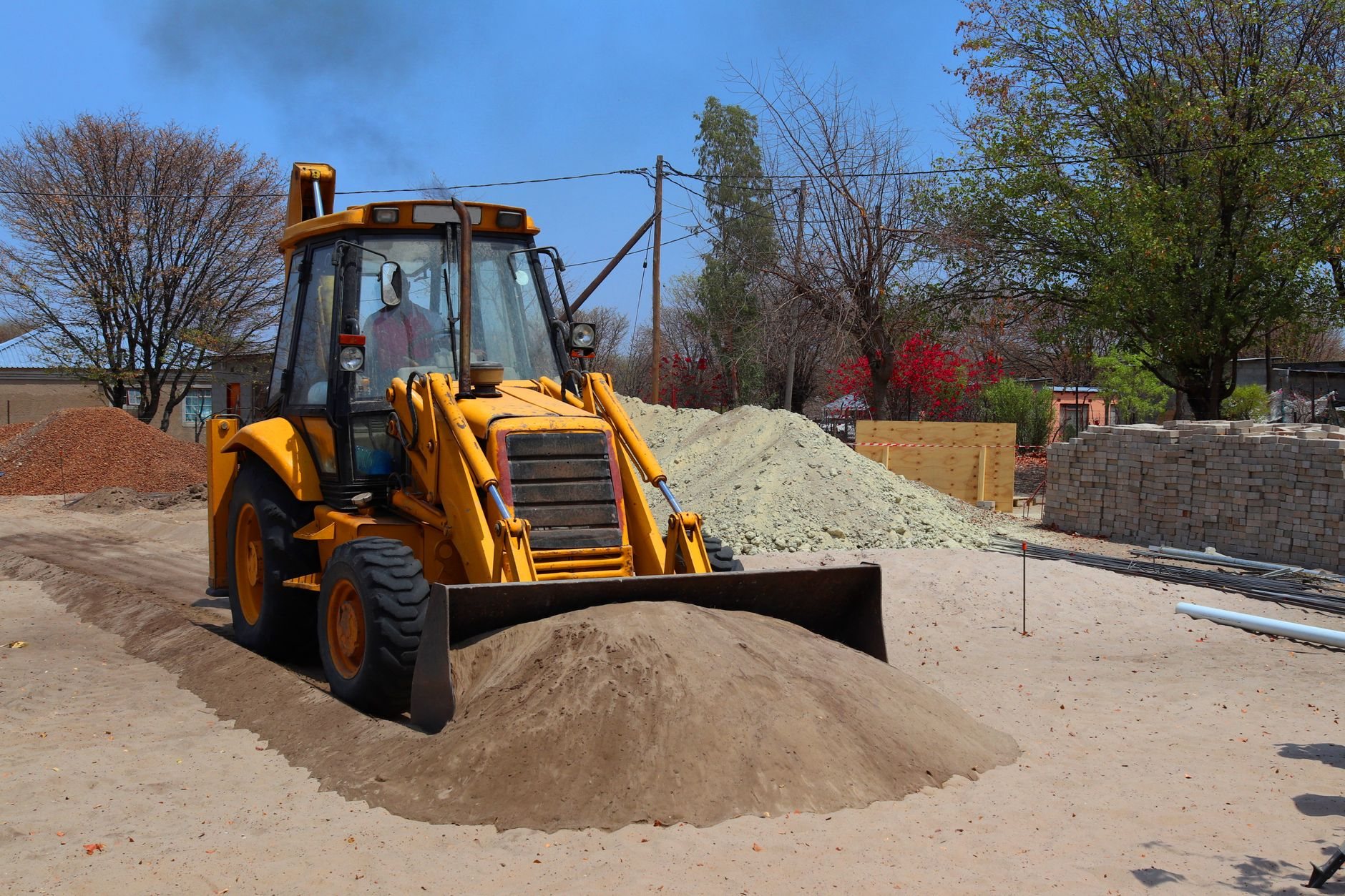
The details that separate a 30-year driveway from a 10-year one
The apron. The approach between sidewalk and street takes the most abuse: every vehicle crosses it, plows clip it, the gutter keeps it wet. We pour it thicker than the field of the driveway and match the city’s approach standard so it meets the existing curb and gutter without a lip.
The garage threshold. The new driveway should land about an inch below the garage floor slab, with an expansion joint between the two so seasonal movement doesn’t push on the garage. A driveway poured flush sends meltwater into the garage every February.
Joint layout. Panels should be roughly square, no more than 10 to 12 feet on a side, with joints cut to a quarter of the slab depth. Long rectangular panels crack across the middle regardless of mix, and joints that miss the garage and sidewalk lines look wrong from the street for thirty years.
Slope. The driveway falls away from the house at roughly a quarter inch per foot, but not so steeply that cars bottom out at the sidewalk. On steep bench lots in Provo, Orem, and Highland we flatten a transition near the garage so the threshold isn’t the low point.
Widening. Replacement is the cheapest time to add a third bay or a flared approach: the whole slab pours at once instead of a strip cold-jointed to old concrete that settles at a different rate. HOA-governed neighborhoods across northern Utah County usually have to approve a wider footprint first; we help you prepare the submittal.
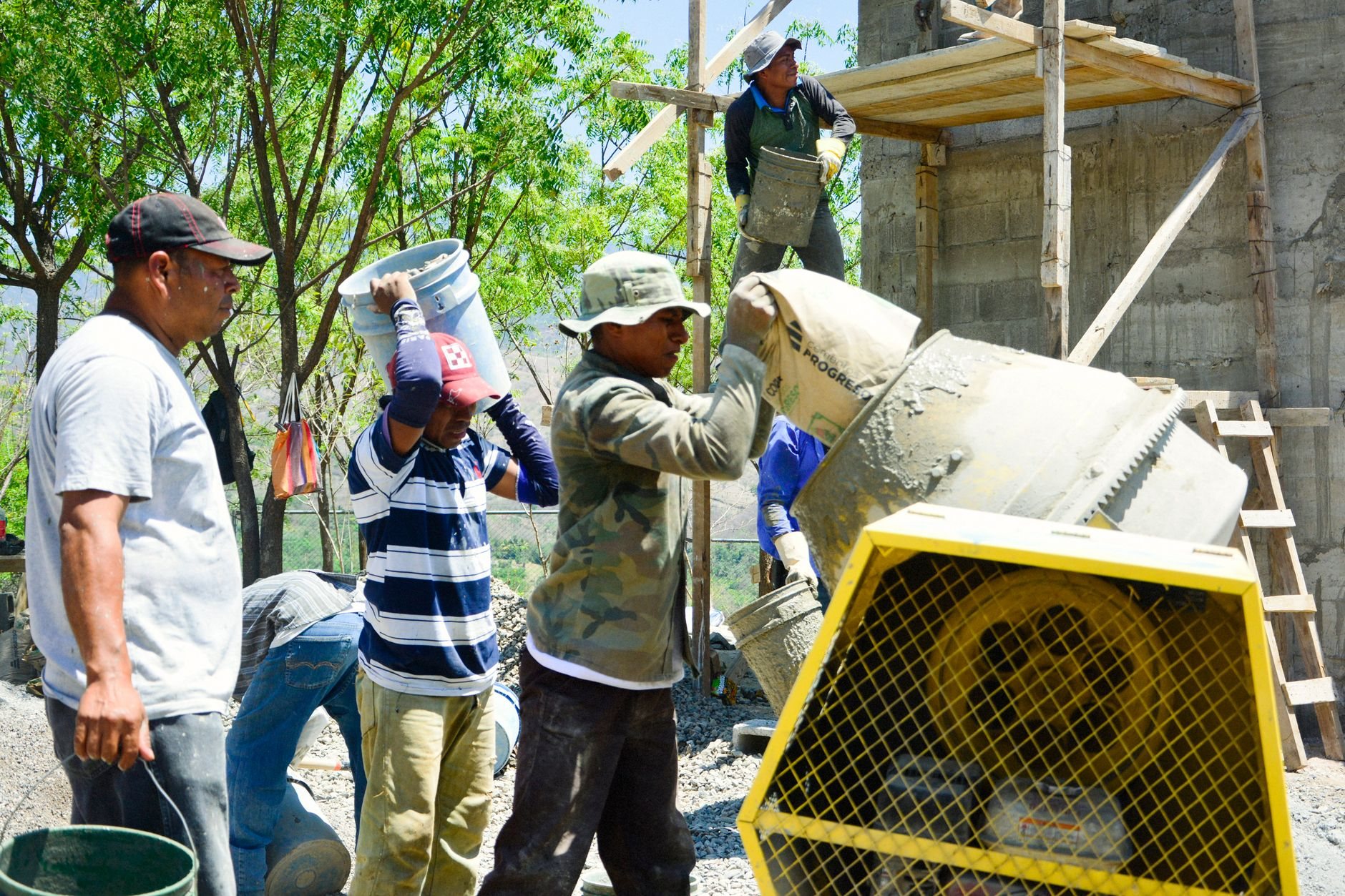
What does concrete driveway replacement cost in Utah County?
As a ballpark planning number, replacing a two-car driveway of 500 to 700 square feet in Utah County typically runs $5,000 to $9,000 — roughly $8 to $14 per square foot with tear-out, haul-off, base, reinforcement, and broom finish included. That’s a planning range, not a quote; a firm estimate follows a site walk.
What moves a replacement inside that range:
- What’s coming out. Thick, reinforced old concrete costs more to break and haul than a thin unreinforced slab or asphalt.
- Base repair. If the old driveway failed on soft fill or expansive clay, the new one needs over-excavation and more road base.
- Apron and curb work. Replacing the city approach or adding a curb cut adds permit time and a thicker pour at the street.
- Added square footage. Widening or a turnaround adds concrete at the same per-foot rate with no second tear-out cost.
- Finish. Broom-gray is the baseline; color, exposed aggregate, or a stamped border move toward decorative concrete pricing.
Questions we actually get
Can you resurface or overlay my driveway instead of replacing it?
Only when the slab underneath is sound and level. A bonded overlay on a heaved or settled driveway follows the old cracks within a couple of seasons because the base is still moving. Surface scaling on a stable slab can take an overlay; moved panels mean replacement.
Do I need a permit to replace my driveway?
Replacing the driveway on your own lot usually doesn’t. The approach, a new or wider curb cut, and any work in the park strip usually do, because that ground is the city’s. Verify with your city’s building or engineering department; processes differ between fast-growing Lehi and Saratoga Springs and established Provo and Orem.
How long is my driveway out of commission?
About ten days from the first sawcut. Tear-out and base work take one to two days, the pour is usually one day, and cars stay off the new slab for about a week. You’ll park on the street in the meantime.
Should I replace the driveway and the sidewalk at the same time?
If the frontage sidewalk is heaved or cracked, yes: the crew is already there and the joints will line up. Public sidewalk is the city’s, so we confirm whose responsibility it is first. Private walkways are covered under our sidewalk and walkway scope.
Tell us what your driveway is doing
Send a photo of the worst panel and rough dimensions; we reply within a couple of hours during business hours — a day at most — with a straight read on replacement versus sectional repair and a realistic budget range. This is one niche inside our concrete driveway and flatwork work, within site, structure and envelope.