
Polyurethane Foam Leveling in Utah County
Polyurethane concrete leveling lifts a sunken slab by injecting expanding structural foam through dime-sized ports, filling the void underneath and raising the concrete back to grade in minutes. It is the right fix for settled driveways, garage floors, patios, and walks that are still in one piece, and Grandview performs it under a Utah B100 license, verifiable at dopl.utah.gov.
When foam leveling beats mudjacking, piers, or replacement
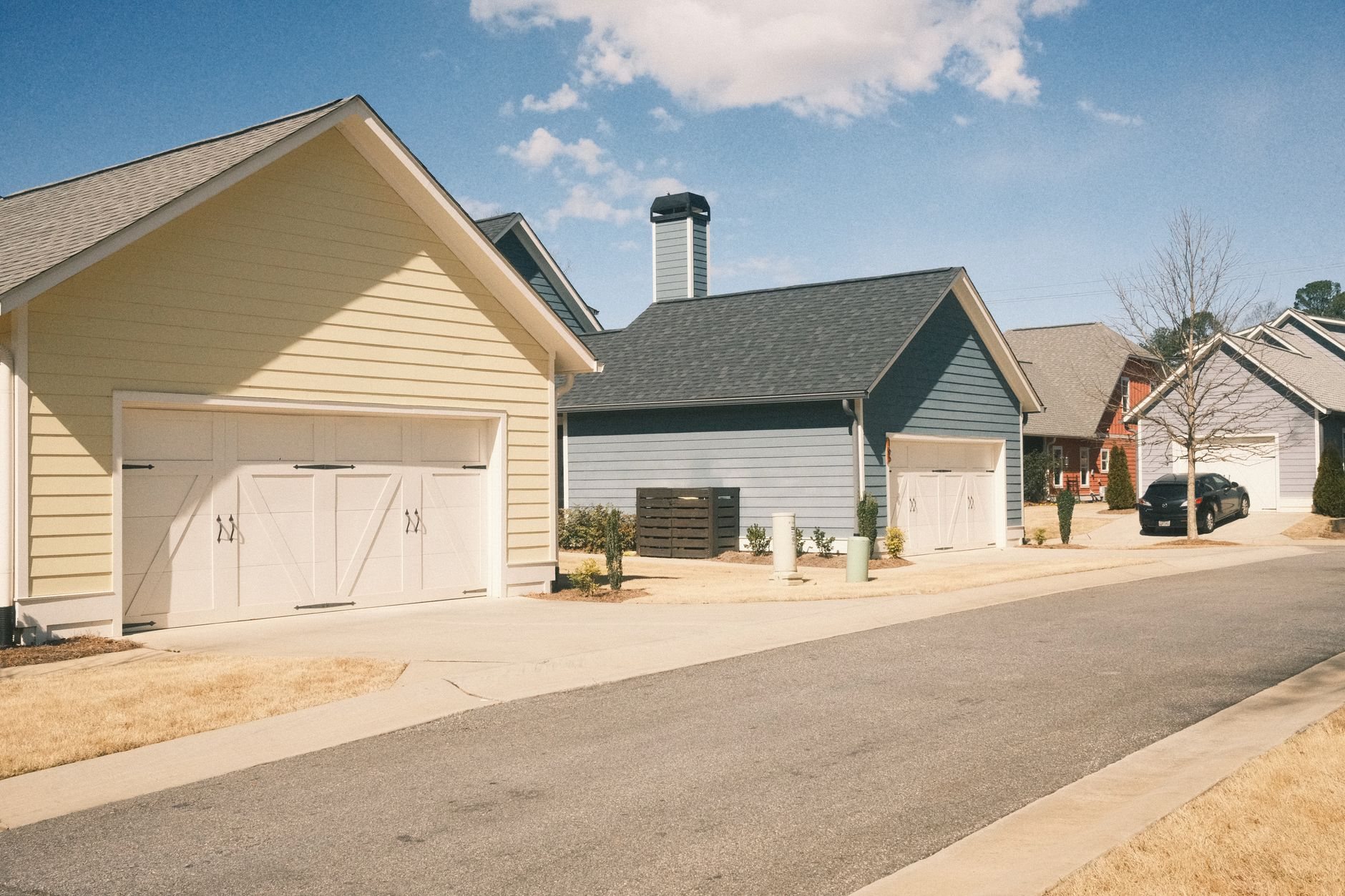
Three methods inside our foundation repair service compete for a sunken slab, and the slab usually picks the winner. Polyurethane foam is the choice when the concrete is sound, the drop is under a few inches, and you want the surface back in service the same day. Cured foam weighs about two to four pounds per cubic foot, so it adds almost nothing to soil that has already shown it can’t carry much.
Traditional slabjacking with cement slurry does the same job with a heavier material through larger holes. It costs less per square foot and still suits thick, heavily loaded exterior slabs, but slurry adds roughly a hundred pounds per cubic foot to ground that was already settling. On collapsible bench soils, that can be the wrong direction.
Foam stops being the answer when the slab is structural. A slab-on-grade carrying bearing walls calls for slab piers driven to competent soil, and a settling footing calls for push piers. Foam lifts concrete; it doesn’t underpin a house. A slab broken into many pieces, spalled, or heaved by roots is a candidate for replacement flatwork, not a lift. We say which at the site visit, before anyone drills a hole.
What polyurethane concrete leveling involves
- Map the slab. We shoot elevations with a zip level, mark the low corners, and sound for voids. Ports are laid out on a grid, usually every three to six feet, denser where the drop is deepest.
- Drill the ports. Five-eighths-inch holes, about the size of a dime, go through the slab at each mark. Mudjacking needs holes two to three times that size, which is why foam patches nearly vanish.
- Inject in stages. A two-part closed-cell polyurethane goes through each port as a liquid, reacts, expands to many times its volume, fills the void, and pushes the slab upward. We lift in small shots and re-check the level after each one.
- Cure and patch. The foam reaches working strength in about fifteen minutes. Ports get a cementitious patch tinted to the slab; the surface takes foot traffic immediately and vehicles the same day.
- Seal the joints. Where the slab meets a foundation, step, or neighboring panel, we caulk the joint so water stops reaching the base. Skipping this is how the same slab gets lifted twice.
Because the foam is hydrophobic, it does not absorb water, erode, or freeze. That last point matters here: foam leveling runs through a Utah winter, while cement slurry stops when it would freeze in the hose.
Why Utah County slabs sink under sound concrete
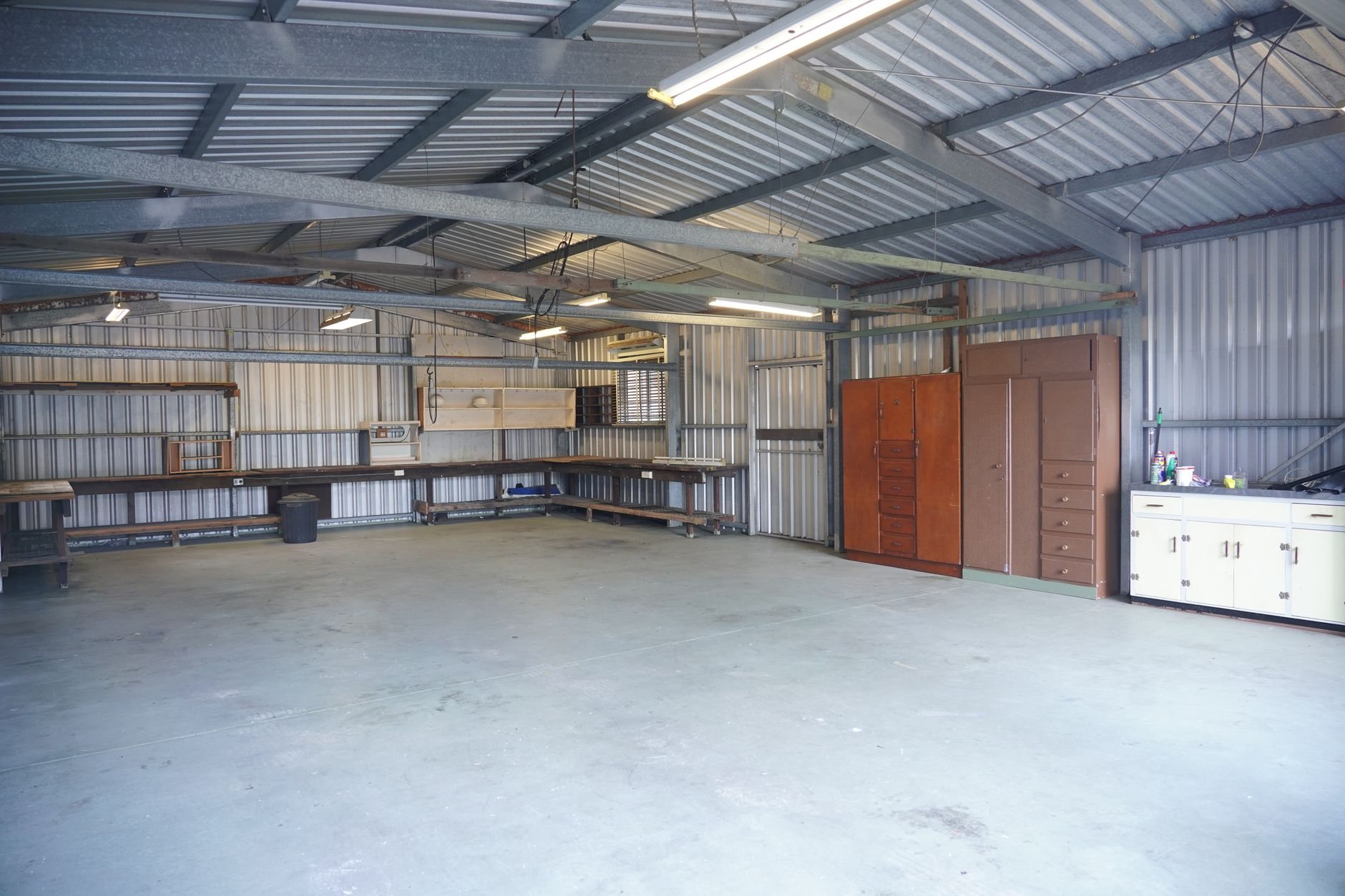
The concrete rarely fails; the base does. Driveways and garage aprons in Lehi, Saratoga Springs, and Eagle Mountain often sit on fill that was never fully compacted, and the first few wet seasons finish the job. On the benches above Provo, Orem, and Pleasant Grove, the Utah Geological Survey documents collapsible soils that hold their structure dry and settle abruptly the first time they’re saturated. A downspout discharging at a patio corner during a summer monsoon cloudburst delivers that saturation in an hour.
Freeze-thaw does the rest. Roughly a hundred freeze-thaw days a year along the Wasatch Front grow a small void as water under the slab freezes, lifts the panel, melts, and lets it drop a fraction lower. Foam fixes the void; only water management keeps it fixed. When grading is the root cause, our excavation and grading crew corrects it in the same scope. And if the foundation beside the slab shows new cracks or sticking doors, the same soil may be working on the footing, so we diagnose that first as part of the wider site, structure and envelope picture.
What does polyurethane concrete leveling cost in Utah County?
As ballpark planning numbers, most residential foam leveling in Utah County lands between $800 and $3,500 per slab, or roughly $5 to $15 per square foot of affected area. That is typically half to two-thirds of replacing the same concrete, with no demolition and no cure time. The site visit produces a budget range; the written proposal is the fixed scope.
What moves the number:
- Void volume, not slab size. Foam is priced largely by material. A long walk with a half-inch drop uses less foam than a small patio with a four-inch void under one corner.
- Number of panels. Each section lifts independently; six panels out of plane means six lifts and more ports.
- Drainage corrections. Downspout extensions, joint sealing, and regrading are modest line items that protect the lift.
Questions we actually get
How long does polyurethane concrete leveling last?
The foam is inert, closed-cell, and does not break down, wash out, or compress under normal slab loads, so the lift is as permanent as the soil under it. The real risk is new settlement from the same water that caused the first void, which is why joint sealing and drainage correction are part of the job.
Can foam leveling fix a slab that has already cracked?
Often, yes. A slab cracked into two or three large pieces can be lifted piece by piece and the crack sealed afterward. One fractured into many small pieces, badly spalled, or crumbling at the edges will not lift evenly and should be replaced. We tell you which at the site visit.
How soon can I drive on a foam-leveled driveway?
The same day. Polyurethane reaches working strength about fifteen minutes after injection, and port patches set within an hour or two. Mudjacking slurry needs a day or more before vehicle loads; replacement concrete needs about a week.
Will the foam keep lifting after the job is done?
No. The reaction finishes within minutes of injection and the material is fully stable once cured. Over-lift is a risk during the work, not after it, and we control it with small shots and elevation checks between them. Problems happen. Surprises should not.
Tell us which slab has dropped
Send a photo of the low corner and a rough measurement of the drop, and we’ll tell you whether it’s a foam lift, a slurry lift, or a replacement. We reply within a couple of hours during business hours, a day at most.