
Concrete RV Pads in Utah County
A concrete RV pad is a thickened, rebar-reinforced slab — five or six inches instead of a driveway’s four — sized and sloped for a motorhome, fifth-wheel, or trailer parked beside the house. Grandview builds them across Utah County under a B100 general contractor license, from side-yard access and base through the pour and driveway tie-in.
When an RV pad is the right pour
You own a motorhome, fifth-wheel, toy hauler, boat trailer, or work trailer that needs a permanent spot at the house. A Class A motorhome can weigh 30,000 pounds or more, and its leveling jacks concentrate that load onto a few square inches each. Standard four-inch flatwork is not built for it.
If the job is a worn driveway for ordinary vehicles, that’s a concrete driveway replacement. If the rig will live under a roof, you’re pouring a garage floor slab or a shed and outbuilding slab, which are detailed for walls bearing on them. An RV pad is the open-air case: a heavy, parked load on an exposed slab, usually reached through a side yard.
Sizing and placing the pad
Most RV-pad decisions happen before anyone sets a form. We walk the side yard with the rig’s spec sheet and settle these:
- Width. Twelve feet is the practical minimum for an 8.5-foot-wide rig; 14 feet lets you walk a side with the door open. Narrower pads put tires on the edge, and edges are where slabs break.
- Length. Bumper-to-hitch length plus four to five feet, so the tongue or fifth-wheel hitch sits on concrete, not lawn.
- Access. Gate and path need 10 to 12 feet of clear width, no low eaves, and a turning sweep that stays on your lot. Moving a gate post is often part of the job.
- Zoning and HOA. Many Utah County cities only allow RV parking in a side or rear yard on an improved hard surface, often behind the front setback — verify with your city’s zoning office. HOAs across Lehi, Saratoga Springs, and Eagle Mountain often add screening rules; we help package the submittal.
- Hookups. A 30- or 50-amp pedestal, hose bib, and sewer cleanout are electrical and plumbing work: Grandview holds the contract and manages licensed electricians and plumbers for it, and we sleeve the conduit under the slab before the pour so nothing gets cored later.
How an RV pad is built differently
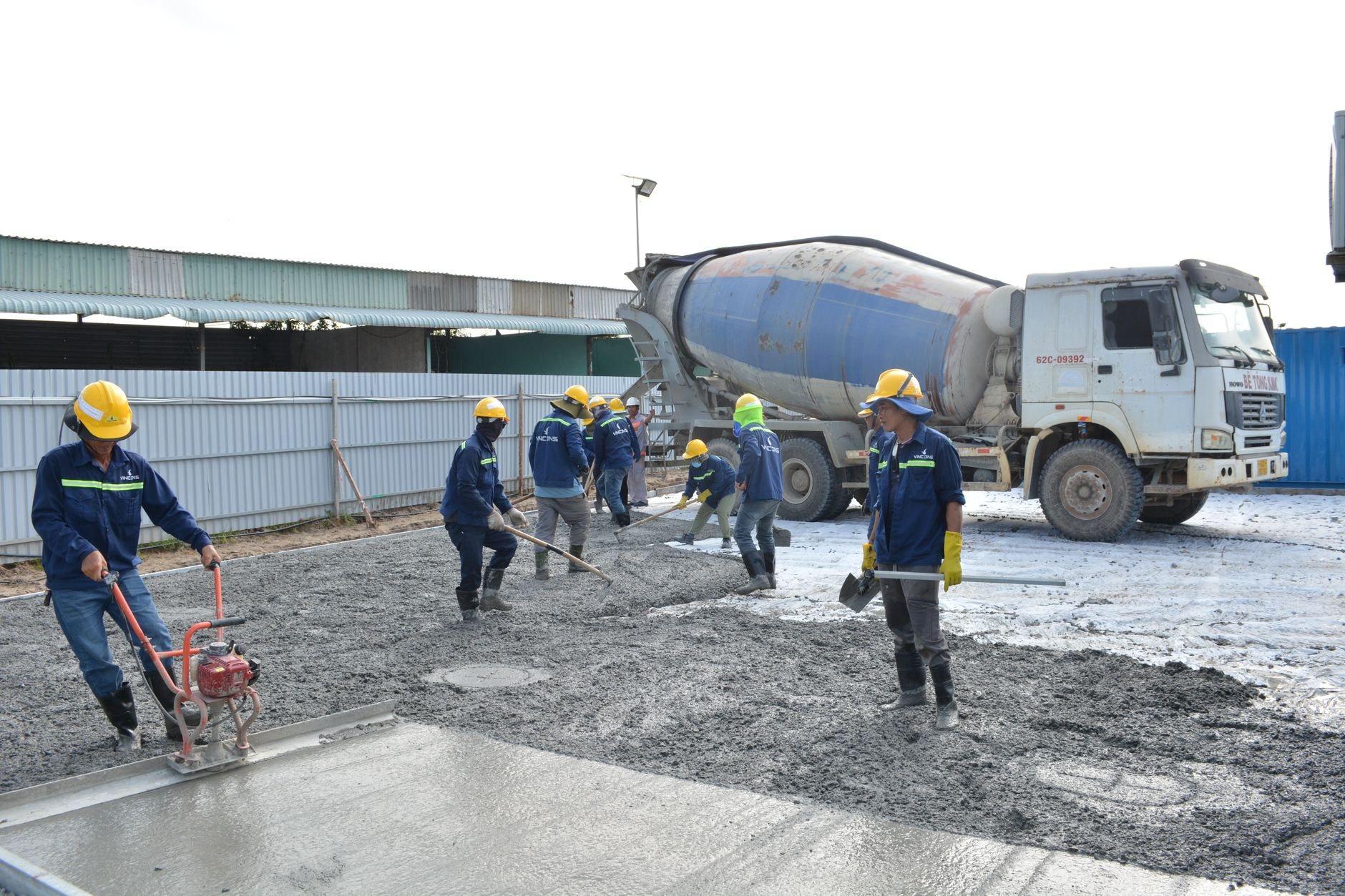
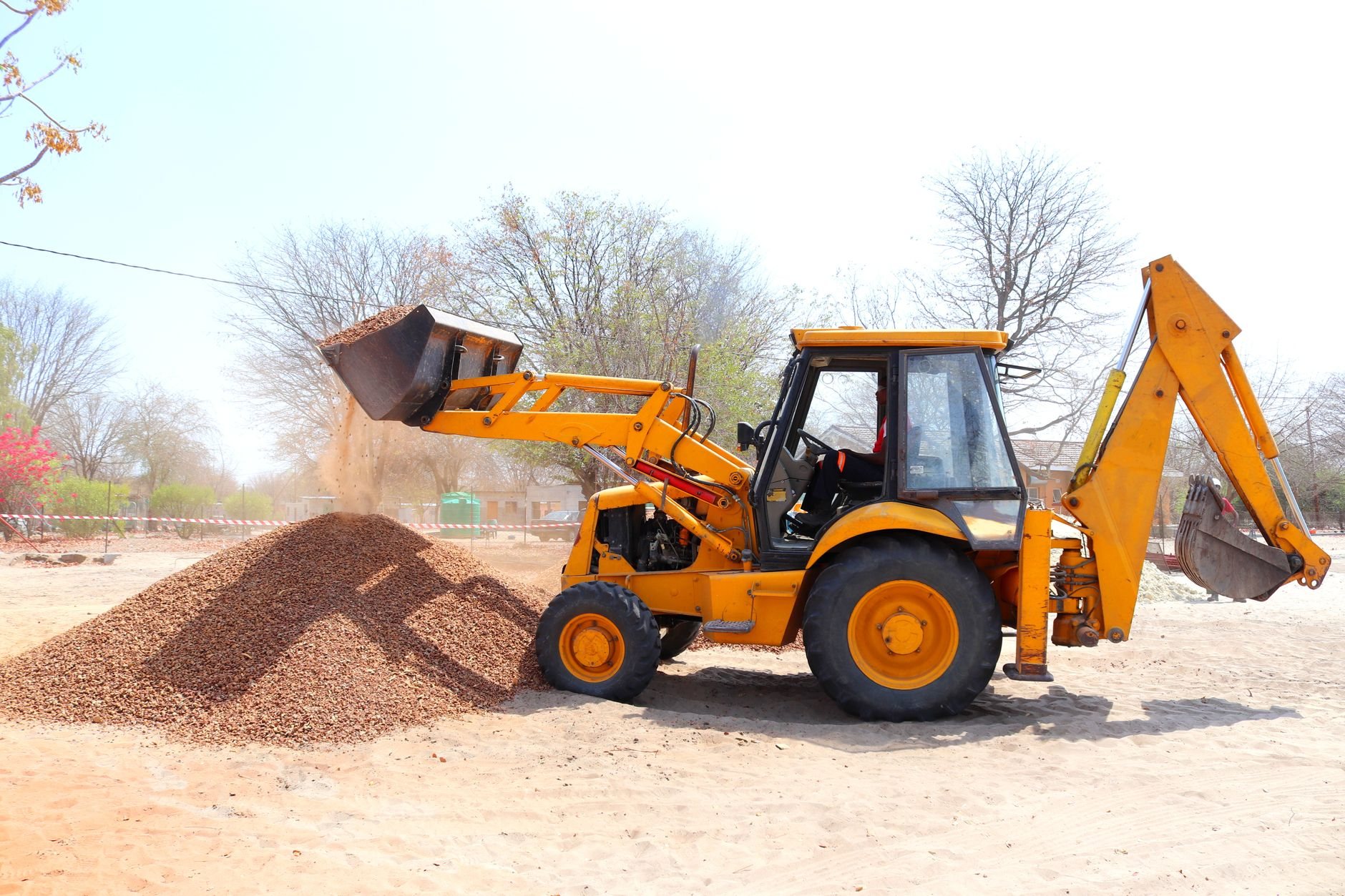
- Excavate and base. Dig 10 to 12 inches below finished grade, then four to six inches of road base compacted in lifts. On expansive clay or the collapsible soils common on Utah County benches we over-excavate and add base — those soils move when wet, and a parked rig finds every soft spot.
- Form and reinforce. Six inches of concrete, thickened edges where tires roll on and off, and a grid of #4 rebar on roughly 18-inch centers both ways, chaired at mid-depth. Wire mesh is not a substitute here.
- Tie to the driveway. We drill and epoxy dowels into the existing slab so the two don’t step at the joint under load.
- Pour and finish. A 4,000-psi air-entrained mix, broom-finished for traction when wet or frosted, sloped about an eighth to a quarter inch per foot away from the house and fence line.
- Joint, cure, seal. Control joints at roughly 12- to 15-foot spacing, a week before any vehicle, 28 days before the rig, then a penetrating sealer.
We see dependencies before they become delays.
Why RV pads crack
The pattern is nearly always the same: a four-inch slab with mesh lying on the dirt, over ungraded fill, with a rig parked on it through a Wasatch Front winter of 100-plus freeze–thaw days. Water under the slab freezes and lifts it, the rig pushes back, and the slab breaks along the tire line. Air entrainment protects the surface; only thickness, chaired steel, and a compacted base protect against a point load the slab was never designed for.
The other failure is drainage. A parked rig shades the slab for months, so a pad that holds water against the foundation never dries out. We grade to a planned low point or add a channel drain through our drainage scope. Keep magnesium chloride off the pad its first winter.
What does a concrete RV pad cost in Utah County?
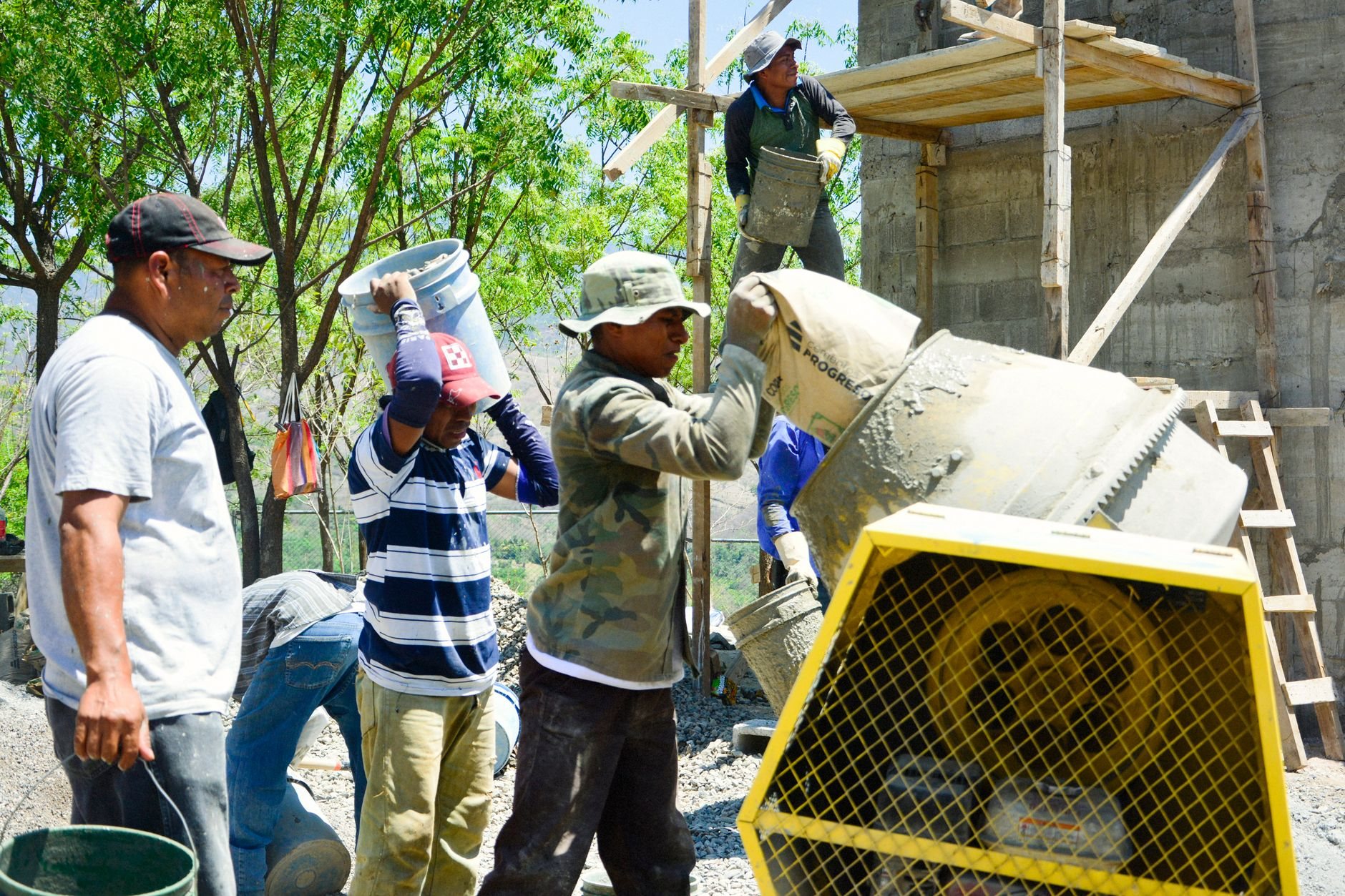
As a ballpark planning number, a six-inch reinforced RV pad in Utah County typically runs about $10–$16 per square foot installed, including excavation, base, rebar, pour, finish, joints, and sealing. A 12-by-40-foot pad — 480 square feet — usually lands in the $5,000–$8,000 range before hookups. Planning figures, not a quote; a firm estimate follows a site walk.
What moves the number: the extra concrete and rebar over standard flatwork; sod or an old slab that has to come out; side-yard access, since a pad the truck can’t reach gets pumped in at a fixed added cost; soil that needs over-excavation; gate work; and hookups, priced as their own line. A sloped bench lot may also need grading or a short retaining wall uphill. For the rest of the exterior concrete sequence, see driveways and flatwork inside our site, structure and envelope services.
Questions we actually get
How thick does a concrete RV pad need to be?
Six inches with a #4 rebar grid for motorhomes and fifth-wheels; five inches can be defensible for a lighter travel trailer or boat. Four-inch flatwork with wire mesh is a driveway, not an RV pad, and it cracks under leveling jacks within a few seasons.
Can I park my RV on gravel instead?
You can, but many Utah County cities require side-yard RVs to sit on an improved hard surface, and most HOAs do not accept gravel — verify with your city’s zoning office. Gravel also migrates, ruts under jacks, and tracks into the driveway.
What if the rig can’t get past the house?
Access decides whether the project happens, so we measure it first: gate width, eave height, the turn off the driveway, and anything buried where the rig will roll. Widening a gate to 12 feet is routine. If the only route crosses a neighbor’s lot or an easement, we’ll say so before you spend anything.
How long before I can park the RV on the new pad?
About 28 days. Concrete reaches most of its strength in the first week, which is fine for a car, but a 20,000- to 30,000-pound rig on leveling jacks is the heaviest load the slab will ever see. Waiting for full design strength saves the pad from early marks that never go away.
Tell us what you’re parking
Send the rig’s length and weight and a photo of the side yard. We reply within a couple of hours during business hours — a day at most — with a straight read on access, scope, and budget before anyone commits to anything.