
Curb, gutter & driveway approaches in Utah
Curb and gutter is the concrete edge that holds the street together and carries runoff to the storm drain; a driveway approach is the sloped section between the gutter lip and your property line. Grandview pours new curb, replaces settled runs, and cuts approaches to the city’s profile under a B100 general contractor license.
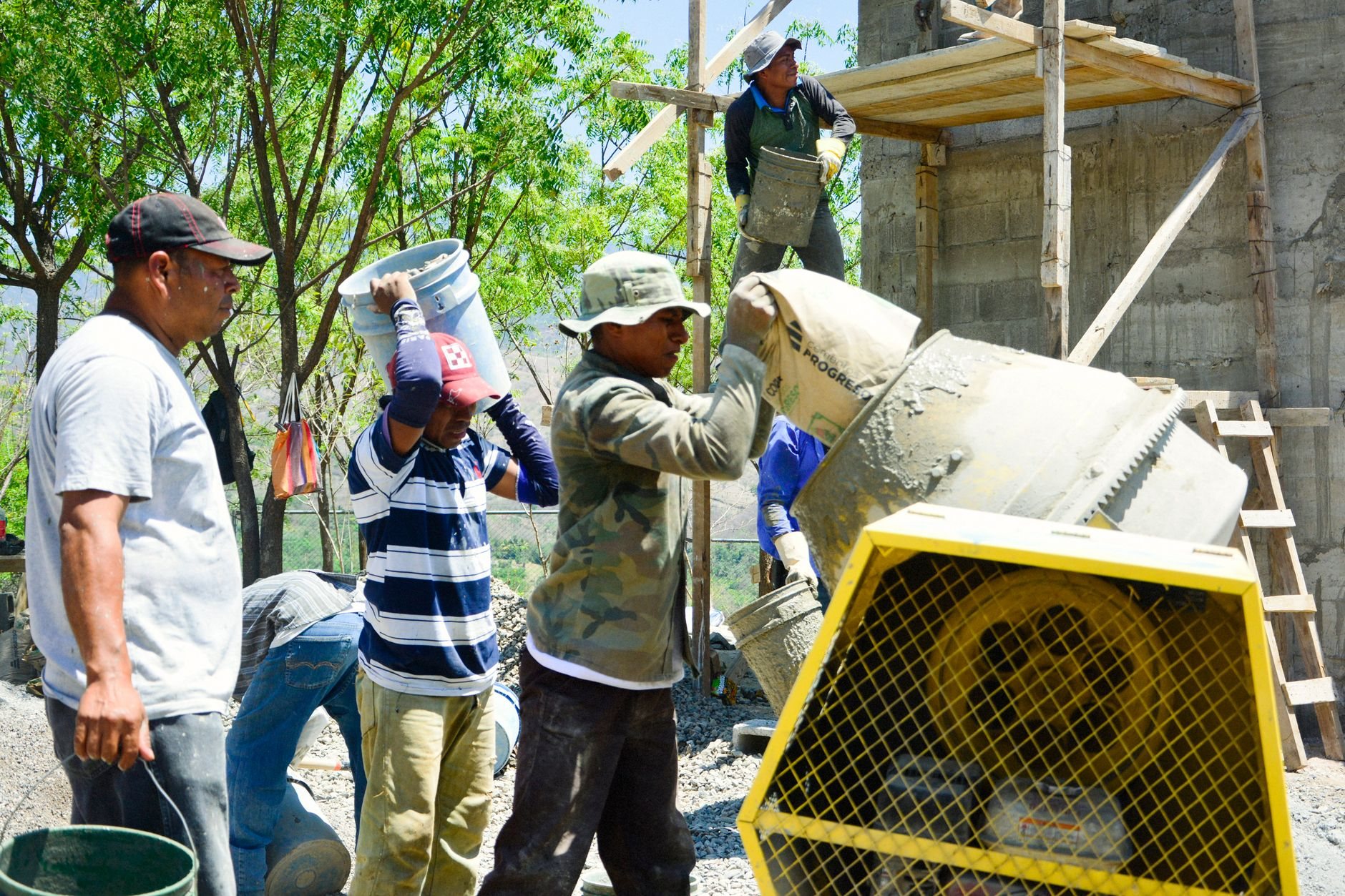
When curb and gutter is the right scope
Three situations bring people to this page. A new or relocated driveway that needs a curb cut, where the high-back curb is sawcut out and replaced with a drive-over approach. A run of curb that has settled, tipped toward the lawn, or broken up from plows and deicer, so the gutter ponds all winter. And commercial or subdivision frontage that needs curb, gutter, and approaches poured to the city’s standard details before paving.
The slab from the sidewalk up to your garage is a driveway replacement, and the public walk belongs on our concrete sidewalk page. Where an approach doubles as an accessible pedestrian route, with detectable warning panels and controlled cross-slopes, that’s ADA concrete ramp work. Curb and gutter is the line where private flatwork meets public right-of-way, and that line has its own rules.
What goes into curb, gutter, and an approach that drains
A gutter has one job: carry water downhill to the next catch basin without letting it stop. That makes the flow line, the low point where gutter meets curb face, the most important dimension on the job. We string-line it off the existing curb on both sides so the new section matches the street’s grade. A flow line a half-inch high at one joint holds a puddle, and in a Wasatch Front winter that puddle freezes and thaws a hundred-plus times with magnesium chloride in it. Gutters fail faster than any other exterior concrete for this reason, so we pour them from an air-entrained mix and seal them once cured.
Profile matters next. Most Wasatch Front cities standardize on a 30-inch combined curb and gutter with a six-inch vertical face; many newer developments use a rolled or mountable curb you can drive across. Your city’s engineering department sets the profile, approach width, and flare dimensions, and the pour has to match them or the inspector won’t sign off. We verify the standard detail with your city as part of scoping.
Approaches carry tires, so they pour thicker than the gutter: typically six inches with rebar, from gutter lip to back of walk. Dowels tie new concrete to the sound existing curb so the sections move together instead of stepping. Contraction joints go in roughly every ten feet; expansion material at catch basins and where the approach meets the walk. Under all of it sits compacted road base, because park strips along the bench are often expansive clay or collapsible fill and a curb set on native soil tips within a few winters.
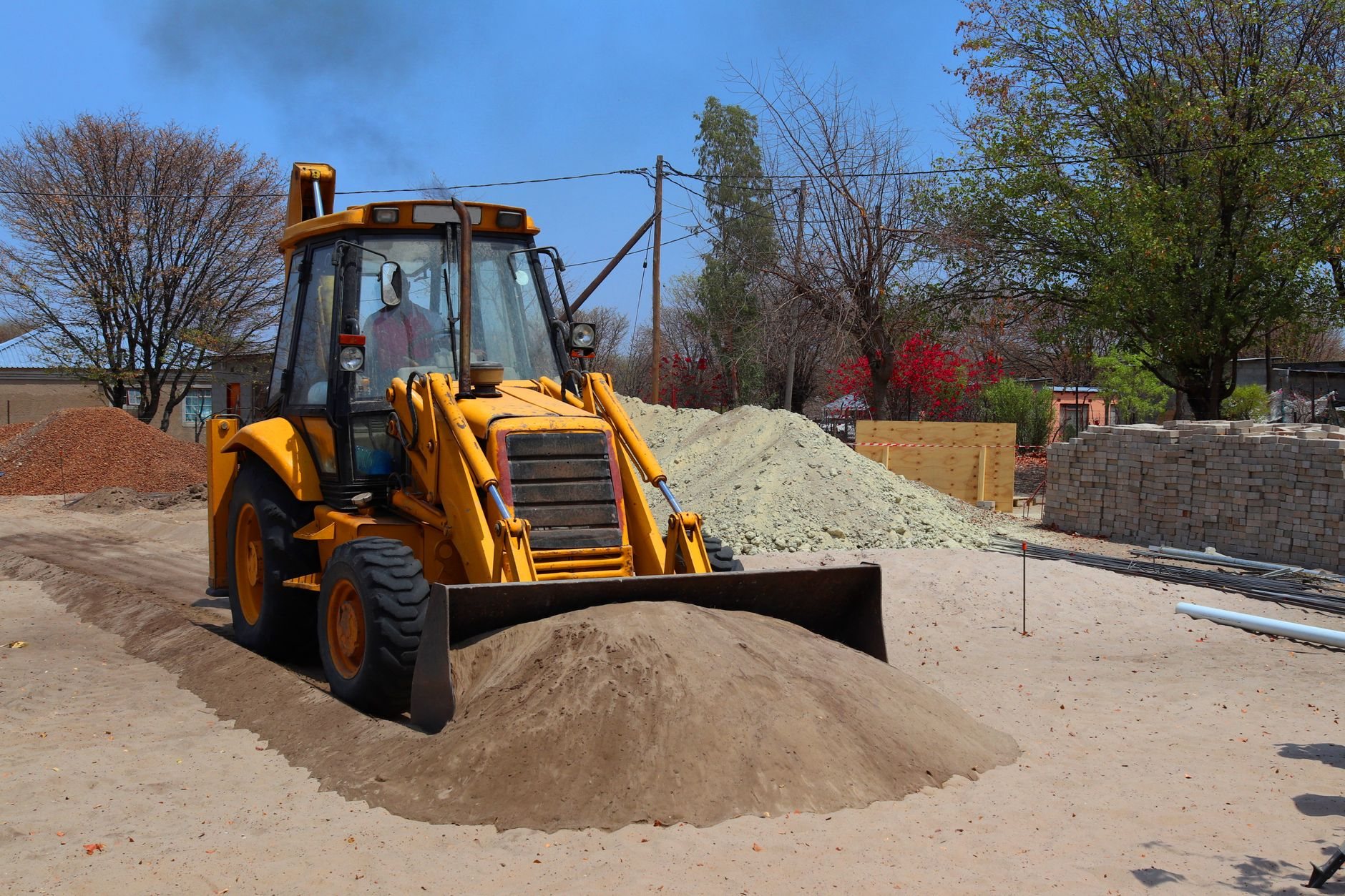
How a curb and approach job runs
- Confirm the right-of-way rules. Curb and gutter sits in the public right-of-way, so the city usually requires an encroachment permit, its standard detail, and inspections. Fast-growing cities like Lehi and Saratoga Springs process these differently than Provo or Salt Lake City; we scope the approvals up front.
- Locate utilities and set the flow line. Utility marks are in before any sawcut; we shoot the existing gutter grade on both ends and string-line the new flow line to match.
- Sawcut, remove, and prep base. Clean, square cuts at the limits, old concrete hauled off, subgrade and road base compacted.
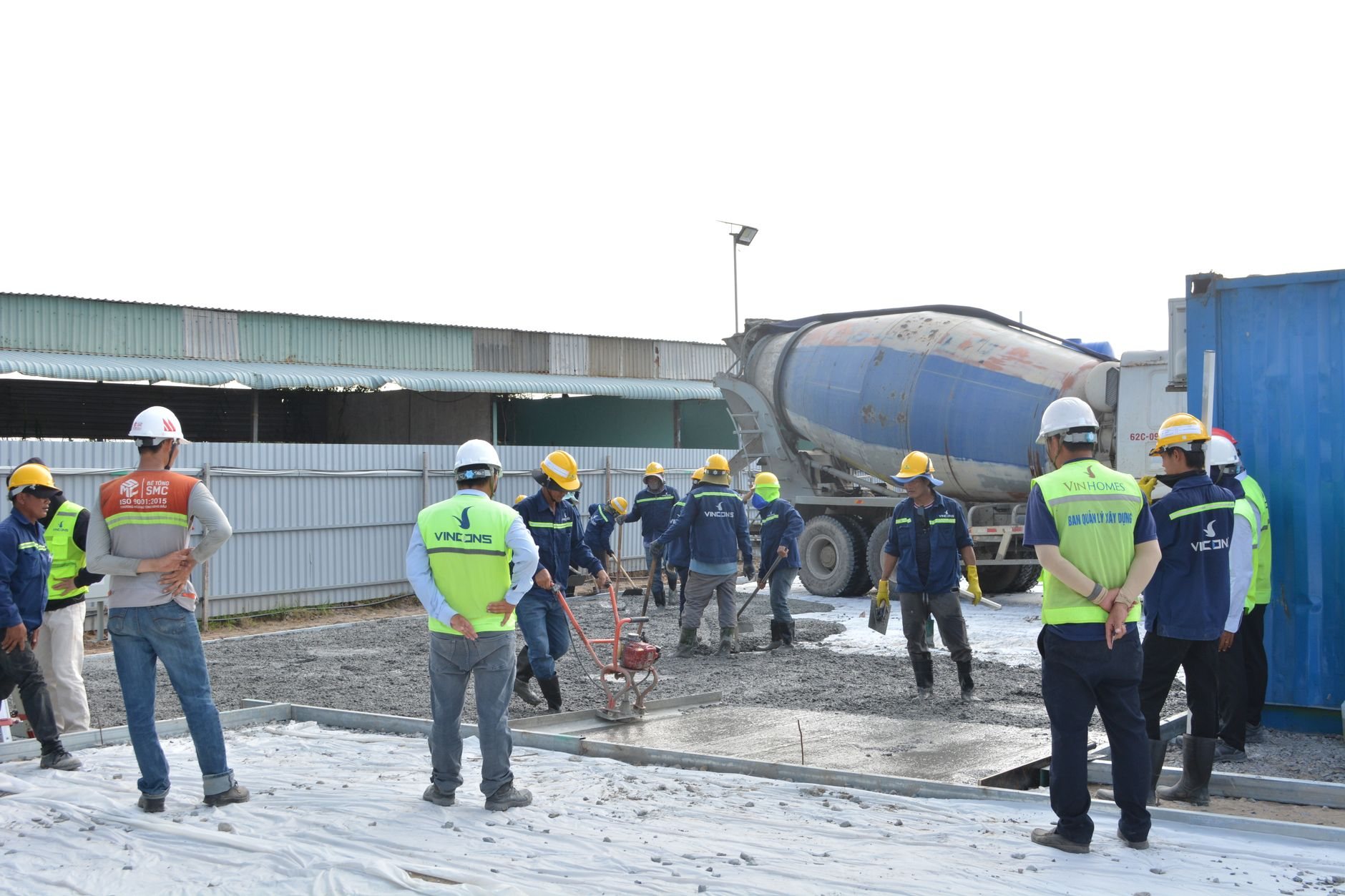
- Form, reinforce, and pour. Forms braced to the profile, dowels drilled into existing curb, rebar on chairs in the approach, then an air-entrained mix placed and finished with the gutter pan troweled smooth.
- Joint, cure, and reopen. Joints tooled, cure applied, barricades up. Foot traffic in a day; vehicles across the approach in about a week.
What does curb and gutter cost in Utah?
As a ballpark planning number, removing and replacing standard curb and gutter along the Wasatch Front typically runs about $35–$60 per linear foot, and a single residential approach, including sawcut, removal, six-inch pour, and tie-in, usually lands around $3,000–$7,000. These are planning figures, not a quote; a firm number follows a site walk.
What moves the price inside those ranges:
- Length of run. Mobilization is roughly fixed, so twenty feet costs far more per foot than two hundred.
- Profile and approach width. High-back curb uses more concrete than rolled curb; a wide approach with long flares is more forming and more steel than a standard one.
- City requirements. Permit fees, traffic control on a busy street, and inspections add real cost that varies by city.
- Subgrade. A tipped curb often means soft or clay subgrade below it, which calls for over-excavation and extra base.
Curb work on a larger frontage sequences naturally with excavation and grading, the rest of our driveway and flatwork scope, and a concrete parking lot on commercial sites, all under the broader site, structure and envelope family.
Questions we actually get
Can I cut my own curb for a new driveway?
Not without the city. The curb is in the public right-of-way, and Wasatch Front cities require a permit, a specified approach profile, and an inspection for a new curb cut. Cutting one without approval can mean an order to restore it at your cost. We handle the submittal and pour to the city’s detail so it passes the first time.
Why does water pond in my gutter after every storm?
The flow line has lost its grade: the curb settled, a section tipped, or a past repair was poured high at a joint. Summer cloudbursts make it obvious; winter freeze-thaw in that puddle is what breaks the gutter apart. Replacing the run with the flow line string-lined to the street’s grade is the fix.
Do I need an engineer or a soils report for curb replacement?
Rarely for a residential run or a single approach; the city’s standard detail covers the design. Commercial frontage and subdivision curb are typically built from the developer’s engineered civil drawings. Either way, if the old curb failed because of soft subgrade, we fix the base rather than pour over the problem.
What’s the biggest cost factor on a curb and gutter job?
Length. Short runs carry the same mobilization, sawcutting, and permit costs as long ones, so the per-foot price drops quickly as the job grows. After that, the city’s profile and approach width, traffic control on the street, and the condition of the subgrade move the number most.
Tell us where the curb needs to go
Send a photo of the frontage and a rough length, or describe the curb cut you need. We reply within a couple of hours during business hours, a day at most, with a straight read on the city process, sequence, and budget before anyone commits to anything.