
Landlord Work-Letter Build-Outs
A landlord work-letter build-out is the construction a property owner owes a tenant under the lease — the “Landlord’s Work” exhibit — delivered to a defined condition by a defined date so rent can start. Grandview Contractors builds them for owners and property managers across Salt Lake County and Utah County under a Utah DOPL B100 general contractor license.
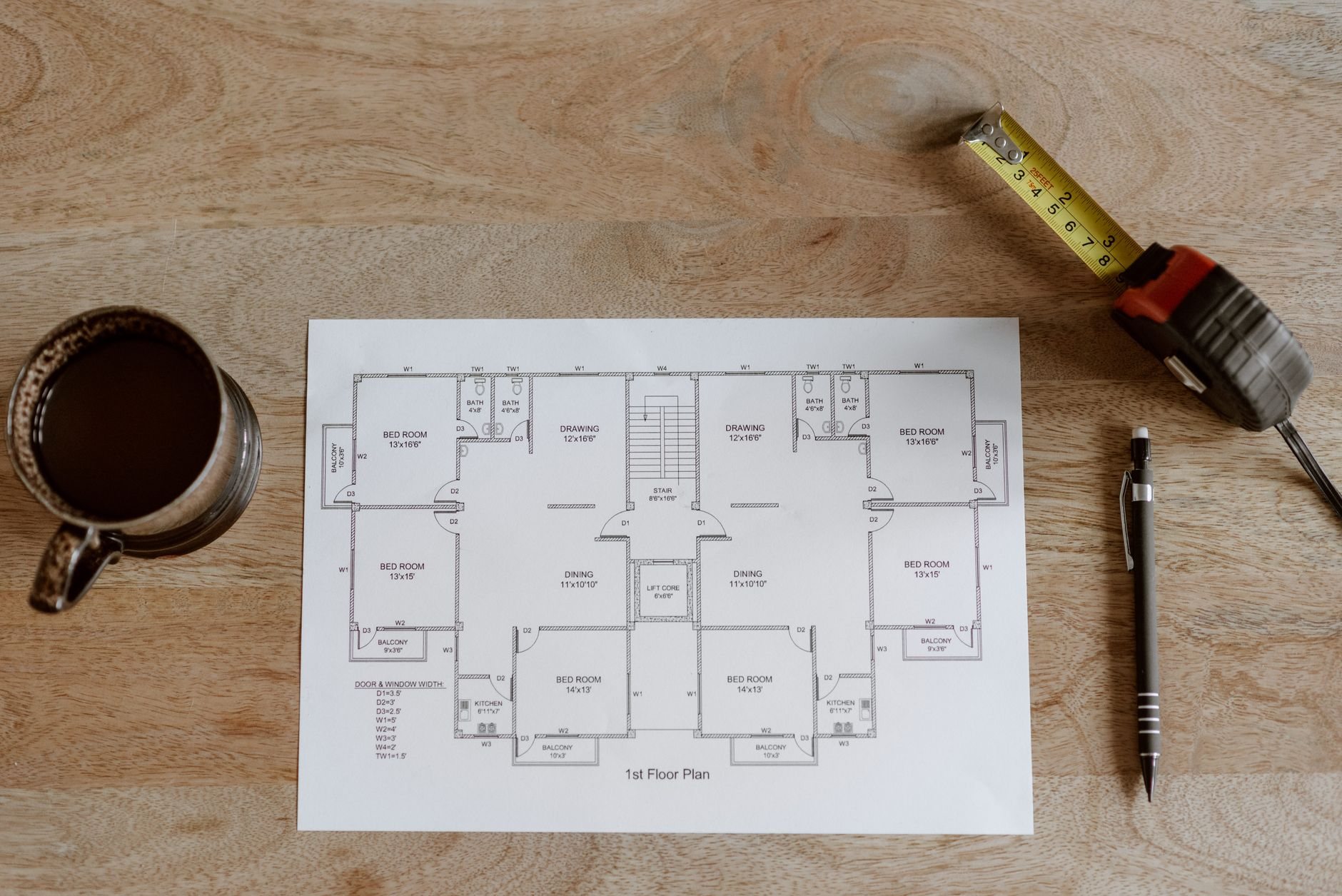
When the landlord’s contractor should build the space
Work letters come in two shapes. In an allowance deal the tenant hires the contractor and the landlord reimburses against draws — the standard office tenant improvement within our tenant improvement and renovation work. In a turnkey deal the owner hires the contractor, builds to the tenant’s approved plans, and hands over a finished suite. This page is the second kind: you are the landlord, and the lease has made construction your problem.
It fits when the tenant does not want to manage a build, or when you want control over what goes into your building. It is the wrong page if you are delivering empty, lease-ready space with no tenant yet — that is a white-box delivery — or if the tenant is taking previously occupied space largely as-is, a second-generation retrofit. If the obligation lives in the corridor rather than the suite, see corridor and common-area build-outs; owners repositioning several suites at once often add owner’s representation.
What delivering a work letter actually involves
The construction is familiar — partitions, ceilings, doors, finishes, plus licensed electrical, plumbing, HVAC, and fire-sprinkler contractors that Grandview holds under its contract and sequences inside the job. Three parts of the document drive everything else.
The building-standard finish schedule. It defines what the landlord provides at no cost to the tenant: a specific ceiling tile and grid, a light fixture, a carpet line, a paint system, door and hardware sets, a count of outlets per square foot. We price strictly to that schedule first. Anything the tenant selects beyond it — glass office fronts, a break-room plumbing run, reception millwork — is priced as an above-standard item and tracked separately so you can bill it back exactly as the lease allows.
The delivery condition and the commencement trigger. “Substantial completion” is usually a certificate of occupancy plus a punch list that does not stop the tenant moving in. Rent commencement is often tied to it, so a lost day is lost rent. We schedule backward from the lease delivery date with your city’s plan-review time built in. Salt Lake City and Provo run predictable commercial reviews; fast-growth cities like Lehi and Saratoga Springs can be quick on one permit and queued on the next. We tell you the realistic path before you commit to a delivery date.
The delay language. Most work letters separate landlord delay from tenant delay — late plan approvals, late finish selections, changes after permit. Tenant-caused days typically hold the commencement date, but only if someone documents them. We keep a dated log of every tenant approval and change request — evidence rather than recollection.

From lease exhibit to commencement certificate
- Read the exhibit. We review the work letter and building-standard schedule first and flag clauses that cost money — after-hours work rules, change-order markups, or an accessible path-of-travel obligation that pulls restrooms into your scope under current Utah-adopted code and the ADA.
- Price in two columns. Landlord’s Work at building standard in one, tenant above-standard items in the other. Our preconstruction estimating moves from budget range to estimate to a proposal you can attach to the lease.
- Lock approvals. The tenant signs plans and finish selections; we date-stamp them and order long-lead items — HVAC equipment, doors, glazing — the same week.
- Permit and build. We pull the permit as your contractor, sequence trades against the partition and ceiling work, and keep your other tenants clear of the dust and noise. Our license is verifiable at dopl.utah.gov, as most lease forms require.
- Deliver. Inspections, CO, a punch list walked with the tenant, and the paperwork needed to issue the commencement date certificate and any above-standard invoice.
What does a landlord work-letter build-out cost in Utah?
As ballpark planning numbers only, never a quote: a building-standard office suite delivered turnkey along the Wasatch Front often lands around $45–$90 per square foot from a vanilla shell, and less where second-generation partitions and ceilings can stay. Above-standard tenant selections sit on top, usually passed through with a defined markup.
What moves the landlord’s number: how generous the building-standard schedule is (glass fronts versus drywall and a hollow-metal door); the ratio of private offices to open area, since walls drag electrical, HVAC rezoning, and sprinkler heads with them; after-hours work rules, which add labor premiums; and how far the tenant’s plans drift after permit. Post-approval change orders are where turnkey budgets go to die; the two-column pricing and the dated log exist for that reason.
Questions landlords actually ask
What is the difference between a turnkey work letter and a TI allowance?
In a turnkey work letter the landlord hires the contractor, builds to the tenant’s approved plans, and delivers a finished suite, carrying the construction risk. With an allowance, the tenant builds and the landlord reimburses up to a cap. Turnkey gives you control; an allowance caps your exposure.
Who pays when the tenant upgrades beyond building standard?
Usually the tenant, through whatever mechanism the work letter sets — a direct invoice, an amortized rent adder, or a deduction from an allowance. We price above-standard items in a separate column from day one and hold a tenant-signed change order for each, so billing matches the lease.
When does the tenant’s rent start if construction runs late?
It depends on the delay language. Landlord delay typically pushes commencement; tenant delay — late approvals, late selections, post-permit changes — typically does not. The practical issue is proof, so we keep a dated record of every tenant approval and change request and hand it to your lease administrator early.
Can you price the landlord’s work before the lease is signed?
Yes, to a budget range. Send the draft work letter, the building-standard schedule, and a test-fit plan and we will return a planning number for Landlord’s Work with the obvious above-standard asks flagged. A firm estimate needs approved drawings; a proposal needs permit-ready plans.
Send us the work letter
Attach the exhibit and the building-standard schedule, or just the address and the delivery date. We reply within a couple of hours during business hours, a day at most, with a straight read on scope, sequence, and budget.