
Owner’s representation for Utah construction projects
An owner’s representative sits on your side of the table — reviewing bids, contracts, schedules, pay applications, and workmanship on a project someone else is building. Grandview provides that oversight across Utah County and Salt Lake County for owners who don’t build for a living.
Who hires an owner’s representative
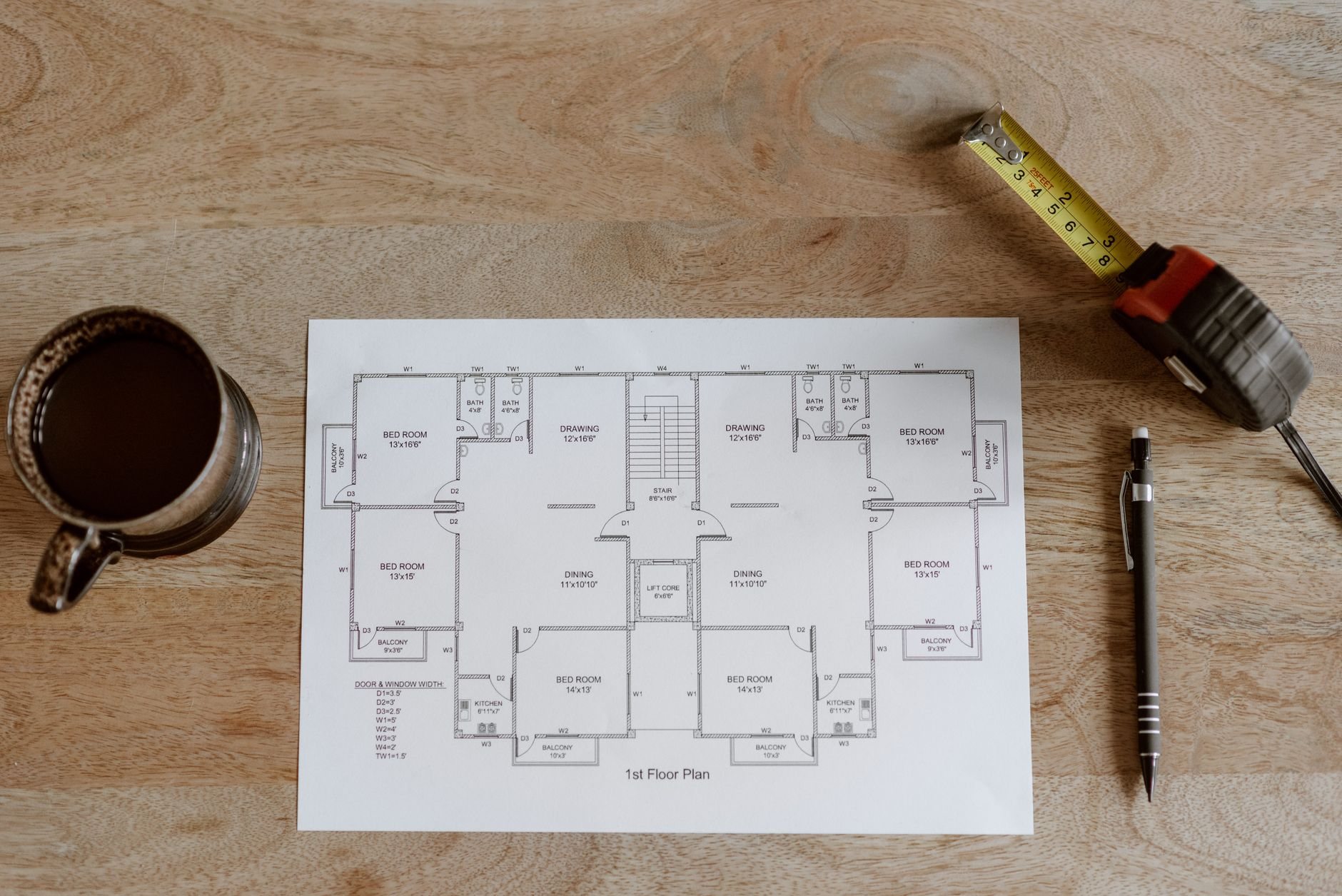
People and organizations who own a project but not the expertise to police it. A family building a custom home who signed with a builder six months ago and can no longer tell whether the schedule slippage is normal. An HOA board approving six-figure draws on a clubhouse renovation with no one on the board who has read a schedule of values. A church, a nonprofit, or a small business whose facility project is the largest check the organization will ever write — managed by a committee that meets twice a month.
What these owners share is an information gap. The builder does this every day; the owner does it once. Every bid, change order, and pay application crosses the table with the expertise sitting on one side. An owner’s rep closes that gap. We read the documents the way a contractor reads them, then tell you plainly what’s reasonable, what’s padded, and what’s missing.
It’s worth being clear about the inverse, too. If you haven’t hired a builder yet and want one accountable contract for the whole job, you likely want construction management or design-build instead — and we’ll say so in the first conversation. Owner’s representation earns its fee when the contracts are (or will be) with someone else and you need construction literacy reviewing what they send you.
What does an owner’s rep actually do?
An owner’s representative reviews and verifies the work of your design team and builder on your behalf: leveling bids, reviewing contracts before signature, monitoring schedule and budget, checking pay applications against work actually in place, evaluating change orders, and observing quality on site. The rep holds no construction contracts and performs no construction — the advice stays independent because nothing on the job pays us but you.
On this engagement, Grandview builds nothing. That’s the point. The scope typically includes some or all of the following, sized to the project:
- Bid and proposal review. Leveling contractor bids line by line so you compare real scope, not bottom-line numbers — including confirming each bidder’s license status at dopl.utah.gov before you shortlist anyone.
- Contract review. Flagging allowances, exclusions, escalation clauses, and payment terms before you sign, and recommending where to push back. We’re not attorneys and don’t give legal advice; we tell you what the construction terms will mean on site.
- Schedule and budget monitoring. Monthly (or weekly) reads on where the project actually stands versus where the builder says it stands, with float and long-lead items tracked.
- Pay-application review. Verifying that each draw matches work in place and stored materials, that retainage is applied correctly, and that lien waivers are collected before money moves.
- Change-order evaluation. Checking pricing, quantities, and whether the “change” was actually in the original scope.
- Quality observation. Periodic site walks at the stages that matter — footings, framing, rough-ins, waterproofing — documented with photos and a written report.
- Closeout. Punch-list management, warranty and O&M documentation, and confirmation that final lien waivers are in hand before final payment.
Because we’re also a licensed Utah DOPL B100 general contractor, the review comes from someone who prices, sequences, and builds this work — not from a spreadsheet. We know what a framing package should cost this quarter because we buy them.
How an owner’s rep engagement runs
- Baseline. We read everything — drawings, contract, schedule, budget, and pay-app history if the project is underway — and give you a written picture of where the project actually stands.
- Define the oversight. Together we set the cadence: what we review, how often we walk the site, and what triggers a call instead of a report.
- Monitor. Recurring document review and site observation, each cycle producing a short written report in plain language — status, risks, and recommended decisions.
- Advise at decision points. Change orders, substitutions, schedule claims, and disputes get a written recommendation with the reasoning shown, before you respond to the builder.
- Close. We drive the punch list, verify closeout documents, and confirm the lien waivers and warranties are complete before the last check clears.
Problems happen. Surprises should not.

What does oversight look like on a Utah project?
Local, mostly. The failure points we watch are specific to how projects go wrong along the Wasatch Front, and a rep who doesn’t know the territory misses them.
Schedules are the first example. Permit and inspection timelines are not interchangeable across the valley: fast-growth cities like Lehi, Saratoga Springs, and Eagle Mountain carry heavy plan-review volumes, while established departments in Provo, Orem, and Salt Lake City run more predictably. When a builder’s baseline schedule shows the same review duration in Eagle Mountain that it would get in Orem, that’s not optimism — it’s a claim waiting to happen, and we flag it at baseline rather than at month four.
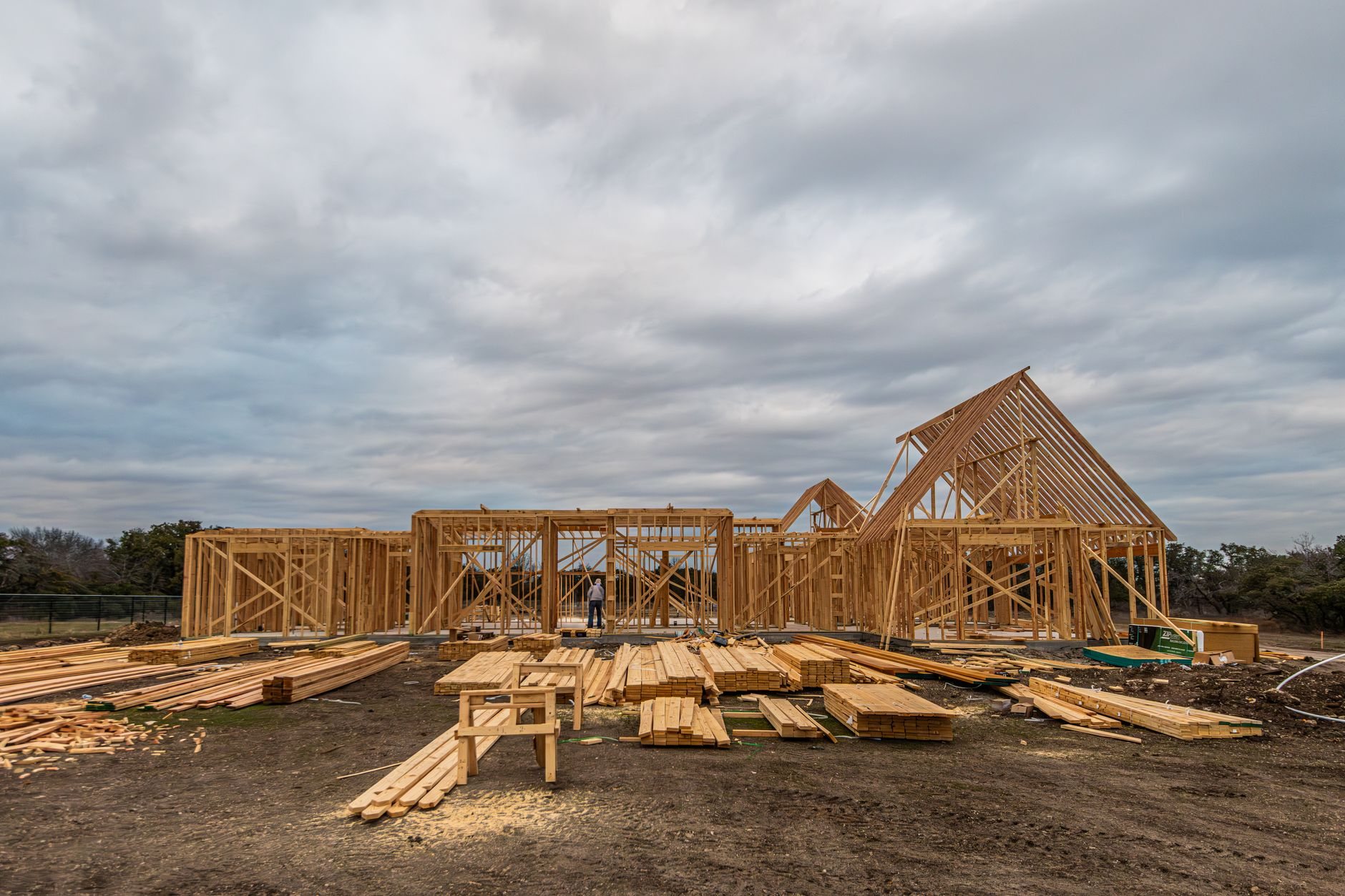
Site work is the second. Much of the Wasatch Front sits on expansive clay or collapsible bench soils, so we confirm the geotechnical report’s recommendations actually made it into the footing and flatwork scope — and that the excavation contractor isn’t treating over-dig and structural fill as a change order for conditions everyone should have priced. Exterior concrete gets checked for air-entrained mixes, because a hundred-plus freeze–thaw days a year will find any flatwork that skipped them.
Structure is the third. Seismic detailing near the Wasatch fault means anchorage, hold-downs, and welded connections carry inspection requirements that are easy to gloss in a pay application. We verify the special-inspection reports exist and match the work billed, and that everything is being built to current Utah-adopted code — not the edition the builder’s last project used.
What does owner’s representation cost in Utah?
As a ballpark planning number, full-scope owner’s representation typically runs about 1–3% of construction cost on larger Utah projects. Lighter engagements — a contract review before signing, monthly pay-app review, or milestone site walks — are usually billed hourly or as a flat monthly amount instead. Every fee is set in writing before the engagement starts; none of these figures is a quote.
What moves the number:
- Scope of oversight. Pay-app review only is a few hours a month. Full representation — bids through closeout — is a standing role.
- Project duration and phase. Joining before contracts are signed costs less overall than being hired mid-crisis, because problems get cheaper the earlier they’re caught.
- Cadence. Weekly site walks cost more than monthly ones. Occupied or phased projects usually justify the tighter cadence.
- Project health. A project already in dispute takes more document work than one we baseline from day one.
The honest framing: a rep’s fee is small against what it protects. One padded change order or one over-billed draw on a mid-size project can exceed a year of oversight fees. We’ll tell you in the first conversation whether your project is big enough, or tangled enough, to justify the cost — and some aren’t.
Questions we actually get
Isn’t it a conflict of interest for a contractor to be my owner’s rep?
It would be if we were also bidding your project — so we don’t. On an owner’s rep engagement Grandview performs no construction, holds no subcontracts, and takes no payment from anyone but you. The contractor background is the value: we review bids and pay applications the way the people writing them think.
Can you replace my builder or stop the project?
No. You hold the contracts, so decisions stay yours — we have no authority to direct the builder unless your contract grants it. What we provide is the information and written recommendations to exercise your rights well: when to withhold payment, when a delay claim is legitimate, and when it’s time to involve an attorney.
My project is already in trouble. Is it too late to bring you in?
No, though earlier is cheaper. We start mid-project engagements with a baseline review — contract, draw history, schedule, and a site walk — to establish what’s actually been built and billed. That record is often what turns a stalled dispute into a resolvable one, because arguments end faster when someone has the facts in writing.
What does pay-application review actually catch?
Most commonly: billing ahead of work in place, stored materials that aren’t on site or insured, retainage math that quietly drops a line, and missing lien waivers from subcontractors and suppliers. That last one matters most in Utah — a sub who wasn’t paid can lien your property even though you paid the builder in full.
How is this different from hiring you as construction manager?
Who holds the contracts. A construction manager contracts the trades and runs the build; an owner’s rep reviews a build someone else is running. If you haven’t picked a builder and want one accountable team, construction management usually fits better. If the builder exists and you need an advocate, this is the service.
How much of my time does this still require?
Less, and better spent. You’ll still make the owner decisions — approvals, selections, payments — but you’ll make them from a one-page recommendation instead of a 40-page pay application. Most clients spend under an hour per draw cycle once the reporting rhythm is set.
Related planning and management services
Owner’s representation is one of four ways to structure oversight within our planning and project management family. If you’d rather have us price the job before you commit to design, start with preconstruction and estimating. Many of the projects we represent are custom homes or multifamily buildings — the scales where independent oversight pays for itself fastest.
Tell us what you’re working on
Send us the contract, the latest draw, or just the story so far. We reply within a couple of hours during business hours — a day at most — with a straight read on what the project needs and whether an owner’s rep is worth the fee.