
Whole-Home Repiping — PEX & Copper
A whole-home repipe replaces every water supply line in the house — galvanized steel, polybutylene, or pinholed copper — with new PEX or copper, main shutoff to last fixture. Grandview Contractors runs repipes across Utah County and Salt Lake County under our B100 license: we hold the contract, manage licensed plumbers, and price the wall repair into the same scope.
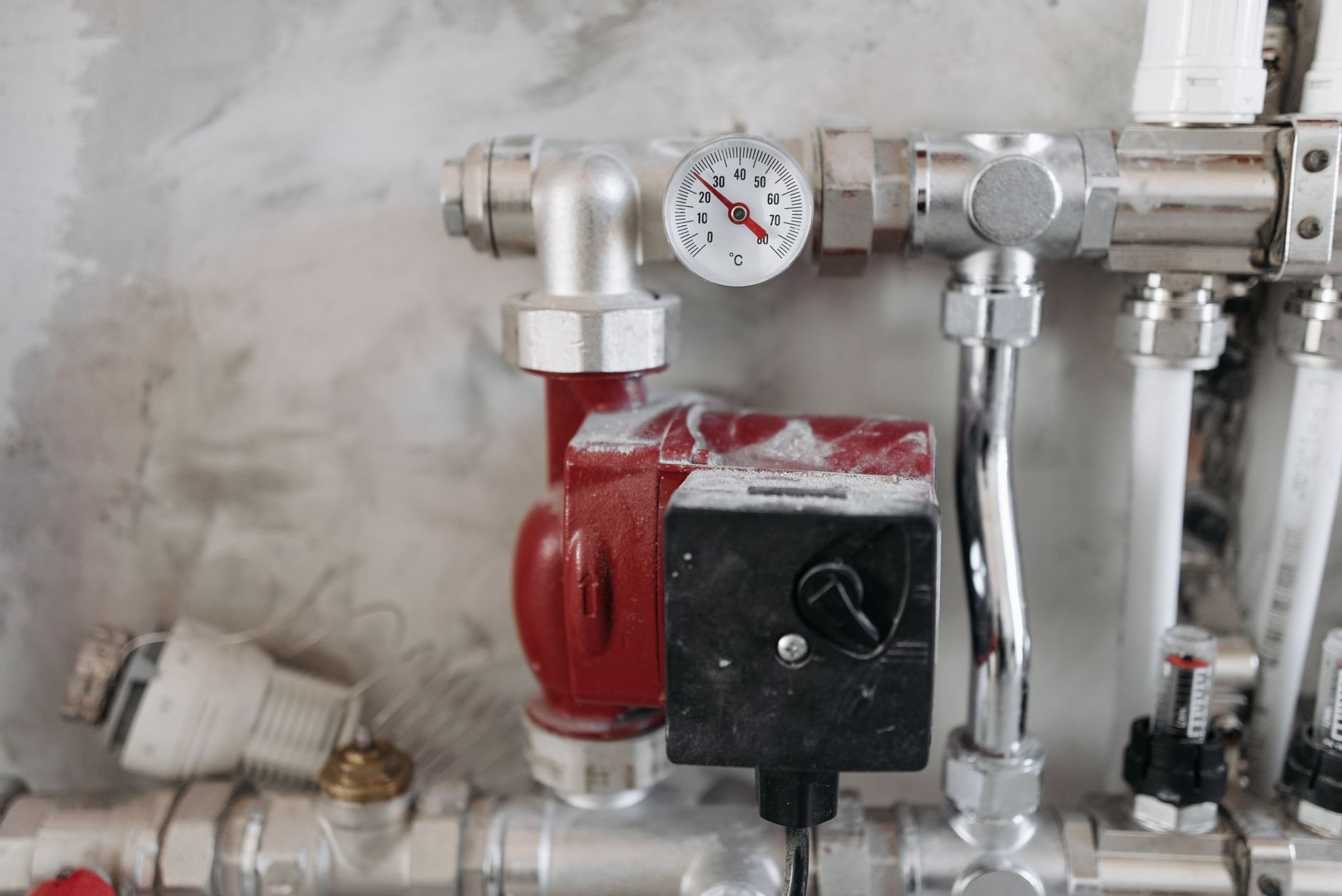
Repipe, repair, or remodel plumbing — which one do you need?
A repipe is the answer when the problem is the pipe material, not one bad joint. Galvanized steel — common in Provo, Orem, and Salt Lake homes built before the early 1970s — rusts from the inside and chokes down on mineral scale, which is why the upstairs shower dies when someone runs the kitchen tap. Polybutylene (the gray plastic from the late 1970s to mid 1990s) gets brittle and fails at the fittings. Copper that has pinholed once in a hard-water house usually pinholes again.
A single failure under the slab wants slab leak repair, not a repipe. Moving lines for a new kitchen or bath layout is remodel plumbing. A house still being framed gets a plumbing rough-in. A repipe is the existing-house, finished-walls, every-line-at-once scope — so you stop paying for leaks one at a time.
Repipes also pair well with a whole-home renovation: if walls are already open, new supply lines cost far less because the access and patching are already budgeted.
What goes in the walls, and why
Most Wasatch Front repipes go in as PEX. PEX-A tubing runs in long continuous pulls with no joints hidden inside walls; connections happen at the manifold and each fixture stub-out, where they can be seen and tested. Expansion-style fittings (the ASTM F1960 system from Uponor and others) keep the full pipe bore at every connection. PEX also tolerates a freeze far better than rigid pipe — useful on exterior walls, in unconditioned garages, and in the crawl spaces of older bench homes.
Copper still has a place: exposed runs in a mechanical room, the first few feet off a water heater, owners who want a 50-plus-year metal system, and multifamily or commercial jobs where the plan or inspector asks for Type L. On the Wasatch Front, where municipal water scales a kettle in a month, we’ll discuss whether a softener belongs in the scope — mineral scale shortens copper’s life far more than PEX’s.
Layout matters as much as material. A home-run manifold gives each fixture its own line and shutoff, which balances pressure and means one bad cartridge never shuts down the house. Trunk-and-branch uses less tubing and often fits a smaller rambler. We draw the layout before anyone cuts drywall and show you where the manifold lands — usually in the mechanical room near the water heater and main shutoff.
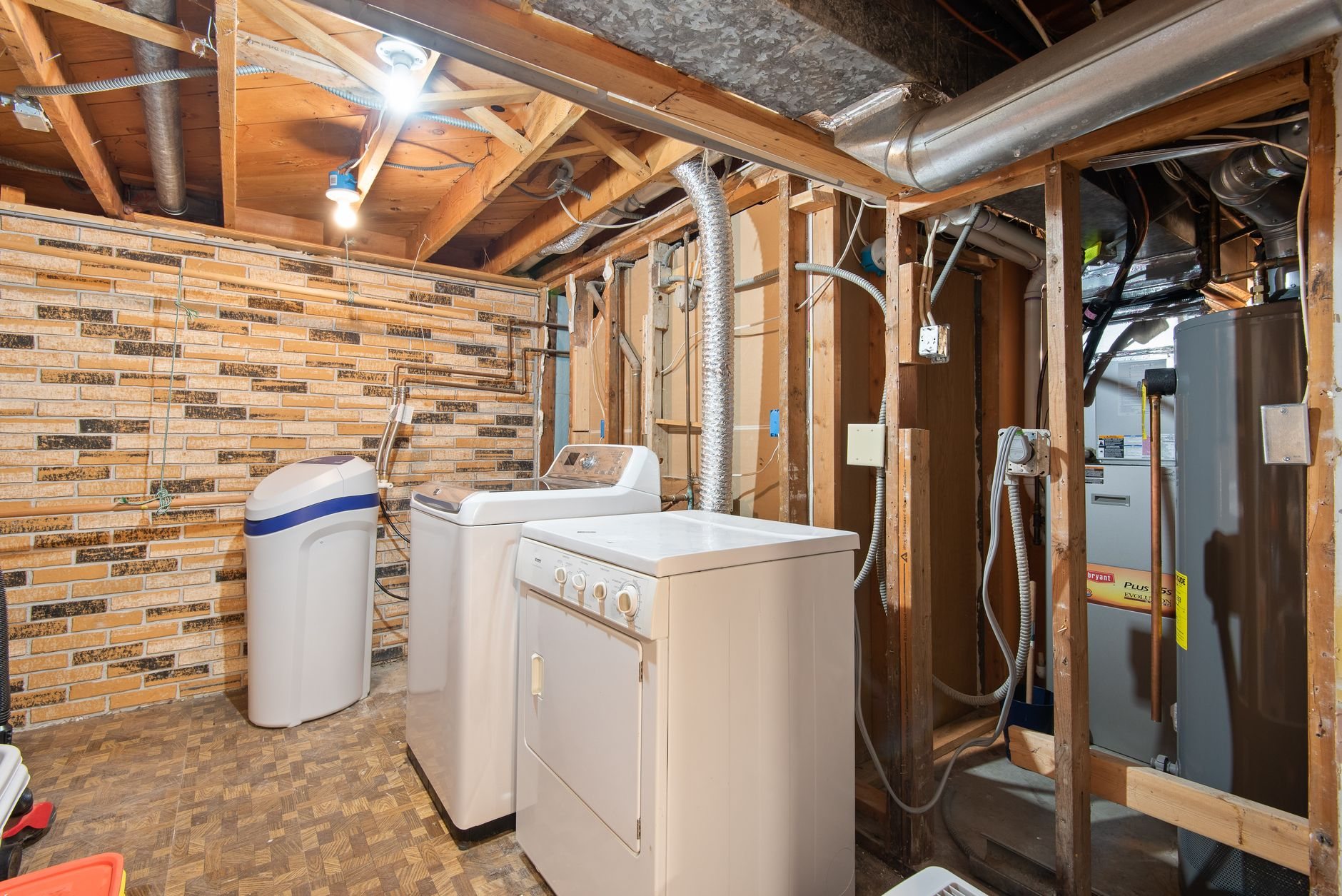
The repipe sequence, start to finish
A typical two-to-three-bath home takes two to four working days of plumbing, plus patching and paint. We sequence it so water is off for hours, not days.
- Walk-through and fixture count. We map every supply point and find where new lines can route — attic, basement ceiling, existing chases — to minimize wall openings.
- Layout and permit. Manifold location, pipe sizing, and access cuts are drawn up; we pull the permit and schedule inspection.
- Access cuts. Drywall is opened in planned, documented spots — behind fixtures, at the ceiling line, at a few chase points. Floors, cabinets, and tile are protected first.
- New lines run alongside the old. The new system goes in while the old one is still live; water is off only for the final changeover, usually one afternoon.
- Pressure test and inspection. The system holds test pressure before any wall closes, and the inspector sees the open work.
- Old lines abandoned, walls repaired. Galvanized is capped or removed where accessible, then drywall patching, texture match, and paint — priced from day one.
Every plumber on the job is a licensed trade partner working under Grandview’s contract and quality checks; our license and theirs are verifiable at dopl.utah.gov. One schedule, one invoice, one company accountable for the pipes and the walls around them.
What does a whole-home repipe cost in Utah County?
As a ballpark planning range, a PEX repipe of a typical two-to-three-bath home in Utah County or Salt Lake County runs roughly $5,000 to $15,000 including permit, pressure test, and drywall repair; copper typically lands 50 to 100 percent higher for material and labor. These are planning numbers, not quotes — the real figure comes from fixture count and access.
What moves the price: fixture and hose-bib count; stories the lines climb; whether runs go through an unfinished basement ceiling or attic (cheap) versus plaster or tiled walls (not cheap); copper versus PEX; whether the main from the meter needs replacing; and how much old galvanized must come out versus being abandoned in place. A 1950s Provo bungalow with lath-and-plaster and a slab-on-grade kitchen sits at the top of the range.
Questions we actually get
How long will the water be off?
Usually one afternoon. The new system is installed alongside the old lines while they’re still live, so the only outage is the final changeover at the main and water heater. Cold water is back the same day; hot water once the heater refills.
Is PEX safe with Utah’s hard water, and does it affect taste?
Yes. PEX doesn’t corrode or scale the way galvanized does, and it’s approved for potable water under current Utah-adopted plumbing code. Some people notice a faint plastic taste for the first few days; flushing clears it. If water quality is a priority, we can scope a filter or softener at the manifold.
Do I need a permit for a repipe?
Yes. Replacing the water distribution system is permitted plumbing work in every city from Payson to North Salt Lake. We pull the permit and schedule the rough inspection before walls close; verify city-specific requirements with your building department. An unpermitted repipe becomes a disclosure problem when you sell.
How much drywall damage should I expect?
Less than people fear, but not zero. Expect openings behind each fixture, a few ceiling-line cuts where lines turn, and chase access on multi-story runs. Attics and unfinished basements let us avoid most finished walls. Every cut is planned, and patch, texture, and paint are in the contract price.
Whole-home repiping is a plumbing scope under our MEP & systems coordination, part of the Renovation & Build-Outs family. Related: sewer and drain line replacement.
Tell us what you’re working on
We reply within a couple of hours during business hours — a day at most. You’ll get a straight read on scope, sequence, and budget before anyone commits to anything.