
Water Heater Installation — Tank & Tankless
Water heater installation means sizing, setting, venting, strapping, and permitting a new tank, tankless, or heat-pump unit — not just swapping the old one for a lookalike. Grandview Contractors handles it across Utah County and Salt Lake County under our B100 license: we hold the contract, manage licensed plumbers, and quality-check the gas, venting, and seismic details before the inspector does.
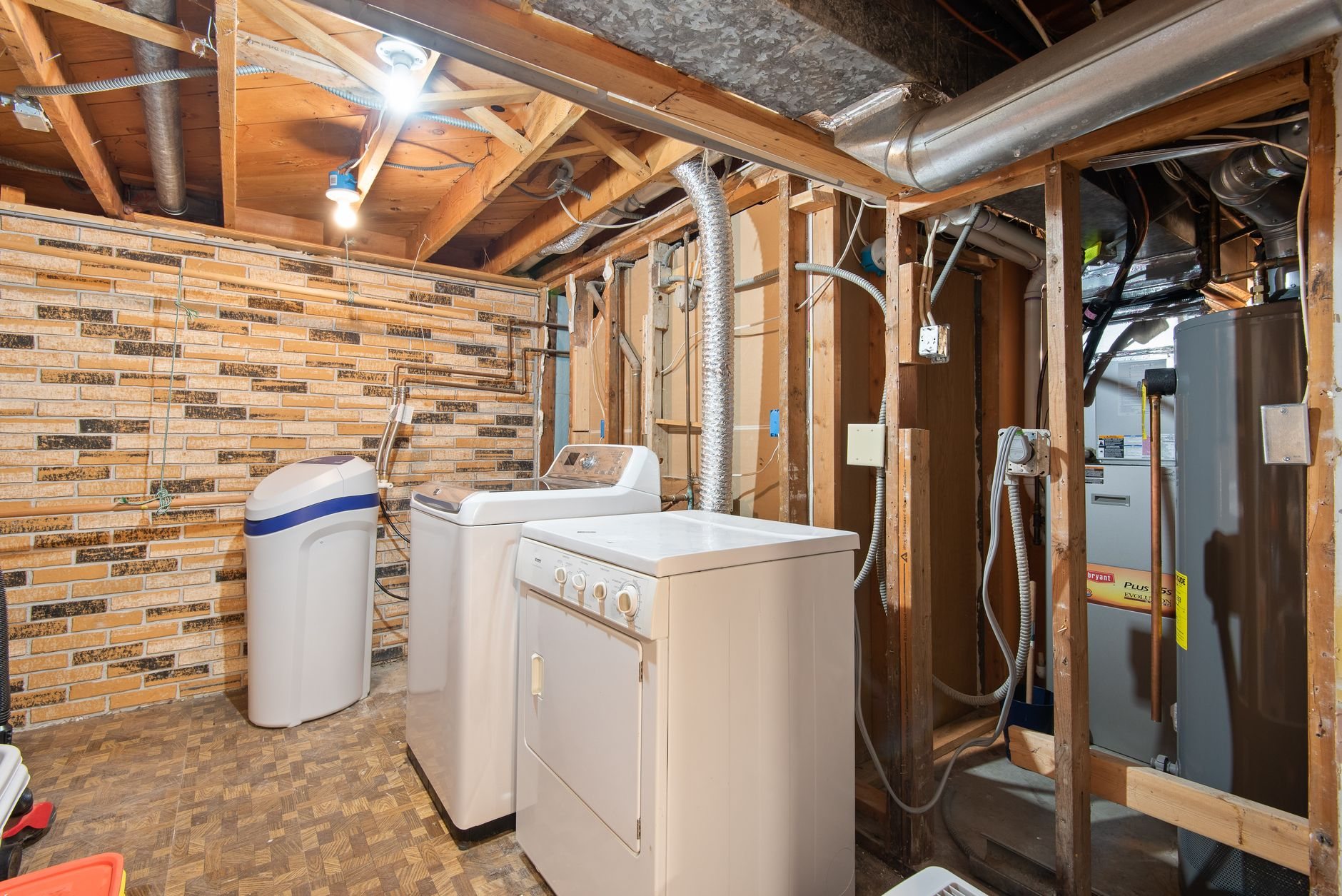
Which water heater is the right call for your house?
A conventional tank is still the right answer more often than the marketing suggests. If the existing 40- or 50-gallon gas unit kept up with the household, a like-for-like replacement with an expansion tank and new straps is the cheapest, fastest fix.
Tankless earns its premium when demand is spiky or the mechanical room is tight: two showers and a laundry at once, or a remodel that wants the floor space back. The trade-off is upstream work. A gas tankless unit draws four to five times the BTUs of a tank, which often means a larger gas line — that part of the scope runs through gas line installation and a meter capacity check with the utility.
Heat-pump (hybrid electric) water heaters suit a basement mechanical room: they need a few hundred cubic feet of air, a 240V circuit, and a condensate drain, and they cool the space as a side effect. The U.S. Department of Energy’s heat pump water heater guidance is a fair read on where they do and don’t pay back.
If the supply lines feeding the heater are galvanized or failing, that’s a whole-home repipe; new sinks and tubs in the same visit are fixture installation.
Why Utah water heaters need to be sized differently
Three local facts change the math. First, incoming water temperature. Wasatch Front supplies run cold in winter — often into the 40s°F — so a tankless unit has to lift the water 65–75°F for a usable shower. A unit rated “9 gallons per minute” may deliver five or six in a Provo January. We size on the winter number.
Second, elevation. Provo sits near 4,500 feet and Salt Lake City near 4,200. Most gas water heaters need a high-altitude setting or derated input above 2,000 feet, and many tankless models have an altitude adjustment that must be set at commissioning. Skipping it causes rough ignition and sooting — a five-minute item that gets missed by installers who treat every house like it’s at sea level.
Third, hard water. Much of Utah County and the Salt Lake valley runs 10–20 grains of hardness. In a tank, that’s sediment and an annual flush. In a tankless heat exchanger, it’s scale that chokes the passages within a few years unless the unit gets an annual descale through isolation valves — we install those on every tankless — or a softener goes in upstream.
What a water heater installation involves
Most tank replacements are one working day. A tank-to-tankless conversion is typically two to three days once gas and venting are included.
- Load and location check. Fixture count, peak-use habits, gas meter and line size, venting path, drain location, clearances. This is where tank versus tankless gets decided for real.
- Permit and removal. Permit pulled, old unit drained, isolated, and hauled for recycling.
- Set and strap. New unit set on a stand where required, with seismic straps at the upper and lower thirds anchored to framing. This close to the Wasatch fault, current Utah-adopted code requires it, and an unstrapped heater is the first thing to go over in a quake.
- Vent and condensate. Atmospheric tanks get a draft hood and B-vent; condensing tankless units get PVC or polypropylene venting, sloped correctly, with a condensate neutralizer before the drain. If the old heater shared a flue with the furnace, removing it can orphan that flue — we coordinate with furnace replacement scopes when both are in play.
- Expansion, pressure, and relief. A thermal expansion tank on any closed system, a T&P relief line to an approved termination, and a drip pan with a drain where the heater sits over finished space.
- Commission and inspect. Gas leak check, altitude and temperature settings, combustion check, temperature verified at the farthest fixture, then the city inspection.
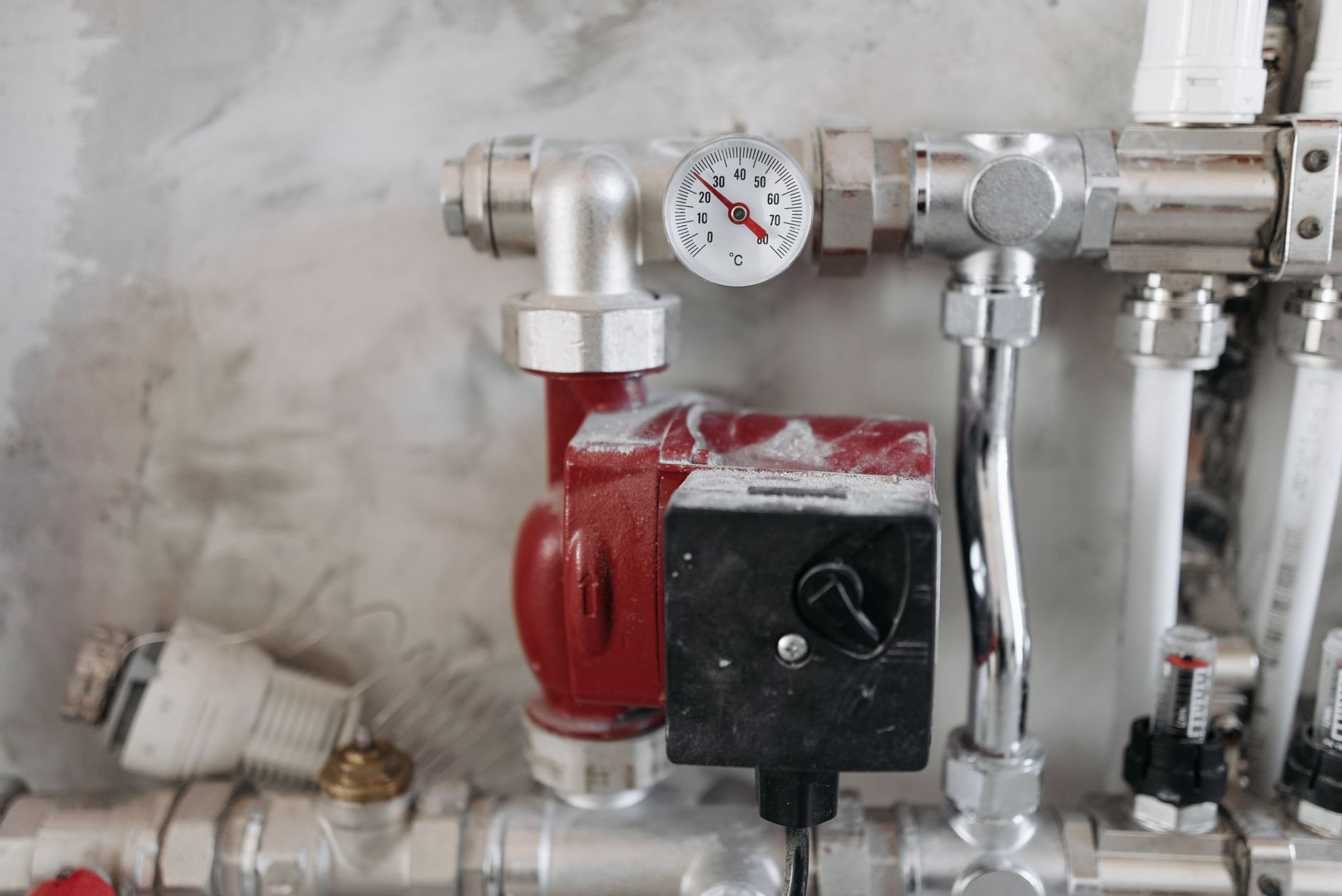
What does a water heater installation cost in Utah?
As ballpark planning numbers, not a quote: a like-for-like 40–50 gallon gas tank, installed with permit, expansion tank, and straps, typically lands in the $1,800–$3,500 range along the Wasatch Front. A gas tankless conversion runs $4,000–$8,000 or more depending on gas line and venting work. Heat-pump units generally fall between the two once the 240V circuit is counted.
What moves the number: gas line upsizing and meter changes (the biggest swing on tankless), venting length and new exterior penetrations, relocating the unit, and adding a drain or pan where none exists. Utility rebates for heat-pump units come and go; we check current programs when we price the job. Our license, and every plumber’s we manage, is verifiable at dopl.utah.gov.
Questions we actually get
Can I go tankless without replacing my gas line?
Sometimes. If the existing line is 3/4-inch, the run is short, and the meter has capacity, a tankless unit may work as-is. Many older Utah County homes have a 1/2-inch branch feeding the heater, which can’t carry 150,000–199,000 BTUs. We check line size, length, and connected load before quoting, so the gas work is priced in or ruled out.
Why does my new water heater need an expansion tank?
Because most Wasatch Front homes are closed systems. Bench lots often carry a pressure-reducing valve because street pressure runs high, and a PRV or backflow device stops expanding hot water from pushing back into the city line. Without an expansion tank, that spike lands on the T&P valve and fittings every heating cycle.
How long does a tankless unit last with our hard water?
Fifteen to twenty years with annual descaling through isolation valves, or a softener ahead of it. Untreated, scale can halve that. We install the service valves on every tankless job and show you the routine; it takes about an hour a year.
Does a water heater replacement really need a permit?
Yes. A replacement looks simple, but the inspection verifies the venting, gas connection, seismic straps, and relief termination — and an unpermitted heater shows up at resale. We pull the permit and schedule the inspection as part of the scope; verify local wrinkles with your city building department.
Tell us what you’re working on
We reply within a couple of hours during business hours — a day at most. You’ll get a straight read on tank versus tankless, gas and venting needs, and a budget range before anyone commits to anything. Water heaters are one scope within our MEP coordination work and the wider renovation family.