
Sewer & Drain Line Work
Sewer and drain line work is the repair, replacement, or new installation of the buried pipe that carries wastewater out of a building — the lateral to the city main, the building drain under the slab, and the branch drains that feed it. Grandview holds the contract under a B100 general contractor license, manages the licensed plumbers who run the pipe, and carries excavation, backfill, and surface restoration in the same scope across Utah County and Salt Lake County.
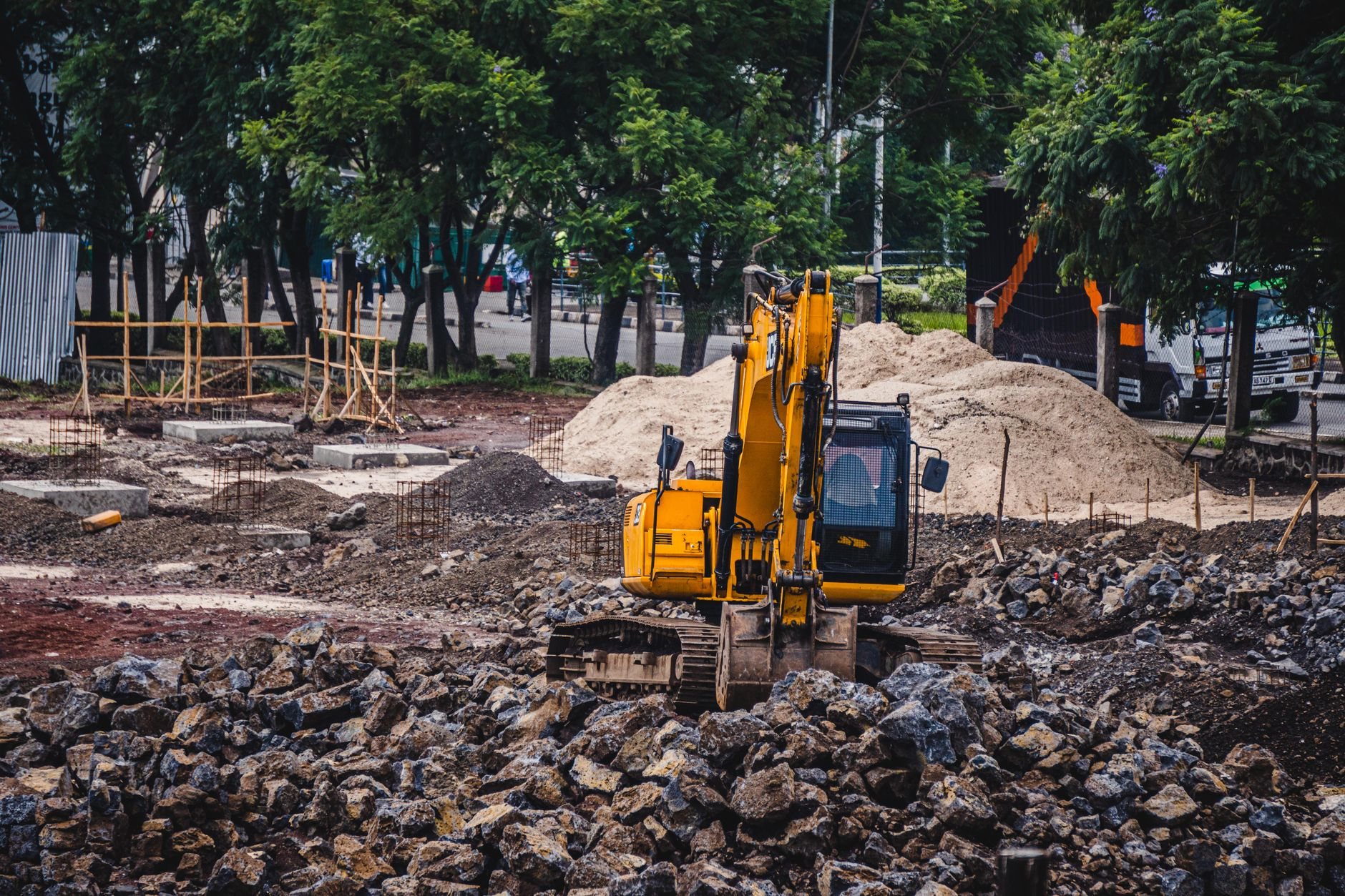
Sewer line work is about the pipe you can’t see
This page covers the pipe downstream of the fixtures: a lateral that has collapsed, bellied, or filled with roots; a cast-iron or Orangeburg building drain in a 1950s–70s home at the end of its life; a new lateral for an ADU or detached shop; and a tie-in to a city main where a septic tank is being retired.
It is a different job from its neighbors. First-time pipe inside a new building is plumbing rough-in — that scope ends at a stub a few feet outside the foundation, which is where this one begins. A leak in a pressurized supply line under the floor is a slab leak, found and fixed differently. A whole-home repipe replaces supply piping and leaves the drains alone. And a French drain handles groundwater, not sewage — a common mix-up when a basement is wet.
How a sewer or drain line gets replaced
- Camera and locate. A camera run from the cleanout shows where the pipe fails and why — offset joints, a belly holding water, roots, a crushed section. The line is located and depth-marked at the surface and utilities are flagged before anyone digs. Wasatch Front laterals commonly sit 4 to 8 feet down.
- Pick the method. Open trench when the pipe has collapsed or grade must be corrected; trenchless pipe bursting or cured-in-place lining when the host pipe still holds its shape and the surface above it is worth saving.
- Excavate and shore. Trenches deeper than 5 feet are shored or benched, not just dug — the plumbing crew and the trenching crew work to that rule under one contract and our supervision.
- Set the pipe. New laterals are typically SDR-35 PVC or Schedule 40 ABS, bedded in sand or pea gravel and laid at a quarter inch of fall per foot — enough to carry solids, not so steep that liquid outruns them. Cleanouts go in at the foundation and at direction changes; cast-iron connections get shielded transition couplings.
- Test, inspect, backfill. The city inspector sees the open trench before it closes. Backfill goes in compacted lifts; on the expansive clays and collapsible bench soils the Utah Geological Survey maps across both counties, skipping that step is how a new line develops a belly within a few years.
- Restore the surface. Concrete, asphalt, or sod goes back under the same scope. If the cut reaches the street or sidewalk, the right-of-way permit and the city’s restoration standard are ours to handle.
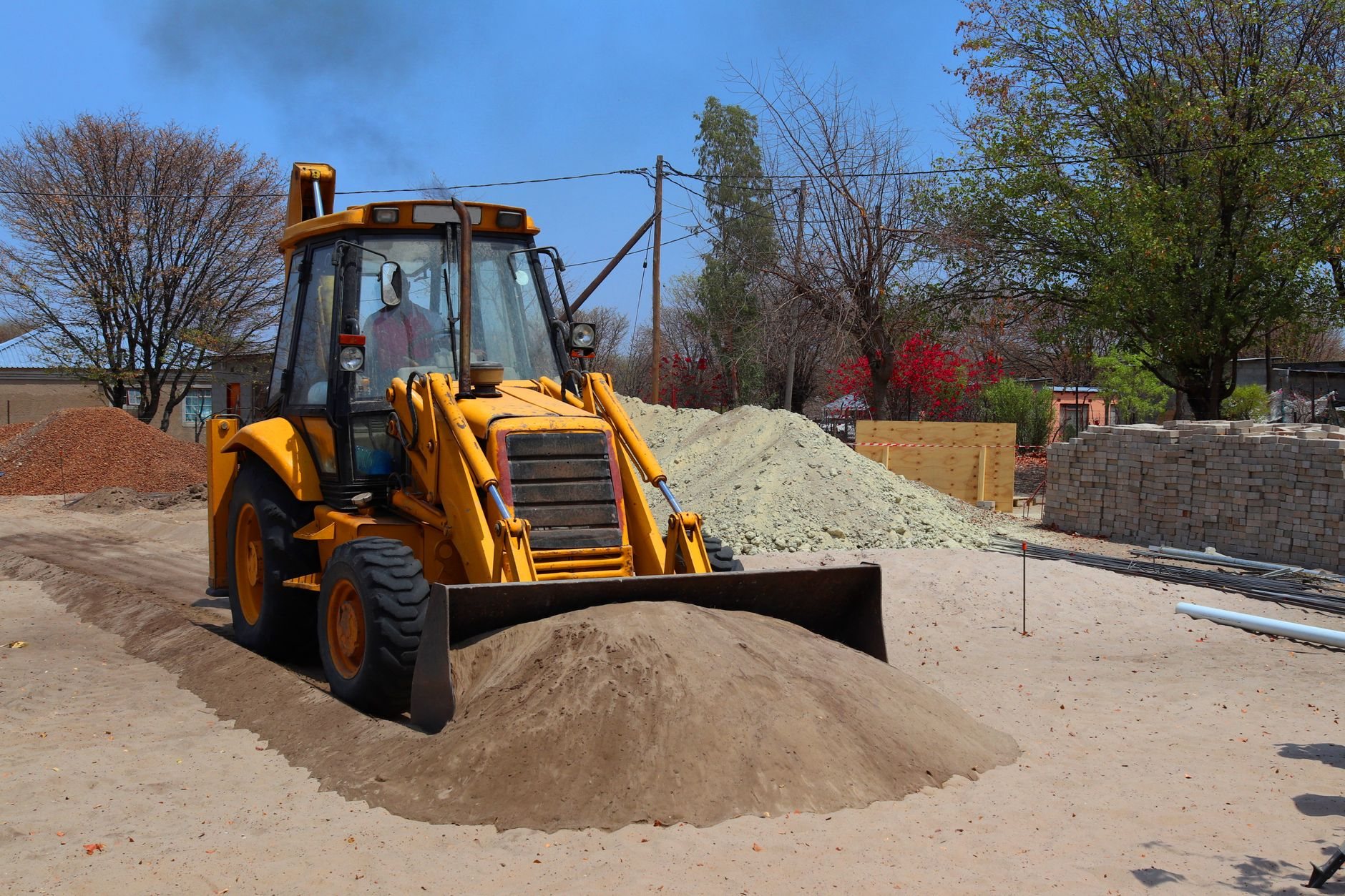
Trench or trenchless?
Trenchless wins when the existing pipe is intact enough to guide a bursting head or hold a liner, and when the surface above it is expensive — a stamped driveway, a mature yard, a street cut. Open trench wins when the pipe has collapsed, when it was laid flat and the grade has to be rebuilt, or when the run is short and sits under lawn. Lining also shrinks the inside diameter slightly, which matters on a 3-inch line already marginal for the fixture count. We say which fits after the camera run, not before.
Locally, newer Lehi and Saratoga Springs laterals usually fail from settlement; established Provo, Orem, and Salt Lake City neighborhoods are where clay tile, cast iron, and Orangeburg still turn up and full replacement is the honest answer.
What does sewer line replacement cost in Utah County?
As ballpark planning numbers, not a quote: a spot repair of one failed section commonly lands in the low thousands, a full open-trench lateral replacement from house to property line often falls in the $5,000–$15,000 range, and trenchless replacement or lining of the same run typically costs more per foot but avoids the surface restoration that pushes trench jobs up. A connection at the main with a street cut, traffic control, and asphalt patch can add several thousand on its own.
What moves the number: depth (more spoil, more shoring, slower work); length and direction changes; what sits on top of the pipe; whether the city requires a new tap at the main; and whether an abandoned septic tank has to be pumped and crushed. Bench lots with cobble dig slower than valley-floor silt, and winter frost adds time. You’ll get a consultation, a budget range after the camera run, then a written proposal that lists the restoration line by line.
Questions we actually get
Who actually does the pipe work — Grandview or a plumber?
Licensed plumbers do the pipe work. Grandview holds the contract, brings in a licensed plumbing contractor for the drain and lateral, and runs the excavation, shoring, backfill, inspections, and restoration under the same scope. We coordinate, sequence, and quality-check the whole job. Our license and theirs are verifiable at dopl.utah.gov.
Who owns the sewer lateral — me or the city?
In most Utah County and Salt Lake County cities, the property owner is responsible for the lateral from the building to the connection at the main, including the portion under the sidewalk and street; the city owns the main. The rule and restoration standard vary by city, so we confirm with local public works before pricing a street cut.
Does a sewer line replacement need a permit?
Yes. Replacing or installing a lateral requires a plumbing permit and an open-trench inspection, and work in the public right-of-way needs a separate excavation permit from the city. Trenchless lining and bursting are permitted the same way. We pull the permits and schedule the inspections as part of the scope; verify specifics with your city’s building department.
Can the new line be bigger than the old one?
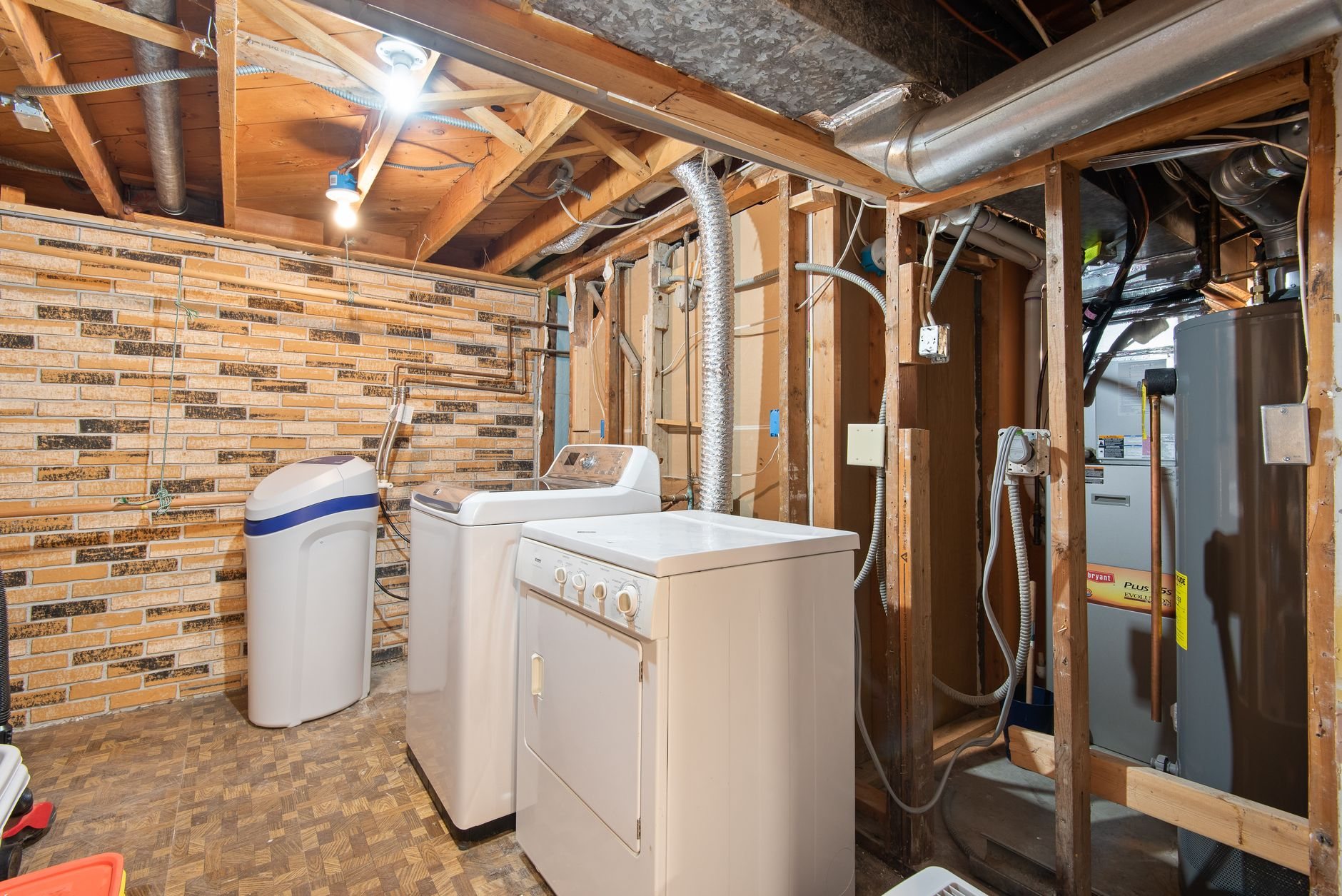
Often it should be. A 3-inch building drain that served a two-bath house in 1965 is marginal once a basement bath and an ADU are added. Upsizing to 4 inches during replacement costs little extra, and it’s the moment to add a foundation cleanout if the house never had one. We size it to the fixture count you’ll have, not the one you had.
Sewer and drain work runs inside our MEP and systems coordination, often alongside remodel plumbing when a basement bath or ADU is why the old line gave out, under the renovation and build-out family.
Tell us what you’re working on
We reply within a couple of hours during business hours — a day at most. You’ll get a straight read on scope, sequence, and budget before anyone commits to anything.