
Slab Leak Repair
A slab leak is a pressurized water line failing under a concrete floor — usually copper pinholed by hard water, or a joint sheared by a slab that moved. Grandview Contractors handles slab leak repair in Salt Lake City and Utah County under our B100 license: we hold the contract, manage licensed plumbers and leak-detection specialists, and coordinate the cutting, repair, re-pour, and floor restoration as one scope.
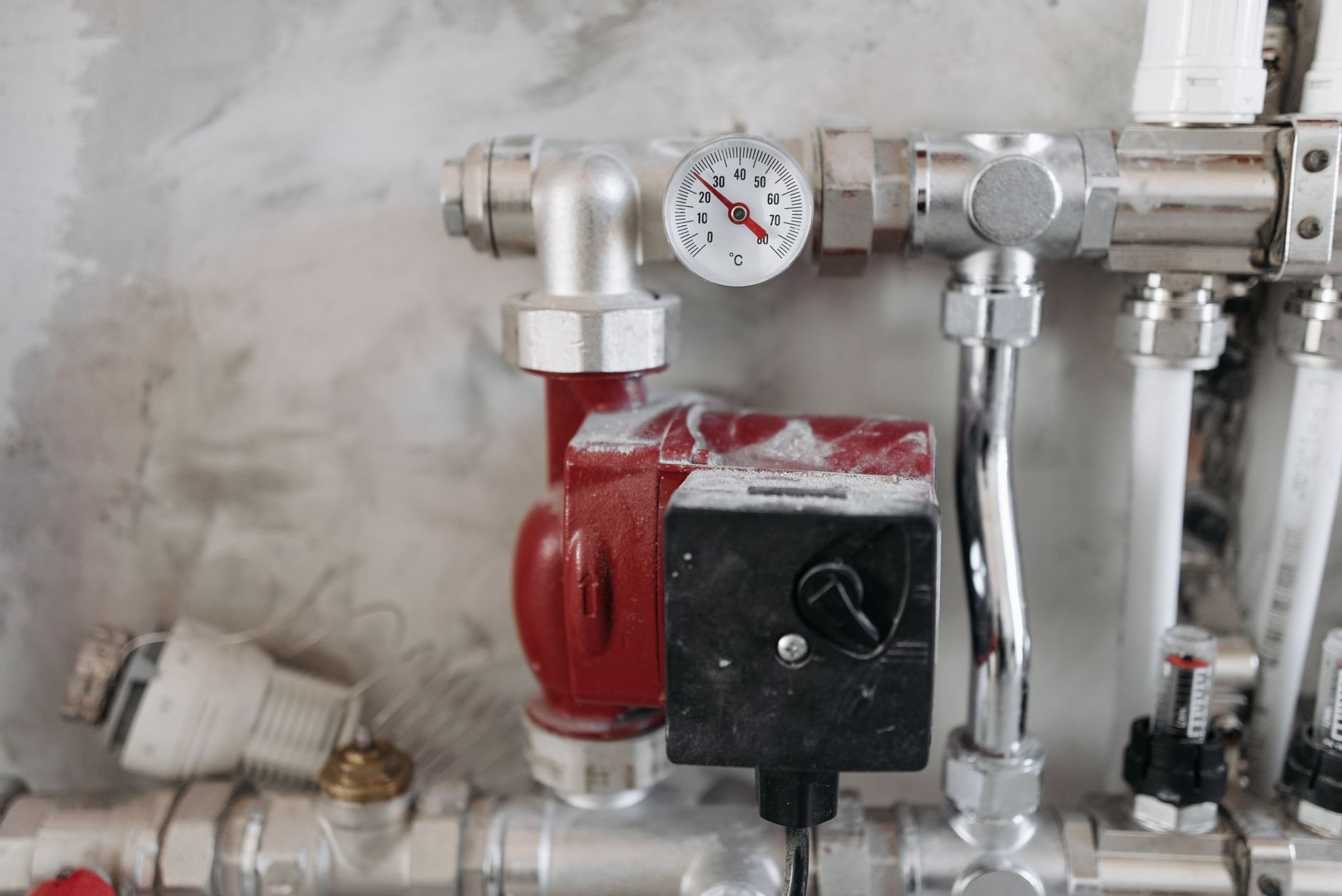
Slab leak, repipe, or sewer line — which problem do you have?
The signs are specific: a warm patch on a tile floor with no heat source nearby, a meter that keeps turning with every fixture shut, running water in a quiet house, or carpet that stays damp along one wall.
It is a different problem from its neighbors. Foul, slow, or backing-up water is the drain side — sewer and drain line work, diagnosed by camera. A house that has pinholed in three places over two years needs a whole-home repipe, not another patch. A leak at the water heater is a repair, not a slab job. A slab leak is the single under-floor failure on the pressure side, and because it sits beneath concrete, the fix is as much about access and restoration as the pipe. Slab-on-grade ramblers from the 1960s–1990s in Salt Lake City, Murray, Taylorsville, Orem, and Provo are the usual candidates: copper laid in soil before sleeving was standard.
How the leak gets found before anyone cuts concrete
Nobody should open a floor on a guess. The detection specialists we coordinate work in a fixed order: isolate, confirm, locate. Hot and cold sides are isolated at the water heater and pressure-tested separately — on the Wasatch Front the hot side fails far more often, because hot water speeds the mineral-and-copper reaction that pinholes a line from inside. Salt Lake Valley water scales a kettle in weeks; copper that has carried it hot for thirty years is the first suspect.
Locating comes last. Acoustic equipment picks up the hiss of water escaping into soil; an infrared camera finds the warm footprint of a hot-side leak; where wet soil muffles sound, a tracer-gas test pushes a hydrogen-nitrogen mix through the line and sniffs for it at the surface. The result is a mark the size of a dinner plate, not a hallway, which keeps the opening small and the flooring bill sane.
One Utah wrinkle: valley slabs move. Expansive clay swells and shrinks with moisture, and the collapsible bench soils the Utah Geological Survey maps along the Wasatch Front settle when they finally get wet. A slab that has dropped half an inch shears copper where it enters the concrete. If the floor shows a step crack or slopes toward the leak, we flag it, because fixing the pipe without addressing the slab movement invites the next break.
Spot repair, reroute, or under-slab replacement
- Spot repair through the slab. Flooring is lifted locally, the concrete is saw-cut and broken out in a roughly two-by-two-foot opening, soil is hand-excavated to the line, and the failed section is replaced — Type L copper sleeved through the concrete, or PEX with approved transition fittings. The line is pressure-tested before backfill; soil goes back compacted in lifts, and the slab is patched with a bonded non-shrink mix floated flush. Right for a first failure on a sound line.
- Reroute overhead. The leaking run is capped and abandoned, and new PEX is pulled through the attic or an interior wall between the two points it served. No concrete is opened. Better under tile or hardwood, when the slab keeps moving, or on a second leak on the same run. The trade-off is drywall patching along the new route, priced into the same contract.
- Replace every under-slab line. When detection shows a line thin along its length, a spot fix is good money after bad. The scope becomes a repipe, run overhead, slab left closed.
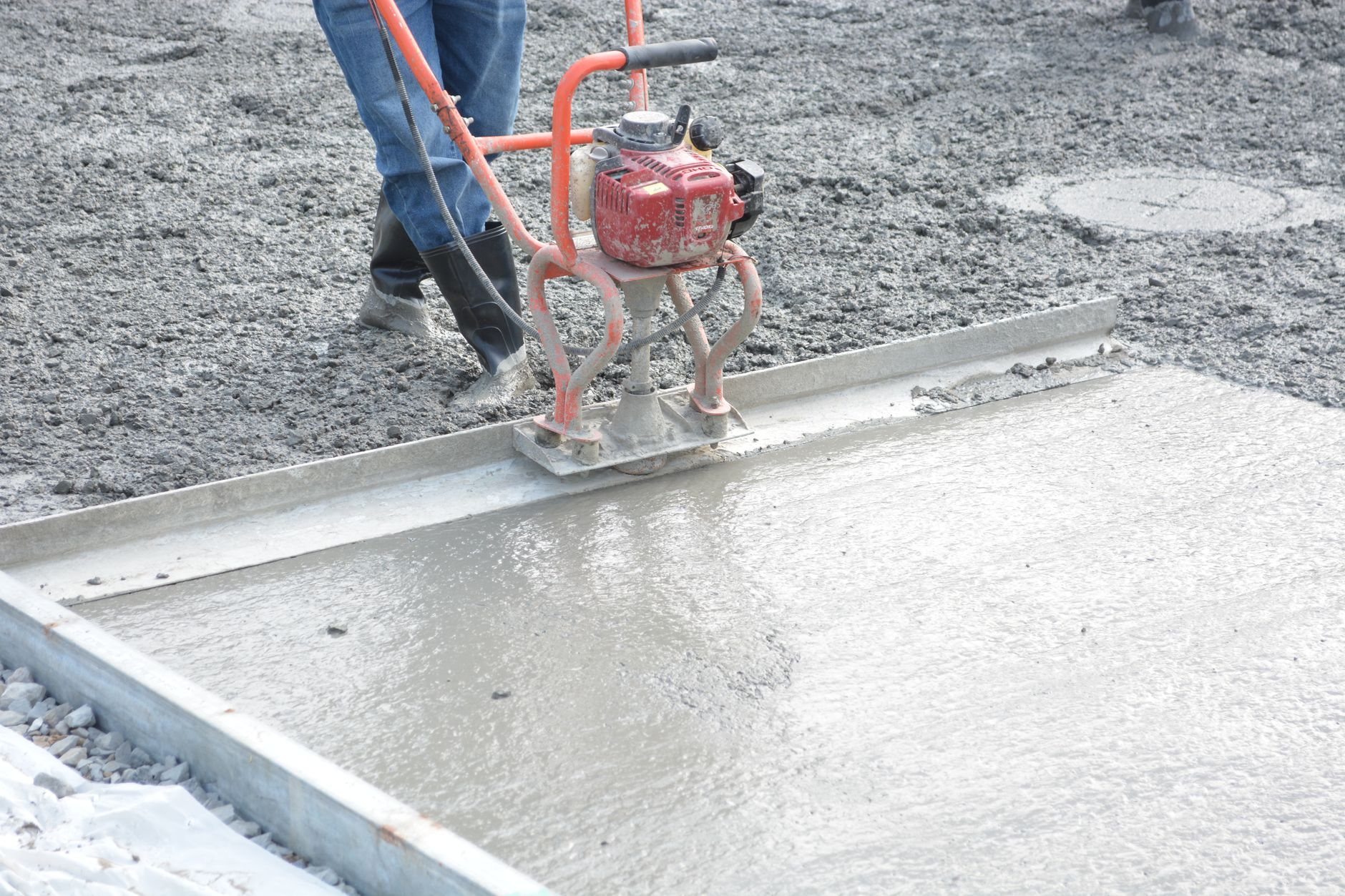
Everything around the pipe is what separates this from an ordinary plumbing repair. Grandview holds the contract and manages the licensed plumber who does the pipe work; we coordinate the saw-cutting, excavation, re-pour, and flooring restoration, and quality-check each handoff. Where water soaked a subfloor, water damage restoration runs under the same contract. Rerouted supply lines generally need a plumbing permit and inspection before drywall closes — verify with the Salt Lake City building department or your Utah County city — and any license can be checked at dopl.utah.gov.
What does slab leak repair cost in Salt Lake City?
As ballpark planning numbers, not a quote: detection alone typically runs a few hundred dollars. A spot repair through the slab usually lands in the low-to-mid thousands, and an overhead reroute in a similar range, higher when the two points are far apart. Flooring restoration is the swing item: a patch under carpet is modest; one under large-format porcelain or hardwood can cost as much as the plumbing.
Up: a hot-side leak under a finished basement, radiant tubing in the slab that must be mapped and avoided, and water that ran long enough to require drying. Down: an unfinished floor, a leak near the slab edge, or a reroute through an open attic. Some homeowner policies cover access and restoration while excluding the pipe itself — call your carrier first. We give a budget range after detection and a written estimate before concrete is cut.
Questions we actually get
Can I keep using water while the slab leak is repaired?
Mostly, yes. Detection happens with the water on. The main is off only while the failed section is cut out and the new piece tested — typically a few hours. On a reroute the old line stays live until the new one is connected.
Why not reroute every time and skip the concrete?
Sometimes that is the right call. But a reroute means drywall and paint along the whole new path, and on a long run from the water heater to a far bathroom that can cost more than a two-foot opening under carpet. We price both after detection.
Will the concrete patch show or crack later?
Under flooring, no. The opening is saw-cut square, the soil compacted back in lifts, and the patch is a bonded non-shrink mix floated flush with the slab. On an exposed or polished floor it will read as a patch; if that matters, we discuss a reroute before anything is cut.
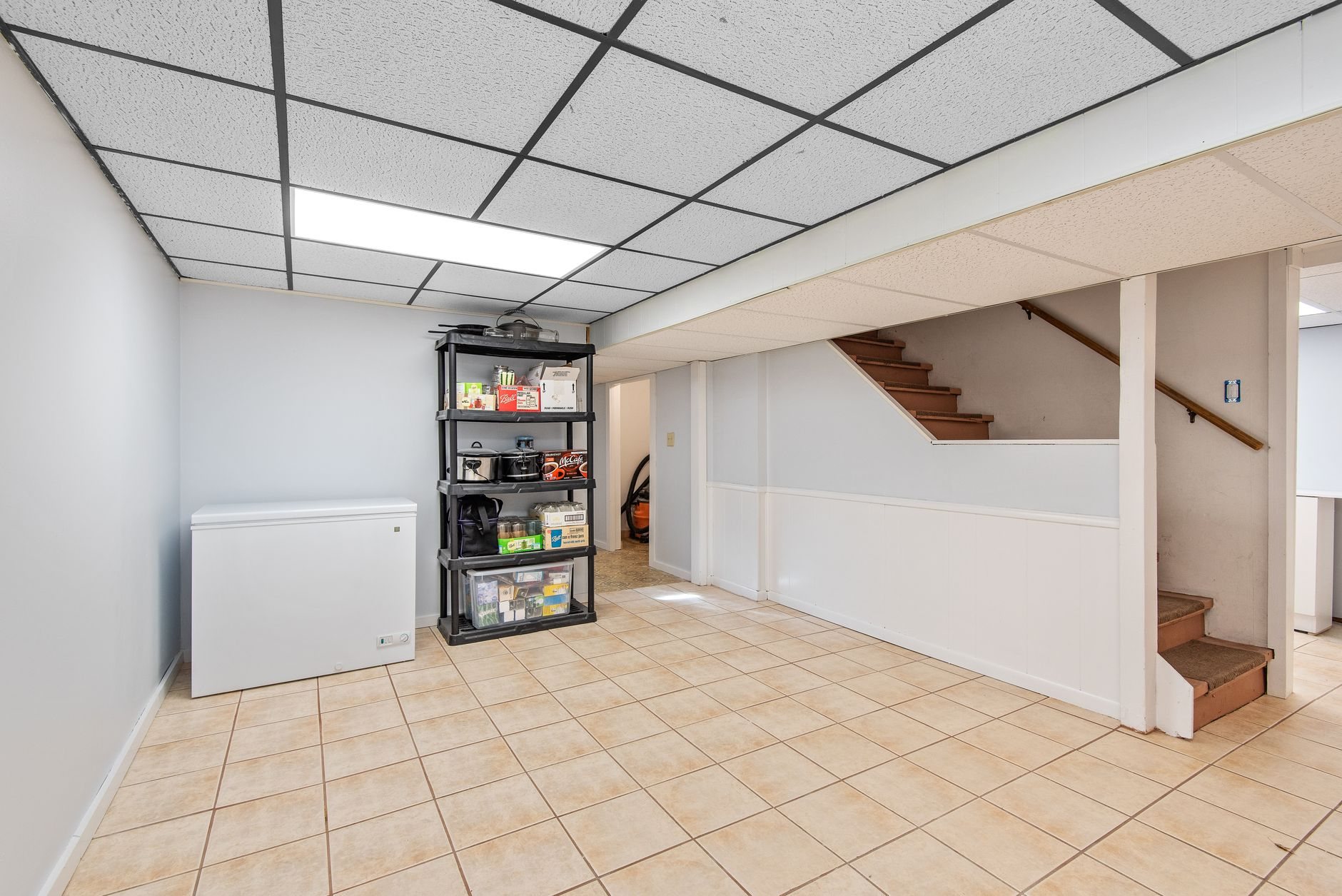
Slab leak repair runs under our MEP and systems coordination, part of renovation and build-out work. If the leak surfaced mid-remodel, remodel plumbing folds the fix into the new layout.
Tell us what you’re working on
We reply within a couple of hours during business hours — a day at most. You’ll get a straight read on scope, sequence, and budget before anyone commits to anything.